Projects
backHealthcare Policy Summit on Poland’s Presidency of the EU Council in 2025 – what will the priorities in healthcare be?
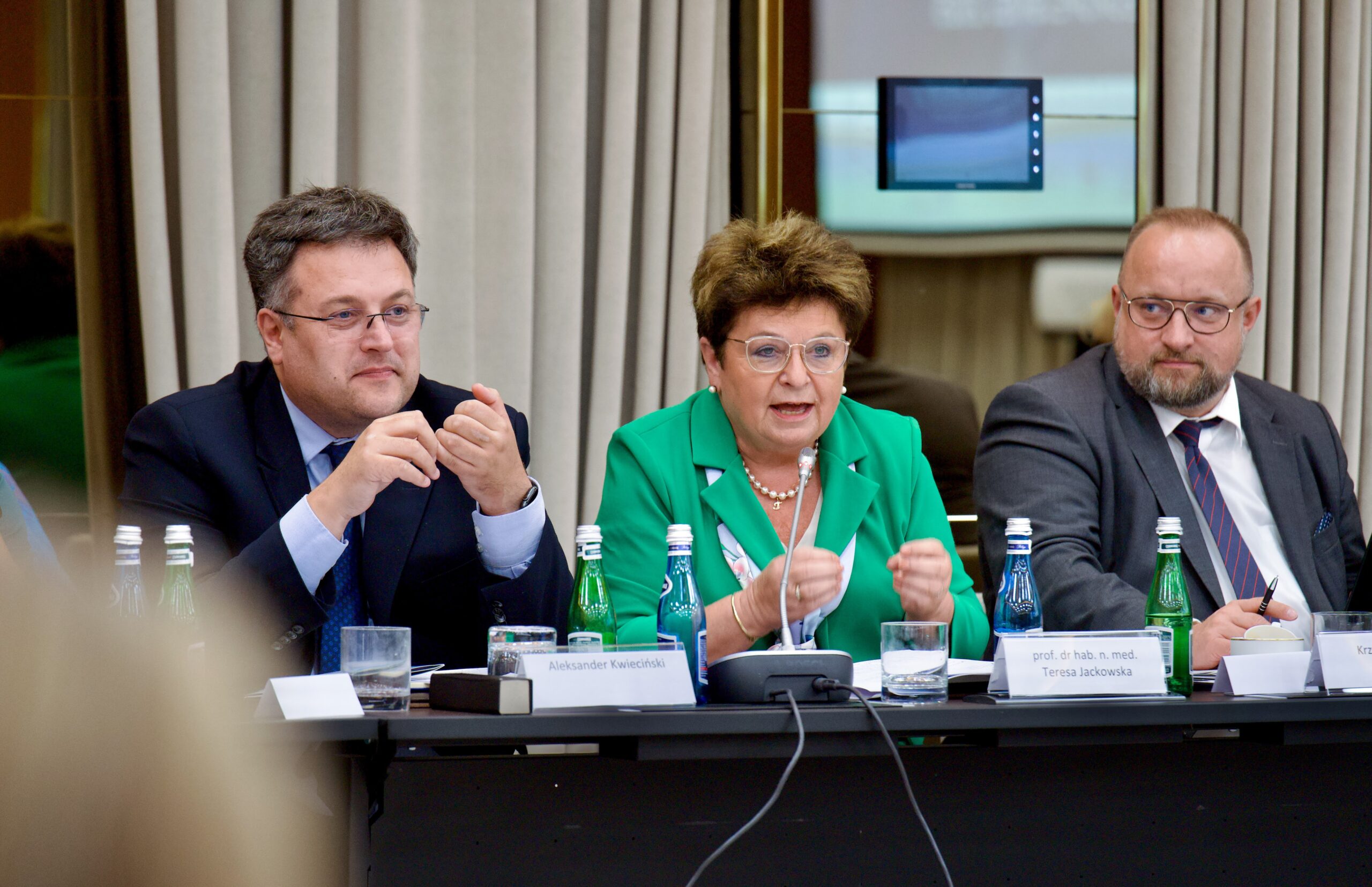
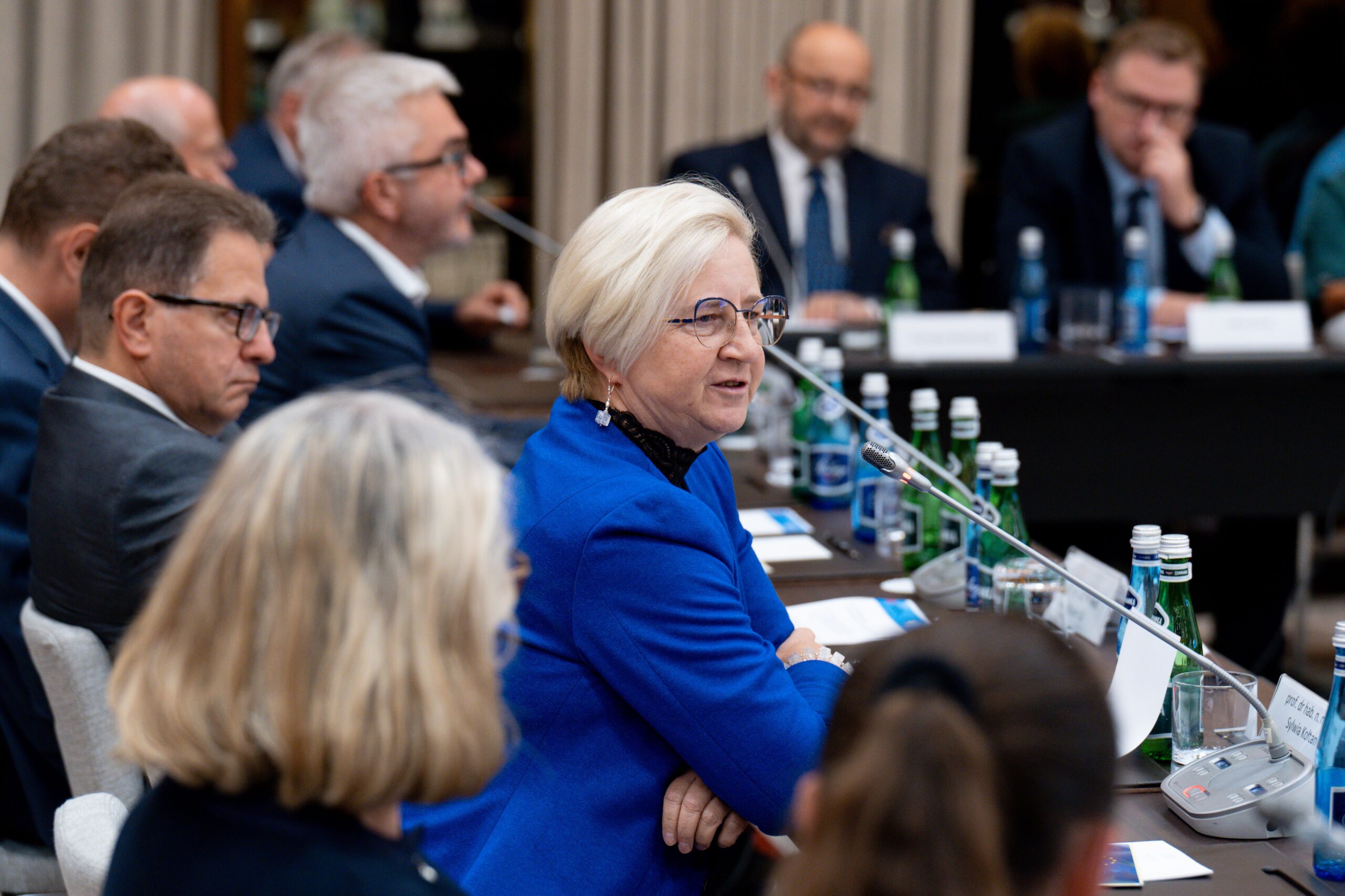
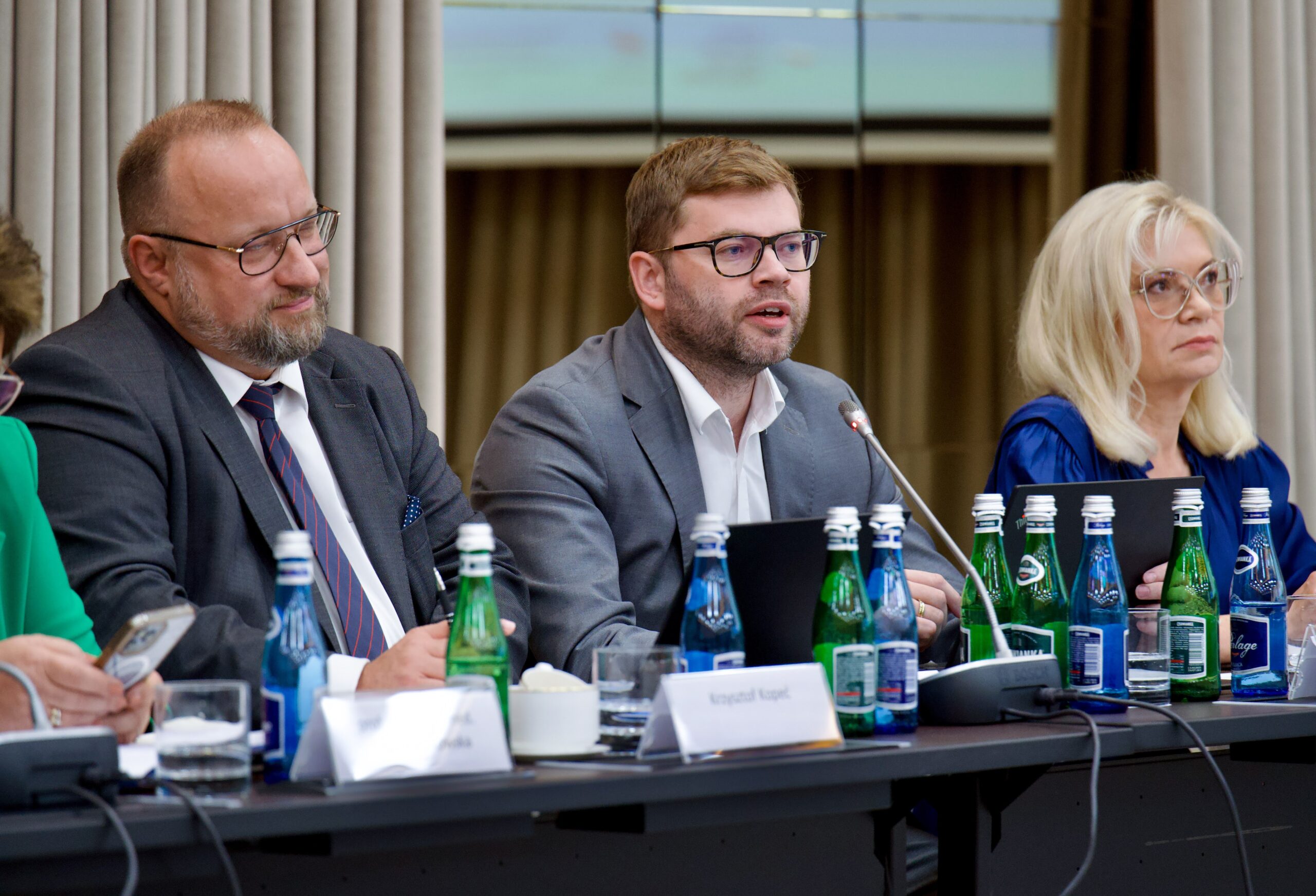
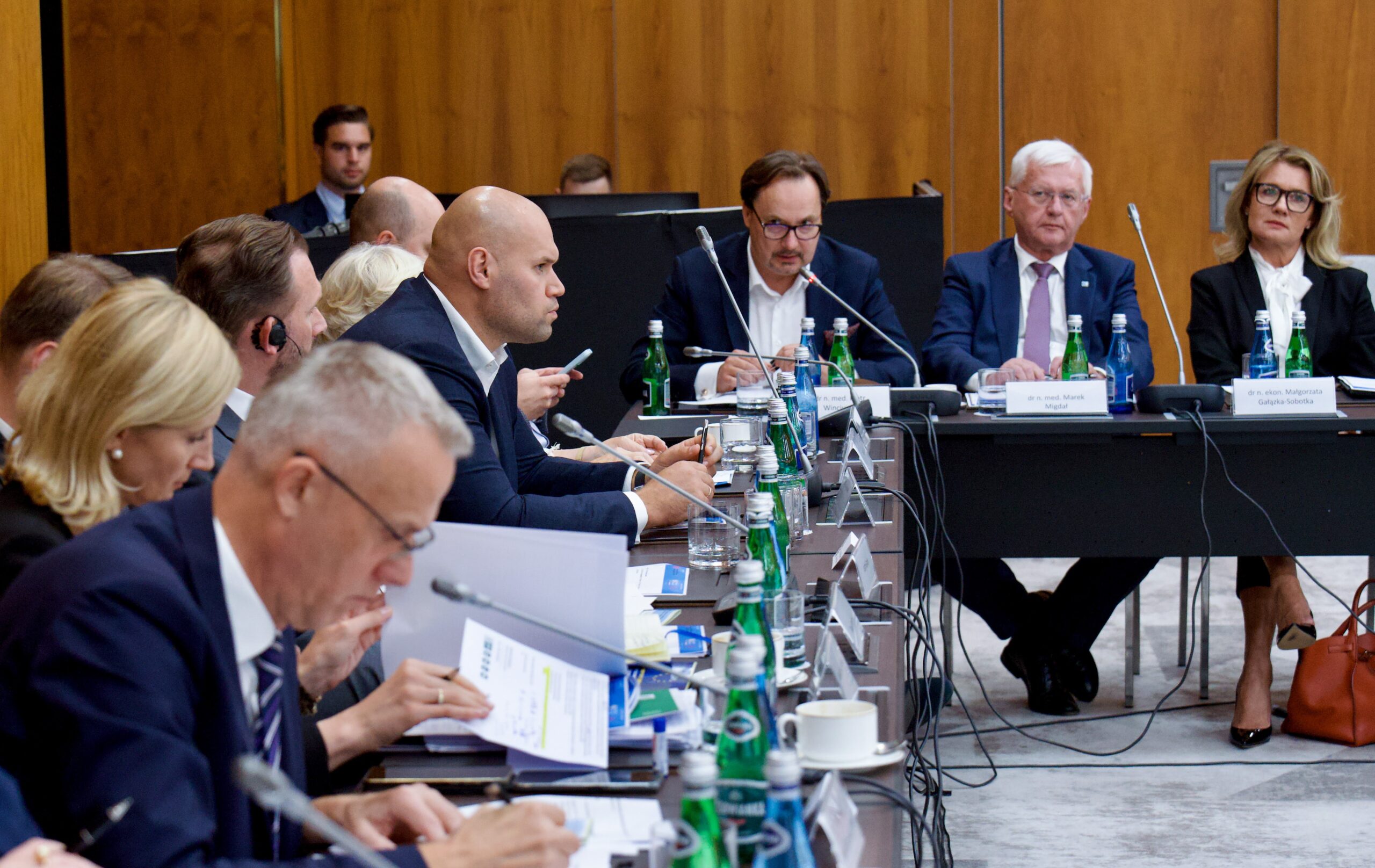
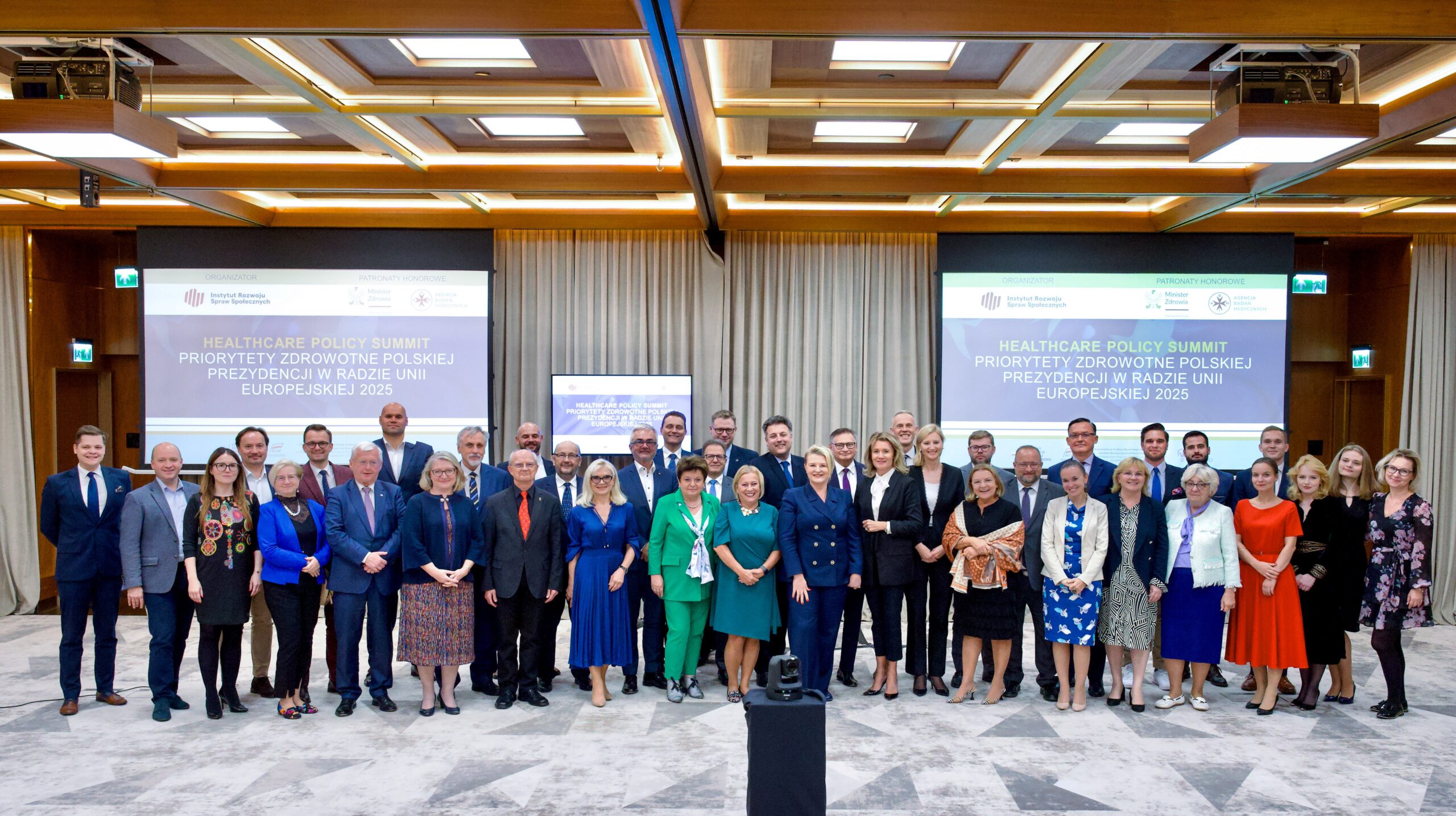
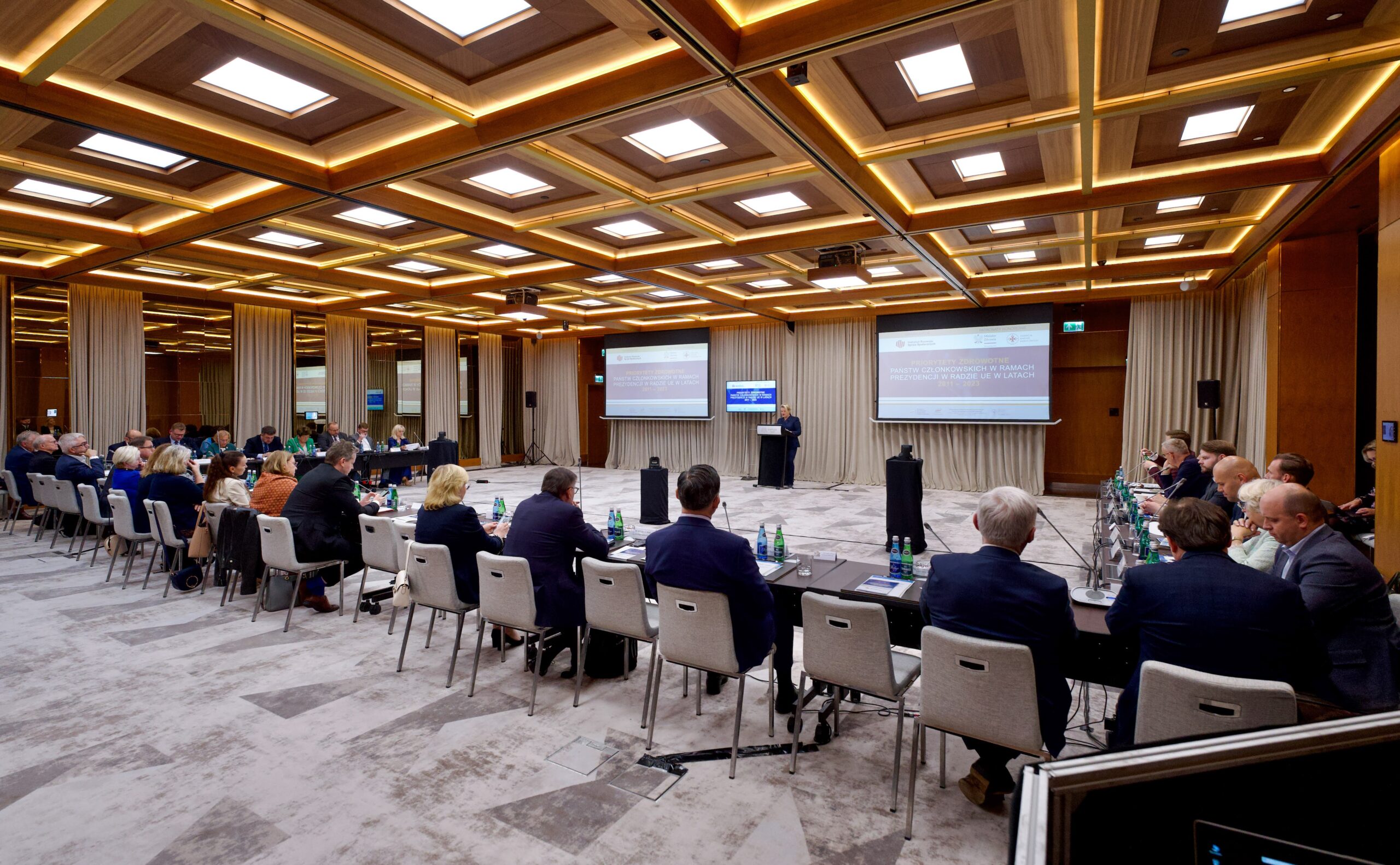
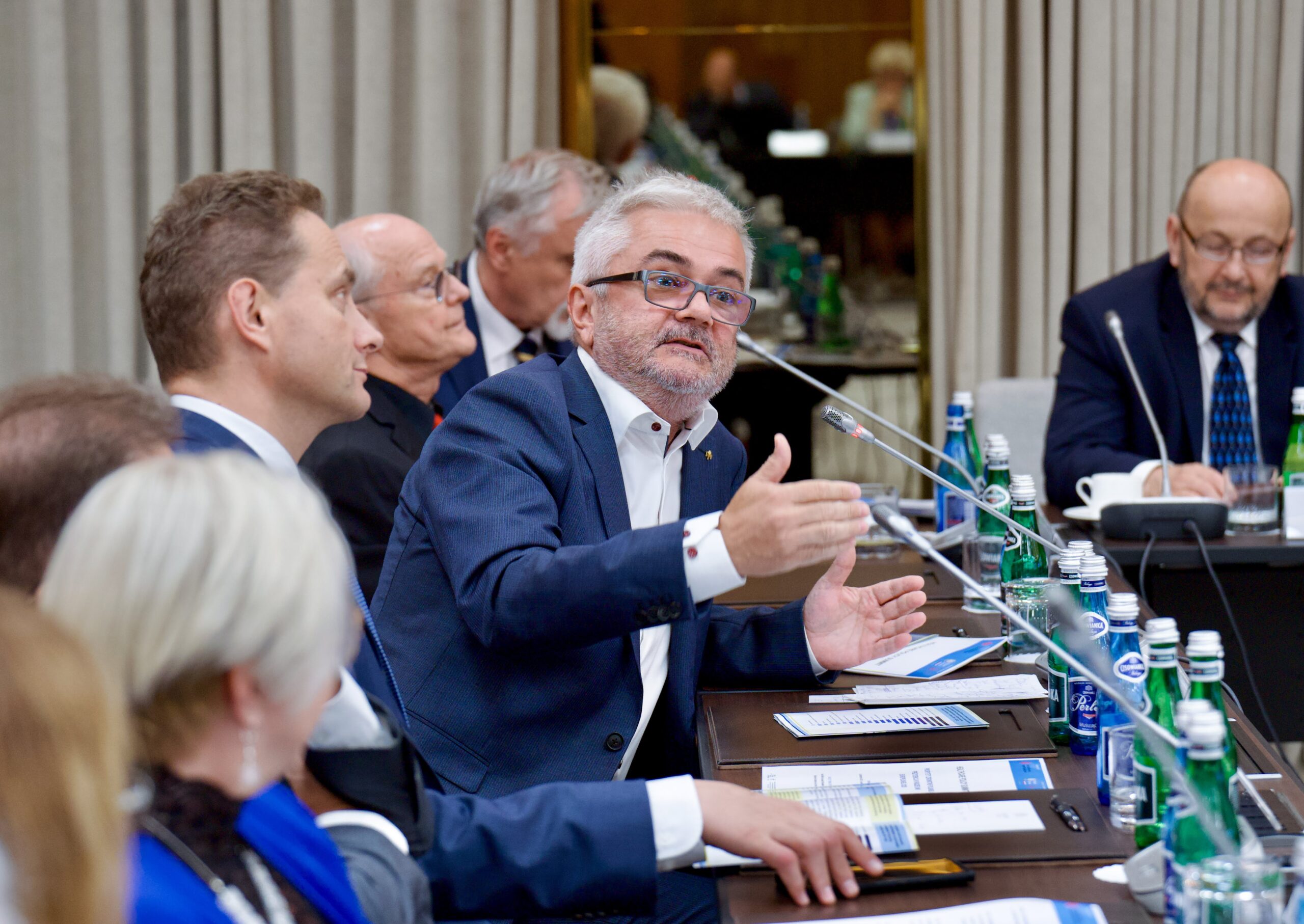
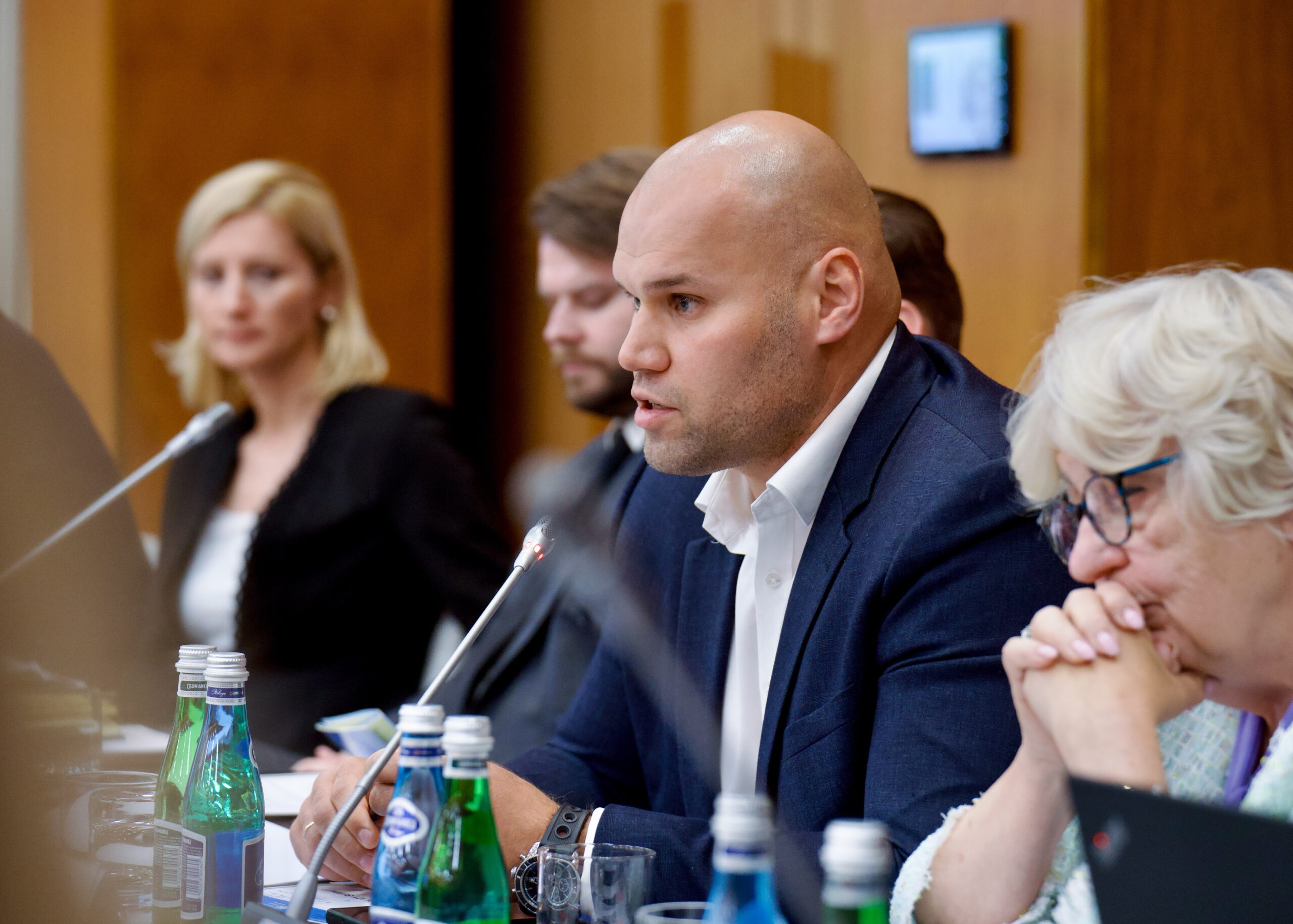
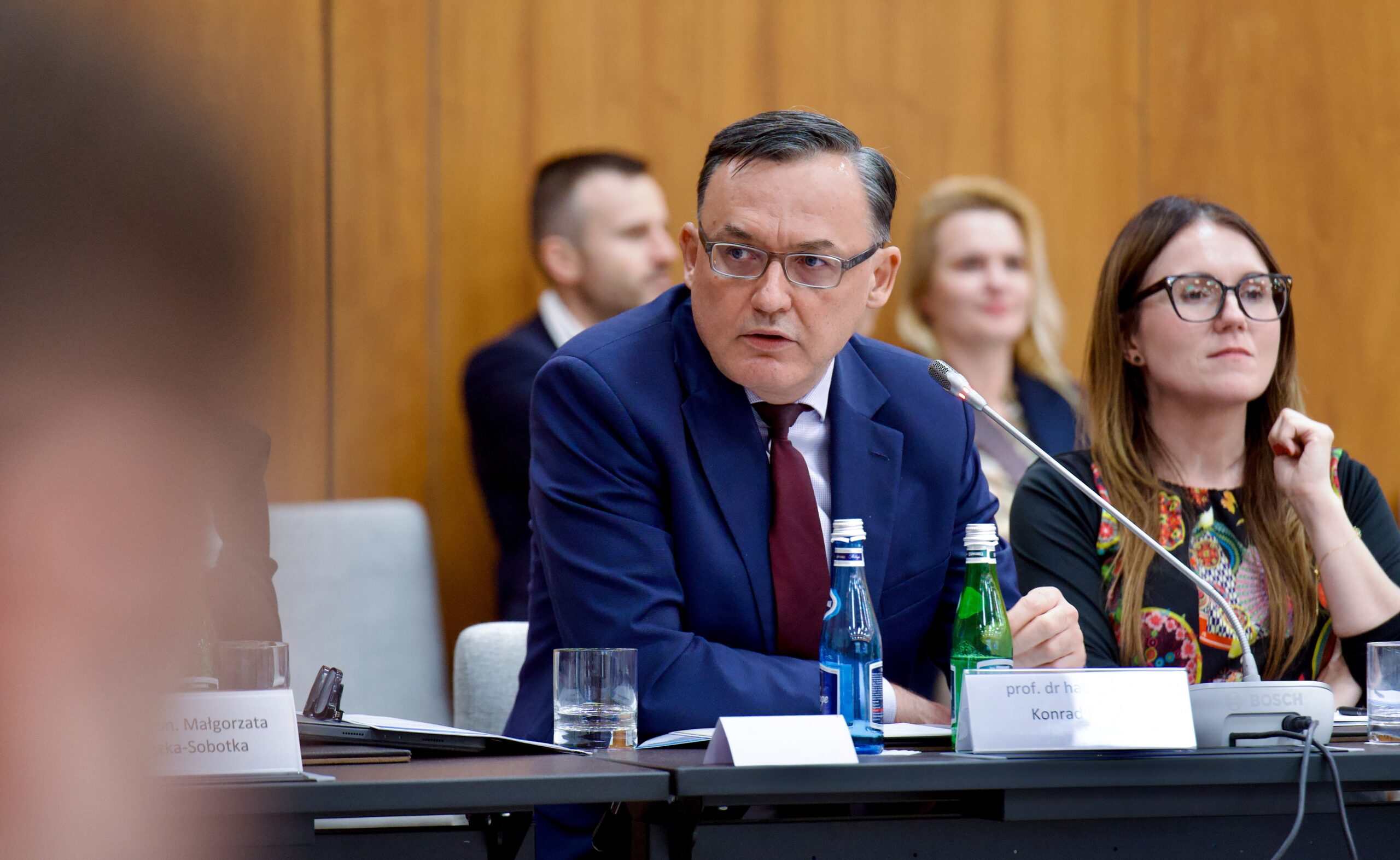
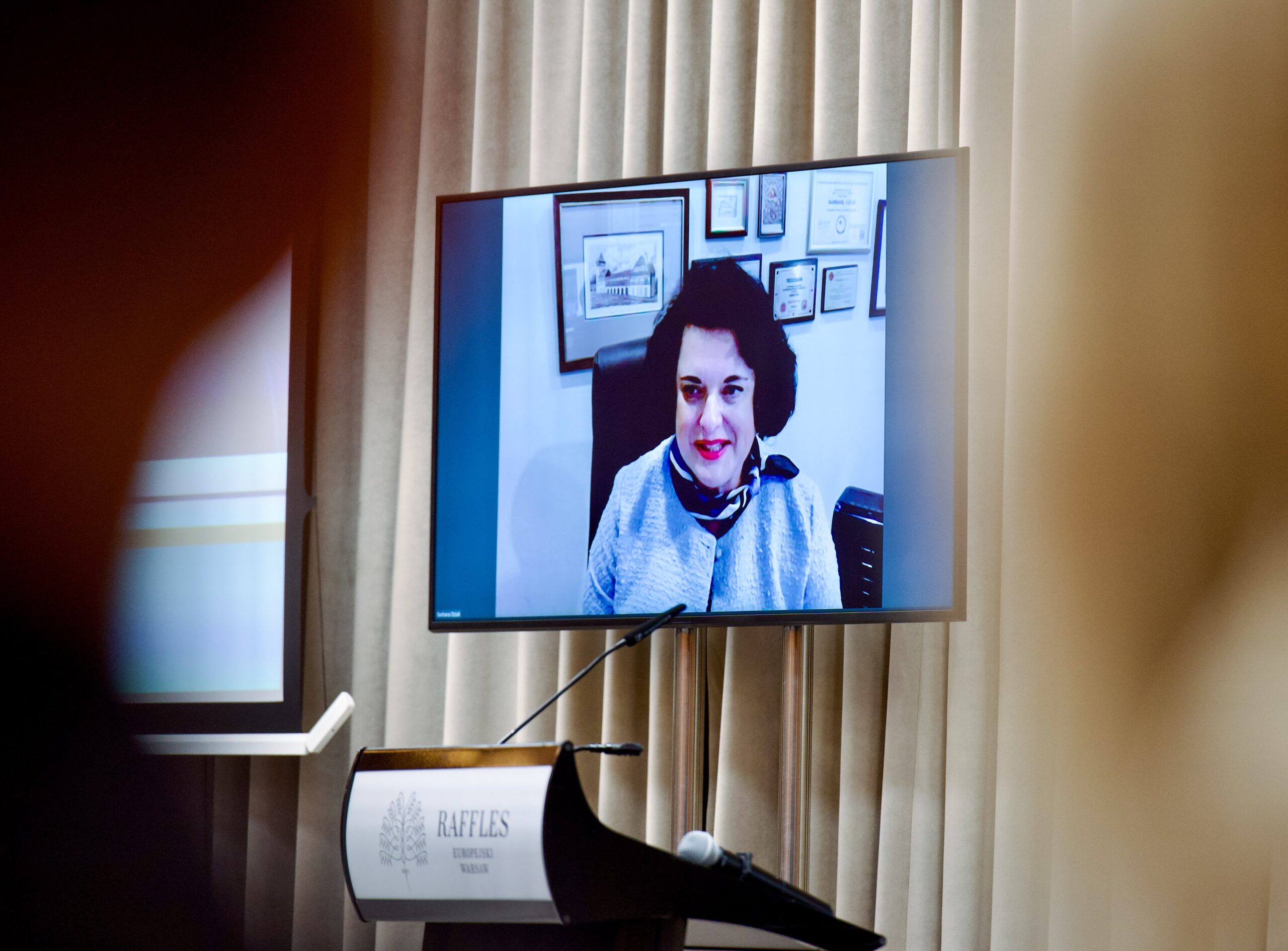
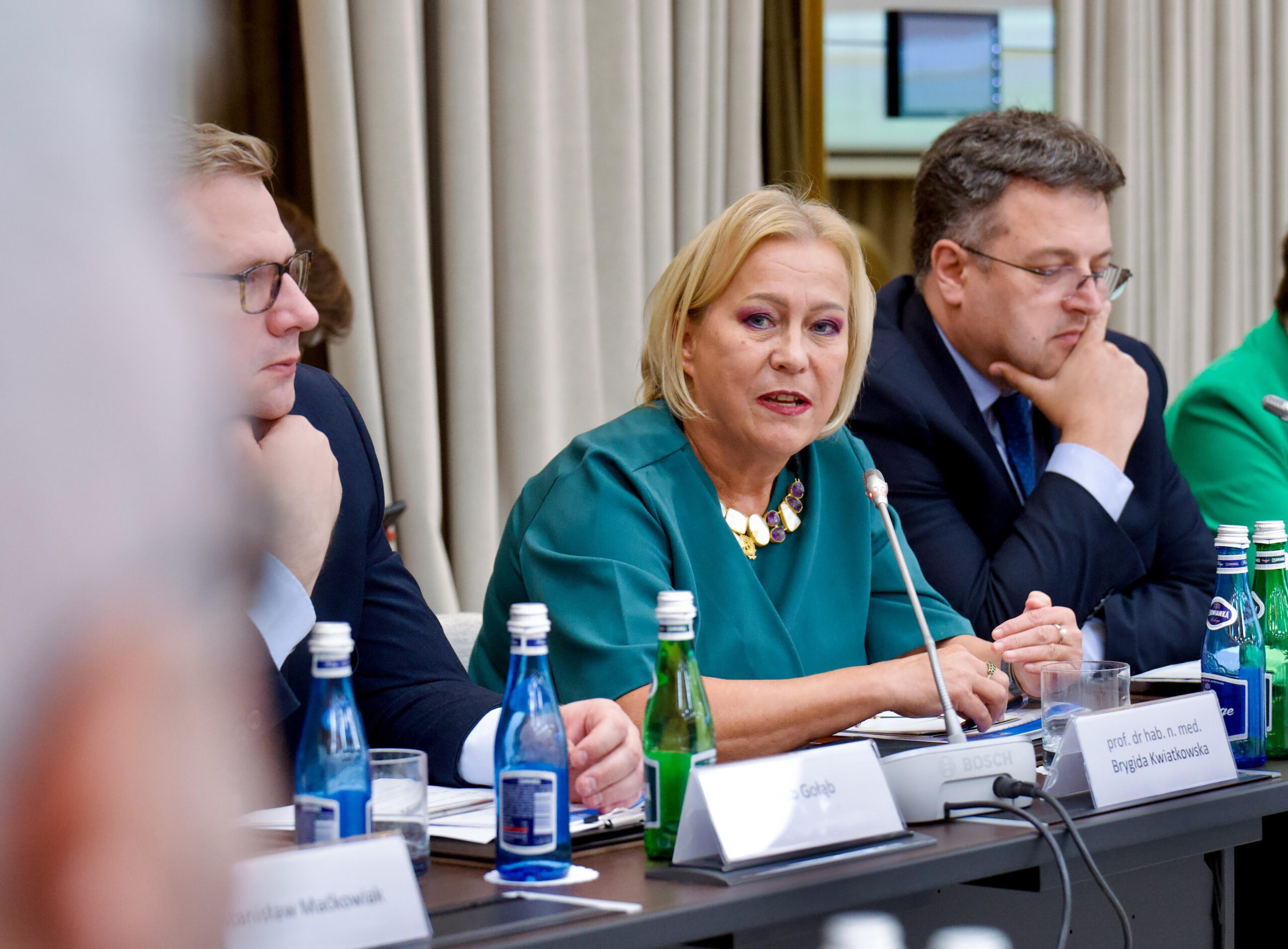
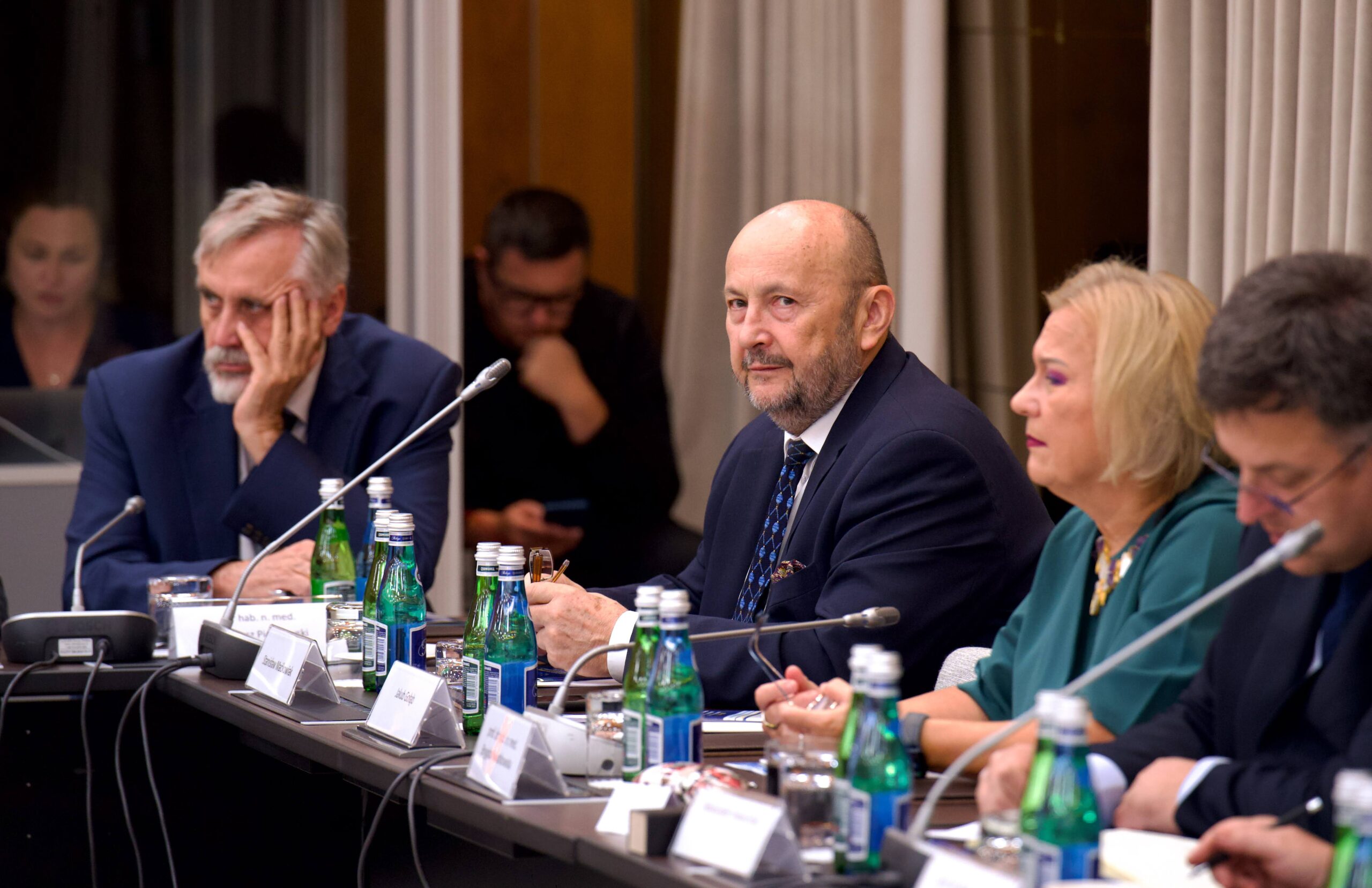
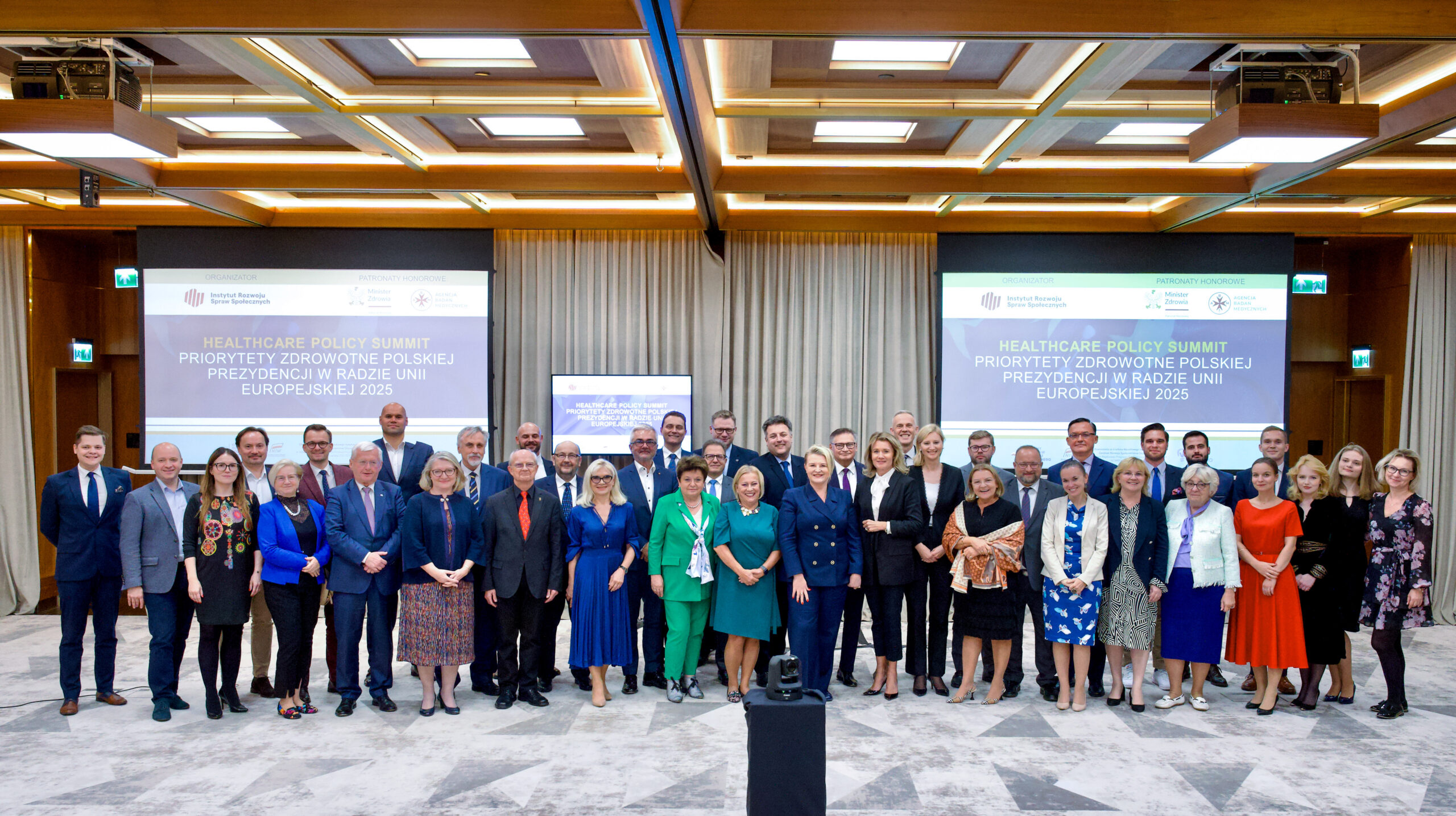
On January 1, 2025, Poland will assume the Presidency of the Council of the European Union. As part of the 18-month rotating trio of countries, Poland will help shape the EU’s long-term goals and prepare a joint agenda for the Council’s work. On October 4, experts and public administration representatives discussed the priorities, directions, and challenges related to Poland’s upcoming presidency during the “Healthcare Policy Summit: Health Priorities of the Polish Presidency of the EU Council 2025,” organized by the Institute for the Development of Social Affairs.
The honorary guest of the event was Rik Van Droogenbroeck, Ambassador of the Kingdom of Belgium to Poland and Lithuania. “During our presidency, we will consider how the European Union can support member states’ healthcare systems. We will also propose innovations to better meet previously overlooked needs and work on promoting and preventing health issues across the broader population,” said the ambassador.
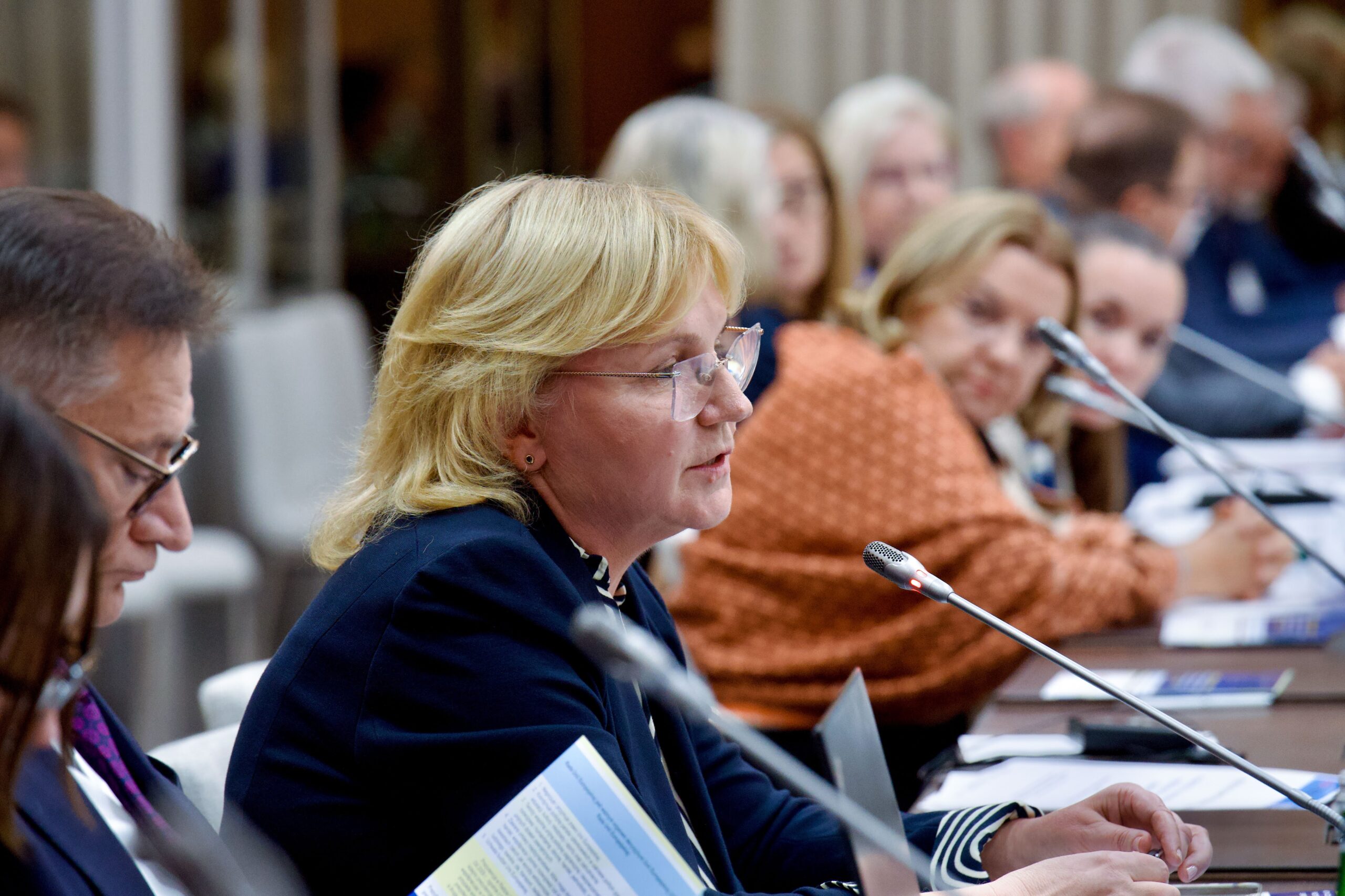
Małgorzata Bogusz, President of the Institute and member of the European Economic and Social Committee, emphasized the organization’s commitment to not only in-depth health discussions but also actively shaping health policies. “We formulate optimal systemic solutions through exchanges between policymakers, clinicians, scientists, patient organizations, and business representatives,” she said, adding that the goal is to support the Ministry of Health and contribute to the success of Poland’s presidency.
The expert debate focused on health priorities across various fields. In a letter to participants, Health Minister Katarzyna Sójka highlighted the presidency as both a challenge and an opportunity for the Polish healthcare system.
Prof. Piotr Czauderna, Chair of the Presidential Council for Health Protection, stressed that prevention is the least costly way to improve public health. He noted the challenges posed by aging populations and the need for elder independence, community care, and access to geriatricians.
Prof. Bolesław Samoliński recalled Poland’s 2011 EU presidency and emphasized learning from experience. According to Article 168 of the Treaty on the Functioning of the European Union, the EU supports national policies, especially in cross-border health, education, and prevention issues.
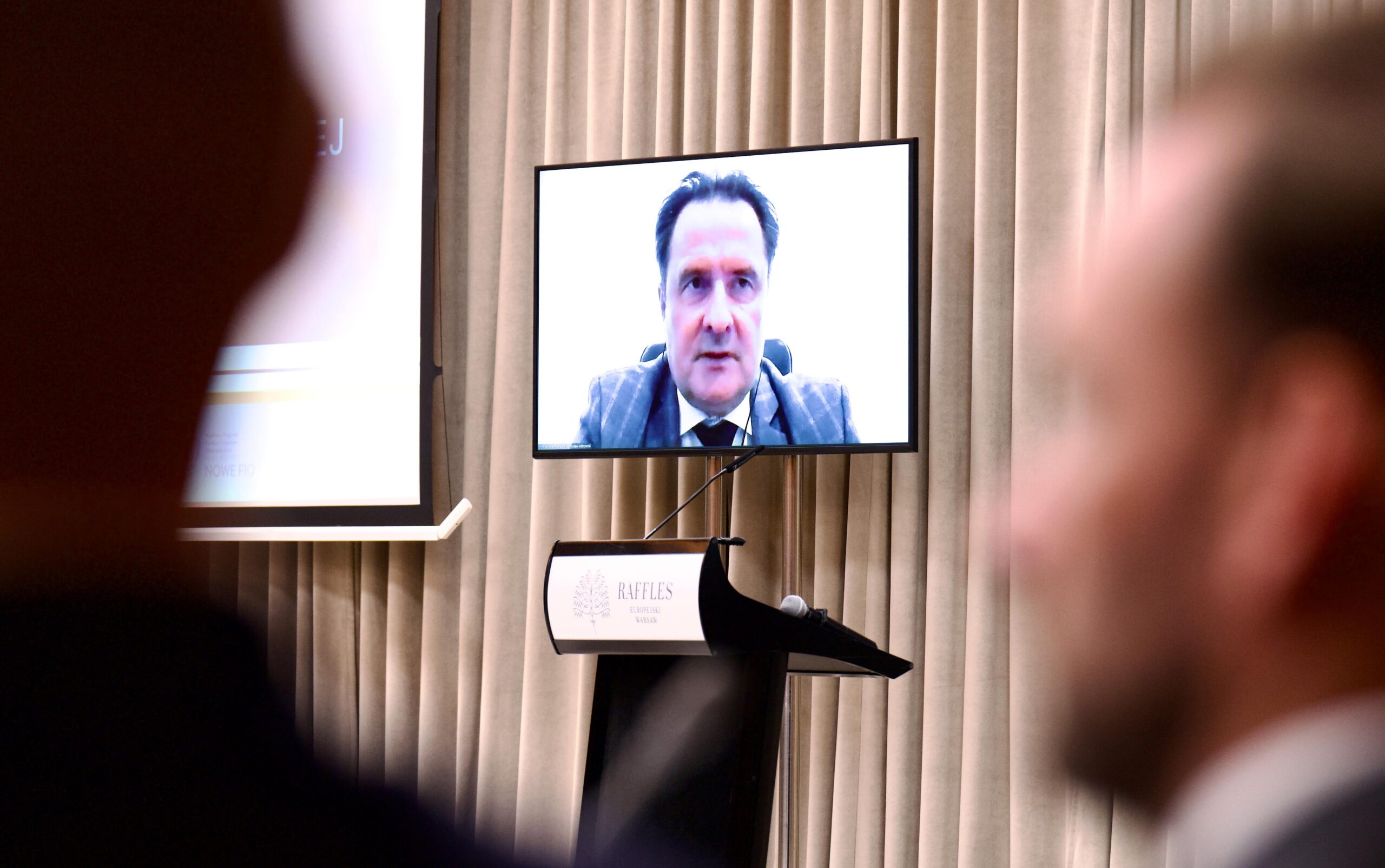
Dr. Jarosław Waligóra from the European Commission’s DG SANTE emphasized long-term perspectives, noting priorities like medicine access, medical device regulations, and antimicrobial resistance. He highlighted the importance of digitalization and AI, stressing the need for public trust.
Piotr Węcławik from the Ministry of Health focused on digital transformation and cross-border cybersecurity, especially for medical devices and communication technologies.
Dr. Rafał Staszewski of the Medical Research Agency discussed the agency’s ambition to co-shape healthcare, not just fund research. He underscored access to medicines, telemedicine, AI, and clinical trials—especially non-commercial ones.
Rare Diseases:
Prof. Anna Kostera-Pruszczyk highlighted that 40% of neurological diseases are rare and stressed access to modern diagnostics and strengthening expert centers.
Prof. Jolanta Sykut-Cegielska emphasized newborn screening and harmonizing screening programs across Europe.
Prof. Piotr Podolec called for well-equipped diagnostic centers and integrating telemedicine for outpatient care.
Prof. Beata Kieć-Wilk raised the issue of care for adults with rare diseases, calling for broader specialization in reference centers.
Cardiology:
Prof. Robert Gil emphasized Poland’s success in acute coronary syndrome treatment networks but called for better post-hospital care and rehabilitation.
Prof. Przemysław Mitkowski highlighted the prevalence of cardiovascular disease and the need for tools to meet treatment goals, especially in an aging population.
Oncology:
Prof. Tadeusz Pieńkowski proposed a European mammography database, incorporating molecular and clinical data, and risk assessment algorithms. Prevention, lifestyle promotion, access to screenings, and vaccines are crucial.
Neurology:
Prof. Konrad Rejdak stressed neurology’s strategic role and the need to address cognitive and motor disabilities associated with aging.
Psychiatry:
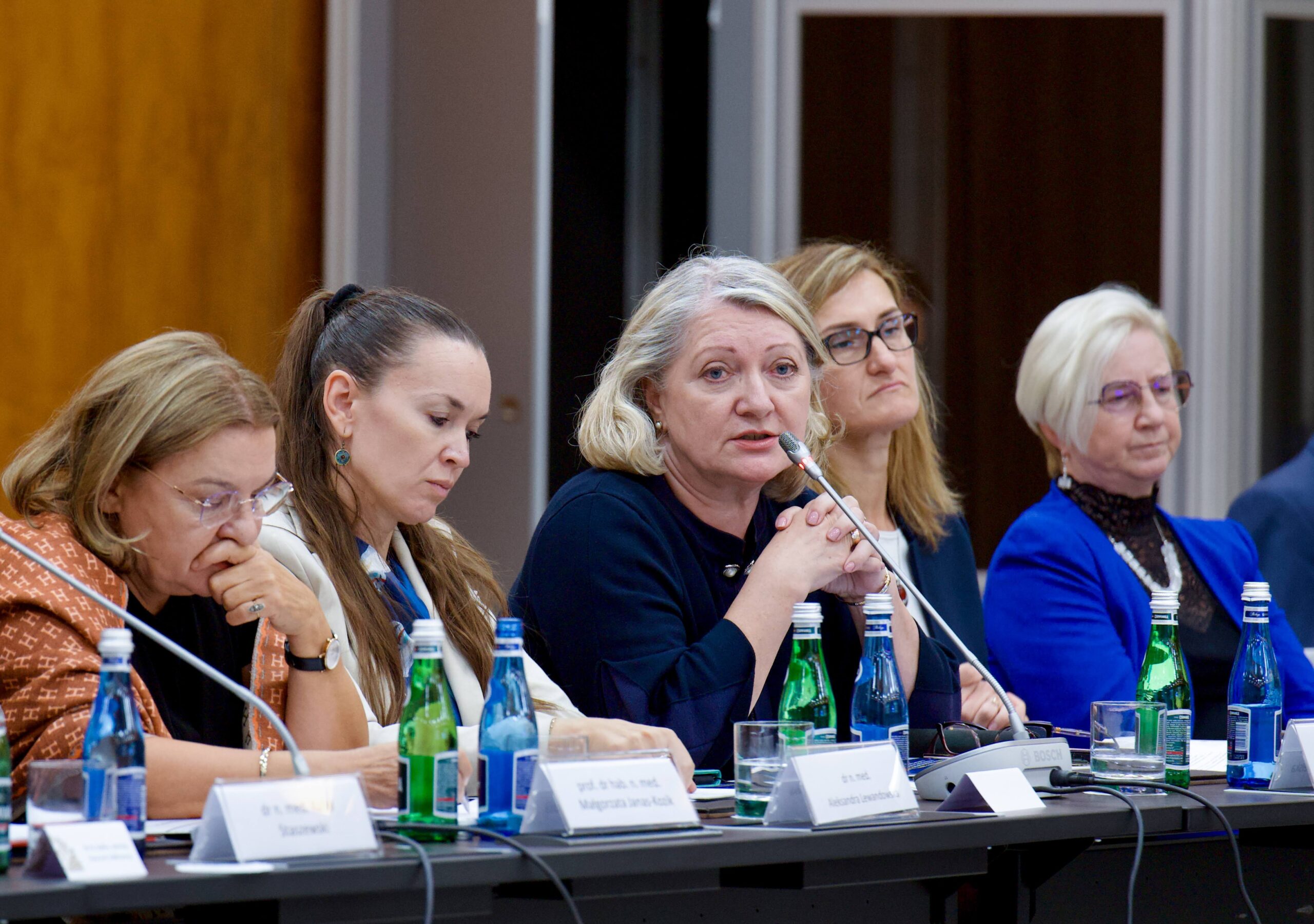
Prof. Małgorzata Janas-Kozik presented Poland’s child and youth psychiatry reform as a potential EU model. Dr. Aleksandra Lewandowska noted depression as the leading cause of disability among youth and stressed the need for broader access to specialists and preventive action.
Industry and Patient Voices:
Grzegorz Rychwalski called for supporting EU-based drug production.
Arkadiusz Grądkowski emphasized the need for digital medical data exchange and streamlined device accreditation.
Stanisław Maćkowiak advocated for a genetic testing law and emphasized home/ambulatory treatment for rare disease patients.
Jakub Gołąb stressed early education and reducing health inequalities, echoing the 2011 presidency priorities.
Summary:
The kickoff discussion on Poland’s 2025 presidency took place on September 6 at the Economic Forum in Karpacz. The Ministry of Health announced three key priorities: digital transformation of healthcare, health promotion and prevention, and healthcare in the context of demographic change. The Institute for the Development of Social Affairs will compile a White Paper as an expert contribution, aimed at preparing for the presidency and improving healthcare across Europe.