
Projects
backIn times of crisis, we must ensure a resilient and stable healthcare system.
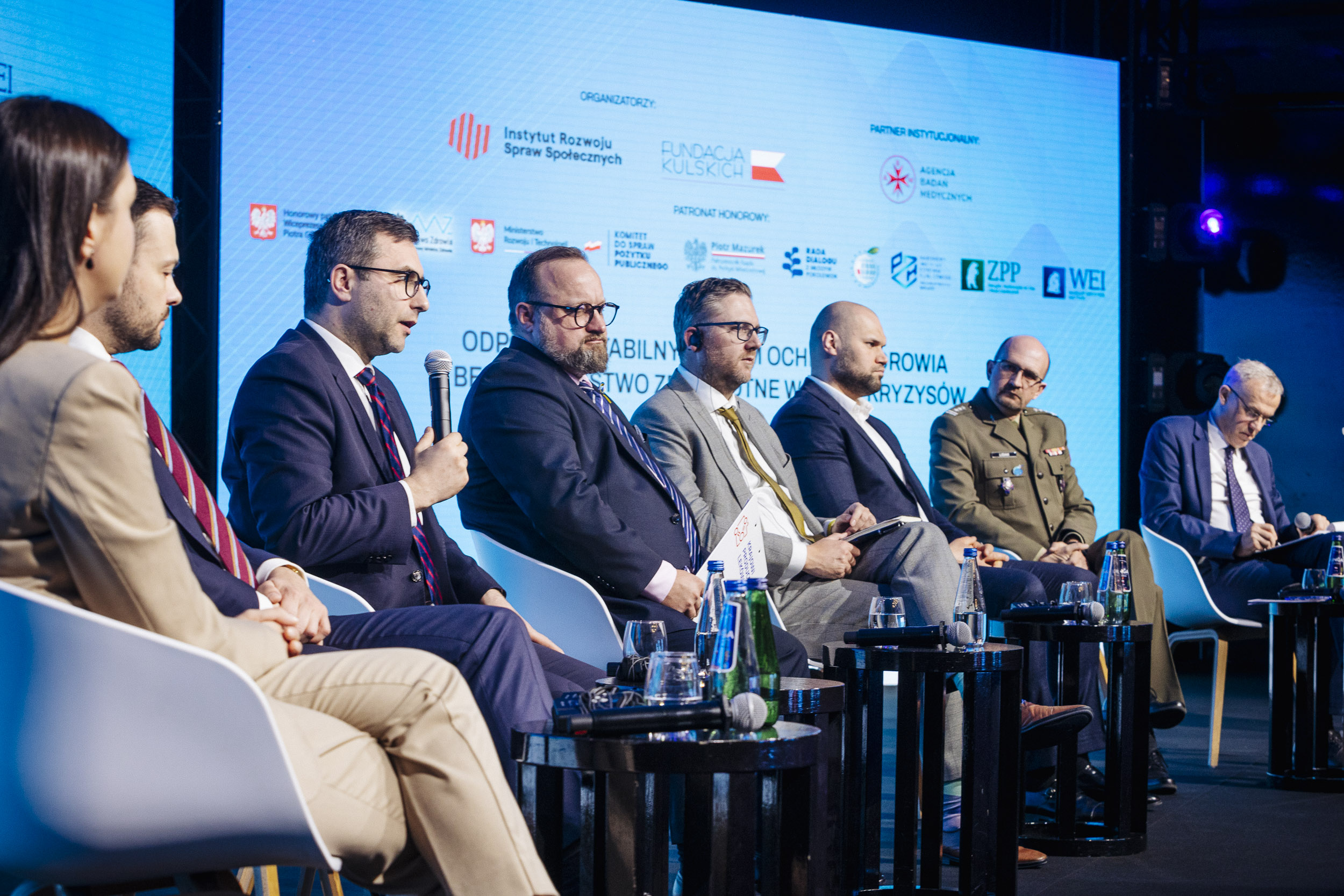
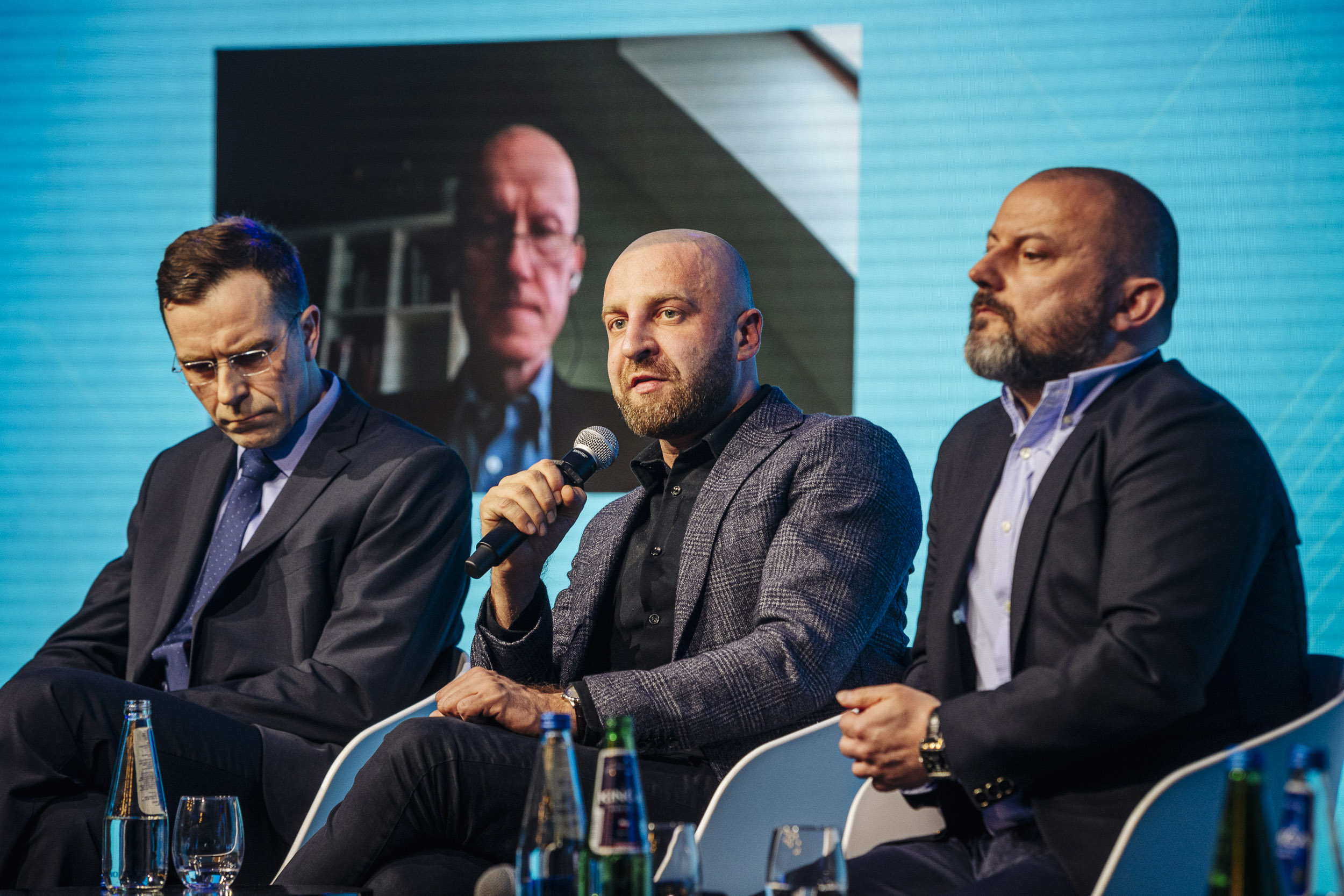
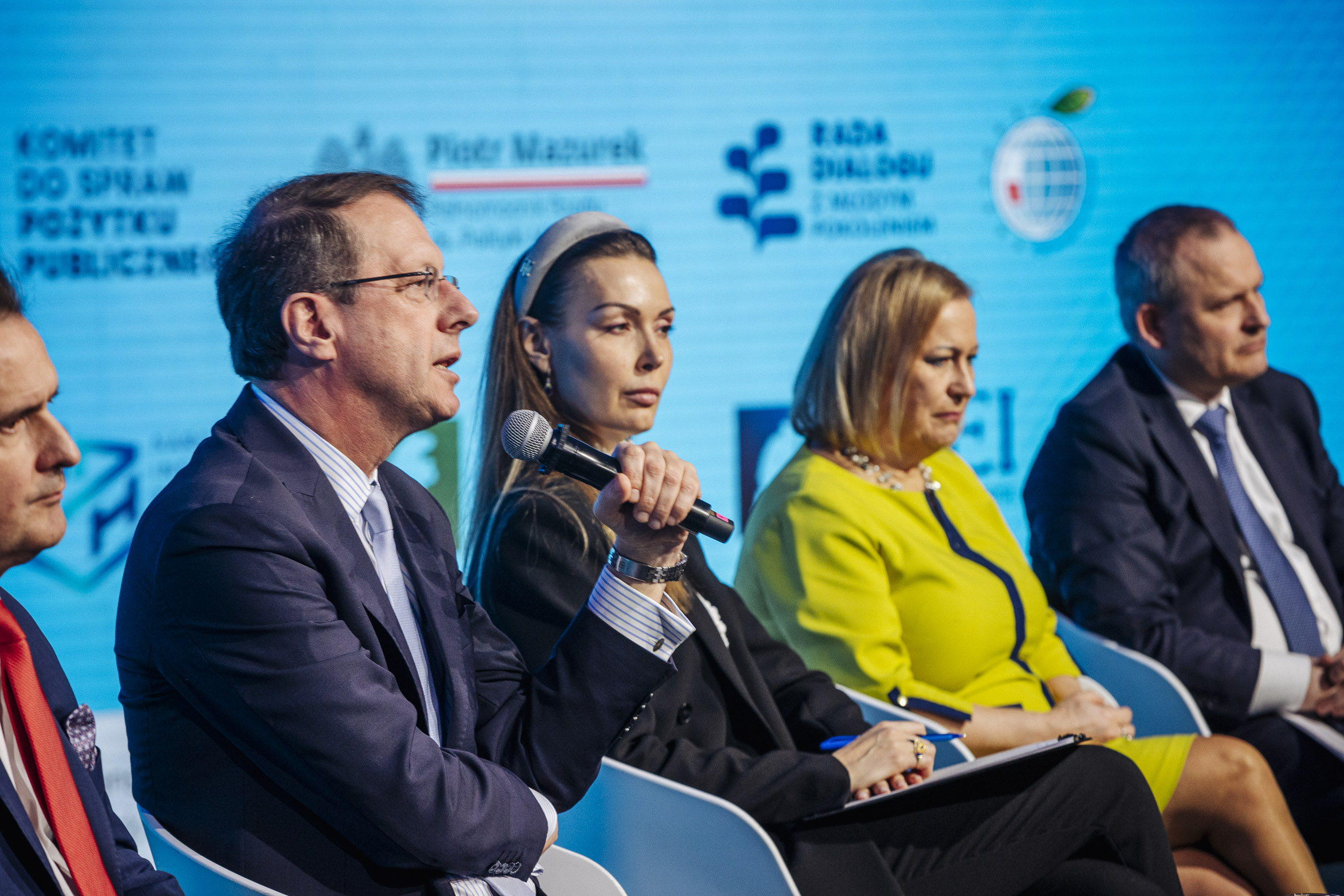
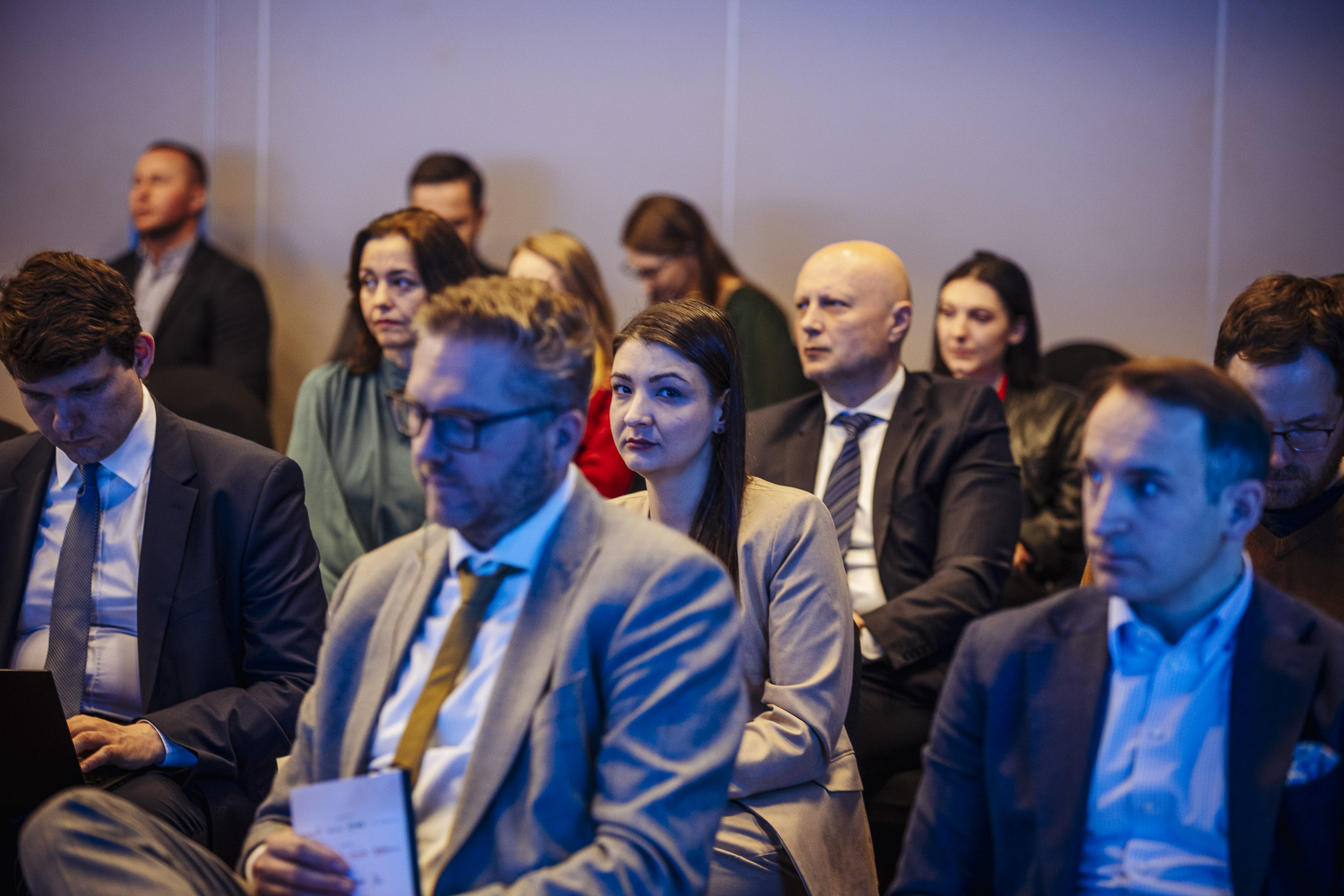
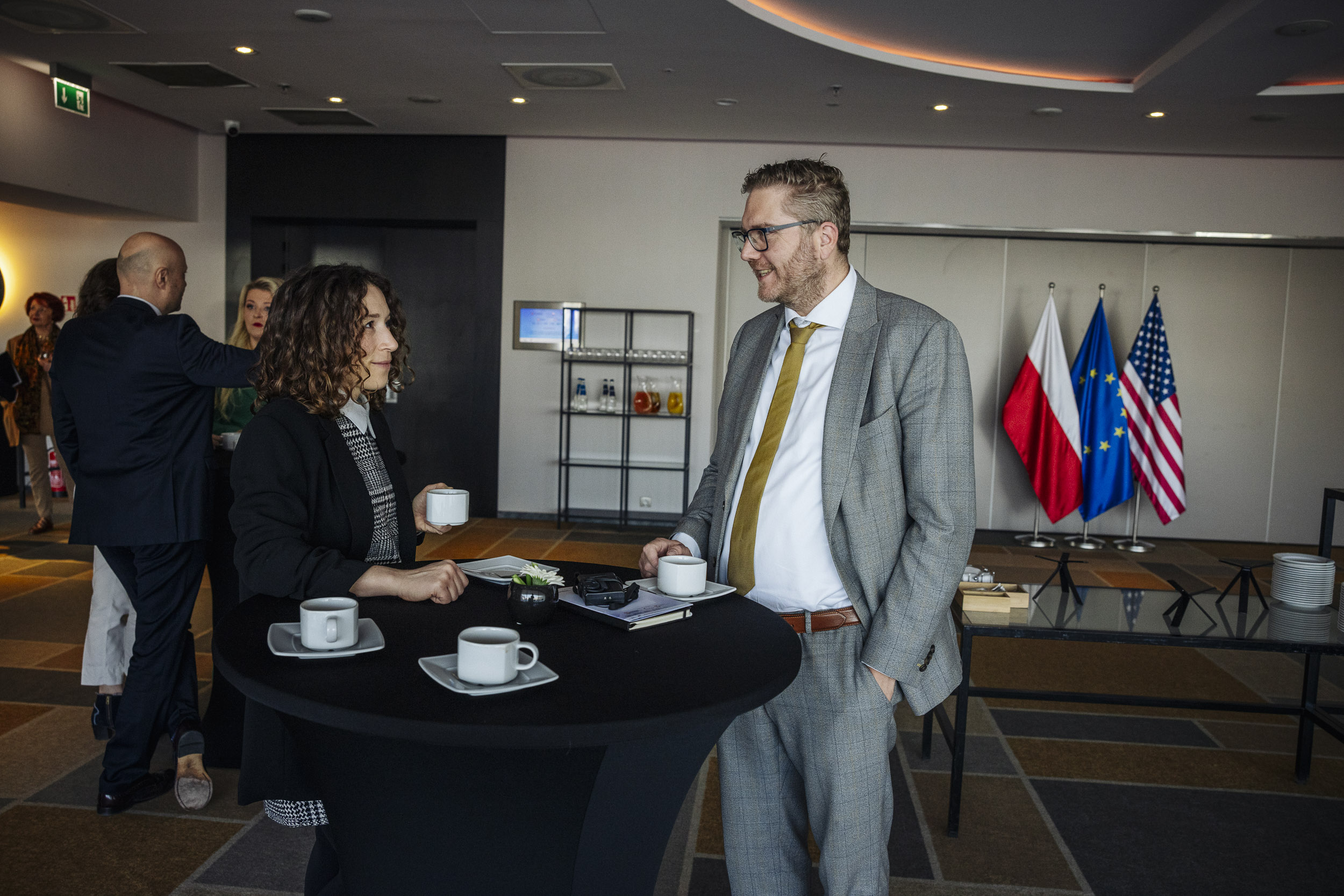
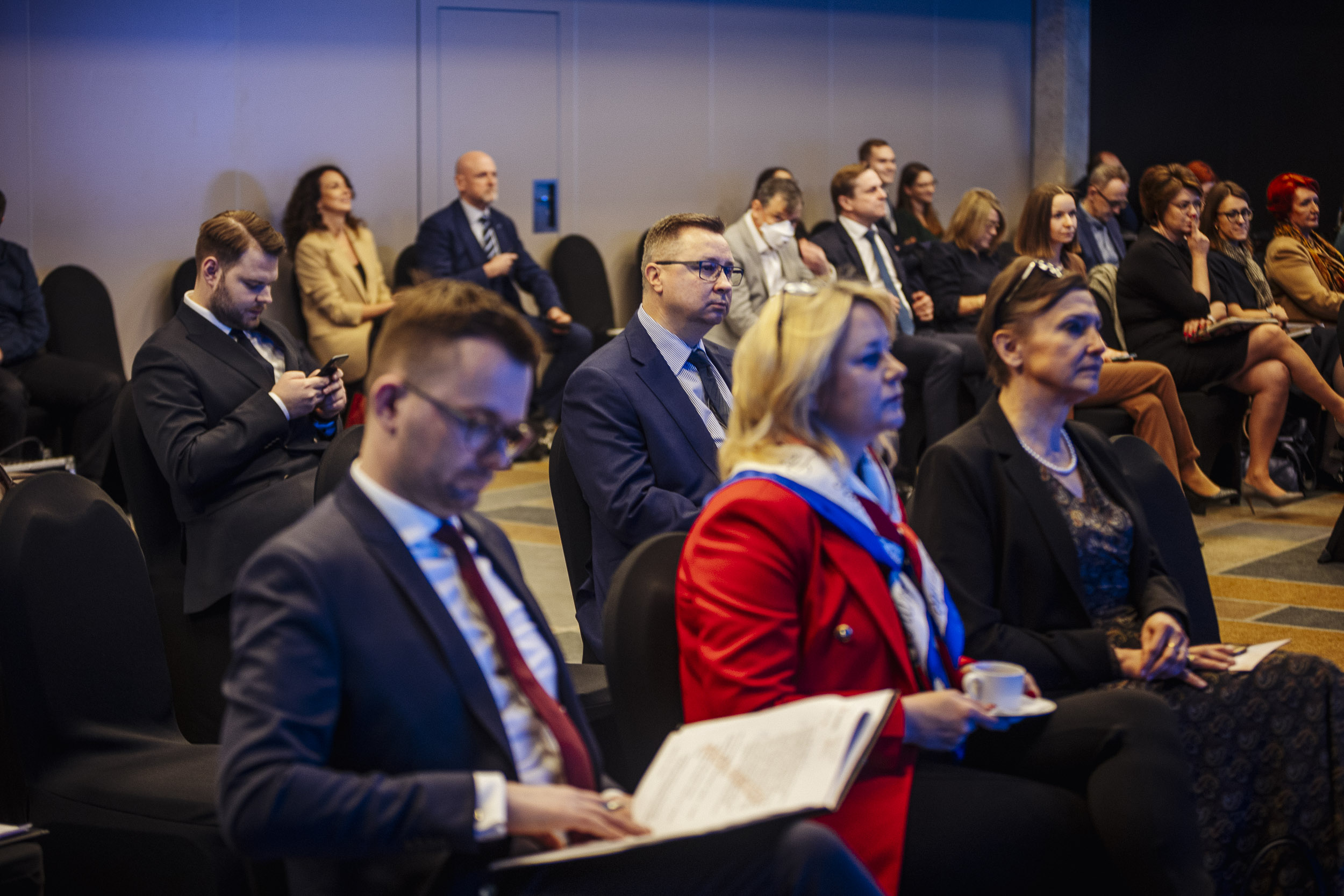
After four waves of COVID-19 and as a result of the Russian Federation’s attack on sovereign Ukraine, alongside the pandemic crisis, Poland faces the humanitarian consequences of war on a daily basis. Over 2.7 million refugees who have come to Poland, the growing demand for medicines, dressings, medical equipment, and the most basic products in our eastern neighbor place enormous challenges before the Polish government and healthcare system entities. How to ensure system stability in times of crisis was the subject of the conference “A Resilient and Stable Healthcare System – Health Security in Times of Crisis,” organized by the Institute for the Development of Social Affairs and the Kulscy Foundation. The institutional partner of the event was the Medical Research Agency.
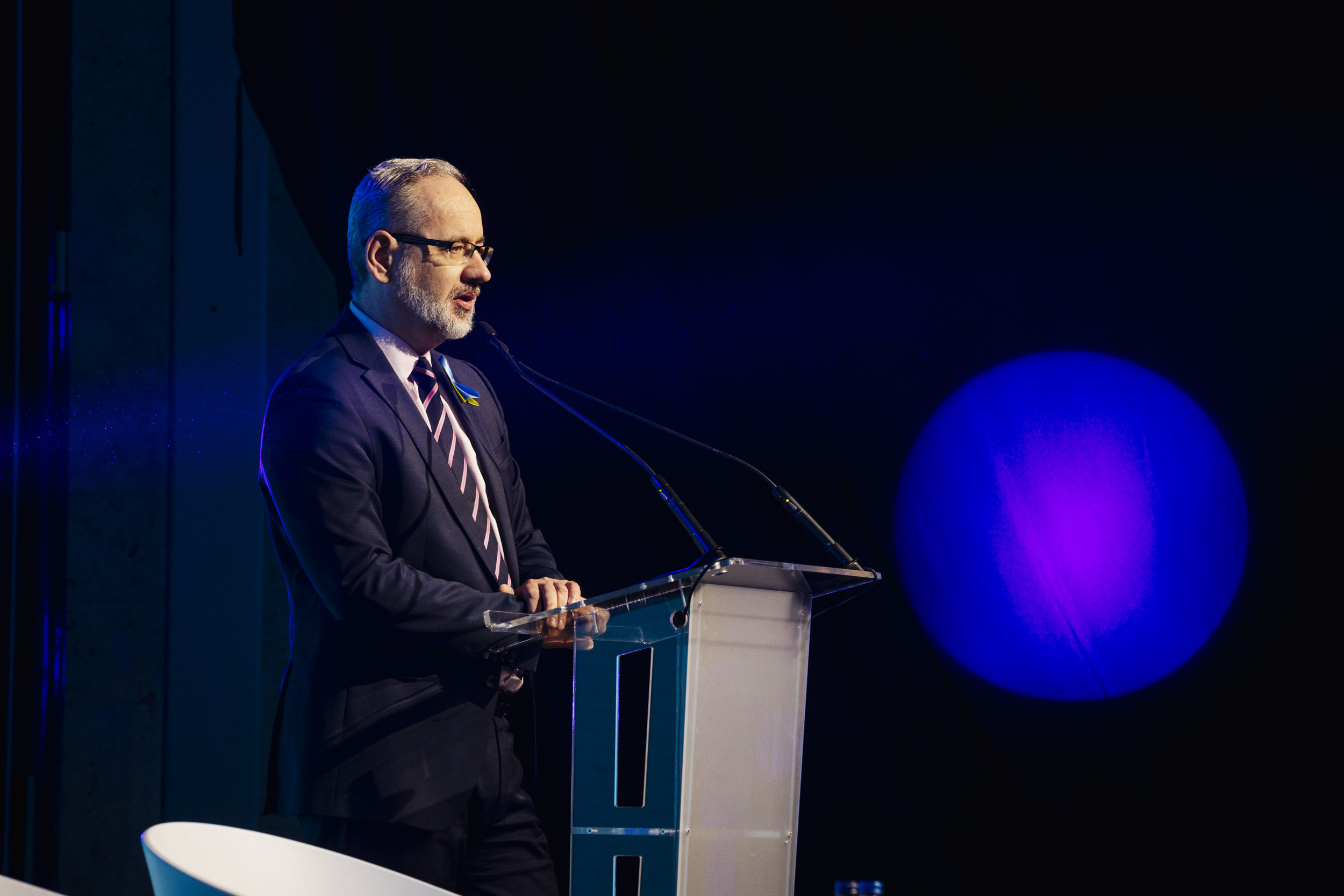
“The healthcare system must be resilient and stable. It should be based on solid pillars: financial guarantees, stable personnel, digitization, prevention, and building pharmaceutical autonomy,” emphasized Minister of Health, Dr. Adam Niedzielski, who attended the conference.
As noted by Małgorzata Bogusz, President of the Institute for the Development of Social Affairs, President of the Kulscy Foundation, Member of the European Economic and Social Committee, the healthcare system must cope with challenges that cannot be predicted. “Fortunately, many people and companies got involved in helping Ukraine, in the spirit of the Scottish proverb quoted by Winston Churchill. We urgently need to find answers on how to change, among others: the drug market, prevention, diagnostics,” she said.
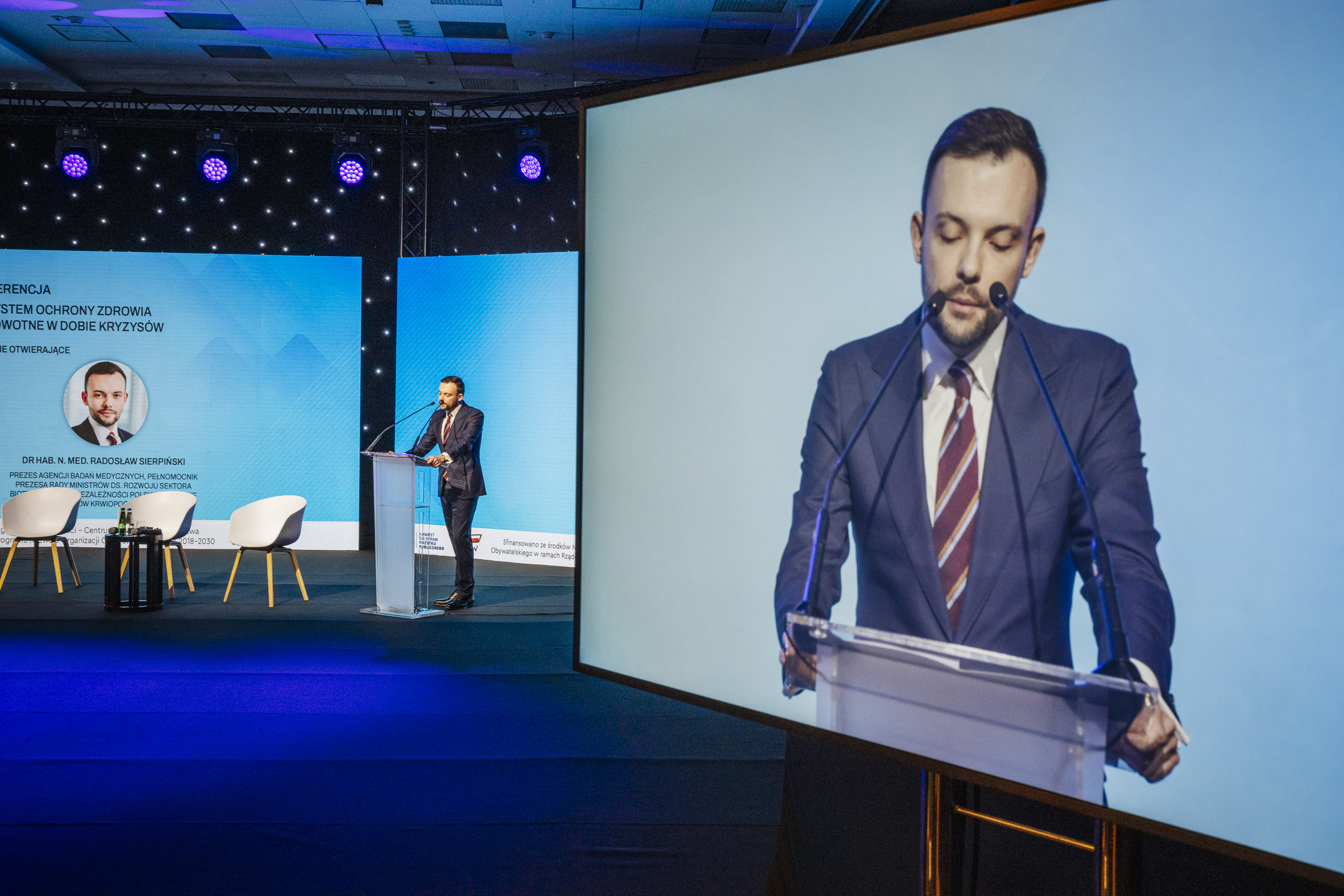
There was also a discussion about the massive influx of refugees from Ukraine to Poland, mainly women and children. “It is crucial to provide them access to medical services. In addition, we must prepare to offer psychological support, especially for children. This enormous challenge requires support from the European community,” appealed Dr. Radosław Sierpiński, President of the Medical Research Agency, Plenipotentiary of the Prime Minister for the Development of the Biotechnology Sector and Poland’s Independence in Blood-Derived Products.
Minister Adam Niedzielski noted that we are talking about helping people, not just technocratic solutions. “We help Ukrainians as families, welcoming them into homes, not refugee camps. The idea of help has the face of a child who bears the consequences of war on various levels. Since the beginning of the aggression, there have been many declarations of help, for example from the European Commission, but words do not translate into financial support. Poland bears the entire burden,” he stated.
According to him, healthcare for every million refugees costs around PLN 300 million. Therefore, a financing mechanism must be created. It is not enough to make declarations; they must be given a concrete dimension.
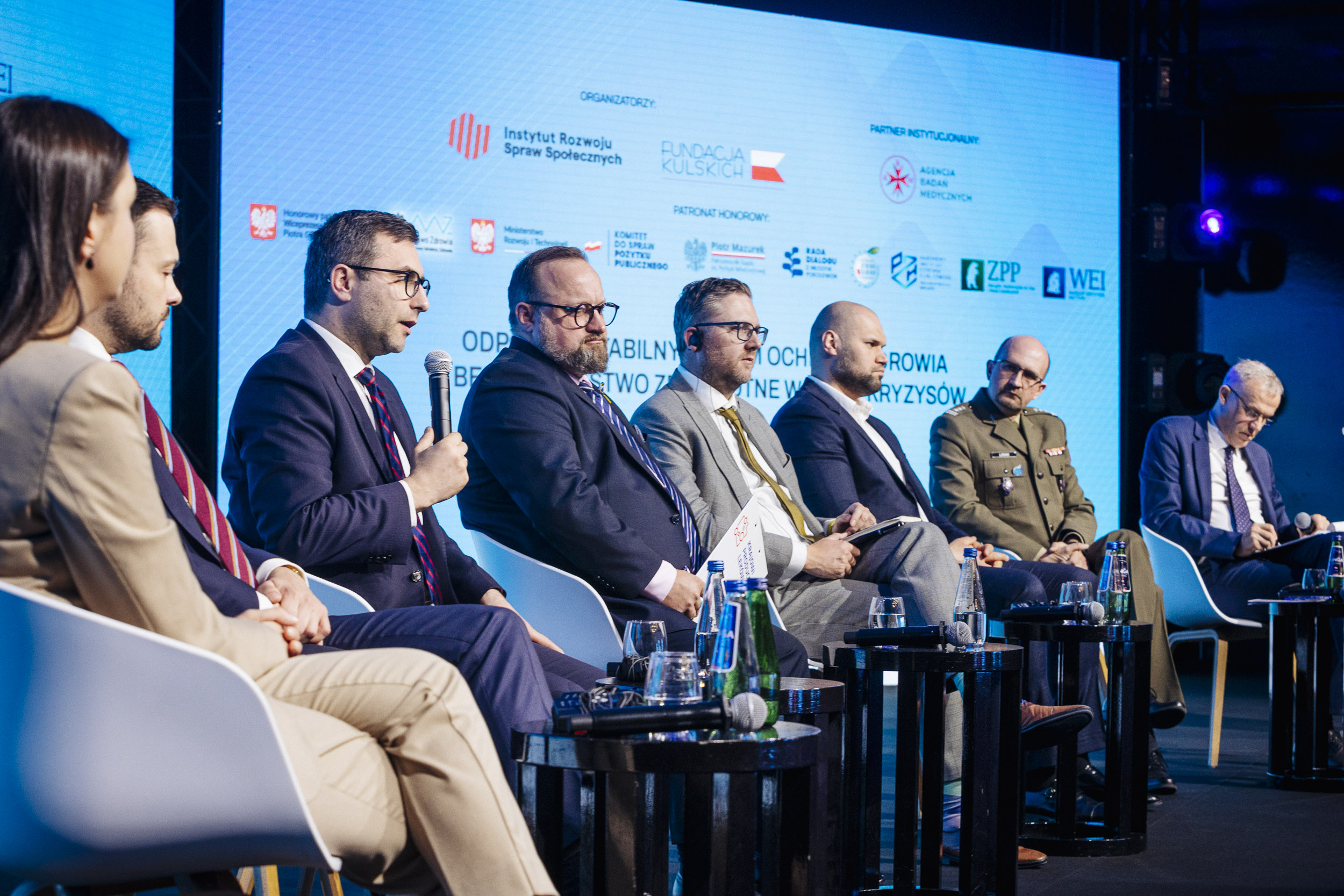
The first panel, moderated by Dr. Jakub Gierczyński, MBA, healthcare system expert, Member of the Expert Council at the Patient Rights Ombudsman, concerned Poland’s security in access to medicines and medical products in the current crises. “We must be self-sufficient in drug supply. Basic medications used by several million Poles are important. We must be independent, also from supply chains that may be disrupted. This is the purpose of the two billion PLN to be spent in the coming years on drug security,” informed Dr. Radosław Sierpiński.
Krzysztof Kopeć, President of the Polish Union of Employers in the Pharmaceutical Industry, argued that “drug security is just as important as energy or physical security.” “Now we are seeing the consequences of decisions made over the past 30 years about mass deliveries of active substances from China. We need to consider how to change that and start thinking about whether the medicine will arrive in a crisis,” he proposed.
Maarten Van Baelen, Executive Director of the Plasma Protein Therapeutics Association (PPTA), argued that in difficult times it is essential to stockpile and ensure uninterrupted blood supplies and increased plasma collection. “We have growing needs for blood-derived and plasma-derived medicines in both Poland and Europe,” he assured.
Ensuring constant availability of medical devices is also important. “We have to fight for them, take care of availability. Unfortunately, the medical device market is unregulated, just like the drug market was a few years ago. It’s worth creating a system and procedures,” argued Arkadiusz Grądkowski, President of the National Chamber of Medical Device Manufacturers POLMED.
In times of crisis, stockpiles and their distribution methods play a vital role. Michał Kuczmierowski, President of the Government Strategic Reserves Agency, argued that “active pharmaceutical substances are often produced abroad and will become unavailable in a crisis. Therefore, we must secure stockpiles and production lines.” “The government strategic reserves program includes medicines. It does not cover all needs but allows for a breather, a moment of relief in case of threat,” he added.
Katarzyna Rumiancew, Chief Analyst at the Warsaw Enterprise Institute, pointed out the underestimated role of pharmacists. “Pharmacists’ skills should be effectively used to ease the burden on primary care centers during the first patient contact. Pharmacists are not just medicine sellers; they have specific medical knowledge, which is often sufficient at the first point of contact. For example, measuring blood pressure or renewing a prescription doesn’t require involving primary care doctors,” she argued.
Lieutenant Colonel Emil Lisiak from the Department of Military Health Services at the Ministry of National Defense noted that military and civilian medicine are two interpenetrating systems, and it is important to unify procedures and develop common standards for crisis situations.
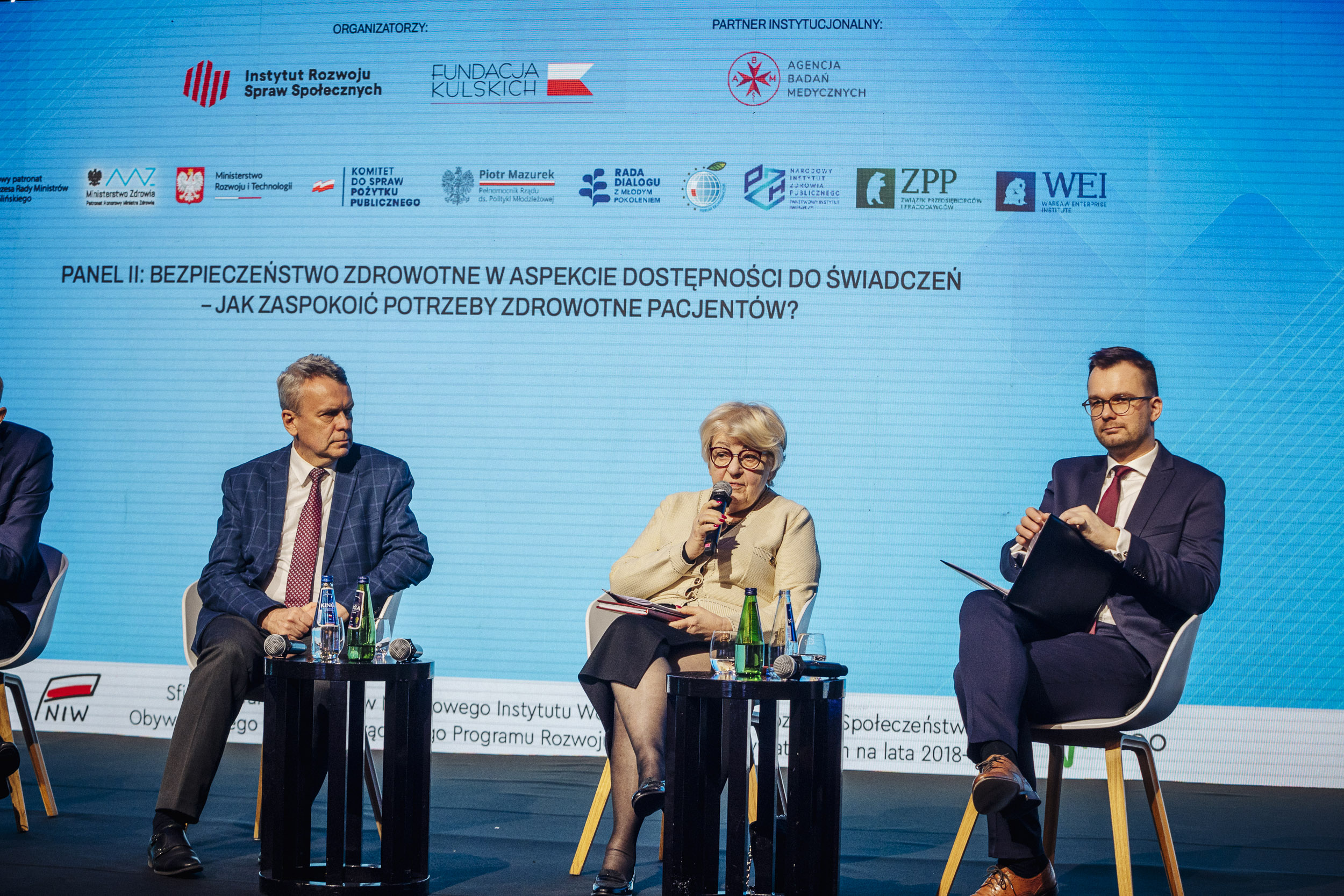
The second panel, titled “Health security in terms of access to services – how to meet patients’ health needs?” focused on how the pandemic halted increases in life expectancy indicators. Prevention and public education became most important.
“Government programs are being created; soon we will see the first effects in grades 1–6 in schools. A new medical profession has also emerged – the prevention specialist,” informed Dr. Grzegorz Juszczyk, Director of the National Institute of Public Health – NIH.
For Grzegorz Błażewicz, Deputy Patient Rights Ombudsman, education is also the most important. The future shape and capacity of the healthcare system depend on it.
“Taking care of one’s health is most important for Poles – external factors like the pandemic also matter. We need consistency in data collection to clearly understand what we are dealing with. We try to identify risk factors and address them, because then hospital treatment may be avoided,” argued Dr. Roman Topór-Mądry, President of the Agency for Health Technology Assessment and Tariff System.
Maciej Karaszewski, Deputy Director of the Healthcare Services Department at the National Health Fund, highlighted financial issues. “We have increased valuations, hospitals will receive a cash injection,” he assured.
Due to the pandemic debt and war, the importance of child and adolescent psychiatry will grow. The ongoing reform is expected to bring significant changes.
“We have introduced community counseling centers that relieve some mental health clinics. We are launching a specialization in child and adolescent psychotherapy, available also to psychologists, not just doctors. We are introducing a new profession – community therapist for children and adolescents. About a thousand specialists will appear in the system,” said Prof. Małgorzata Janas-Kozik, Head of the Department and Clinical Ward of Developmental Psychiatry and Psychotherapy at the Medical University of Silesia in Katowice, plenipotentiary of the Minister of Health for child and adolescent psychiatry reform.
Pharmacists can play an important role in meeting patients’ health needs. “Ukrainians approach pharmacists for medications, such as sedatives, which are available over-the-counter in their country but require a prescription here. Often, the pharmacist has to explain how our system works and outline the procedure,” noted Dr. Anna Kowalczuk, Director of the National Medicines Institute.
The third panel was dedicated to health security in lifestyle diseases.
“The main problem is cardiovascular diseases, heart and blood vessel disorders. These are the main causes of disability. We have managed to solve the problem of refunding further groups of drugs used in heart failure. Huge changes have occurred in diabetes treatment. We dream of shared data on patient treatment paths, which would improve the treatment process,” said Maciej Miłkowski, Undersecretary of State at the Ministry of Health, in his keynote speech.
The sector has prepared a 10-year National Cardiovascular Disease Program, somewhat modeled on the oncology strategy. Its value is up to PLN 3 billion.
“The most important things are prevention, lifestyle changes, innovations in pharmacotherapy, and modern procedures. The program shortens the patient’s path; no more than 30 days should pass from a family doctor to a specialist. The program will change the face of cardiology and patients’ chances,” assured Prof. Tomasz Hryniewiecki, Chairman of the National Council for Cardiology, National Consultant in Cardiology.
Cardiologists and diabetologists often share the same patients. Can and how can we stop this trend? Prof. Leszek Czupryniak, Head of the Clinic of Diabetology and Internal Diseases at UCK WUM believes that a lifestyle change is necessary not only for the patient but for the entire family and environment. Of course, innovative medicines are also helpful.
The situation is similar for kidney diseases. “Diagnostics are crucial; without it, we will not cope with lifestyle diseases. We need drugs that will be administered as early as possible; hence detection plays a key role,” said Prof. Tomasz Stompór, Head of the Department of Nephrology, Hypertension and Internal Diseases and Chair of Internal Diseases at the Faculty of Medical Sciences at the University of Warmia and Mazury in Olsztyn.
Prof. Brygida Kwiatkowska, National Consultant in Rheumatology, Head of the Early Arthritis Clinic, Deputy Director for Clinical Affairs of the National Institute of Geriatrics, Rheumatology and Rehabilitation in Warsaw, confirmed that “patients must be treated at an early stage, which is why early disease detection is very important.”
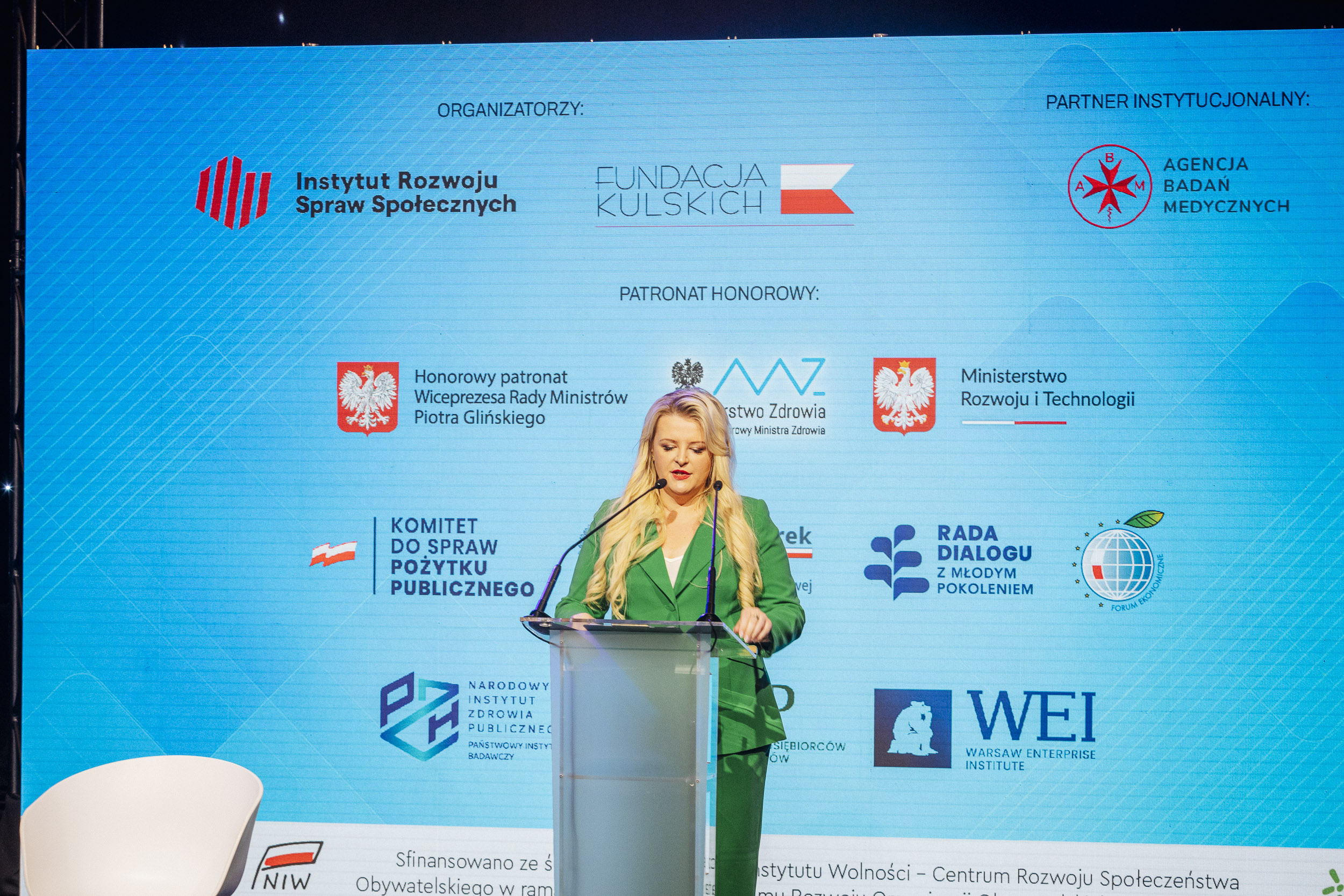
The second part of the conference “A Resilient and Stable Healthcare System – Health Security in Times of Crisis” was opened by a speech from Piotr Mazurek, Secretary of State in the Chancellery of the Prime Minister, Vice-Chairman of the Public Benefit Committee, Government Plenipotentiary for Youth Policy. He pointed out the enormous role of civil society in overcoming successive crises that Poland has faced in recent years – the coronavirus pandemic and Russia’s aggression against Ukraine and the influx of millions of war refugees.
“In the face of all these challenges, our country continually passes the test, but such effective aid – both during the pandemic and now – would not be possible without an active, well-organized civil society,” emphasized Minister Piotr Mazurek.
As an example of successful cooperation between the third sector and public authorities, he mentioned the Solidarity Senior Support Corps, through which hundreds of social entities were involved in providing coordinated assistance to those most in need during the first months of the pandemic.
“It is similar today – we have a real army of volunteers, social activists, NGOs, and scouts who immediately sprang into action to support people arriving in Poland from Ukraine. From the beginning, they could count on help from state institutions whose role was to coordinate grassroots initiatives – in all 16 provinces, voivode plenipotentiaries were appointed to ensure ongoing dialogue and information exchange between social organizations and the government,” said Minister Piotr Mazurek.
The minister emphasized that government administration support for the broadly understood third sector also has a financial dimension.
“Never in the history of Poland has so much public funding gone to NGOs as now. Before Deputy Prime Minister Prof. Piotr Gliński’s 2017 reform, we had only one program, the Civic Initiatives Fund, with a budget of PLN 60 million annually. This year, by the Prime Minister’s decision, it will amount to PLN 90 million. Additionally, a whole network of new proposals for the third sector has been created,” noted Minister Piotr Mazurek. “The state is open to citizen activity, and citizens – ready to act, effective, efficient, and committed. This makes me believe that together we are capable of overcoming any possible crisis,” he added.
The final two rounds of the conference were dedicated to the condition of Polish healthcare in oncology and hematology and the treatment of patients with rare diseases. Both areas are facing fundamental changes related to the establishment of the National Oncology Network and the National Plan for Rare Diseases.
“Hemato-oncology is not standing still, and progress in treating all types of cancer is taking place almost daily. It is very important that we keep up with these changes and offer patients access to ever newer and more effective drugs and forms of therapy,” said Dr. Agnieszka Wierzbowska, Head of the Department and Clinic of Hematology at the Medical University of Łódź.
“In striving to improve the situation of oncology patients, it is necessary not only to expand the list of reimbursed drugs and include modern preparations. Involvement of both the medical community and public authorities in the development of modern immunotherapy in Poland is needed. Therapies must also become increasingly targeted and personalized,” added Prof. Jan Zaucha, Head of the Department and Clinic of Hematology and Transplantology at the Medical University of Gdańsk.
As declared by Maciej Miłkowski, Undersecretary of State at the Ministry of Health, a new drug program will be fully implemented from May 1, significantly improving the availability of medicines for a wide range of oncology patients. He also pointed to the ministry’s coordination with the European Cancer Plan – it aims, among other things, to achieve a 90% vaccination rate by 2030, which will allow the complete elimination of HPV-dependent cancers.
In the panel dedicated to patients with rare diseases, it was emphasized that the number of people awaiting improvement in their situation in Poland ranges from 2.5 to as many as 3 million.
“Patients with rare diseases are still treated as second-class individuals. They wander between specialists, spending huge amounts out-of-pocket on ineffective tests. Since they suffer from rare conditions, their demands are often ignored,” said Prof. Anna Latos-Bieleńska, National Consultant in Clinical Genetics, Head of the Department of Medical Genetics at the Medical University of Poznań.
Grzegorz Błażewicz, Deputy Patient Rights Ombudsman, pointed to the National Plan for Rare Diseases as an example of growing interest in the situation of people suffering from such conditions. The document, which specifies financial, organizational, and institutional support for this branch of medicine, entered into force last year.
“The plan provides for significant improvements in care for people with rare diseases, including the creation of expert centers, access to medicines and foods for special medical purposes in rare diseases, and the establishment of a Rare Diseases Register. In addition, a passport for patients with rare diseases requiring complex treatment and interdisciplinary care will be developed,” explained Grzegorz Błażewicz.
Another solution offering hope for funding expensive innovative therapies is the Medical Fund Act. The implementation of the National Plan for Rare Diseases and the Medical Fund Act can significantly improve the situation of people suffering from rare diseases. Genetic diagnostics in Poland, unlike in most EU countries, is still not reimbursed by the state, and patients must cover its cost themselves. Yet identifying the specific mutation causing the disease enables the selection of an appropriate targeted therapy.
The Polish healthcare system must urgently find answers to challenges related to ensuring health security – especially as we grapple with war and a pandemic. At the same time, we cannot neglect the treatment and prevention of lifestyle diseases and must guarantee a stable diagnostic and treatment path for patients. Solving these problems will determine the lives and health of nearly 40 million people currently living in Poland – both Polish citizens and over 2 million refugees from Ukraine.
The conference “A Resilient and Stable Healthcare System – Health Security in Times of Crisis” was organized by the Institute for the Development of Social Affairs and the Kulscy Foundation. The institutional partner was the Medical Research Agency.
The honorary patronage of the conference was assumed by: the Minister of Health, the Ministry of Development and Technology, Deputy Prime Minister Piotr Gliński, the National Institute of Public Health, the Government Plenipotentiary for Youth Policy, the Council for Dialogue with the Young Generation, the Public Benefit Committee, the Union of Entrepreneurs and Employers, the Warsaw Enterprise Institute, and the Institute of Eastern Studies.
The conference was financed by the National Freedom Institute – Center for the Development of Civil Society as part of the Government Program for the Development of Civic Organizations for 2018–2030.
The event livestream is available at the following link: https://www.facebook.com/events/1322430168245220/?active_tab=discussion.
Source: PAP and original information
-
- Lukasz Kaminski luckas.kaminski@gmail.com +48 509 241 665
-
- Lukasz Kaminski luckas.kaminski@gmail.com +48 509 241 665
-
- Lukasz Kaminski luckas.kaminski@gmail.com +48 509 241 665
-
- Lukasz Kaminski luckas.kaminski@gmail.com +48 509 241 665
-

- Lukasz Kaminski luckas.kaminski@gmail.com +48 509 241 665
-
- Lukasz Kaminski luckas.kaminski@gmail.com +48 509 241 665
-

- Lukasz Kaminski luckas.kaminski@gmail.com +48 509 241 665
-
- Lukasz Kaminski luckas.kaminski@gmail.com +48 509 241 665
-
- Lukasz Kaminski luckas.kaminski@gmail.com +48 509 241 665
-
- Lukasz Kaminski luckas.kaminski@gmail.com +48 509 241 665
-

- Lukasz Kaminski luckas.kaminski@gmail.com +48 509 241 665

-
- Lukasz Kaminski luckas.kaminski@gmail.com +48 509 241 665
-
- Lukasz Kaminski luckas.kaminski@gmail.com +48 509 241 665
photos Lukasz Kaminski