Projects
backPoland and Italy in the face of cumulative challenges in the healthcare sector
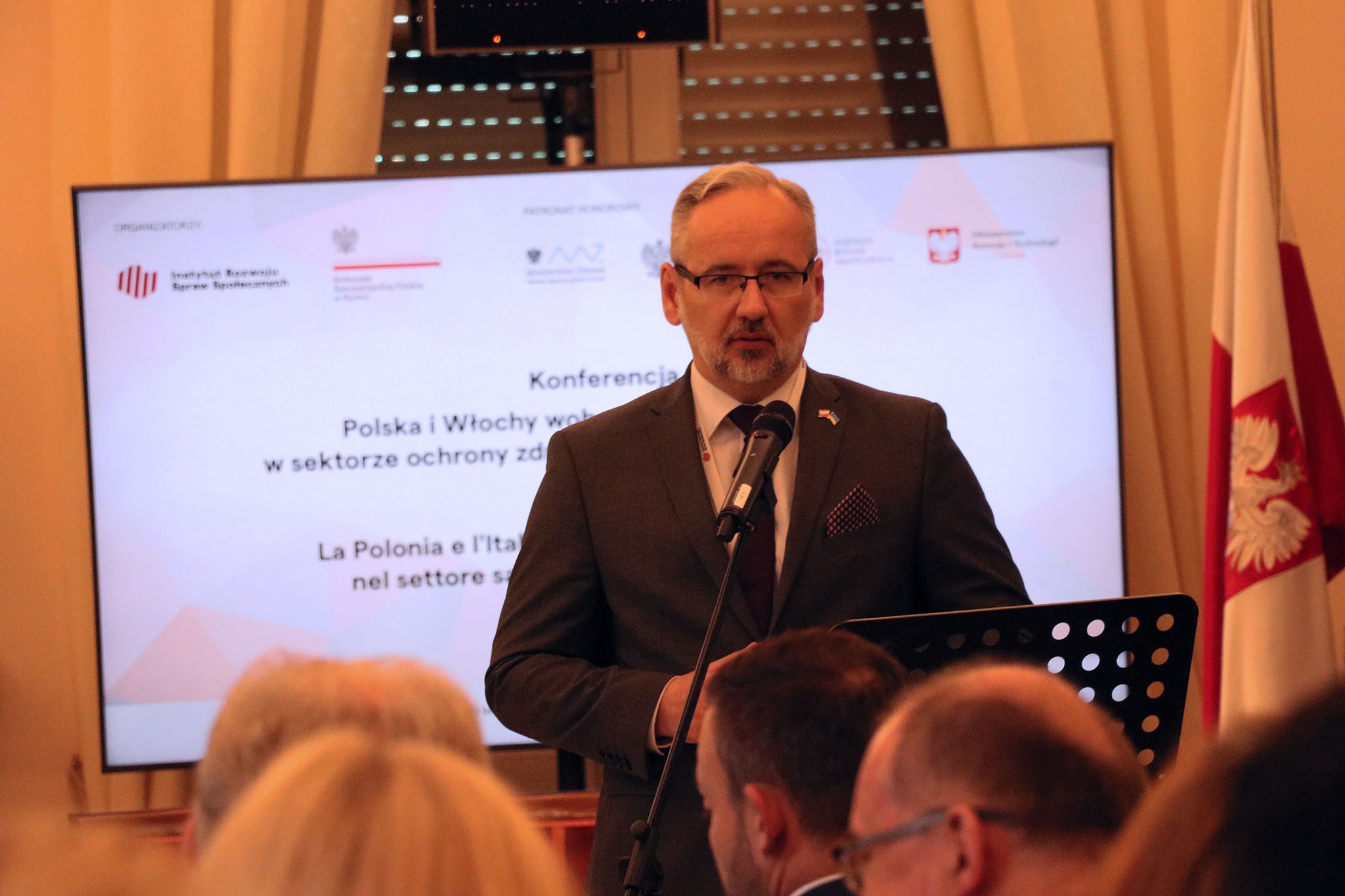
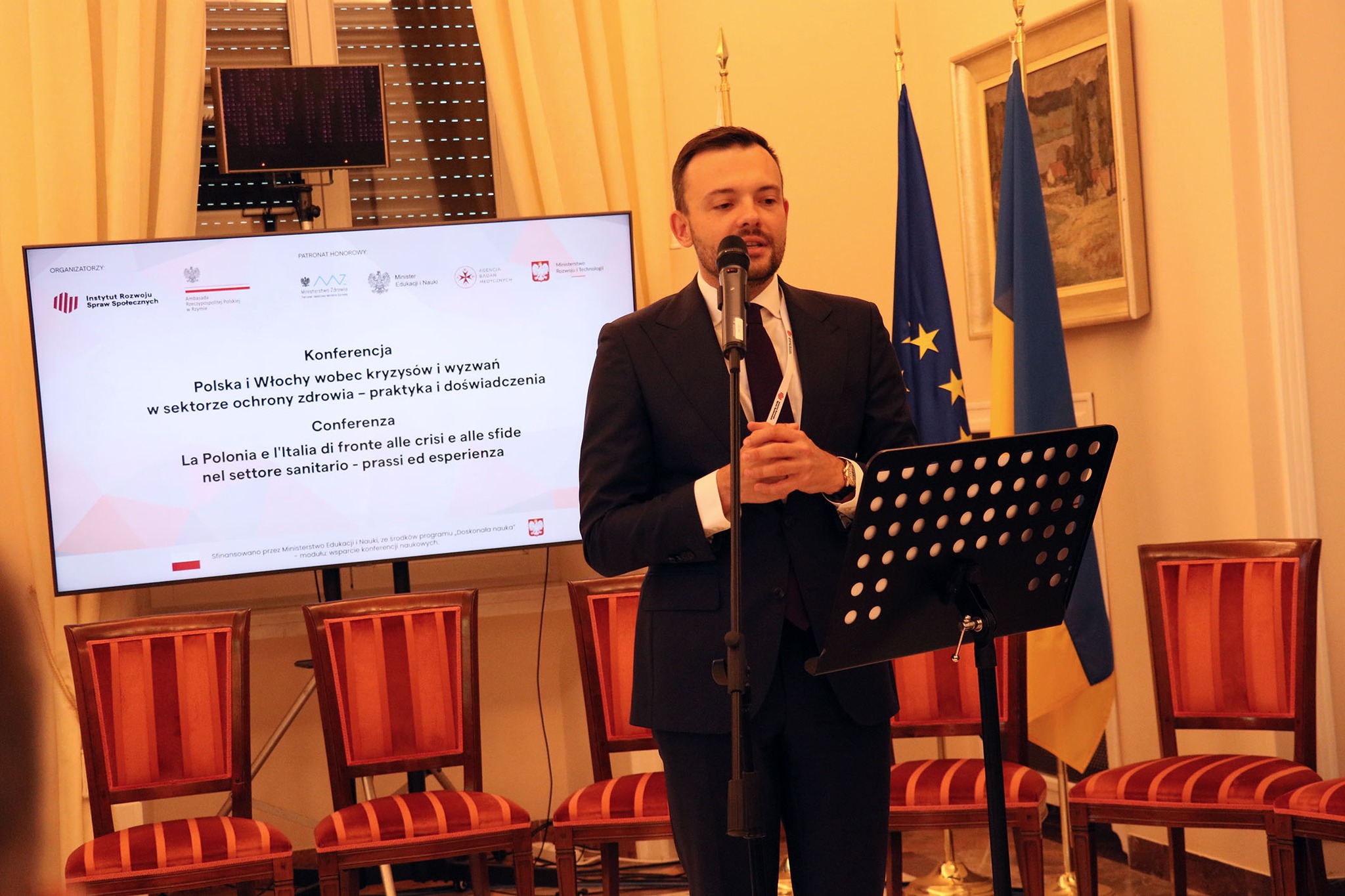
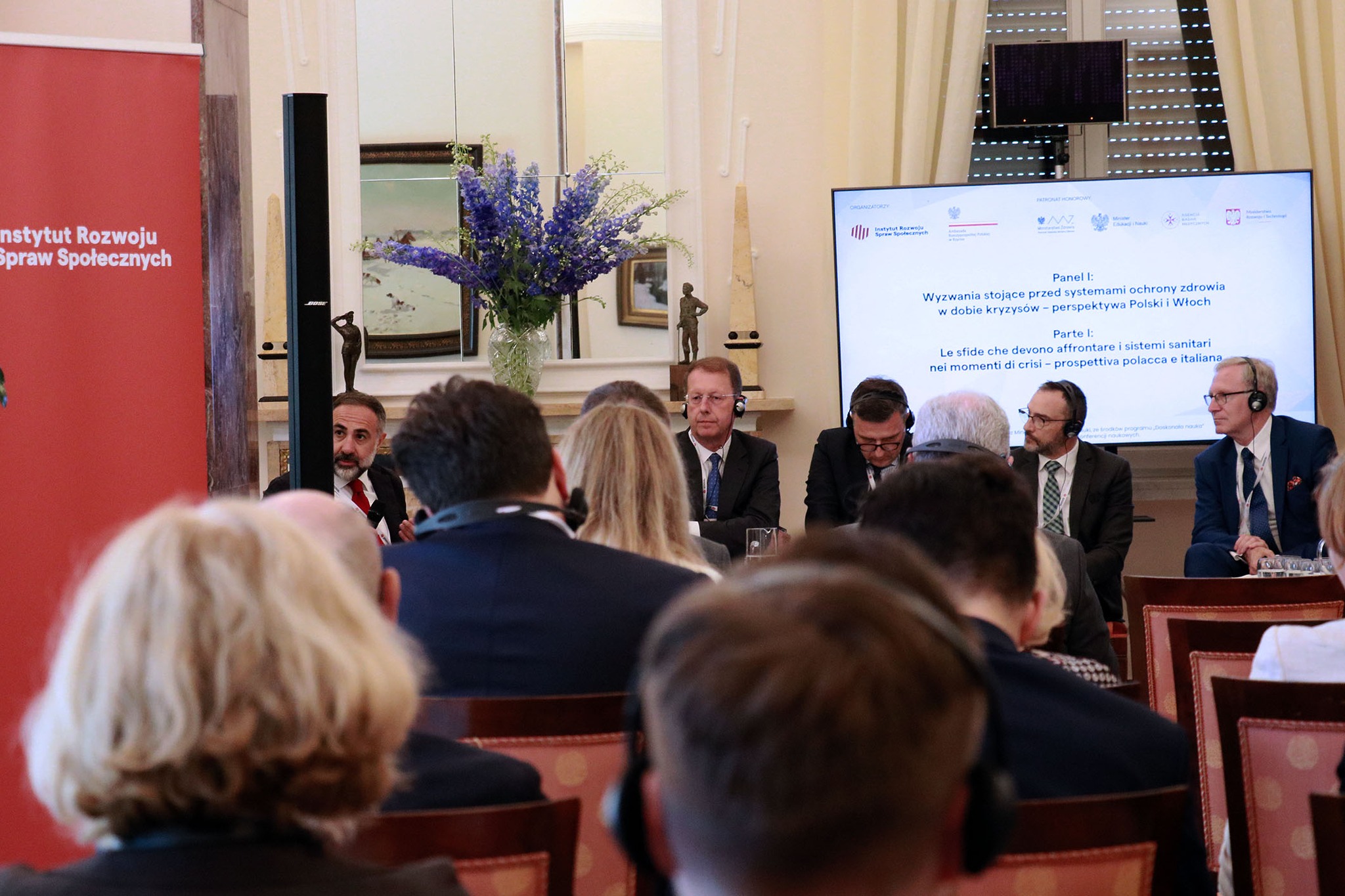
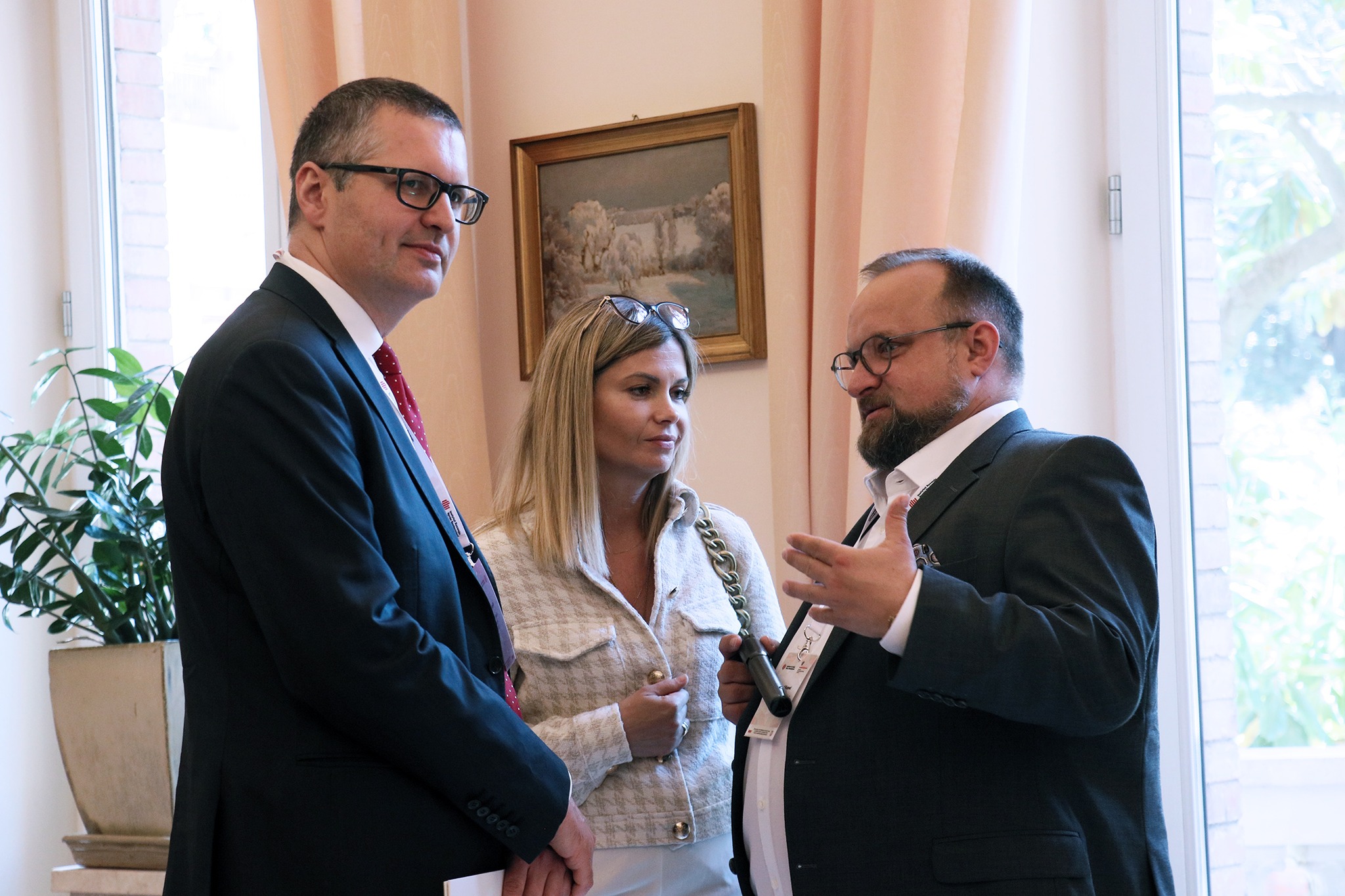
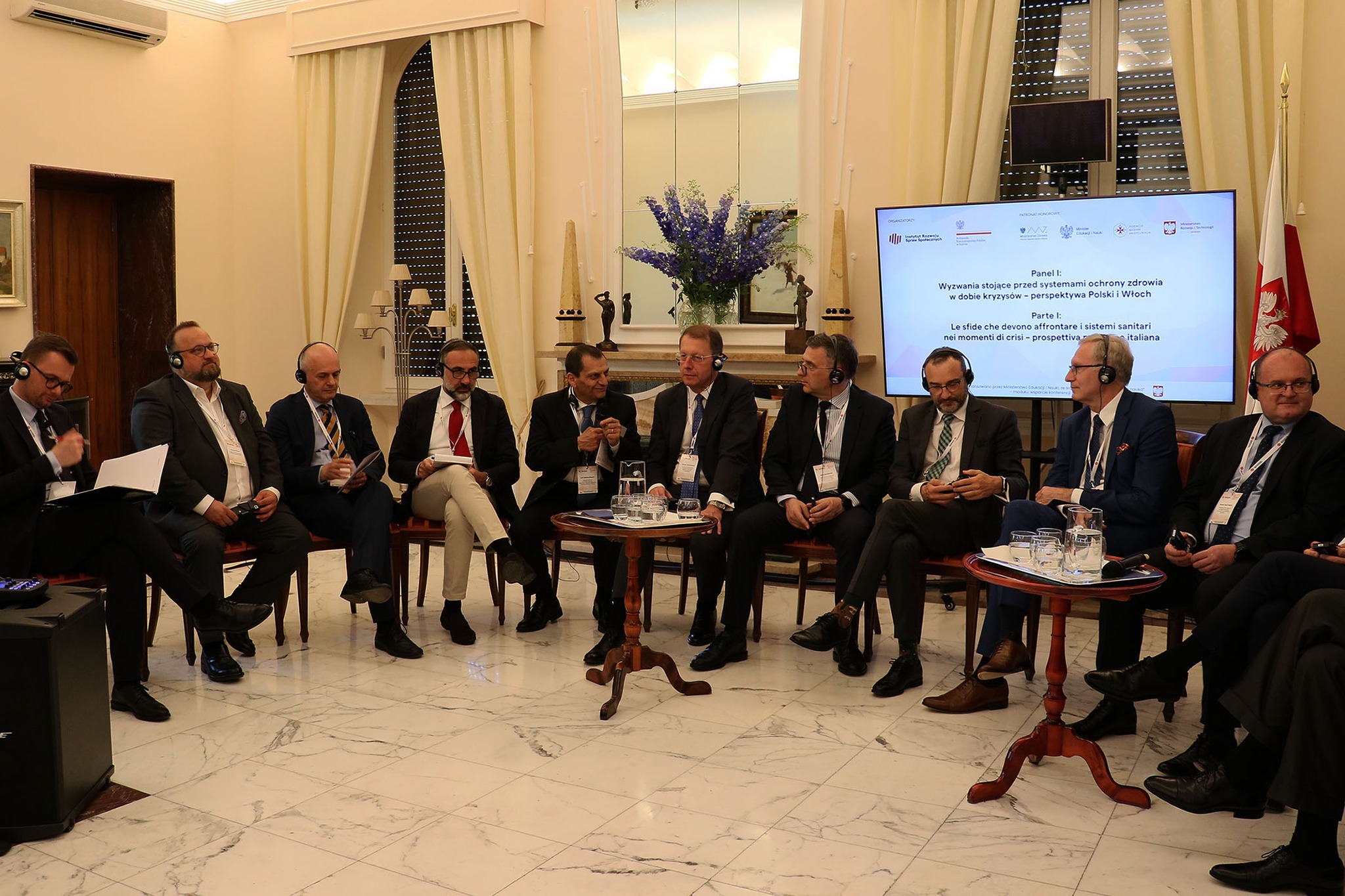
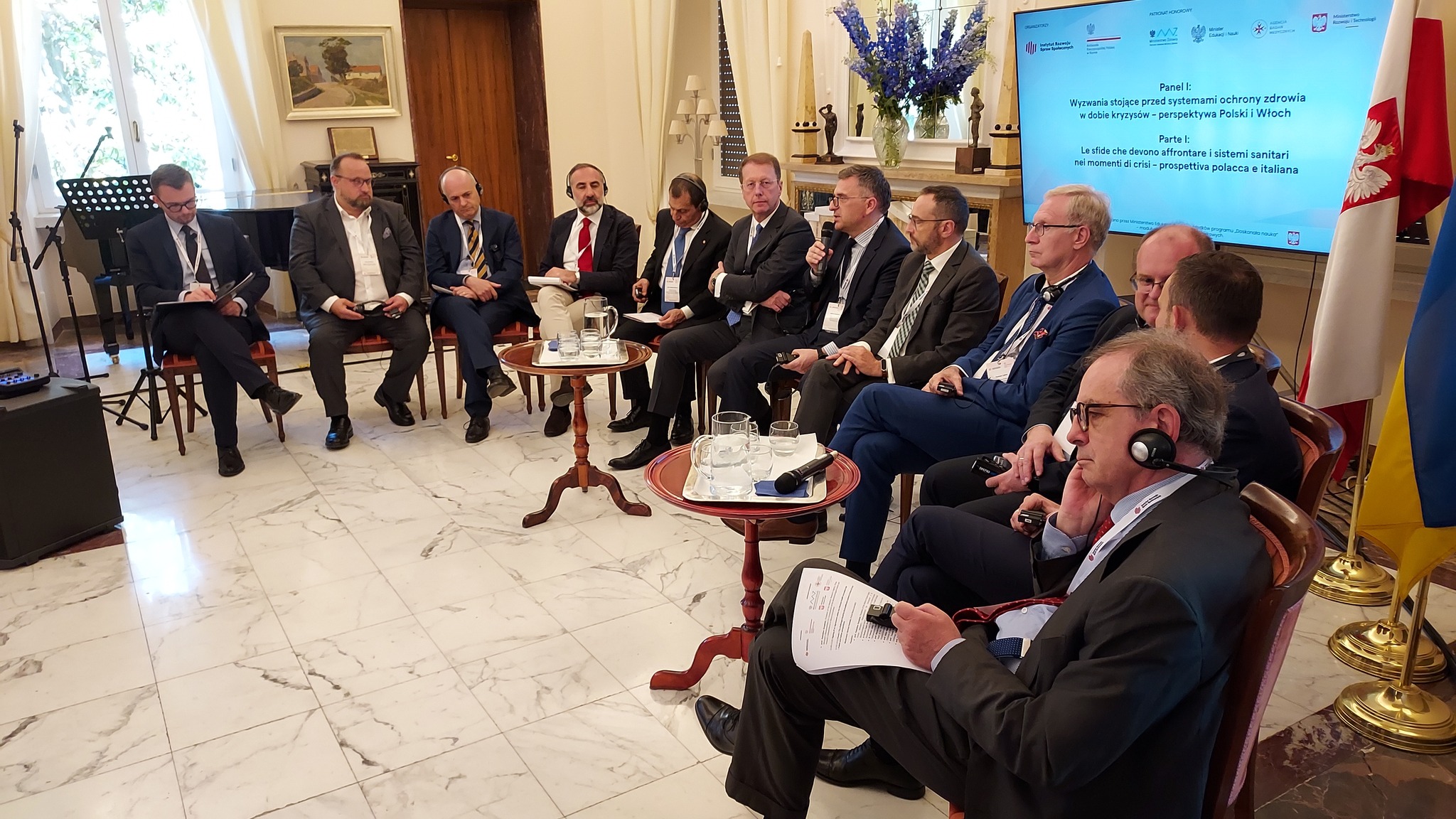
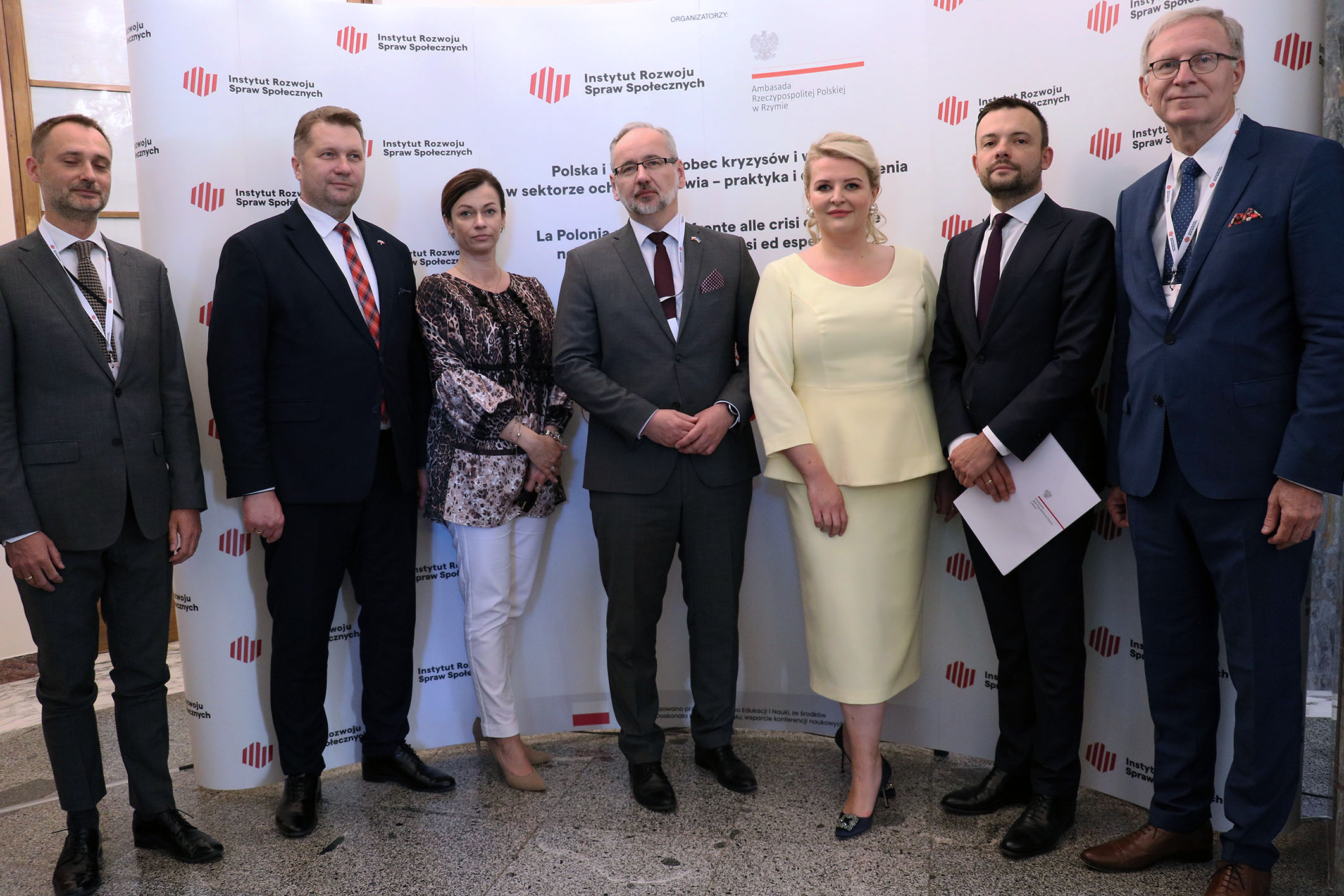
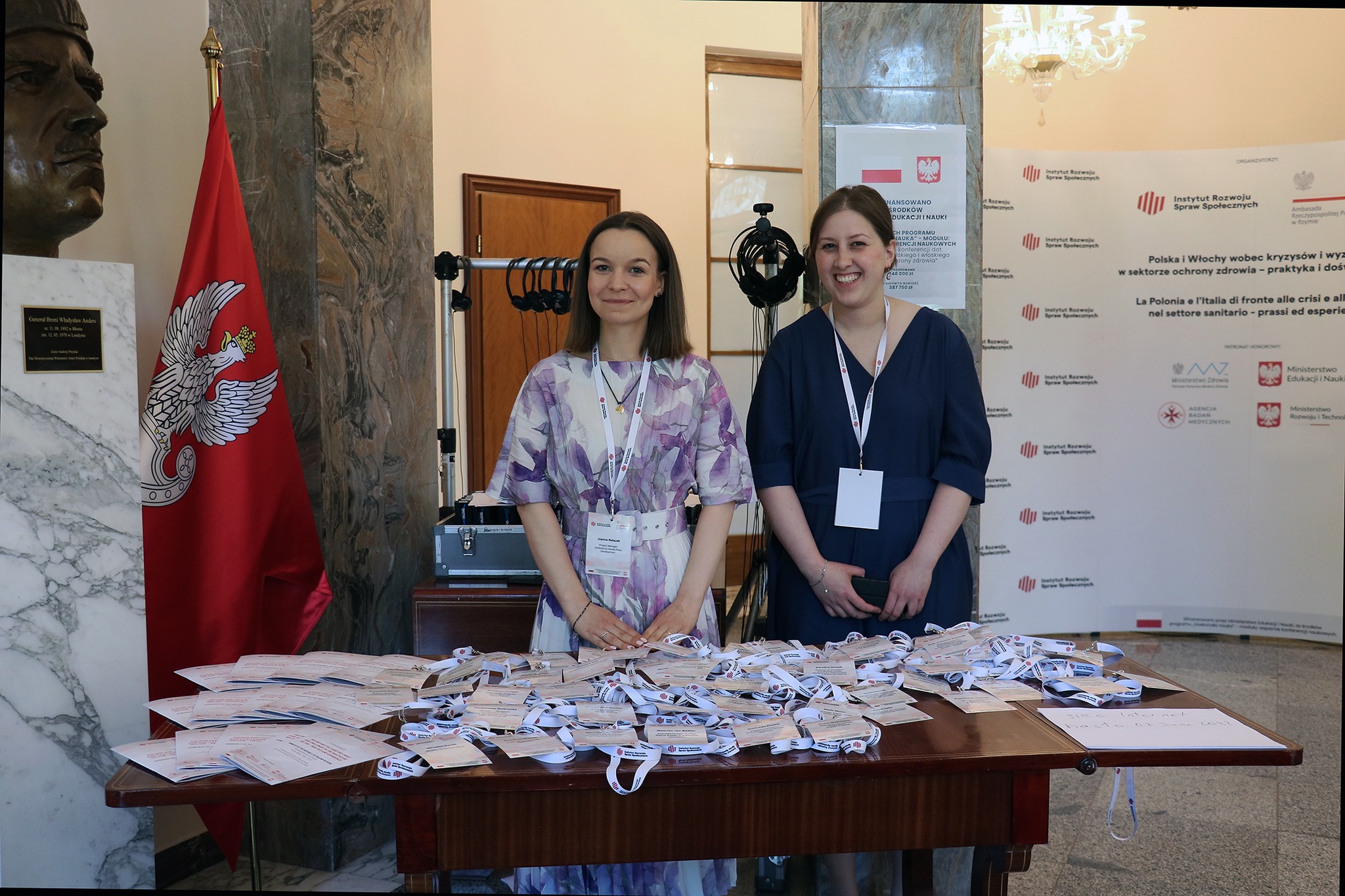
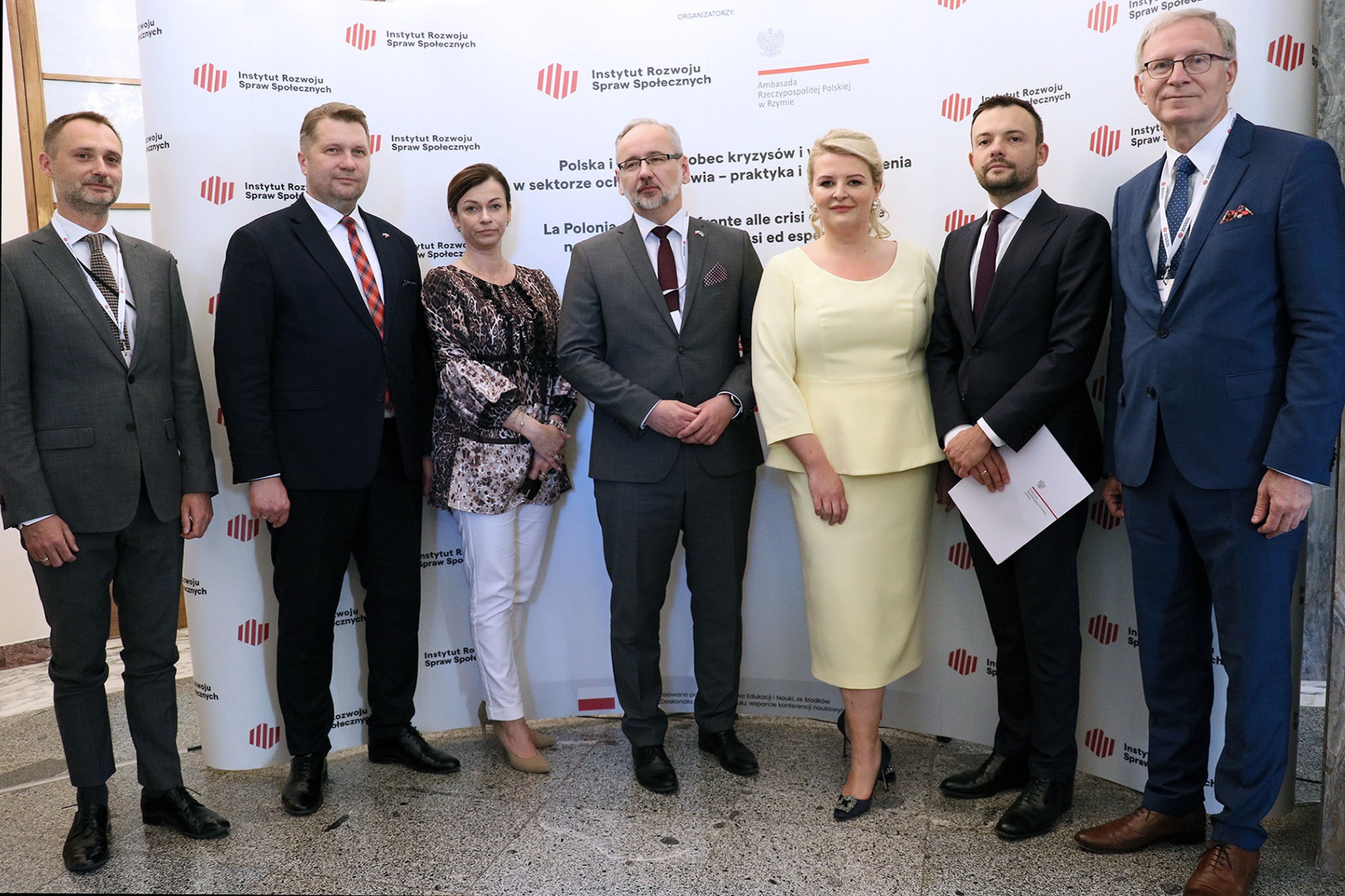
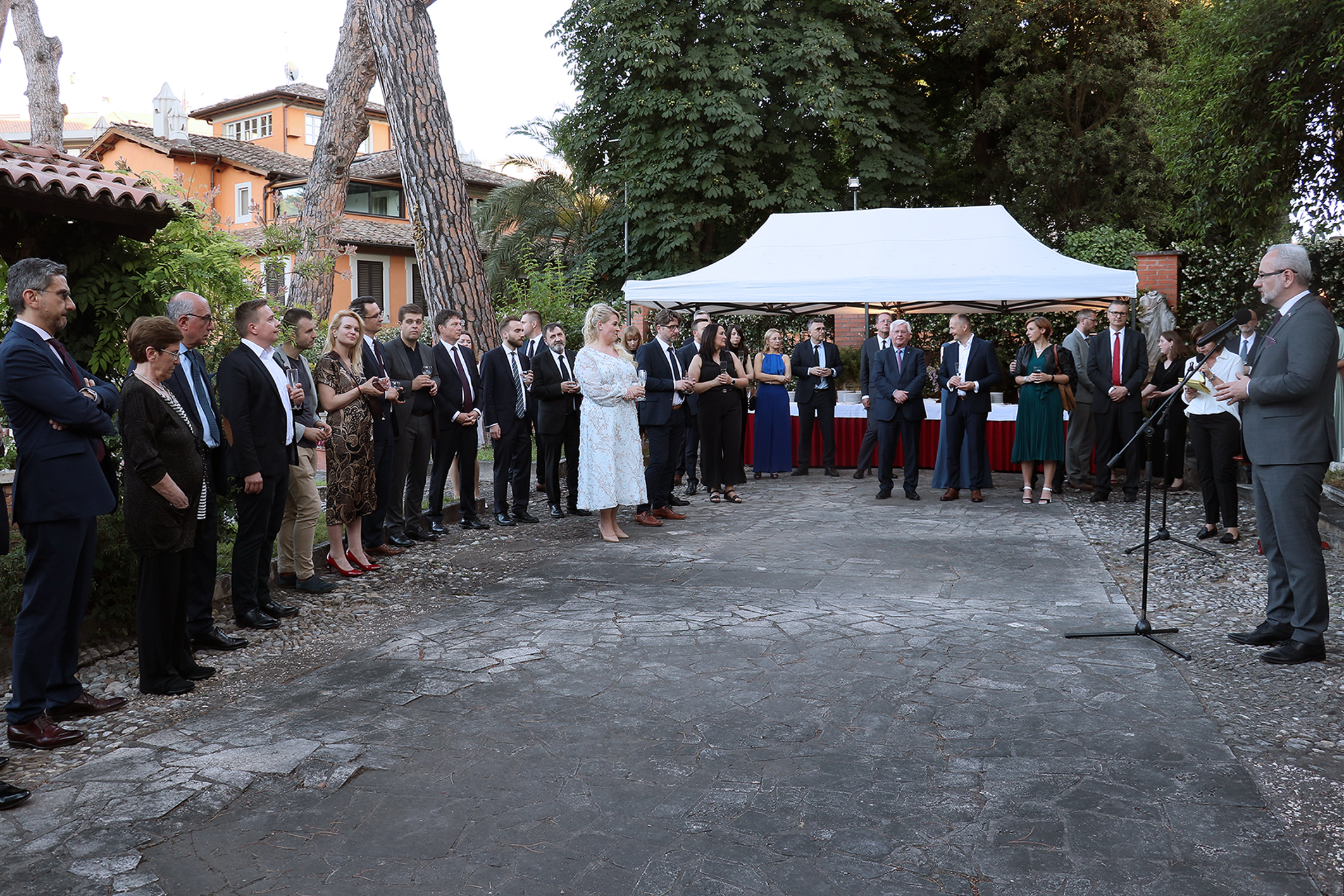
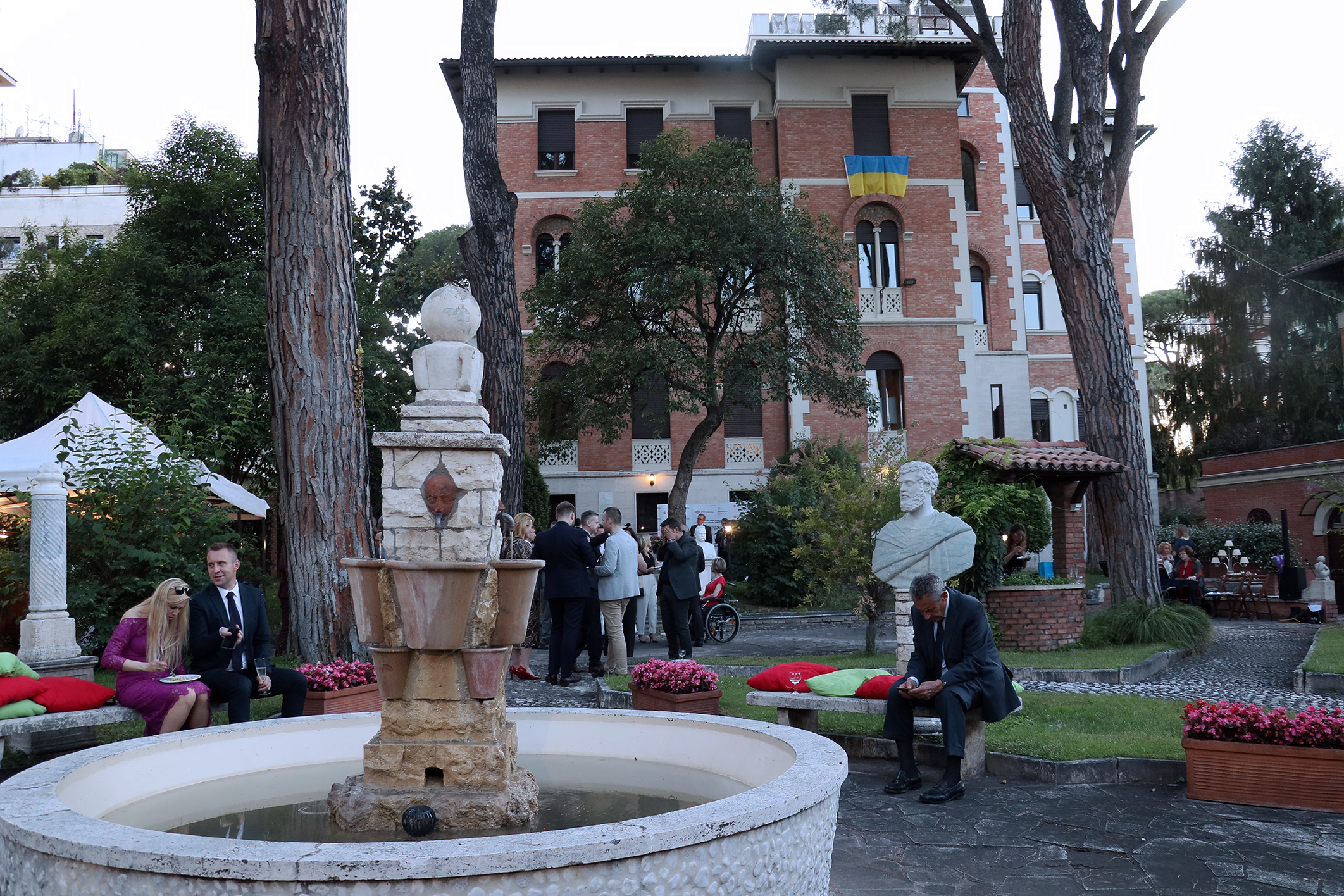
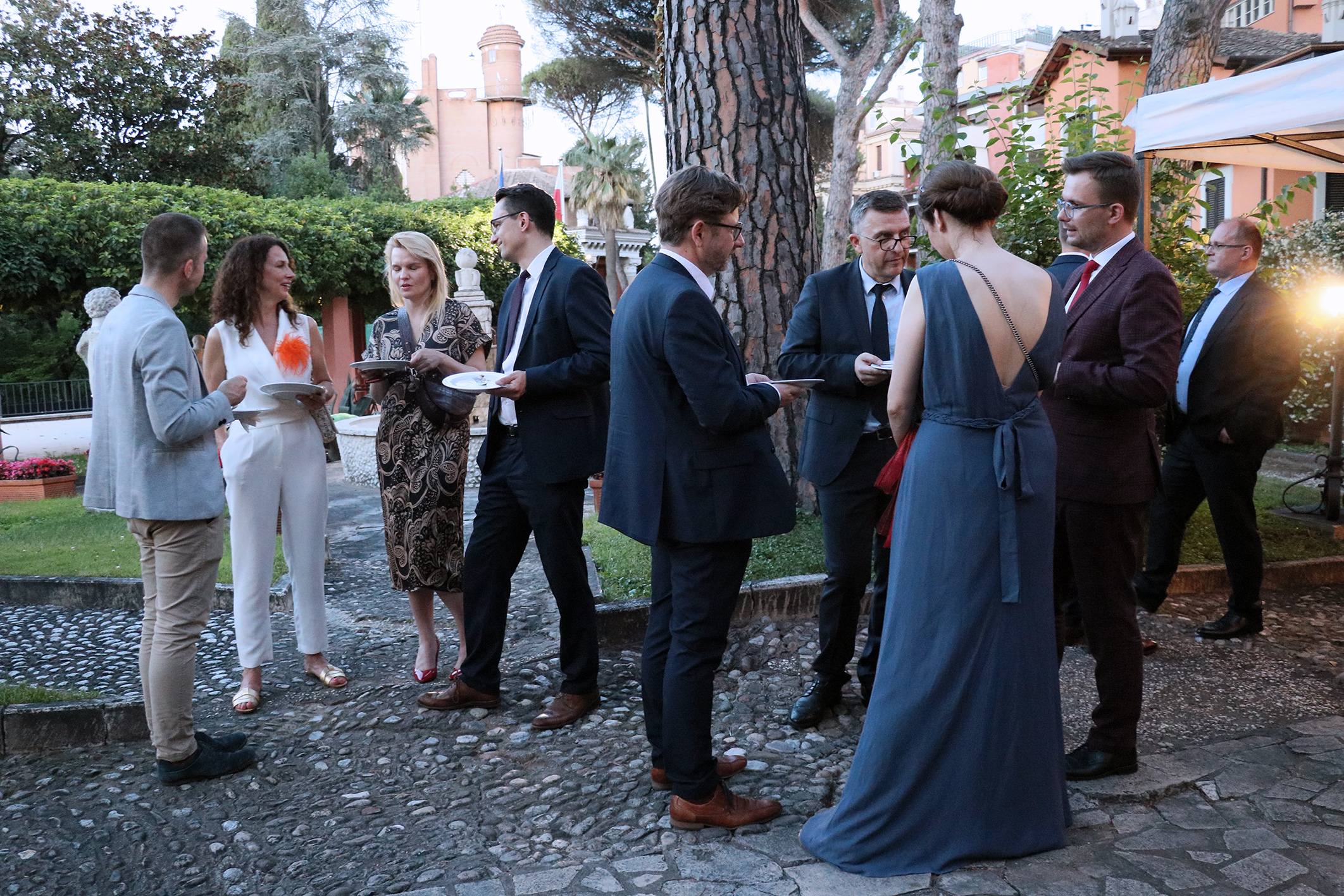
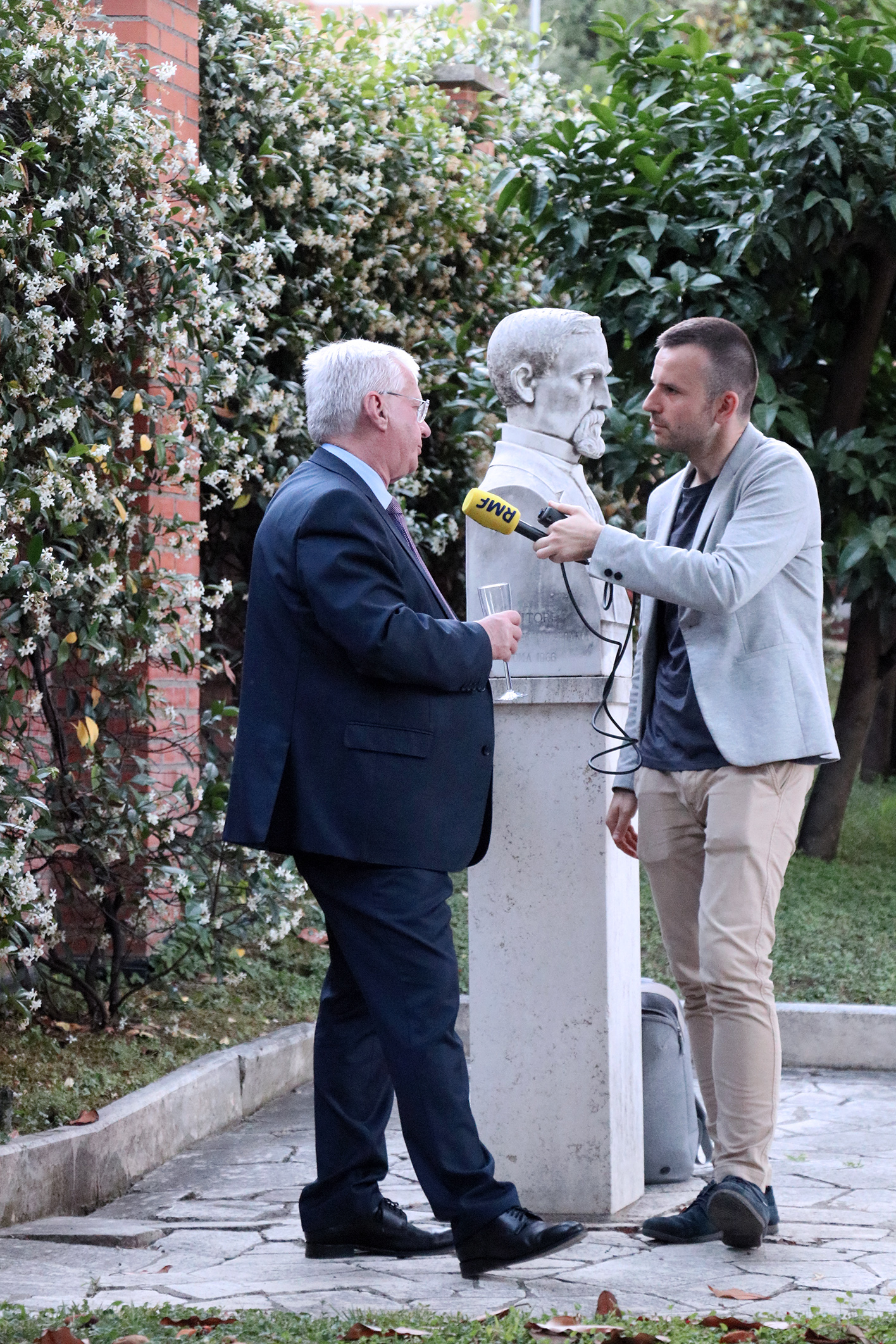
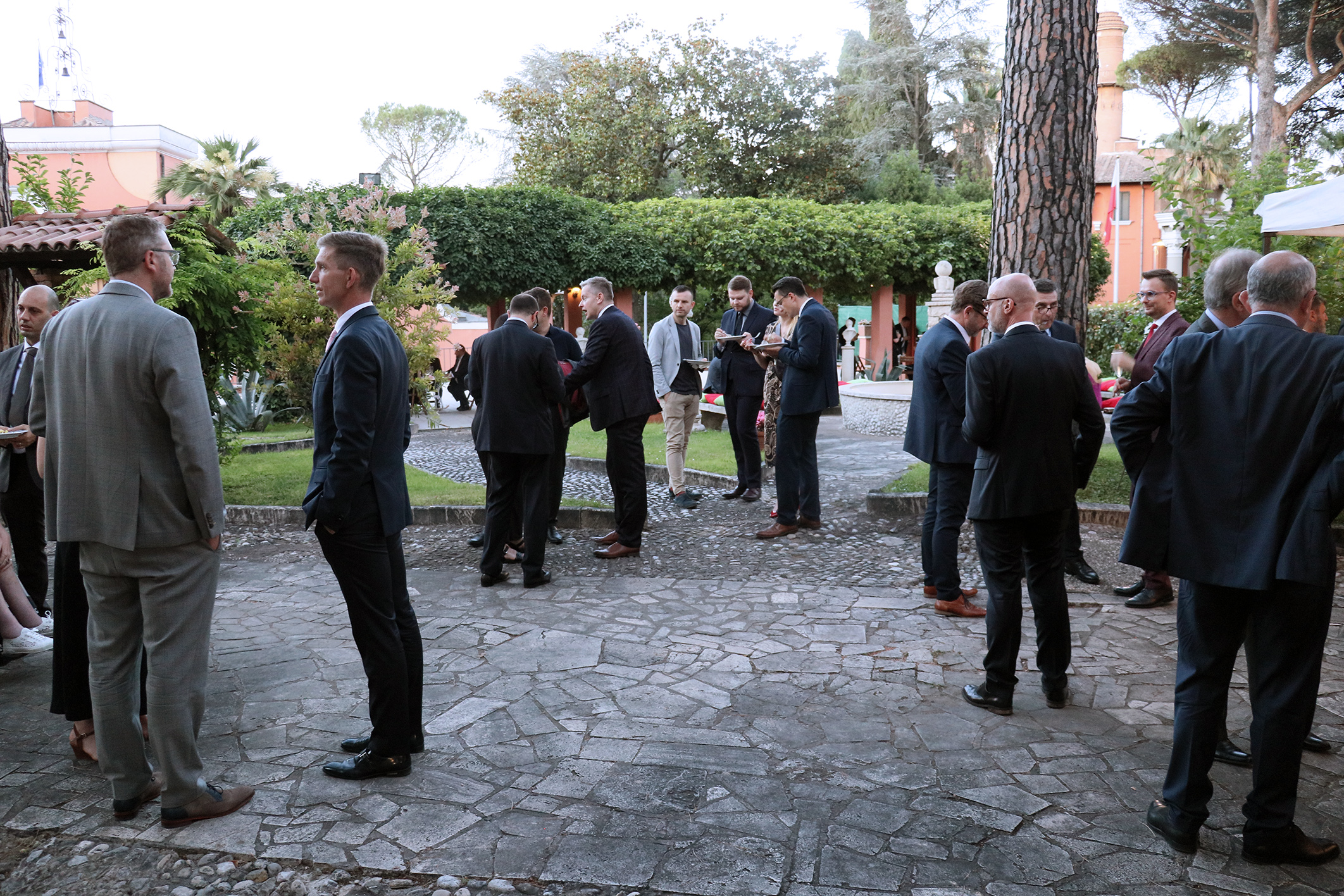
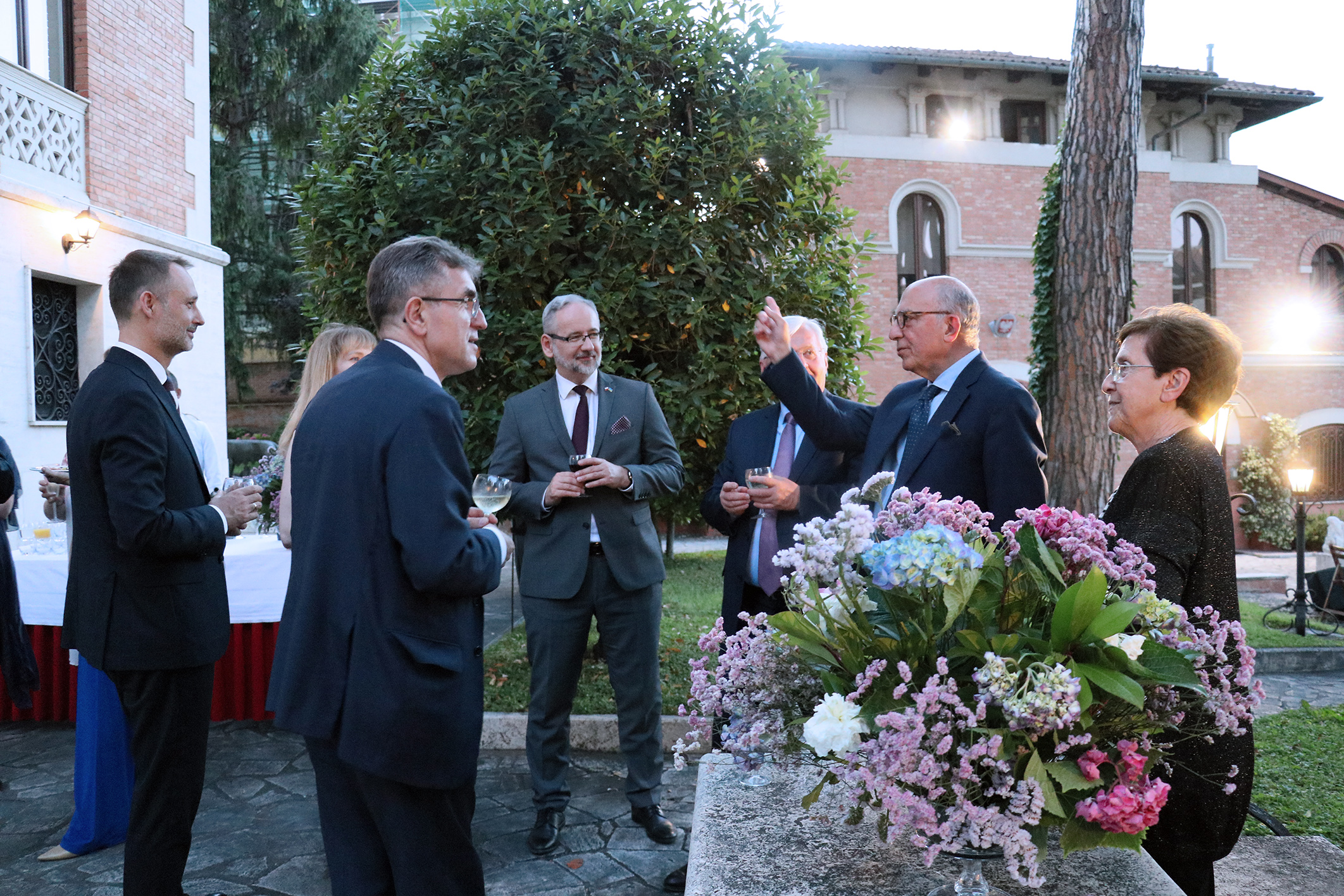
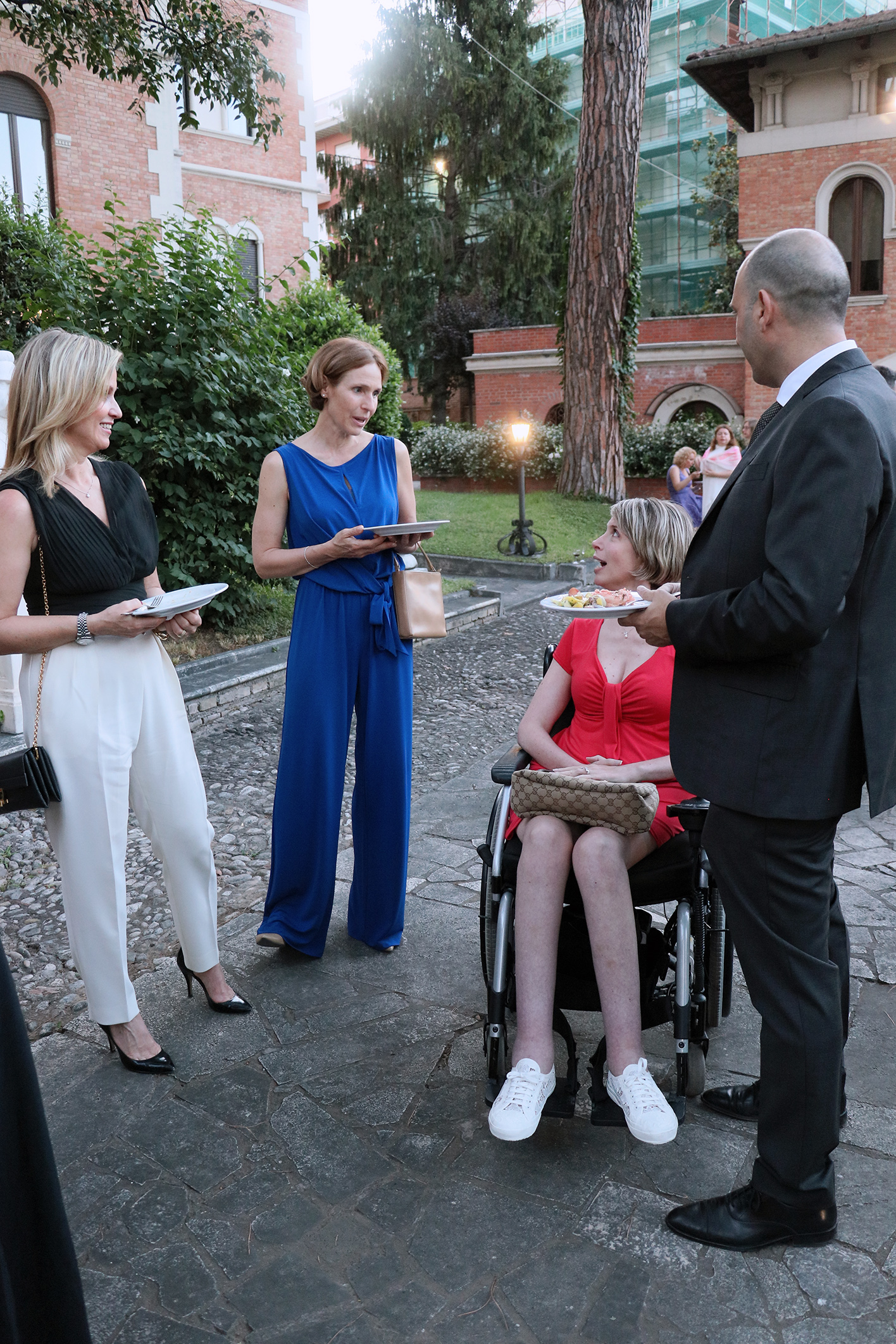
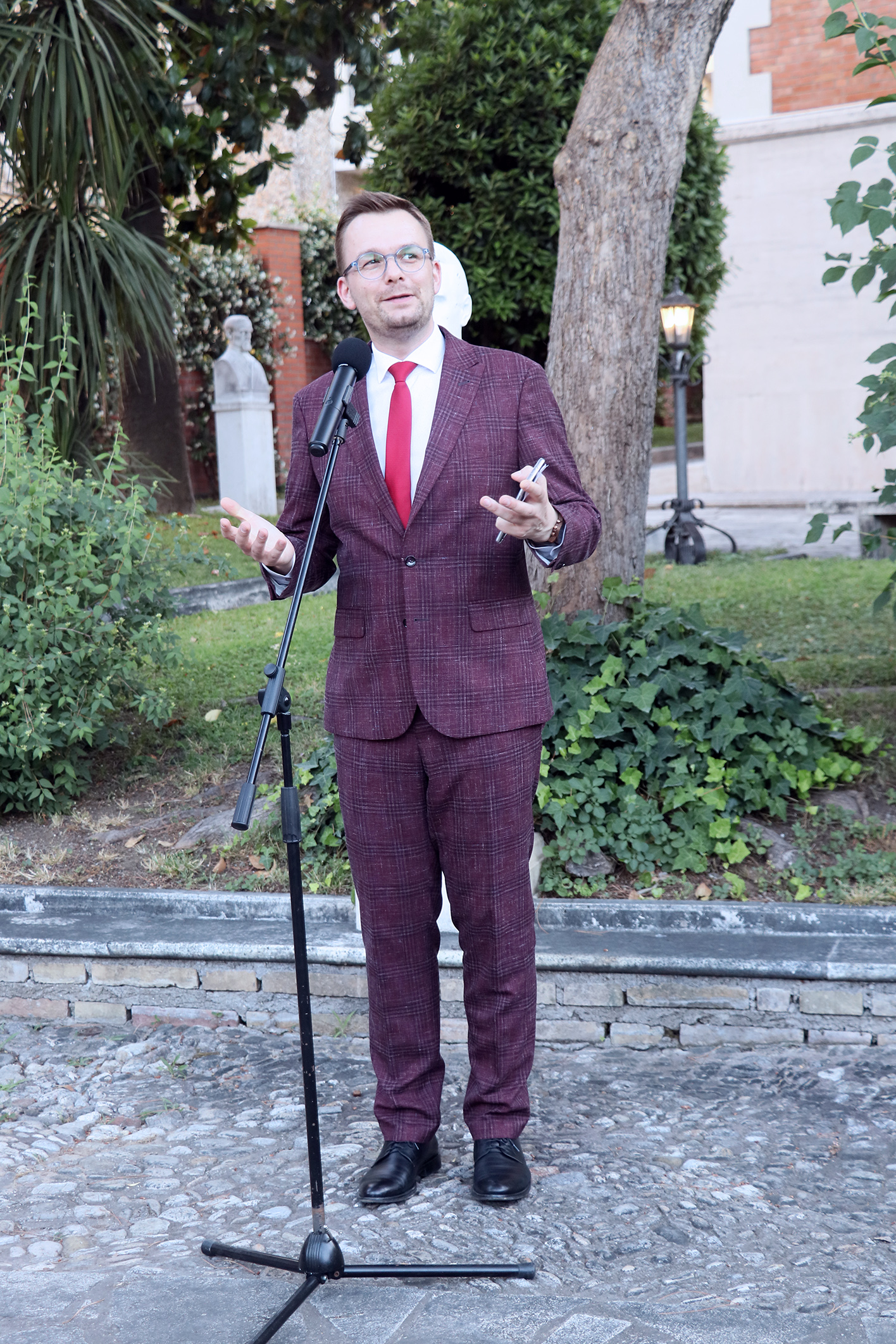
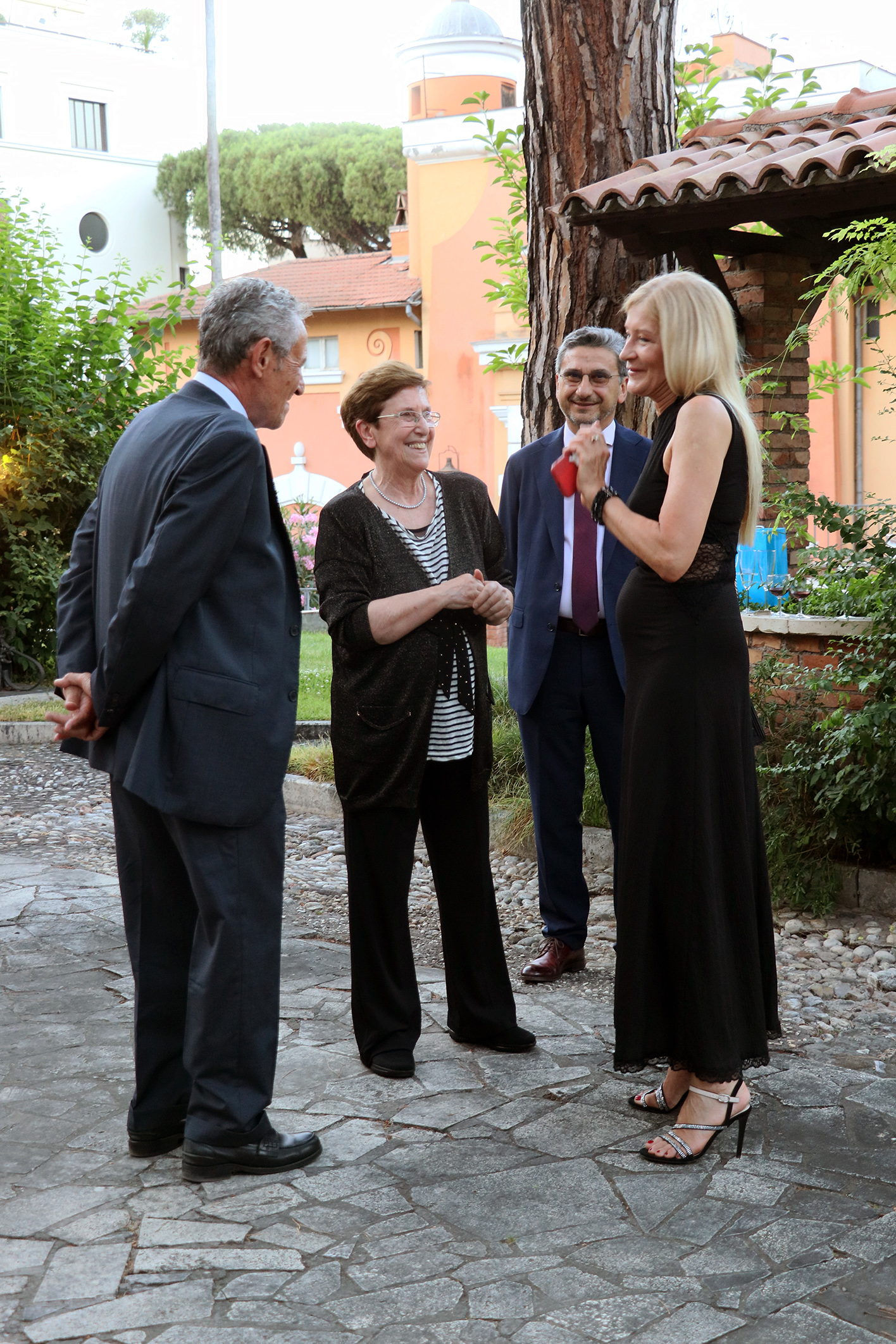
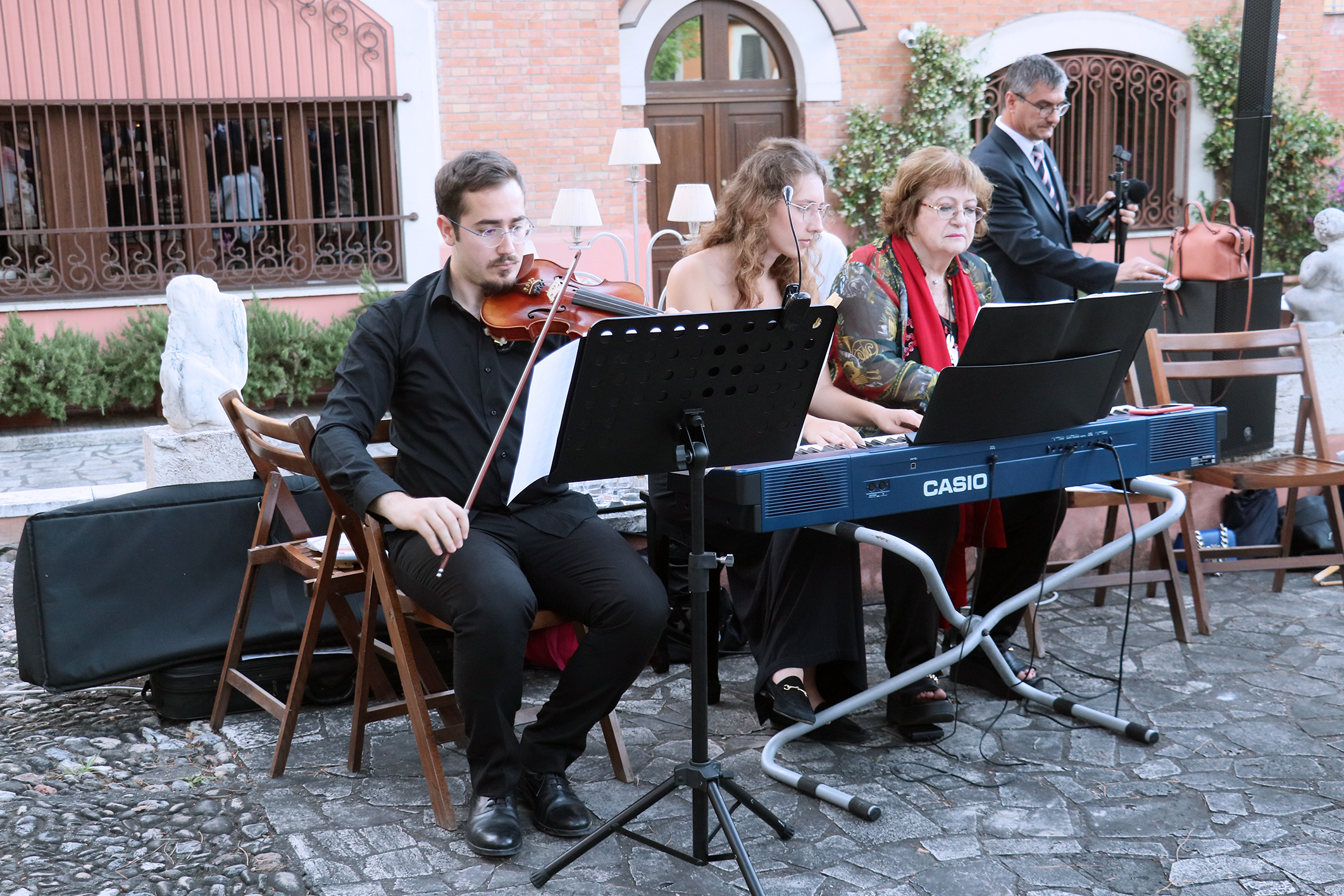
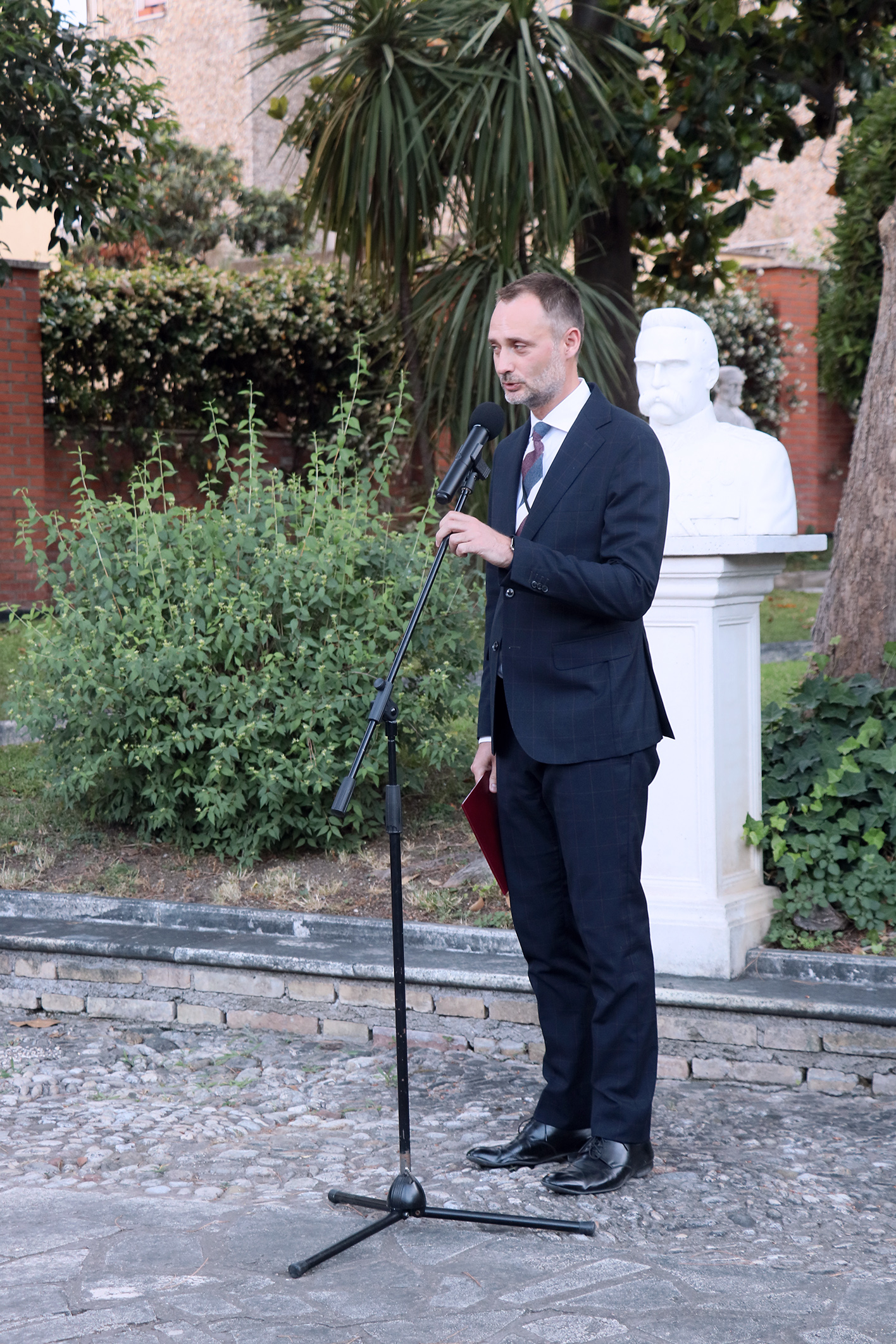
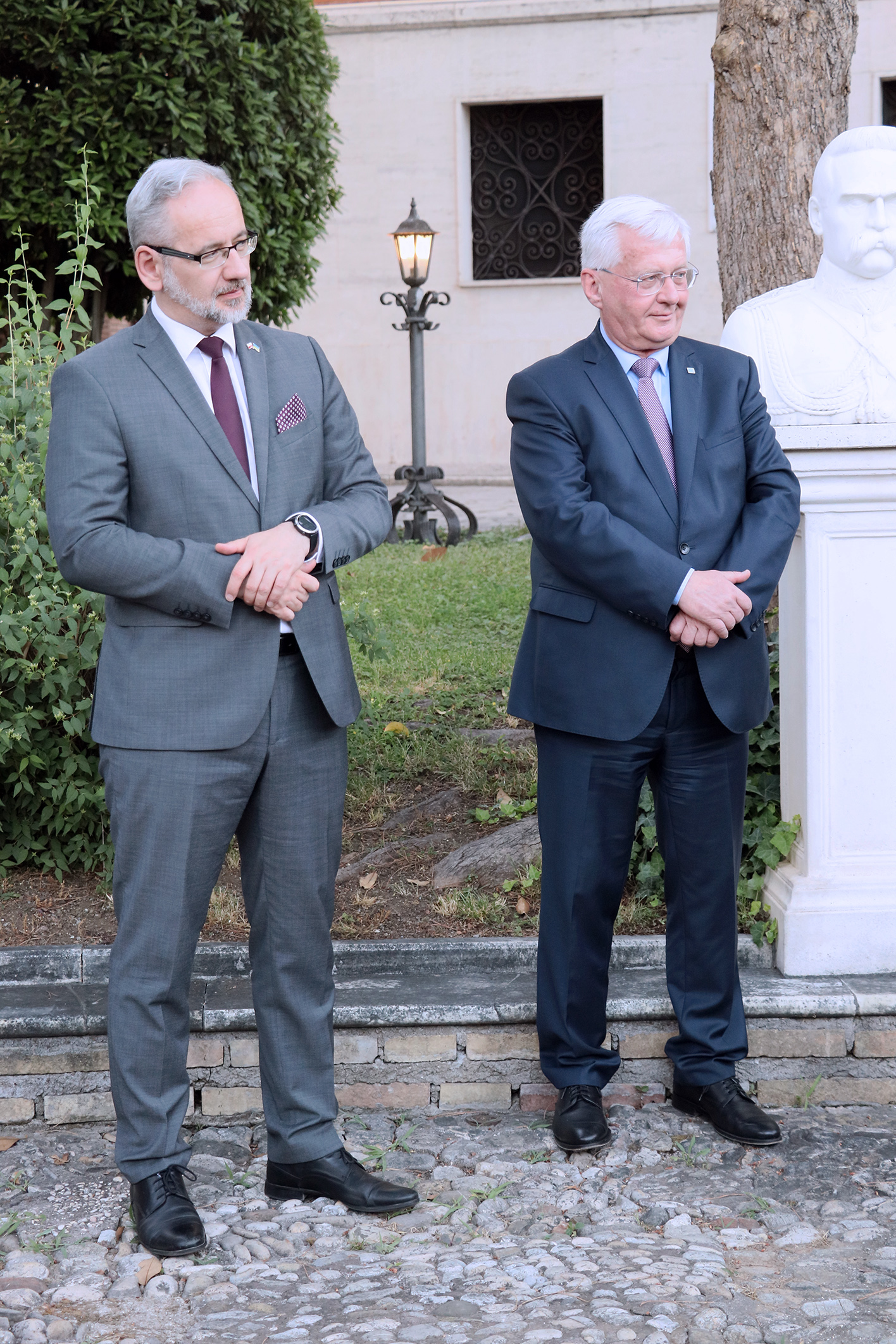
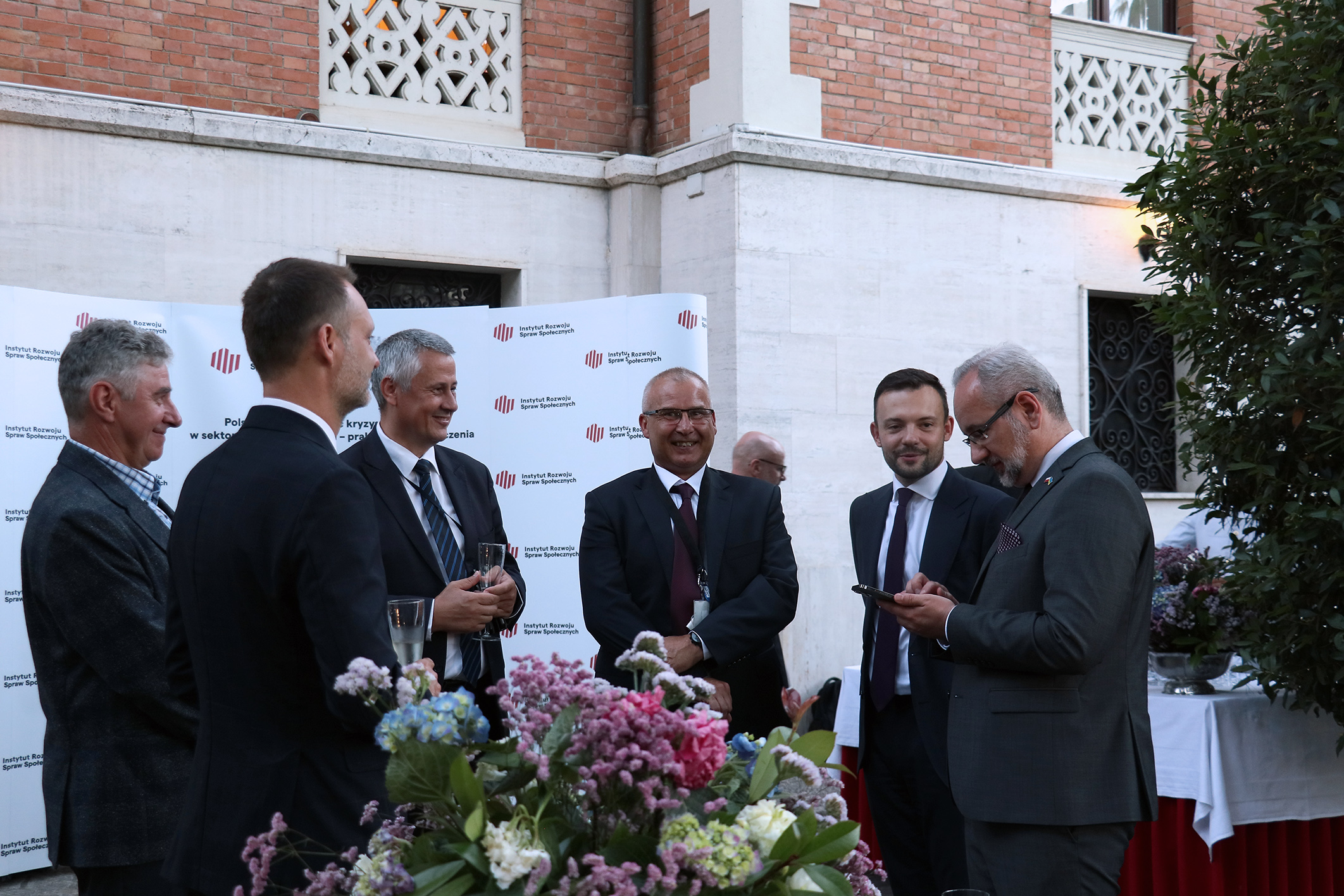
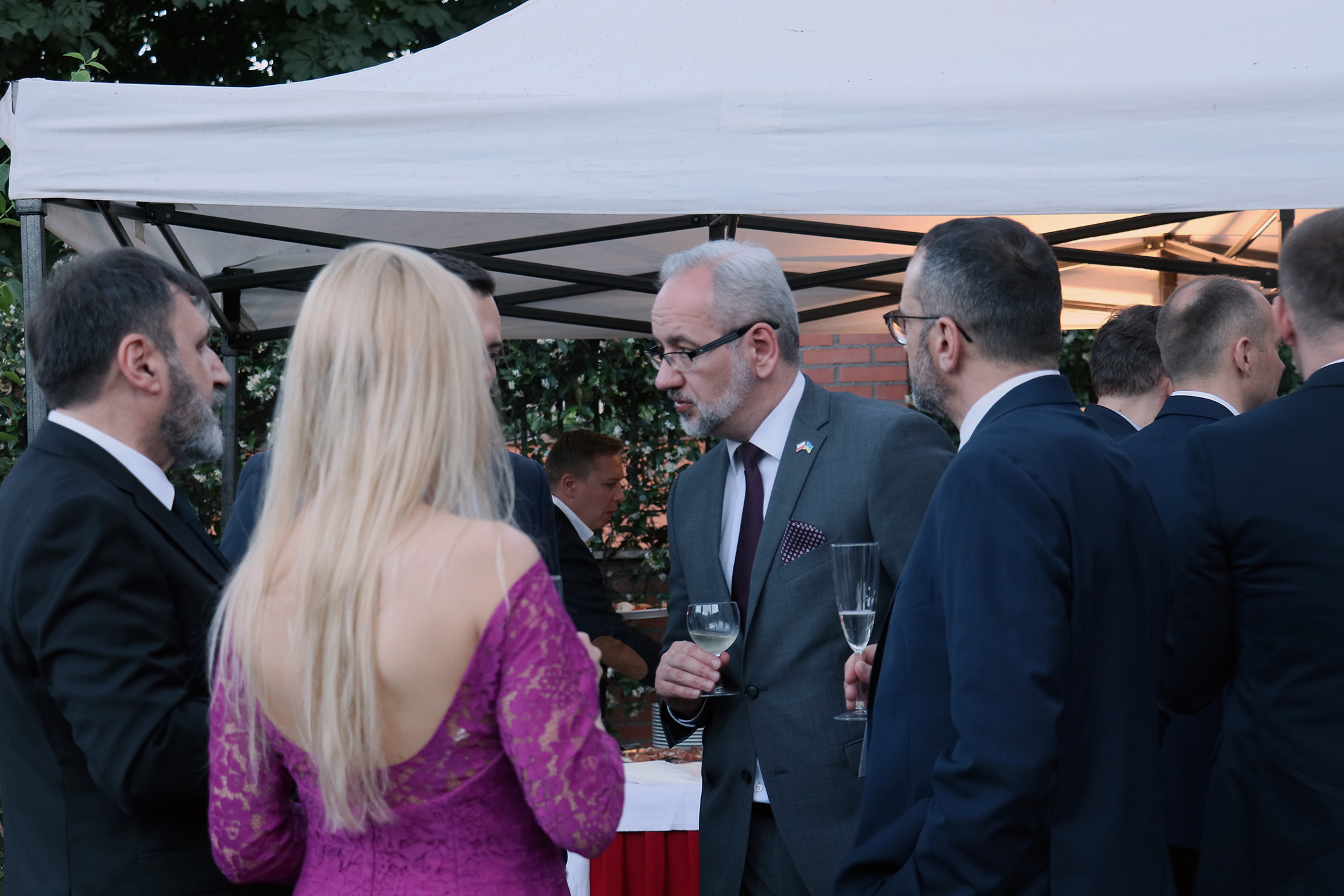
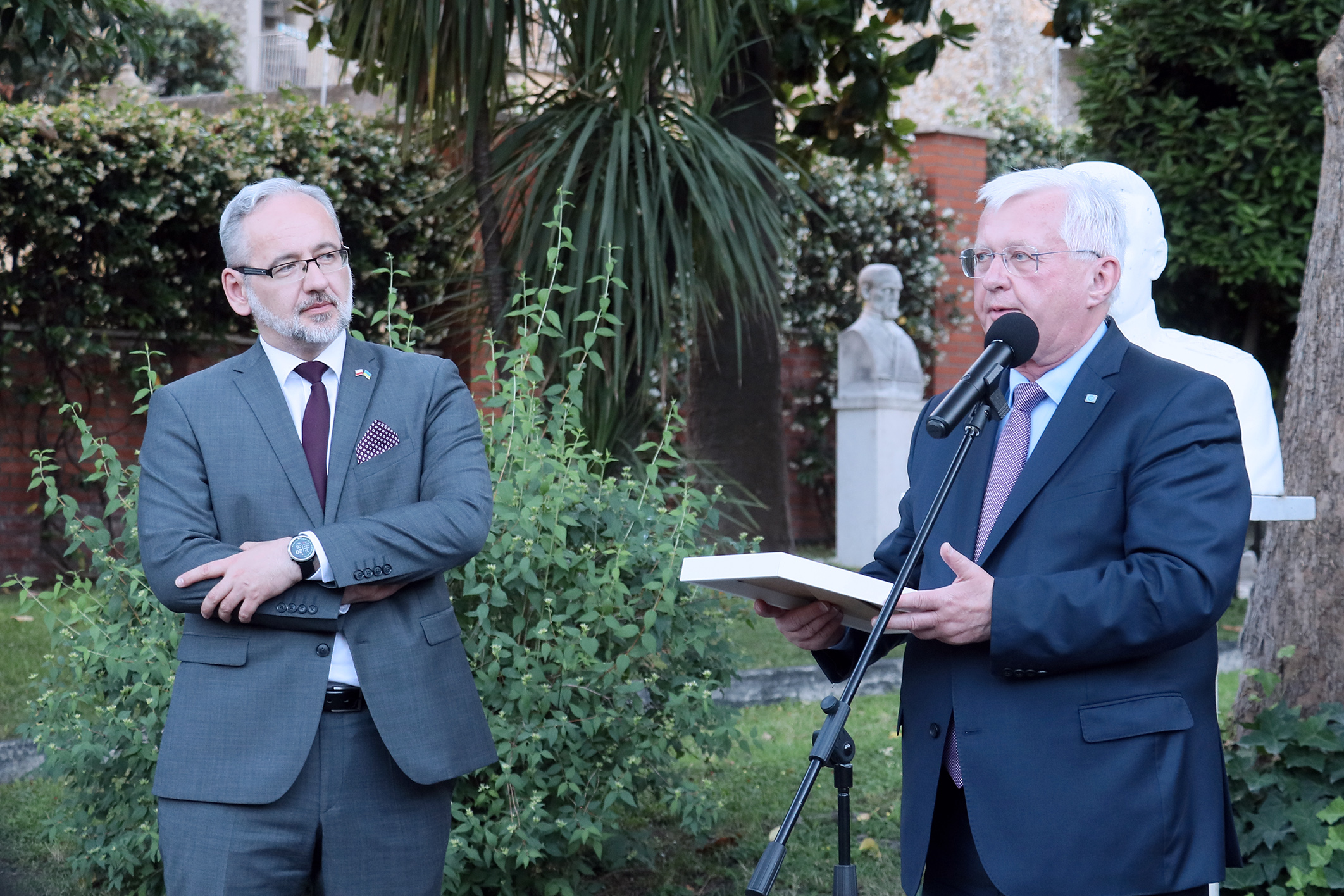
Representatives of Polish and Italian public institutions, healthcare organizations, parliamentarians, leading medical experts, scientists, and pharmaceutical industry representatives met on June 7 in Rome to jointly discuss the condition of healthcare systems in both countries and to deepen bilateral cooperation in the areas of healthcare and innovation development. The conference “Poland and Italy in the Face of Crises and Challenges in the Healthcare Sector – Practice and Experience” was organized by the Institute for the Development of Social Affairs in cooperation with the Embassy of the Republic of Poland in Rome.
The cumulative crises and threats in Europe, as well as the difficult experience of the pandemic, prompted organizers to initiate a bilateral discussion among decision-makers, healthcare and system experts, NGOs, and private sector representatives.
Małgorzata Bogusz, President of the Institute for the Development of Social Affairs, emphasized that the conference created a unique Polish-Italian forum for debate, exchange of best practices, experiences, and recommendations for public institutions regarding the challenges facing the healthcare sector in both countries.
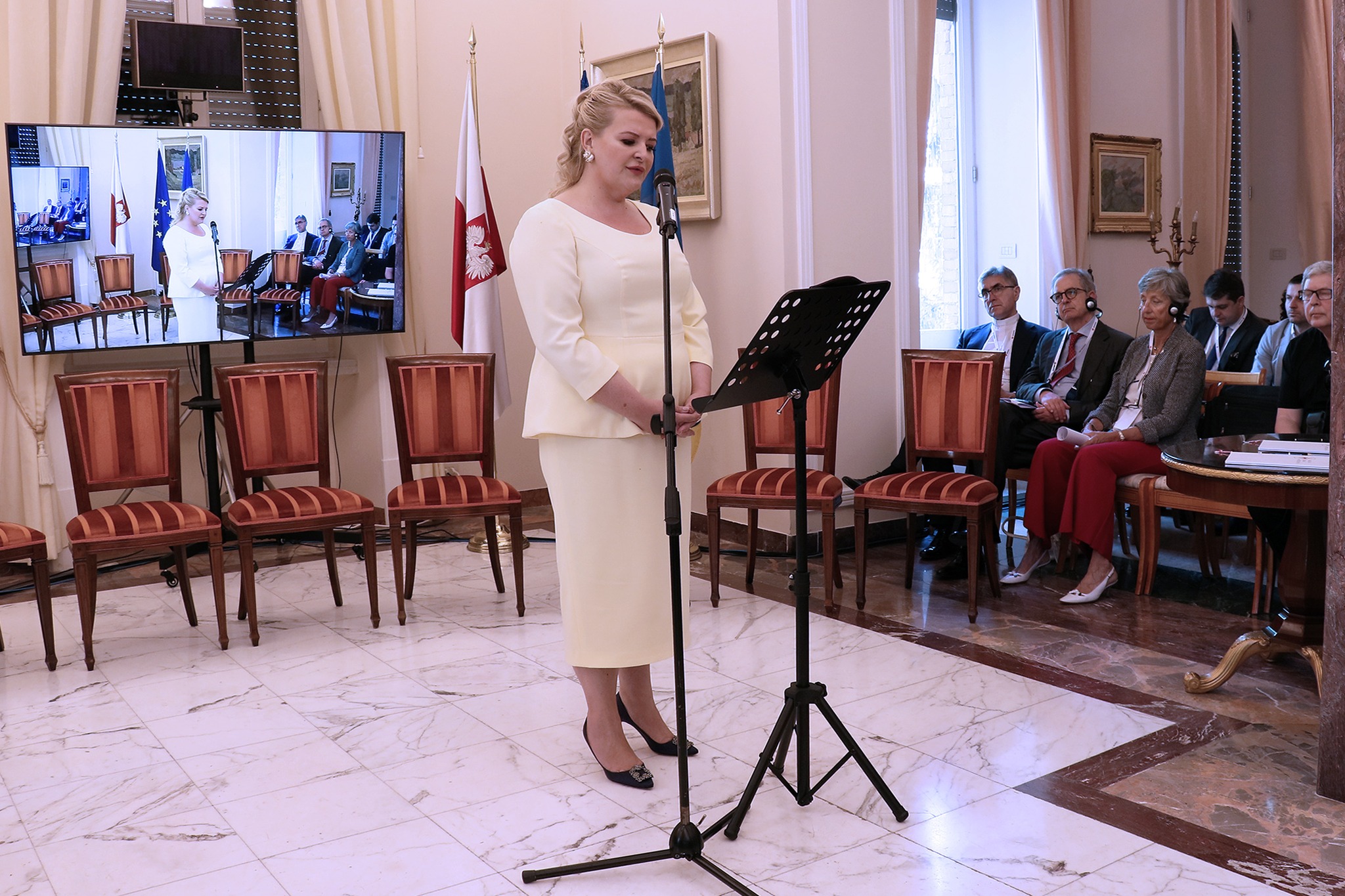
At the ceremonial opening of the conference, Anna Maria Anders, Poland’s Ambassador to Italy and San Marino, highlighted the post-COVID-19 moment as crucial for the healthcare sector to exchange views and begin shaping future strategies.
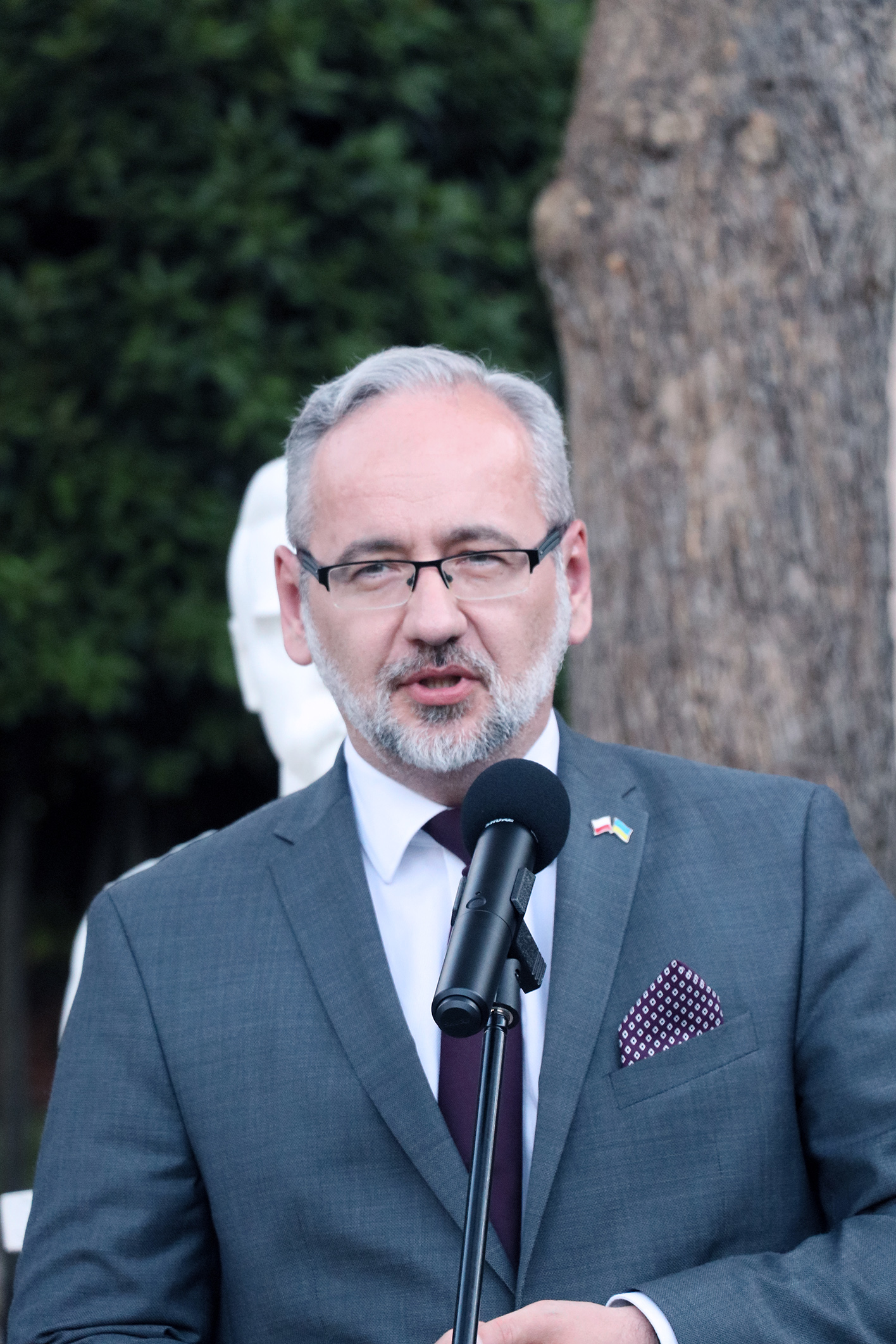
Health Minister Adam Niedzielski noted that the last two years forced Europe and the world into a state of continuous crisis. Following the pandemic, the Russian aggression against Ukraine presented another major challenge, with over 3.5 million people crossing the Polish border—again placing immense strain on the healthcare system.
Education and Science Minister Przemysław Czarnek referenced a scientific cooperation agreement signed the previous day between the Catholic University of Lublin and Rome’s “La Sapienza” University and Gemelli Polyclinic. He stressed the role of medical research and innovation, emphasizing that all efforts are ultimately for the benefit of patients.
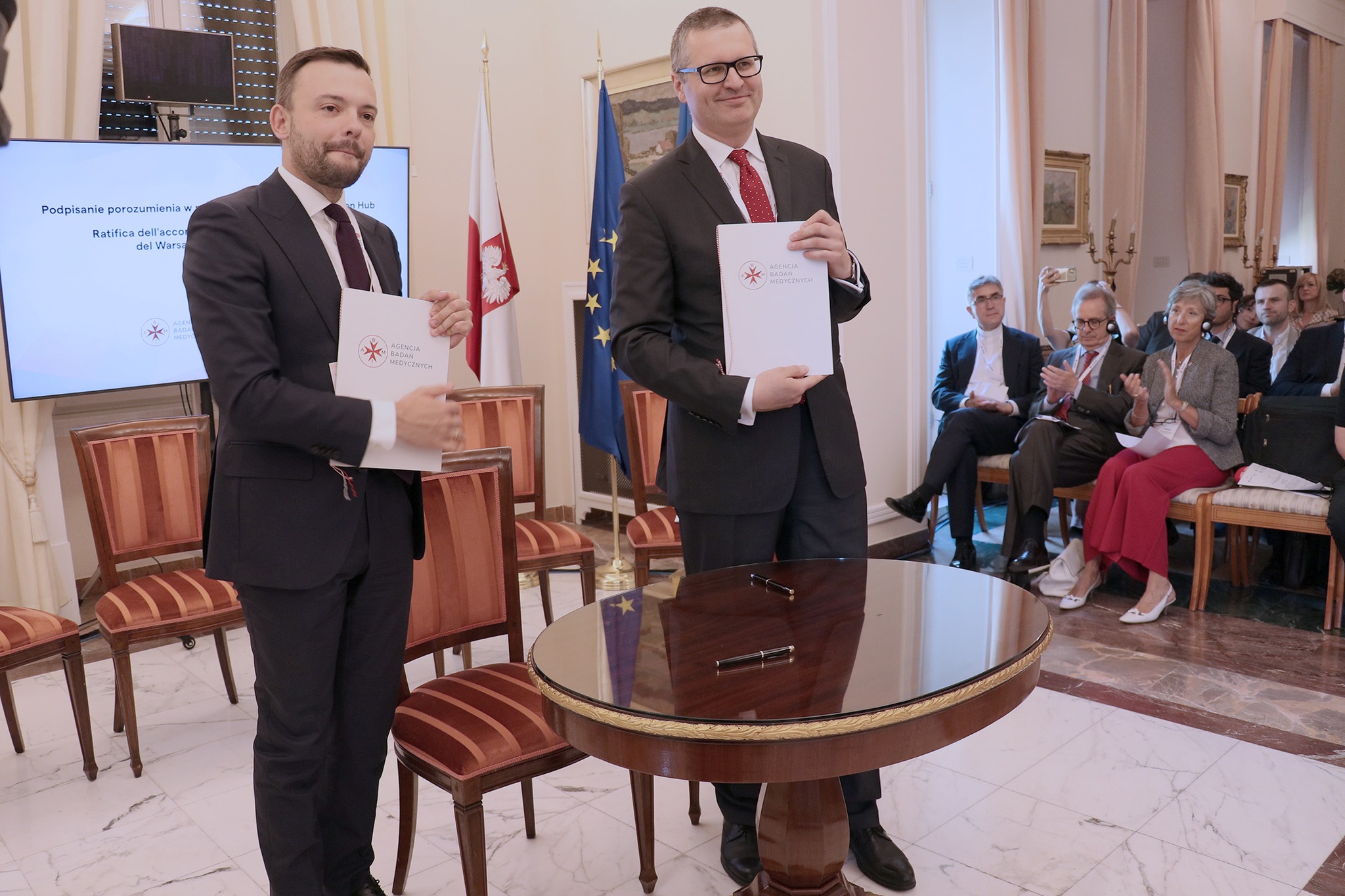
Radosław Sierpiński, President of the Medical Research Agency, underscored ongoing talks with Italian partners and anticipated the start of promising projects with “La Sapienza,” Gemelli, and Bambino Gesu hospitals in oncology, microbiology, and translational medicine. He emphasized that innovation could help resolve limitations in staffing and finances.
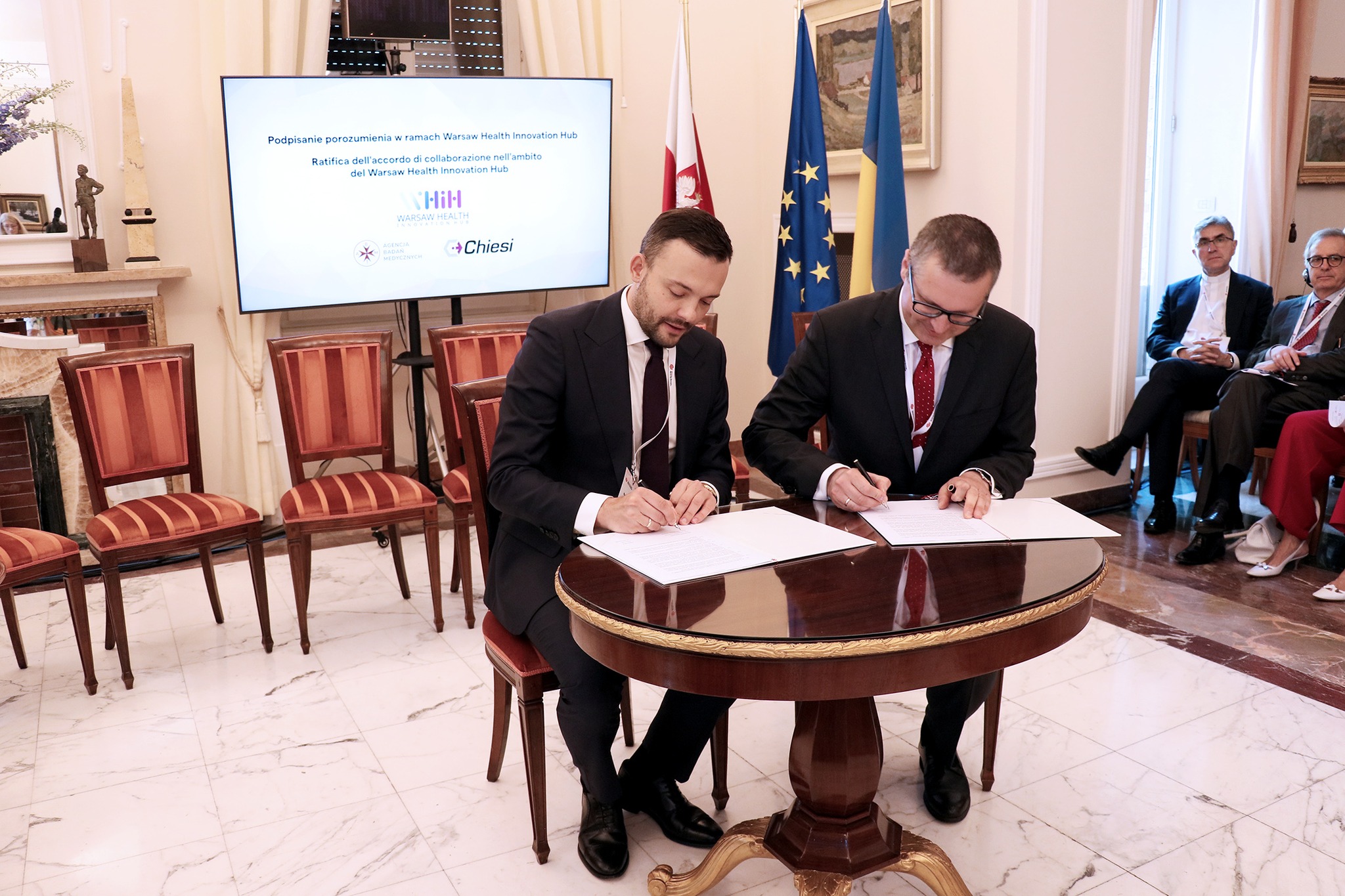
Before the discussions began, Chiesi Poland joined the Warsaw Health Innovation Hub, a Central European platform promoting collaboration between business, government, and academia to enhance Poland’s position as a hub for medical and biotech innovation.
Strengthening Healthcare Amid Crises
Experts noted that the pandemic only deepened existing health system issues in Poland and Italy. Health debt in cardiology and oncology had accumulated even before COVID-19.
Prof. Tomasz Hryniewiecki stressed that cardiovascular diseases remain the leading cause of death in Poland, and the National Cardiovascular Disease Program (2022–2023) is a response to current challenges.
Prof. Adam Maciejczyk highlighted the role of innovation in oncology and the importance of data analysis in improving care through the National Oncology Network.
Prof. Giorgio Minotti explained that COVID-19 disrupted treatment programs, screenings, and surgeries in Italy, calling for better use of financial resources to expand access to innovative therapies.
Prof. Mariano Bizzarri discussed research into antibiotics produced in space, where fungi yield compounds unattainable on Earth—a project he hopes to continue with support from Poland’s Medical Research Agency.
Health Committee Chairman Dr. Tomasz Latos noted that international cooperation and technology were key to overcoming the pandemic, and Poland’s response to Ukrainian migration benefited from lessons learned.
Dr. Fortunato Paolo D’Ancona from Italy’s National Institute of Health advocated for an international molecular diagnostics network to better prepare for future crises.
Experts from both countries emphasized the importance of EU funds under national recovery plans to improve healthcare system efficiency.
Polish-Italian Healthcare Cooperation
Participants underscored the significance of bilateral cooperation in response to the humanitarian crisis caused by the war in Ukraine. Dr. Marek Migdał from the Children’s Health Institute praised collaboration with Bambino Gesu Hospital as a model of pediatric solidarity.
Prof. Paolo Rossi emphasized the need for unified protocols and joint action, while Prof. Federica Wolf called for a broader view of public health, especially in training future healthcare professionals.
Dr. Francesco Cuttaia suggested creating intermediate care structures to reduce hospital burdens and improve access to primary and outpatient care.
Innovation, Investment, and EU Cooperation
Prof. Vincenzo Antonelli emphasized that healthcare solutions must be coordinated at the European level before being implemented locally.
Dr. Donato Bonifazi argued that healthcare innovation should be treated differently than other sectors due to its direct impact on lives.
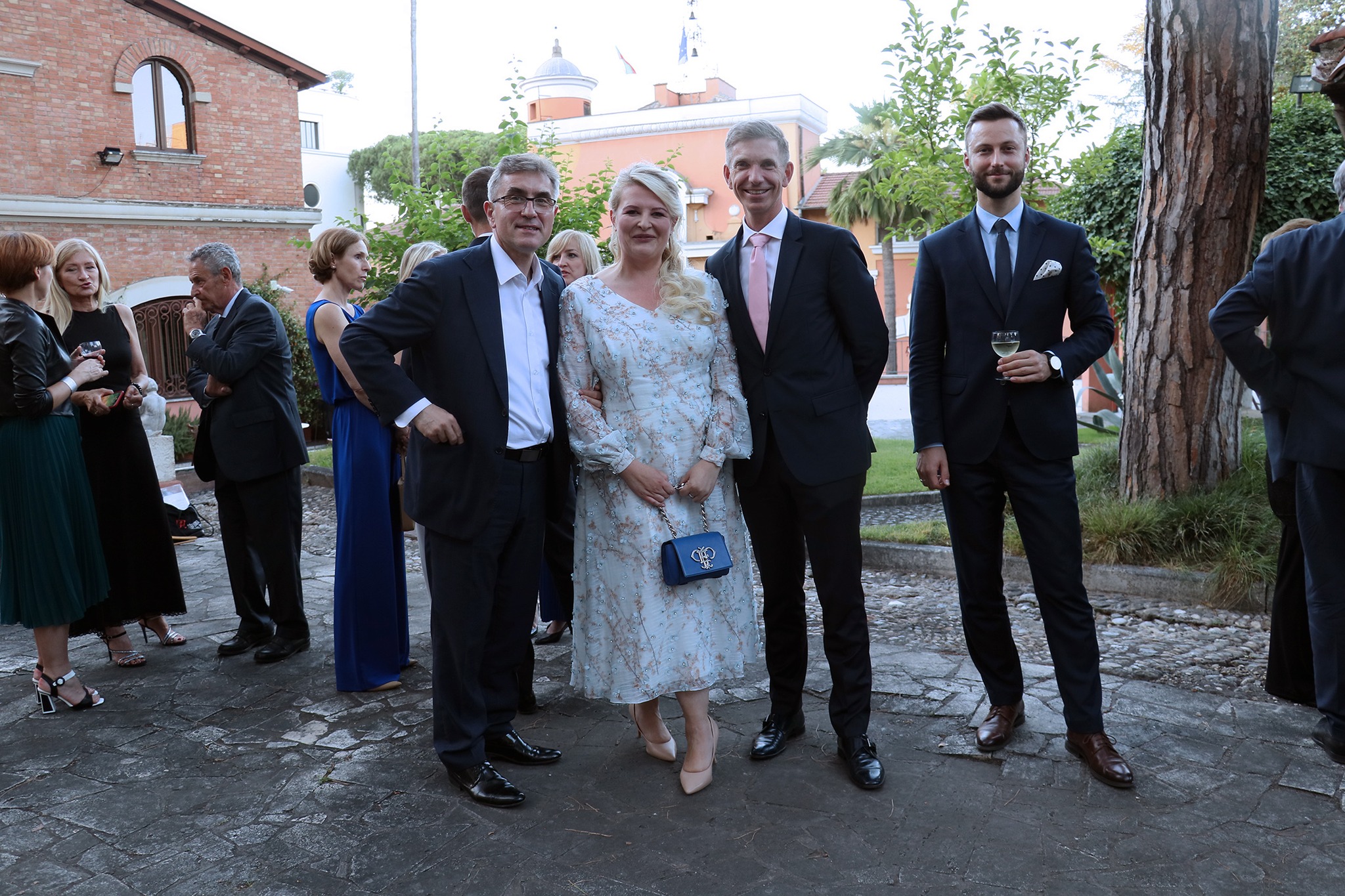
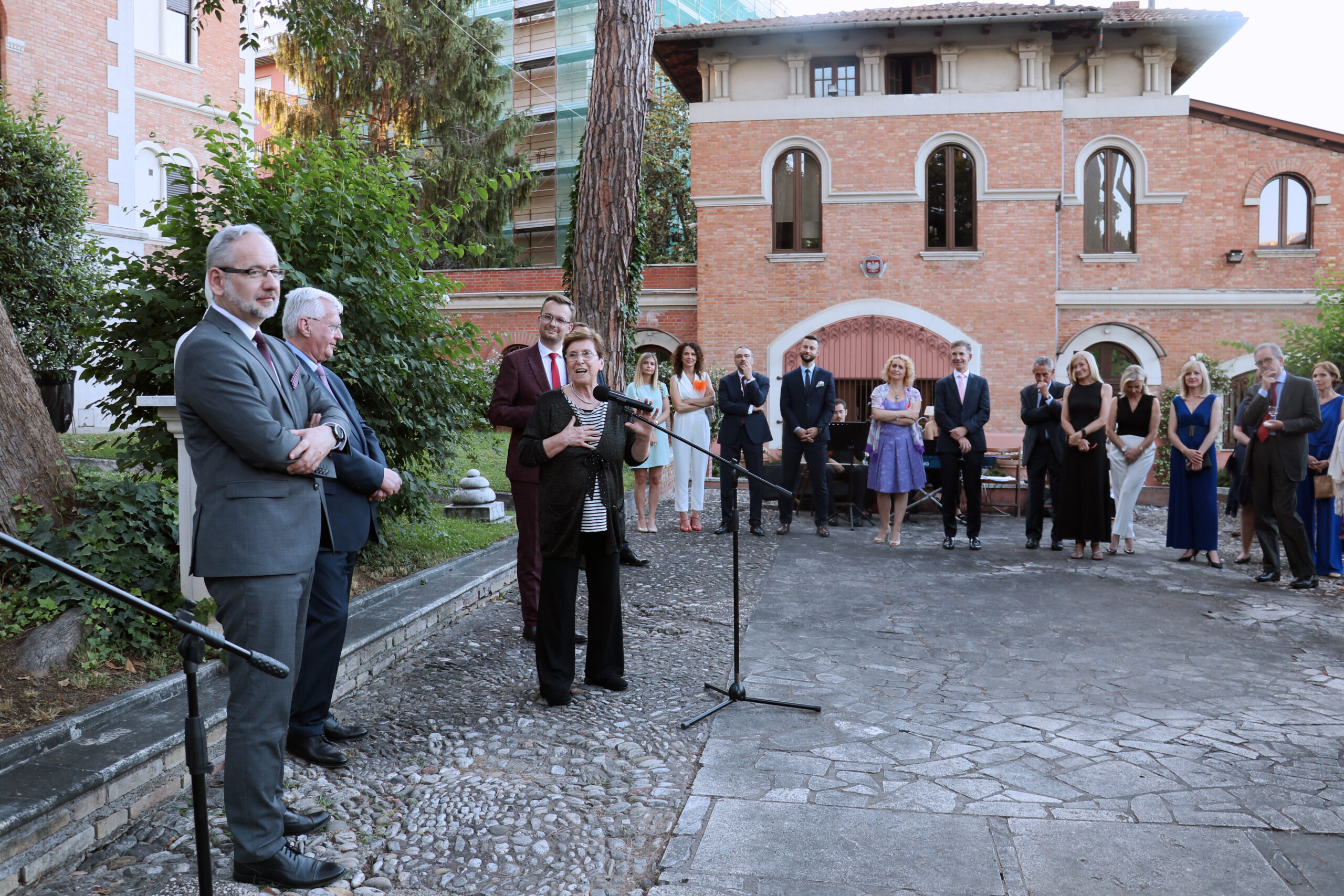
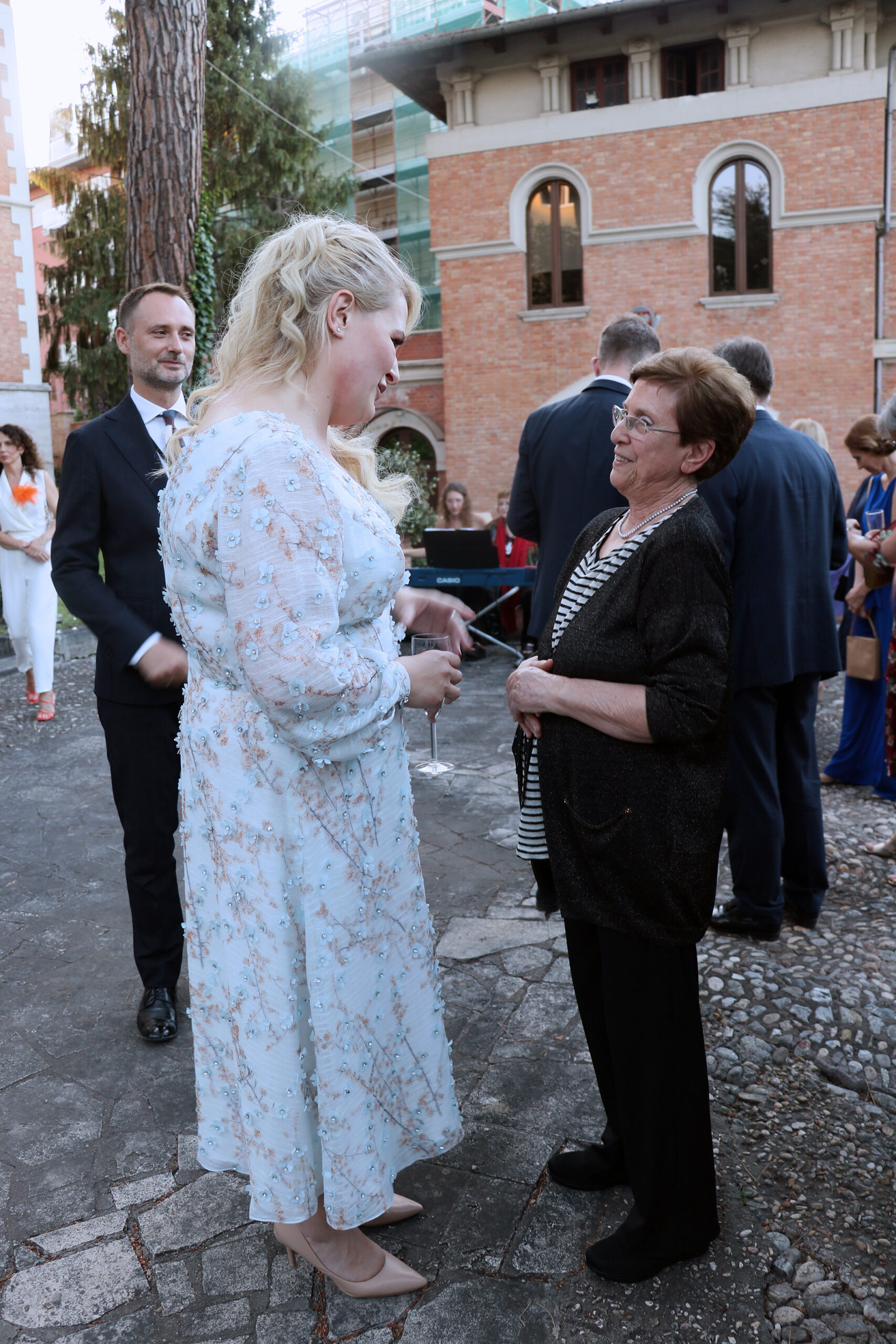
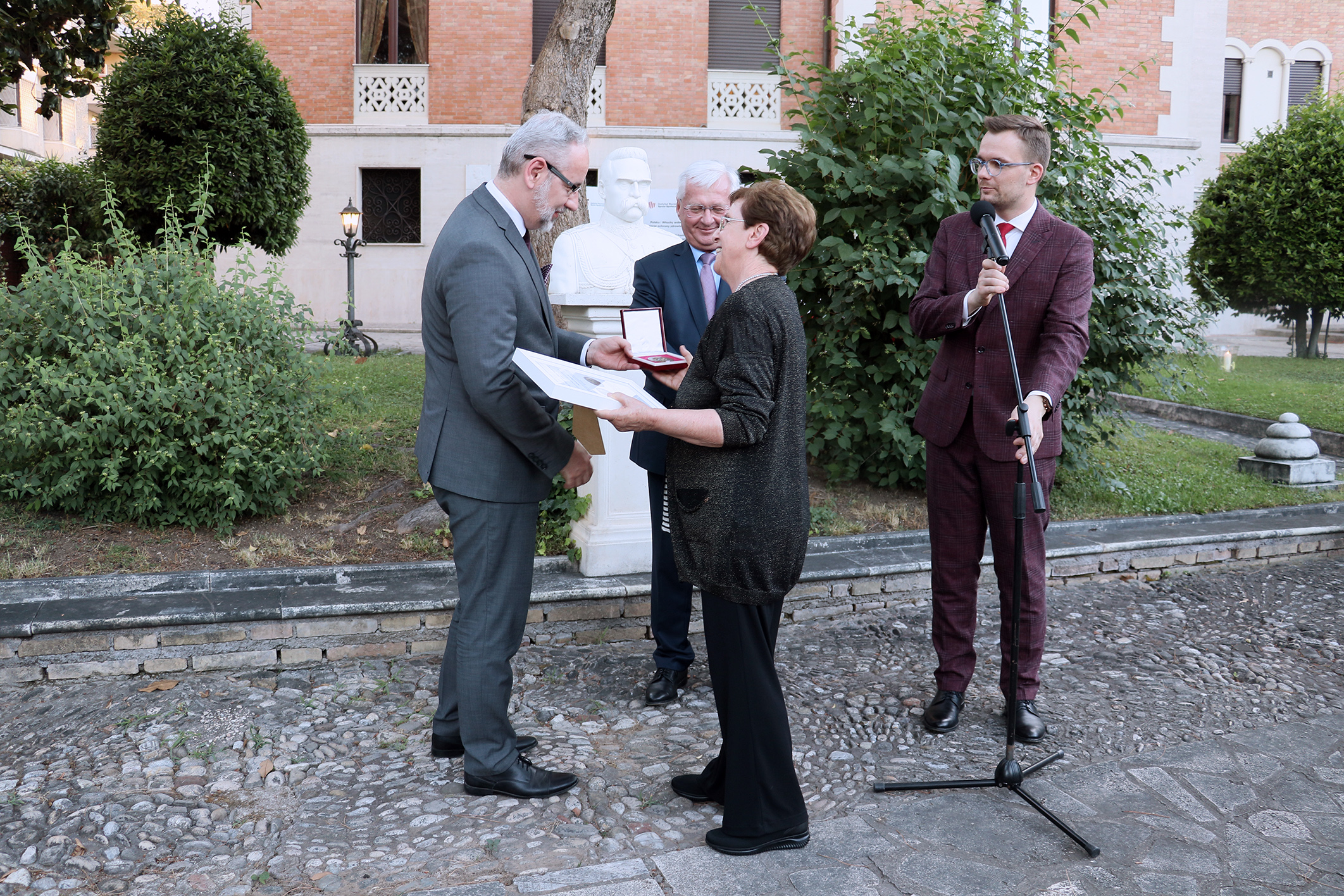
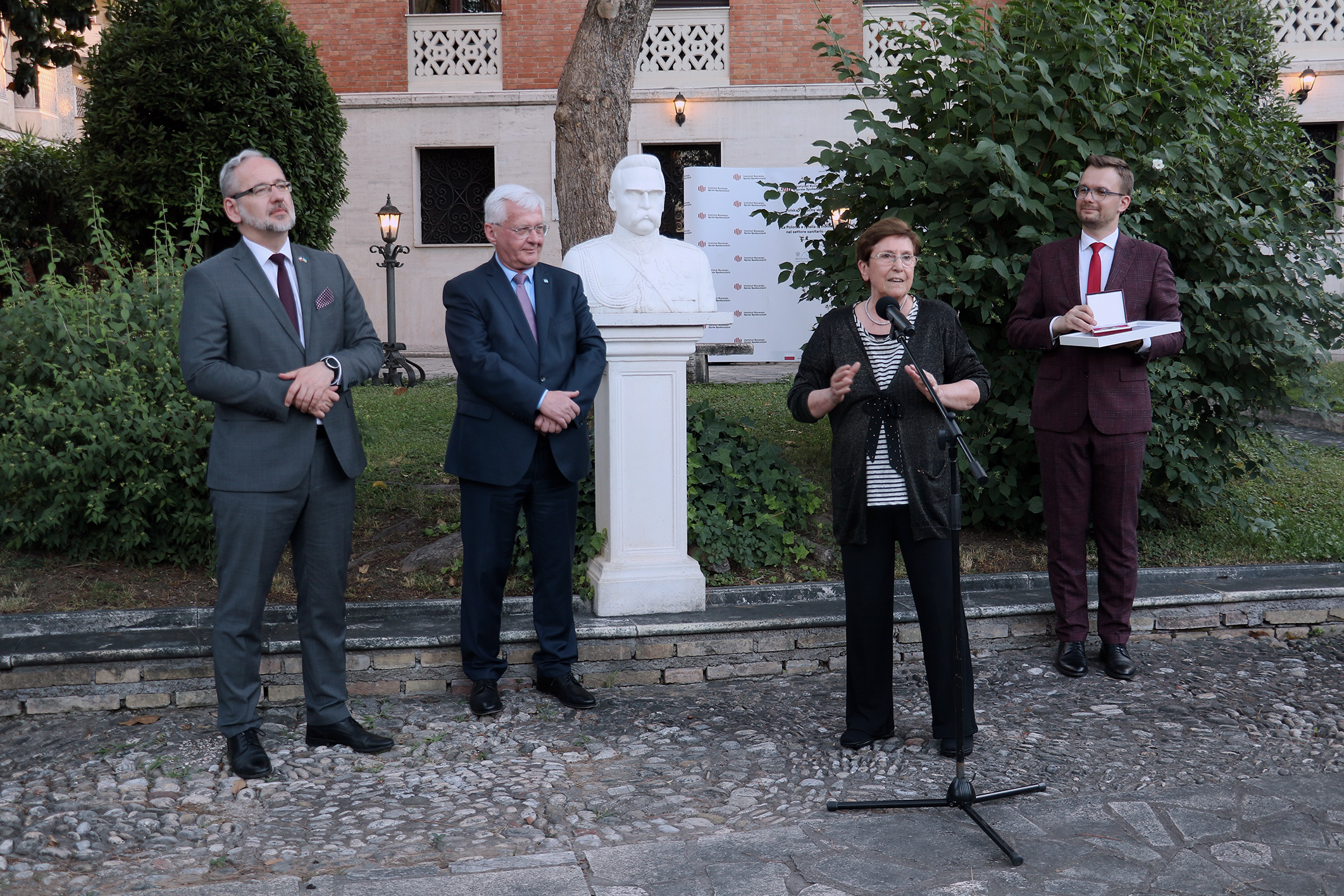
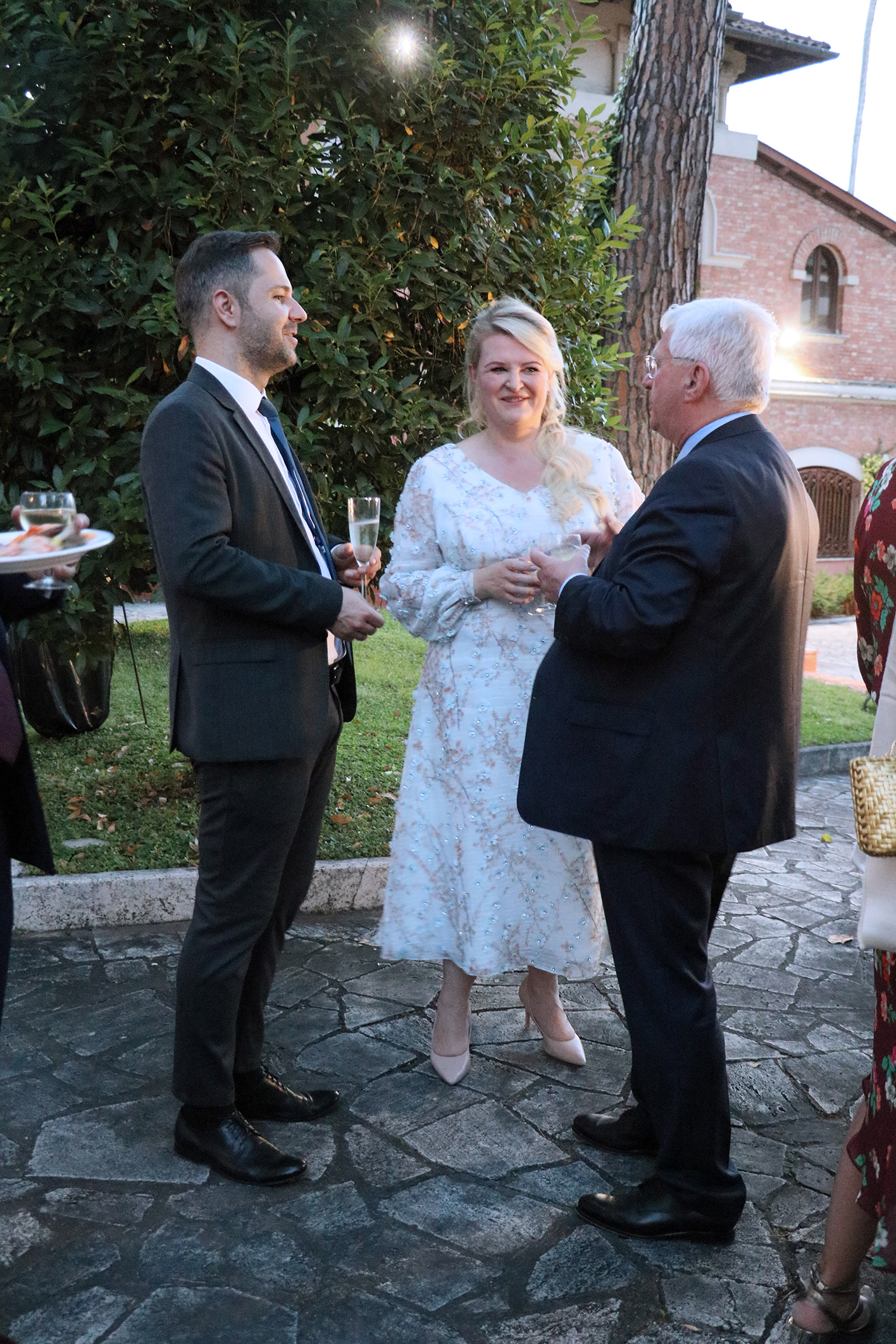
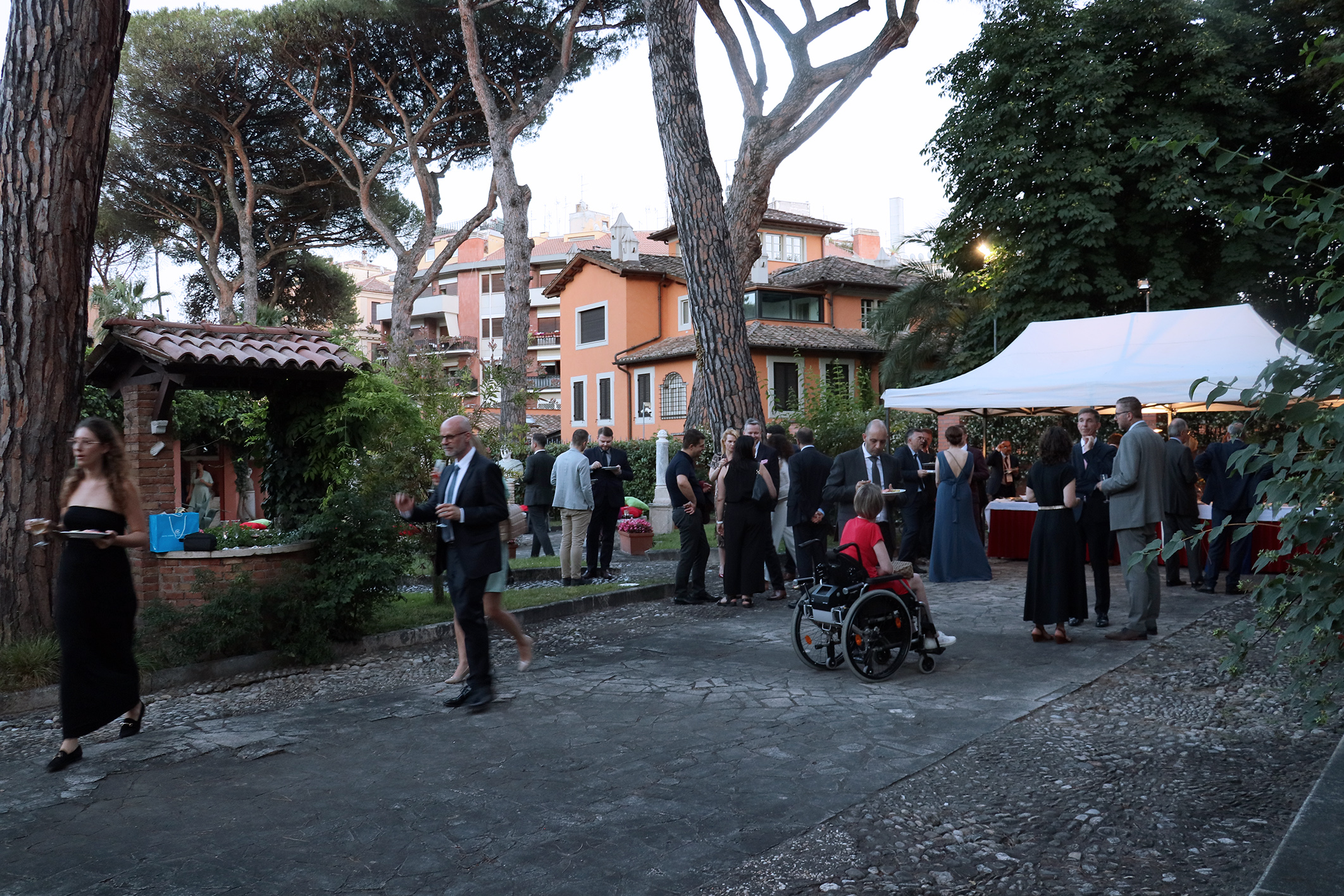
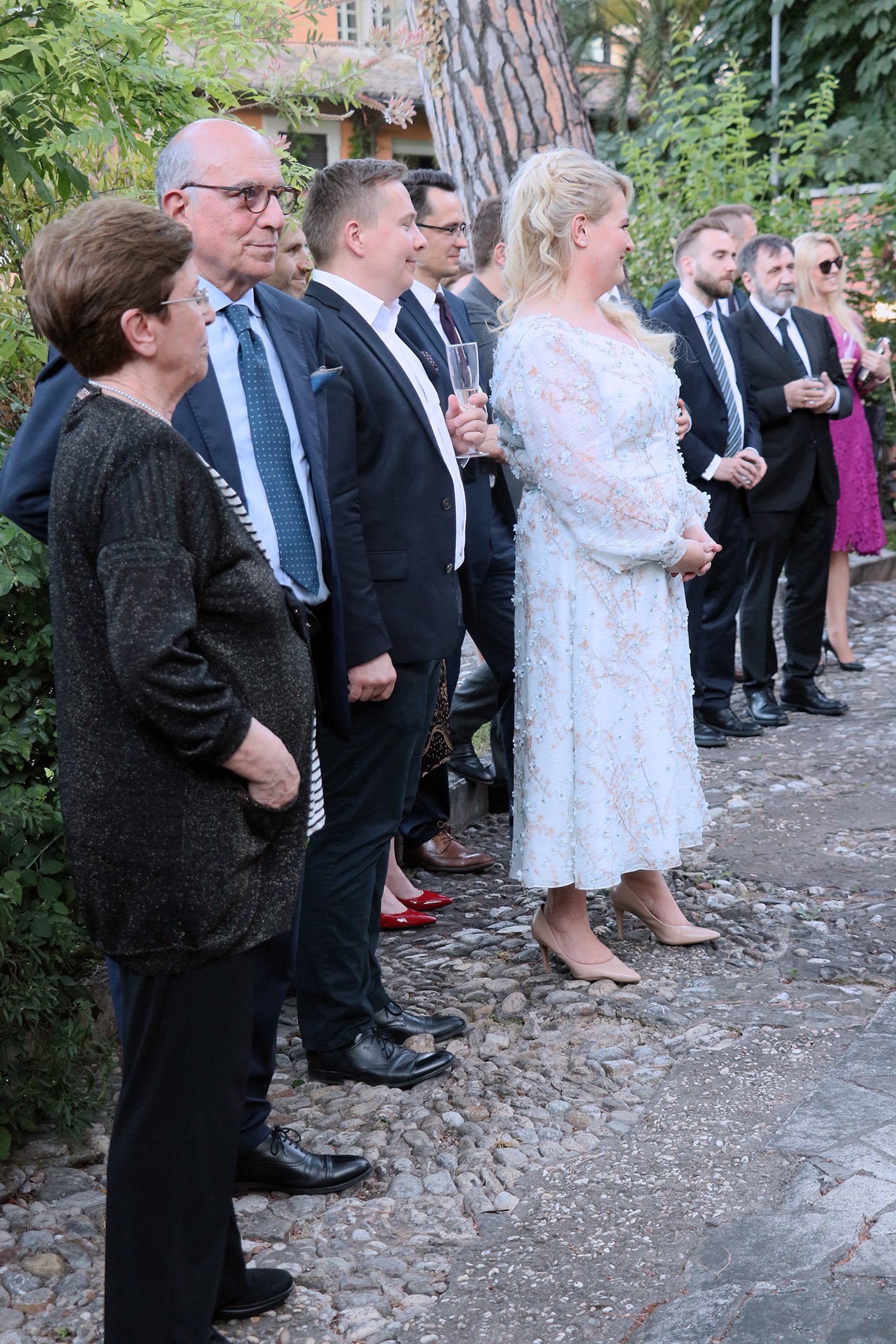
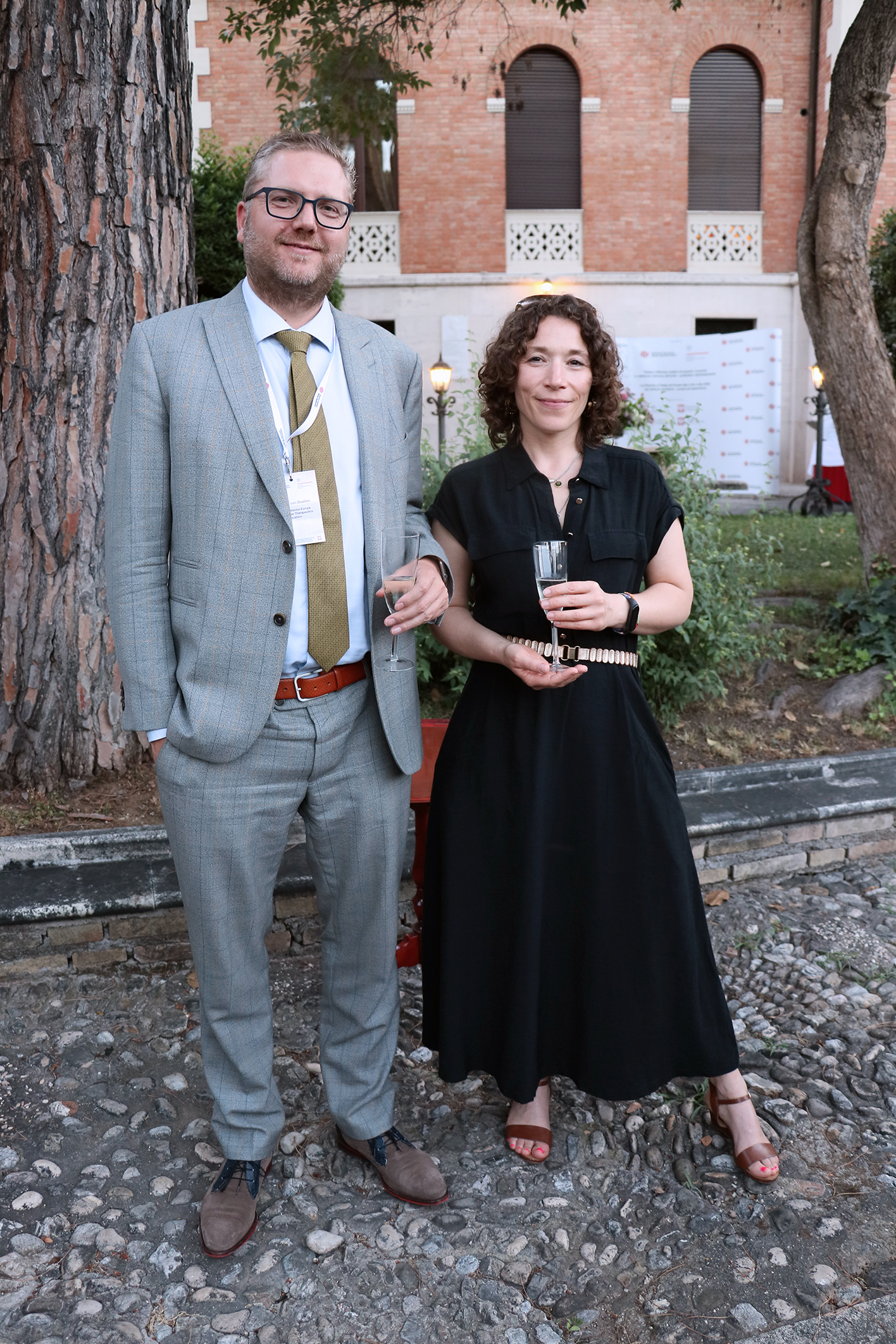
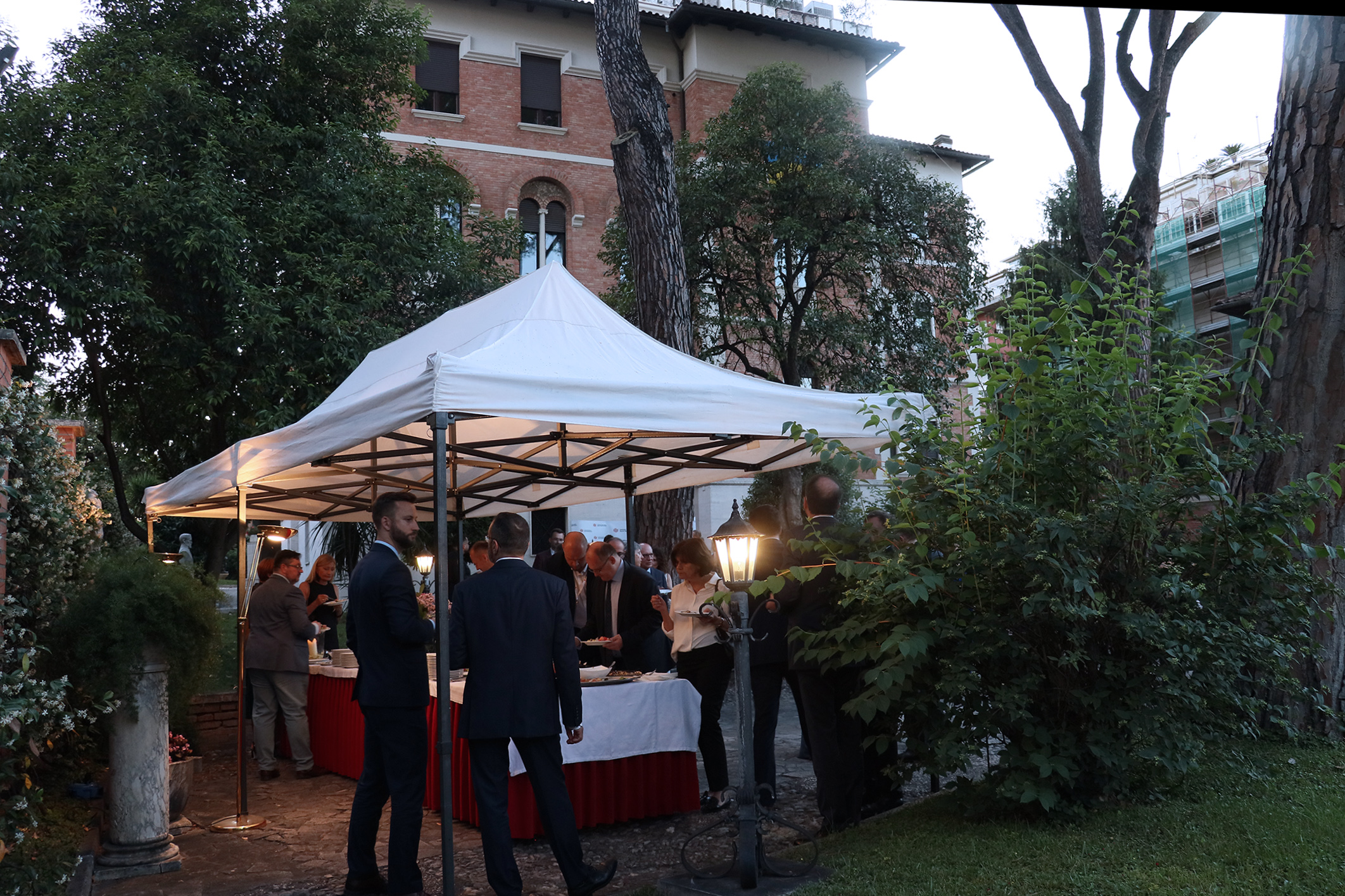
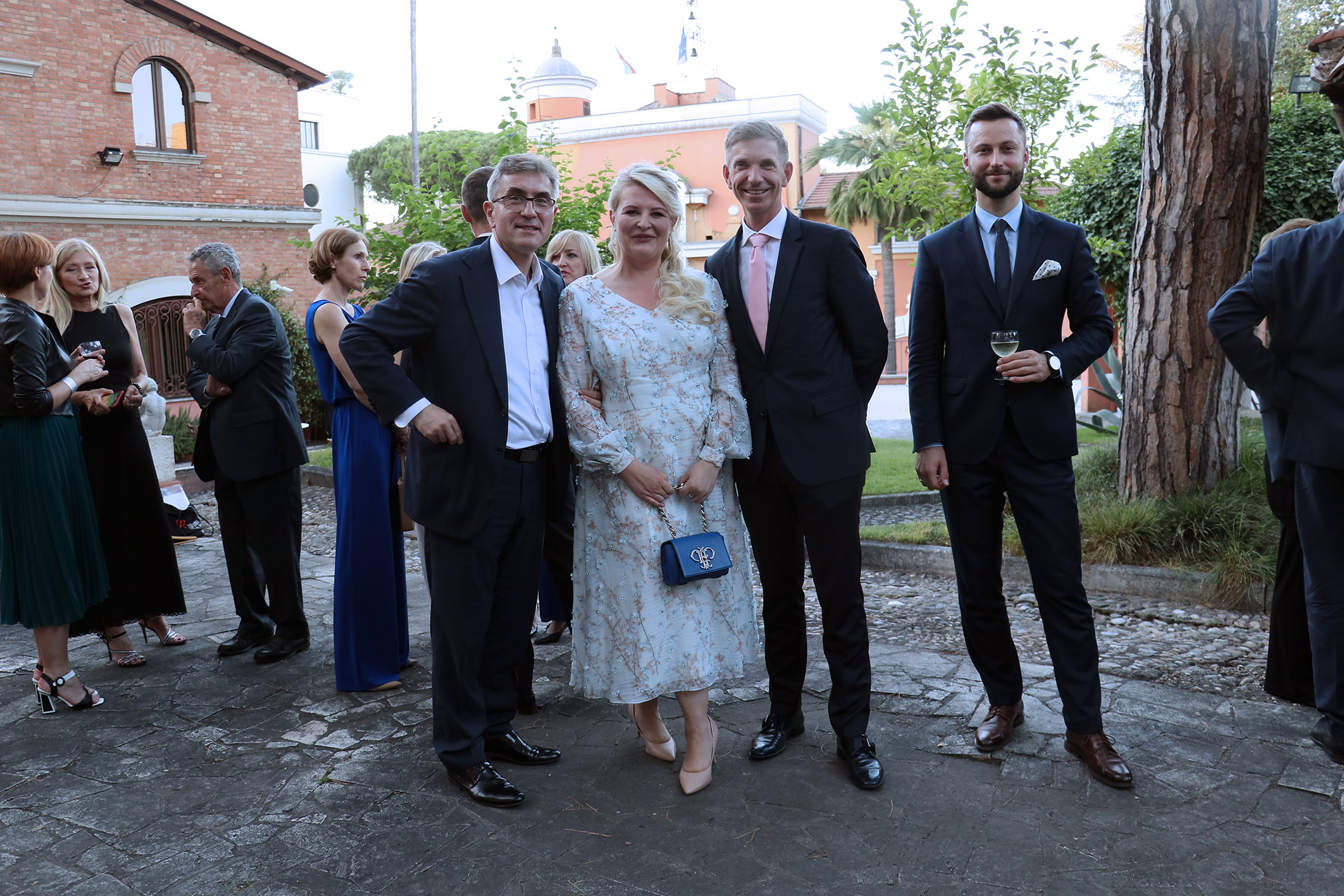
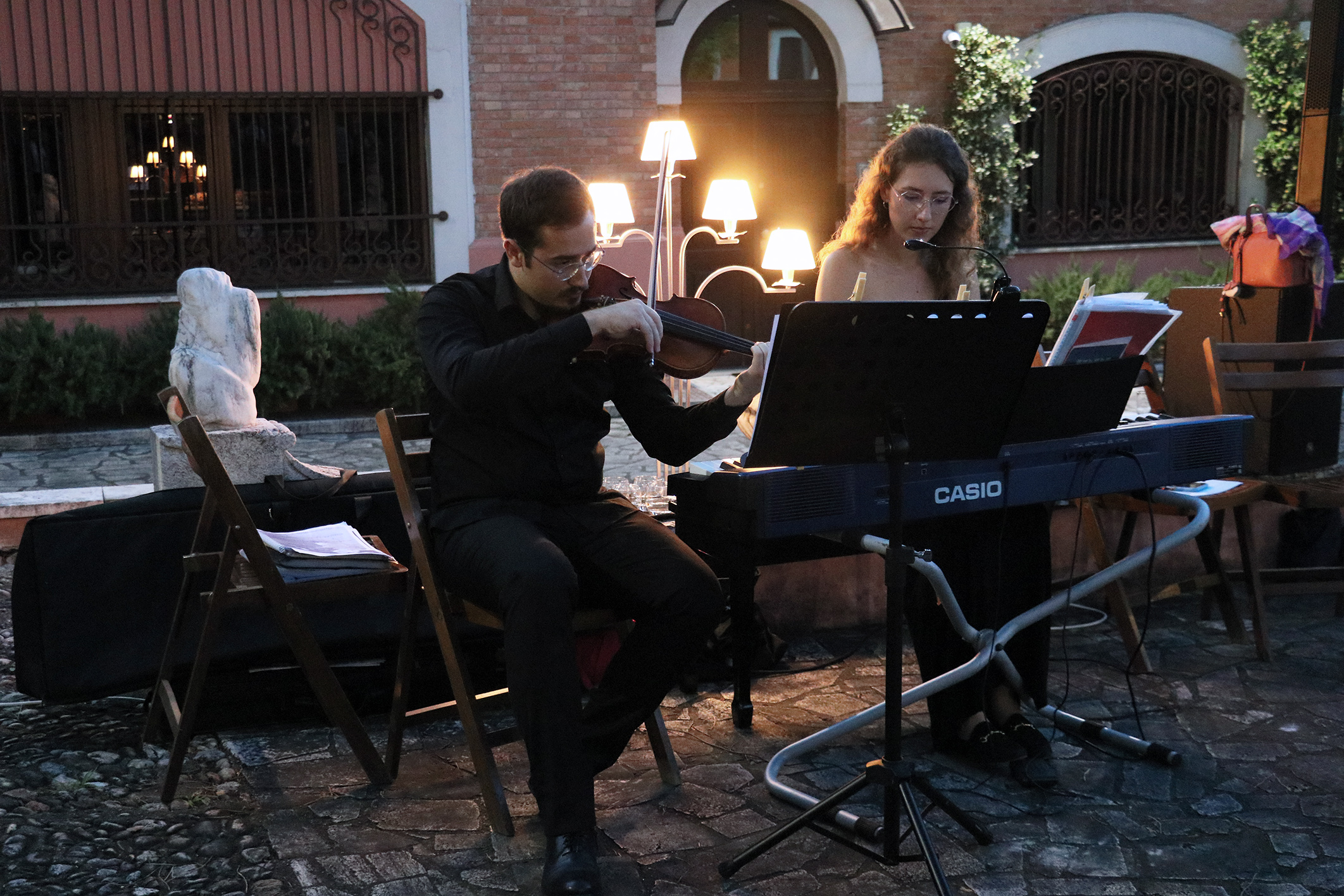
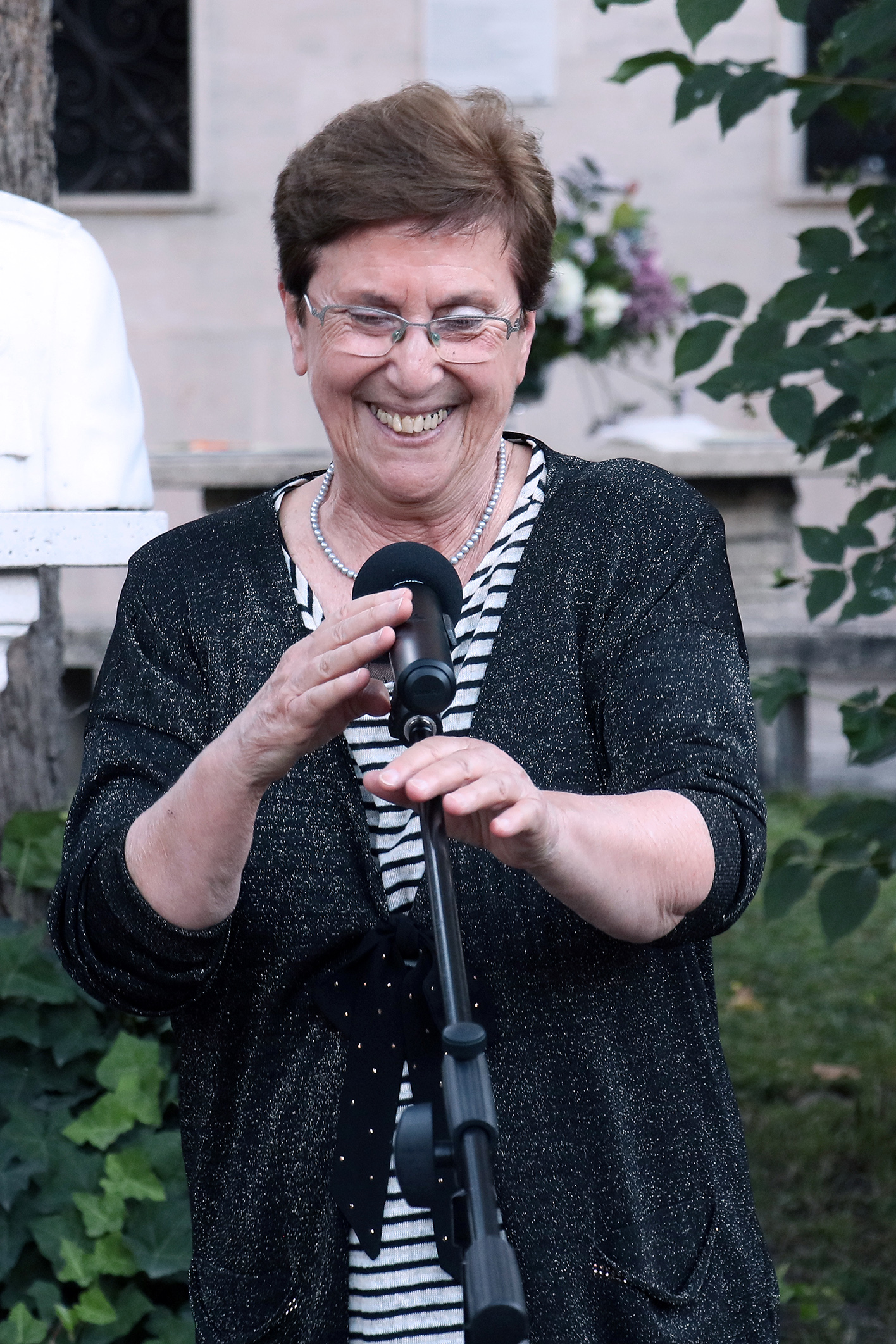
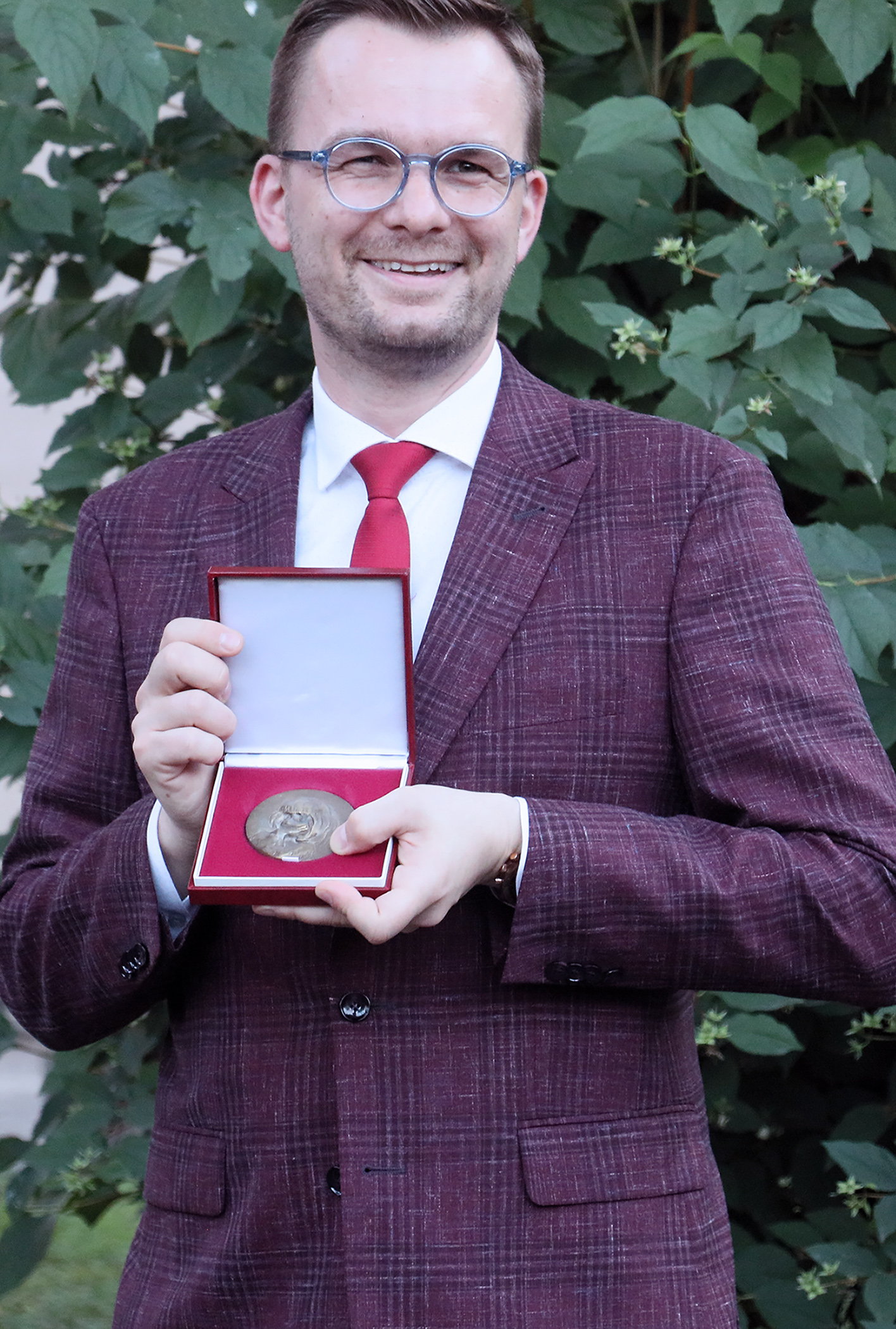
At the banquet, Dr. Marek Migdał awarded Prof. Adriana Ceci with the “Friend of the Children’s Health Institute” medal for her long-standing contributions to pediatric clinical research in cooperation with the institute since 2007.












The conference was held under the Honorary Patronage of: the Medical Research Agency, the Ministry of Health, the Ministry of Education and Science, and the Ministry of Development and Technology.