Projects
backPolish cardiologists are sounding the alarm about the urgent need to reduce the health debt.
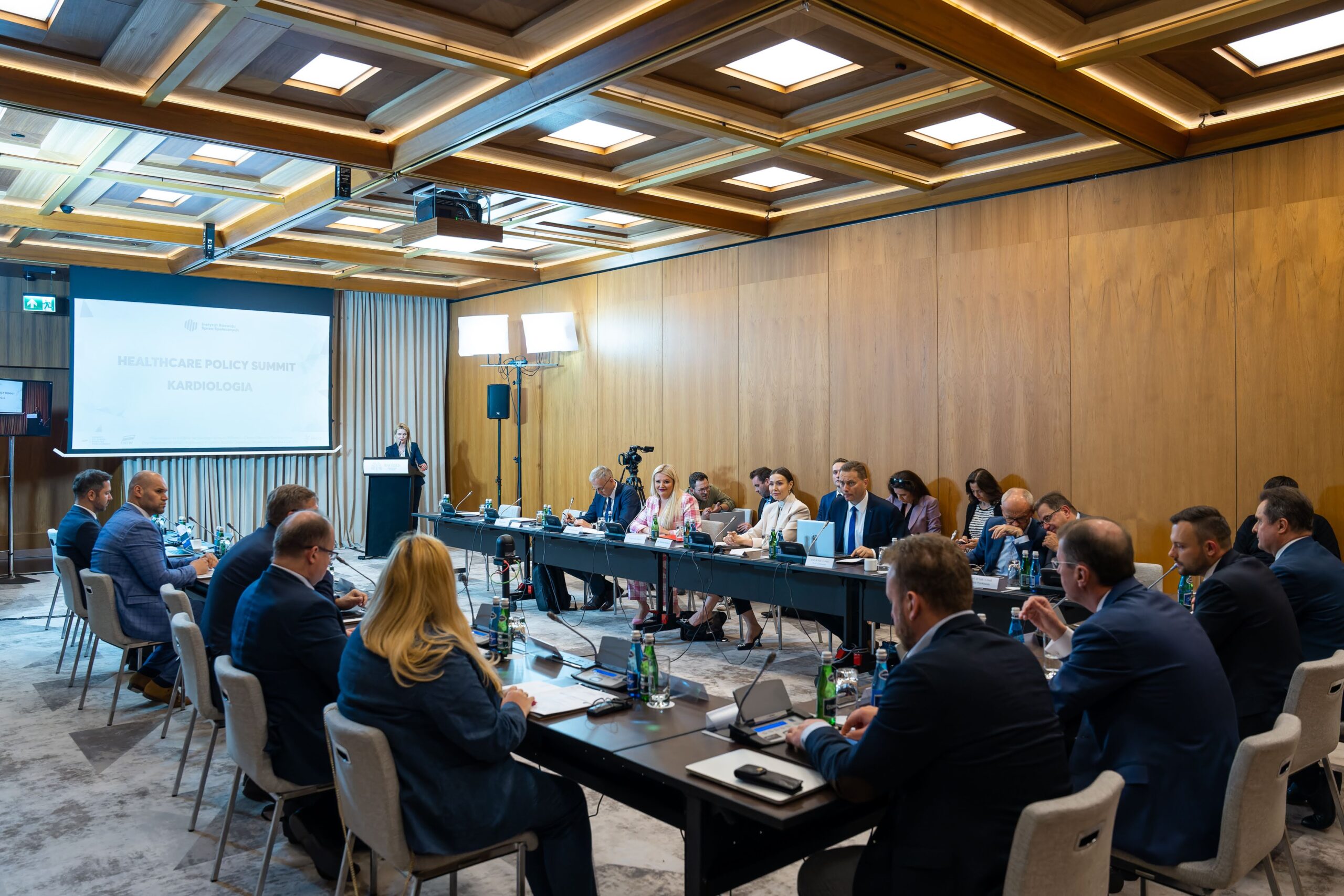
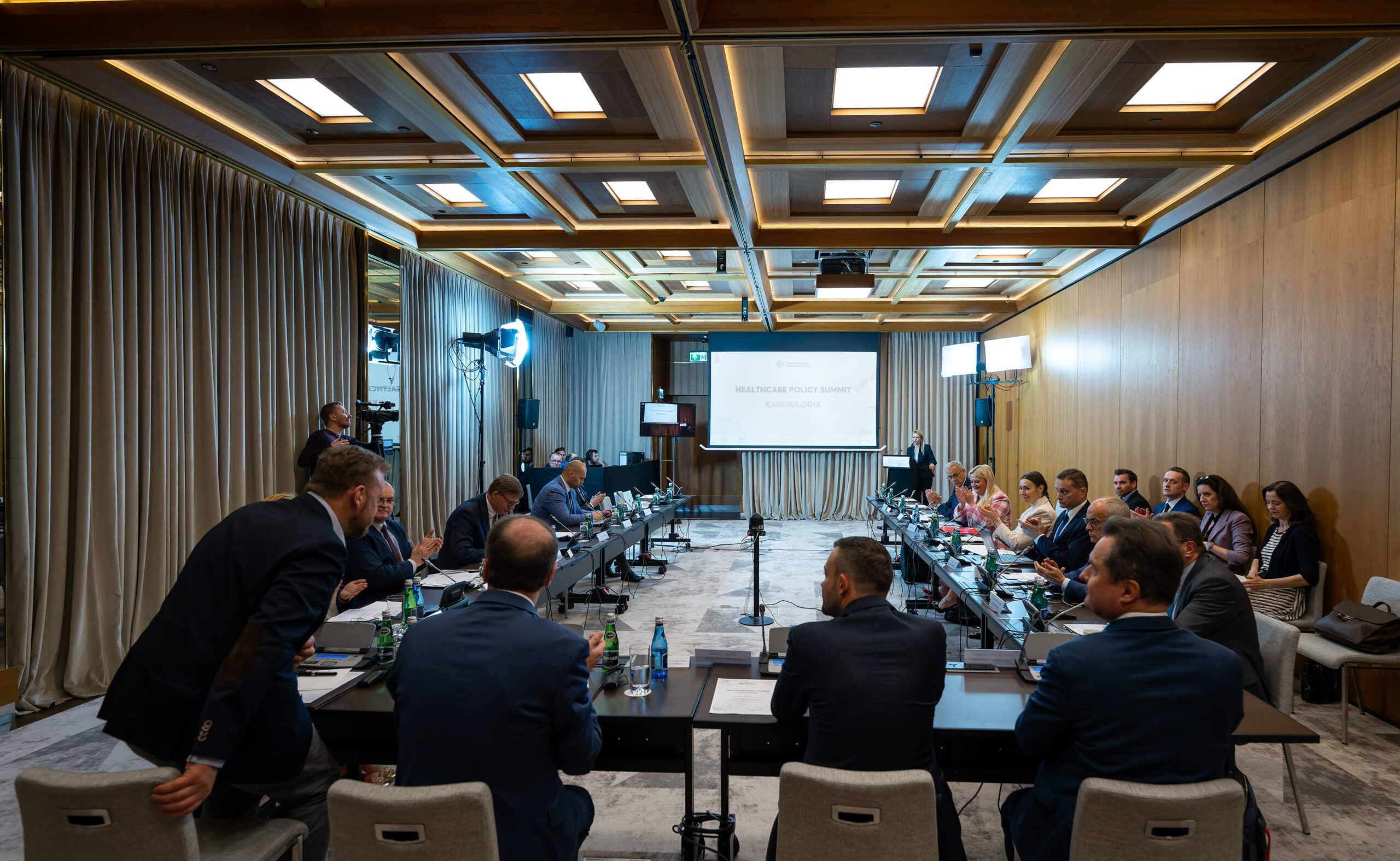
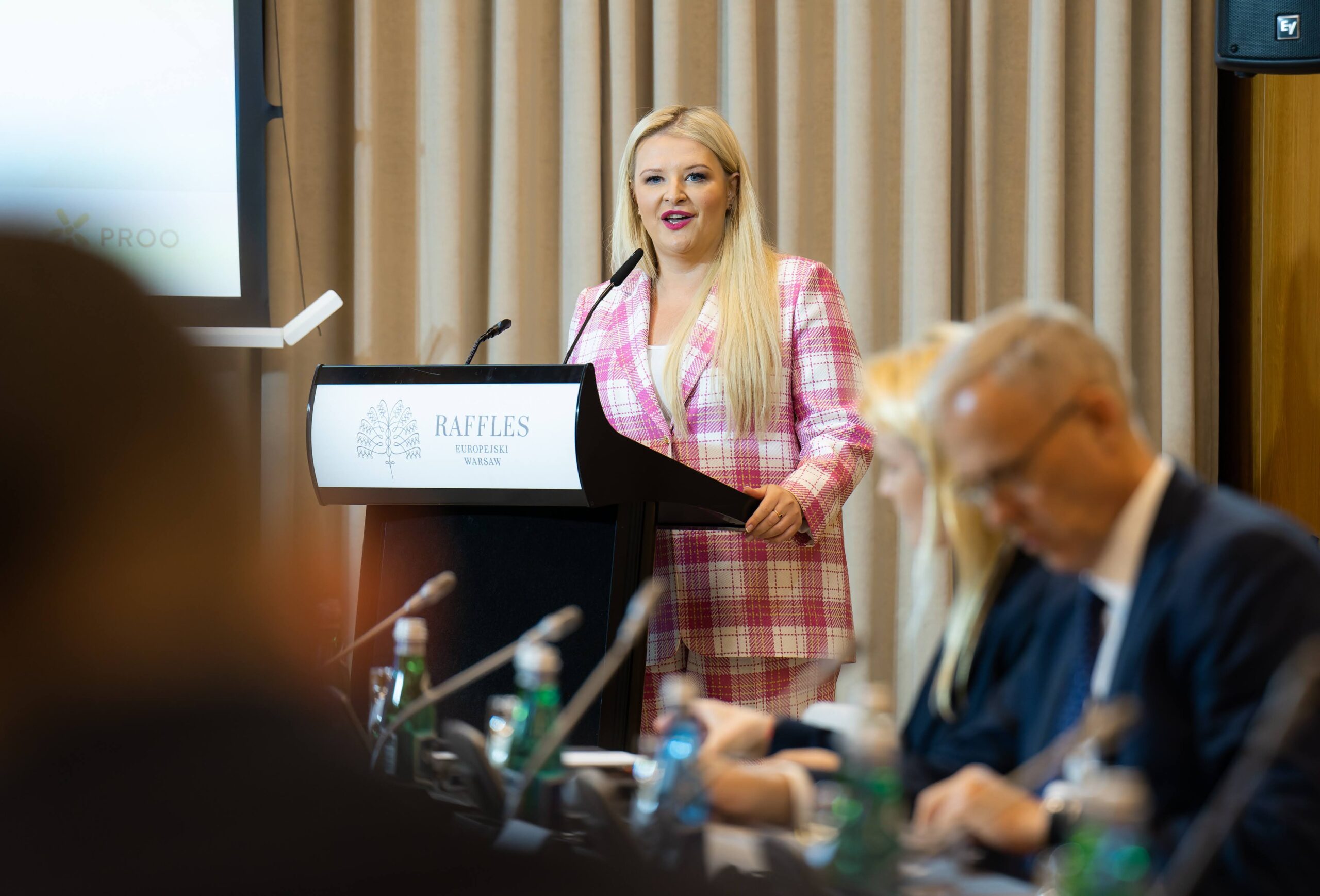
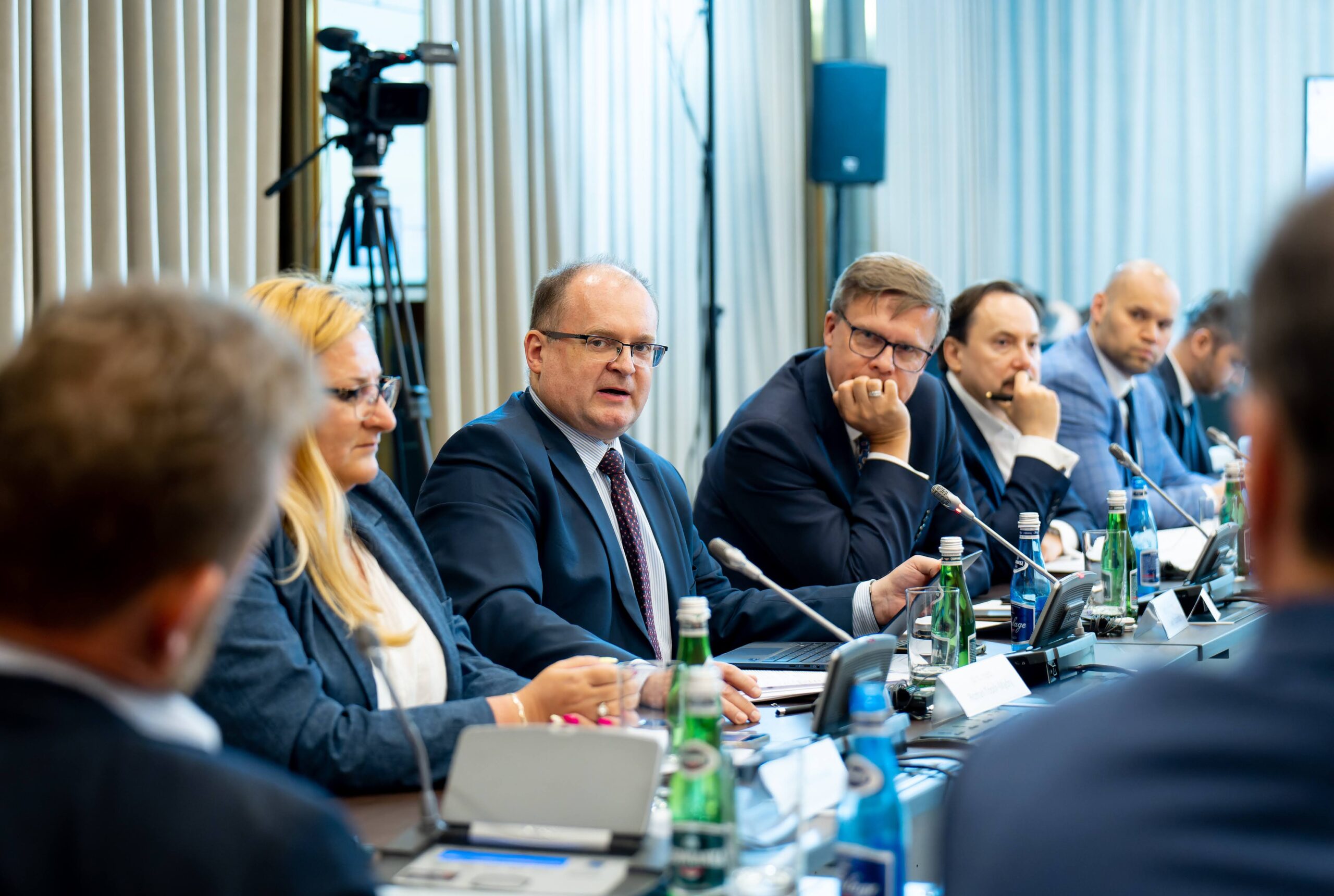
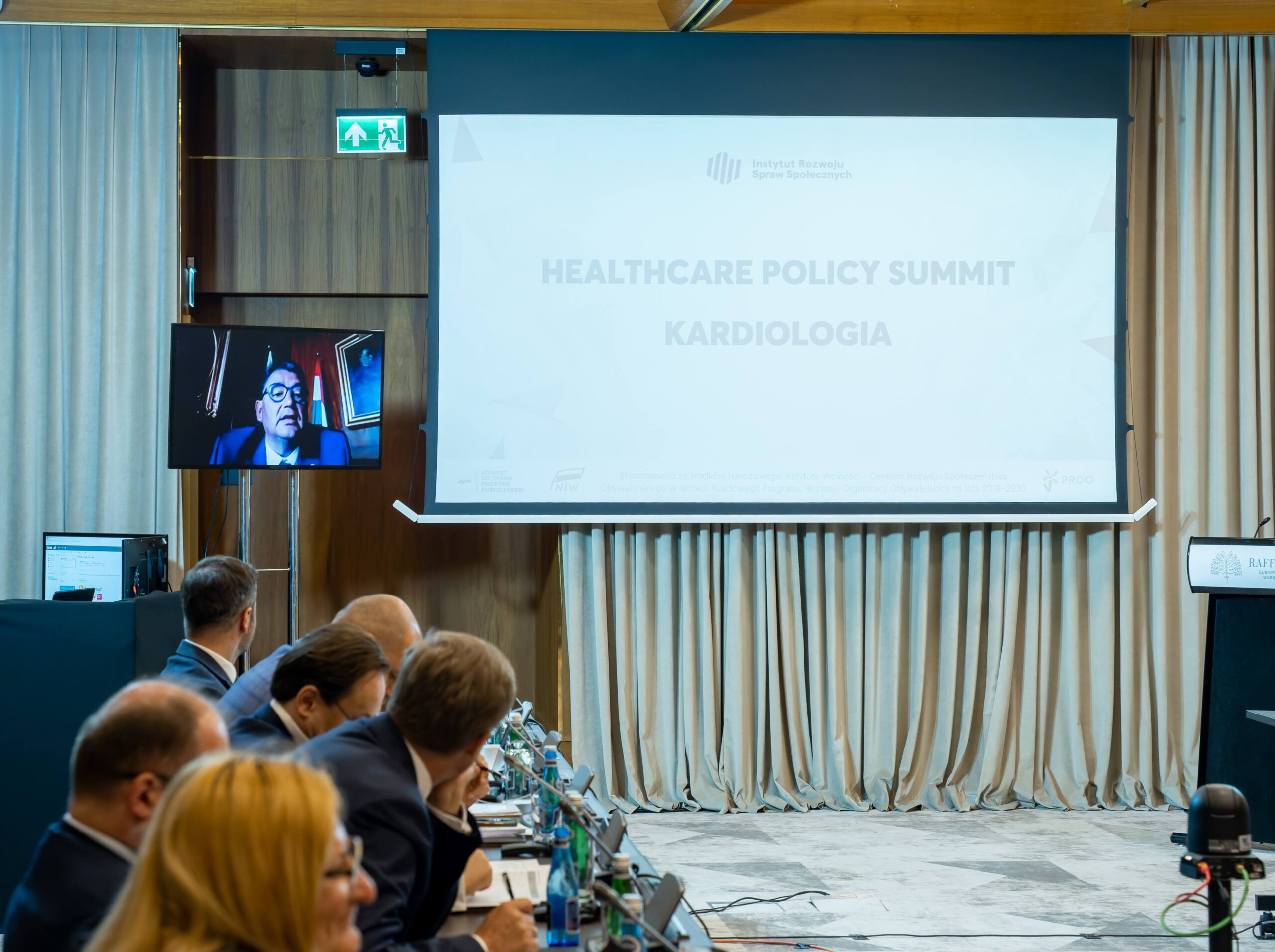
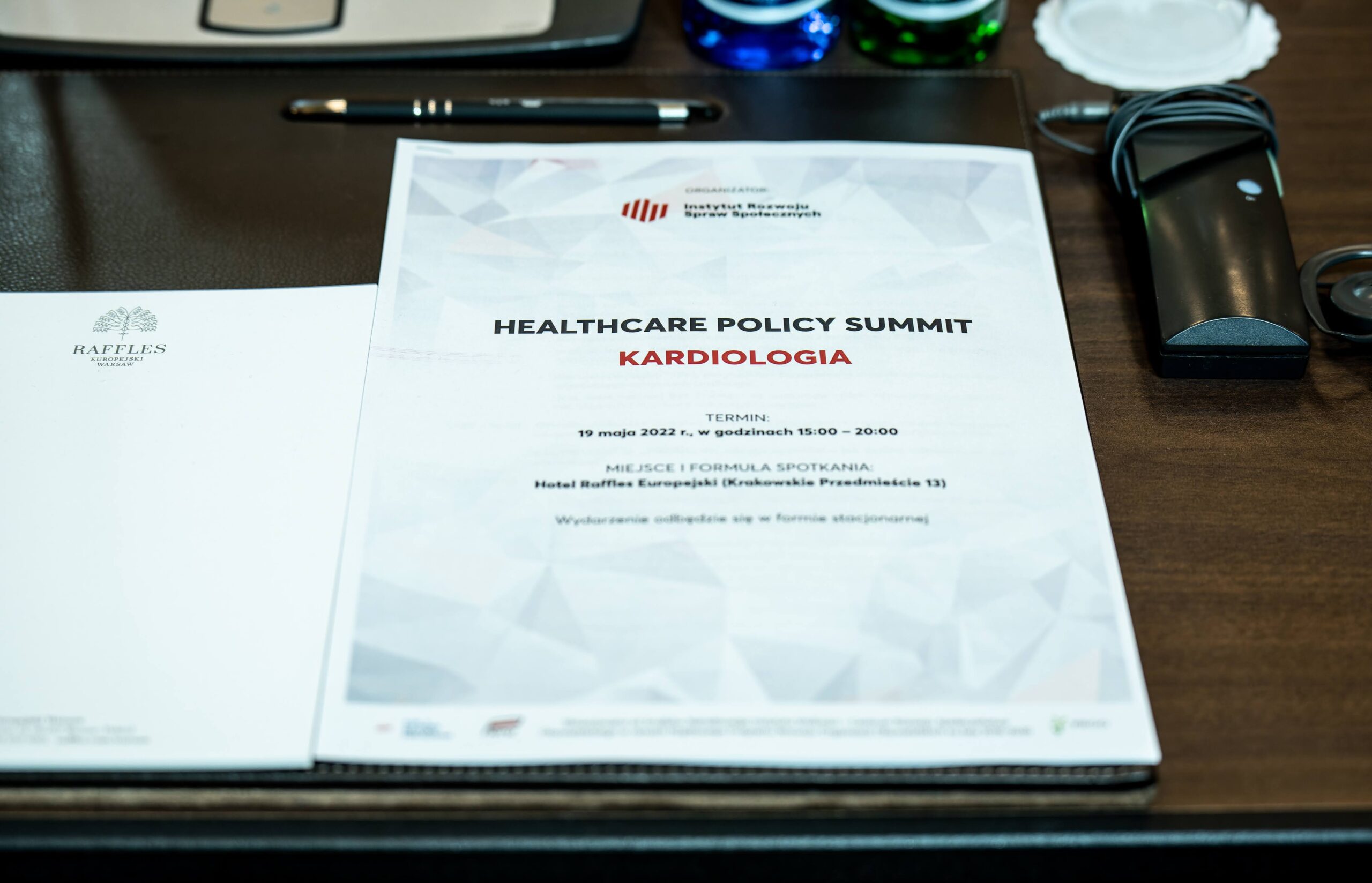
During the first edition of the “HEALTHCARE POLICY SUMMIT” – a new expert meeting format initiated on May 19, 2022, by the Institute for the Development of Social Affairs – leading Polish cardiologists emphasized the need for immediate action to halt the growing spiral of “health debt,” particularly in cardiology. Participants highlighted alarming statistics: cardiovascular diseases remain the leading cause of death in Poland.
Source: Polska Agencja Prasowa
Even before the pandemic, four Poles were dying every 15 minutes from heart failure, and cardiac conditions were being called the “epidemic of the 21st century.” COVID-19 and the strain it placed on the healthcare system further worsened the situation. The crisis had been growing for years, and the pandemic only exacerbated the already difficult condition of cardiovascular patients.
Given the scale of the problem, the Institute dedicated the first edition of the summit series, focused on urgent healthcare priorities, to cardiology. Leading Polish and international experts took part in the discussion. The goal was not only to assess the current state and the most pressing challenges in cardiology but also to develop systemic action plans.
Prof. Tomasz Hryniewiecki, National Consultant in Cardiology and Minister of Health’s Plenipotentiary for the National Cardiovascular Disease Program 2022–2032, emphasized that “Poland is perceived as a high-risk country regarding cardiovascular diseases, and while many European nations face similar issues, we are still catching up with the West.” He added, “Cardiology is still the number one cause of death in Poland. Not oncology—oncology is second. In Western Europe, it’s the other way around. They’ve already done the work that still lies ahead for us.”
The National Program has entered the government’s legislative process, and the pilot of the National Cardiology Network has begun. “Our main goal is to shorten the patient pathway—from diagnosis to access to modern treatment in top centers, and then return to primary care, clearing the way for others,” said Prof. Hryniewiecki.
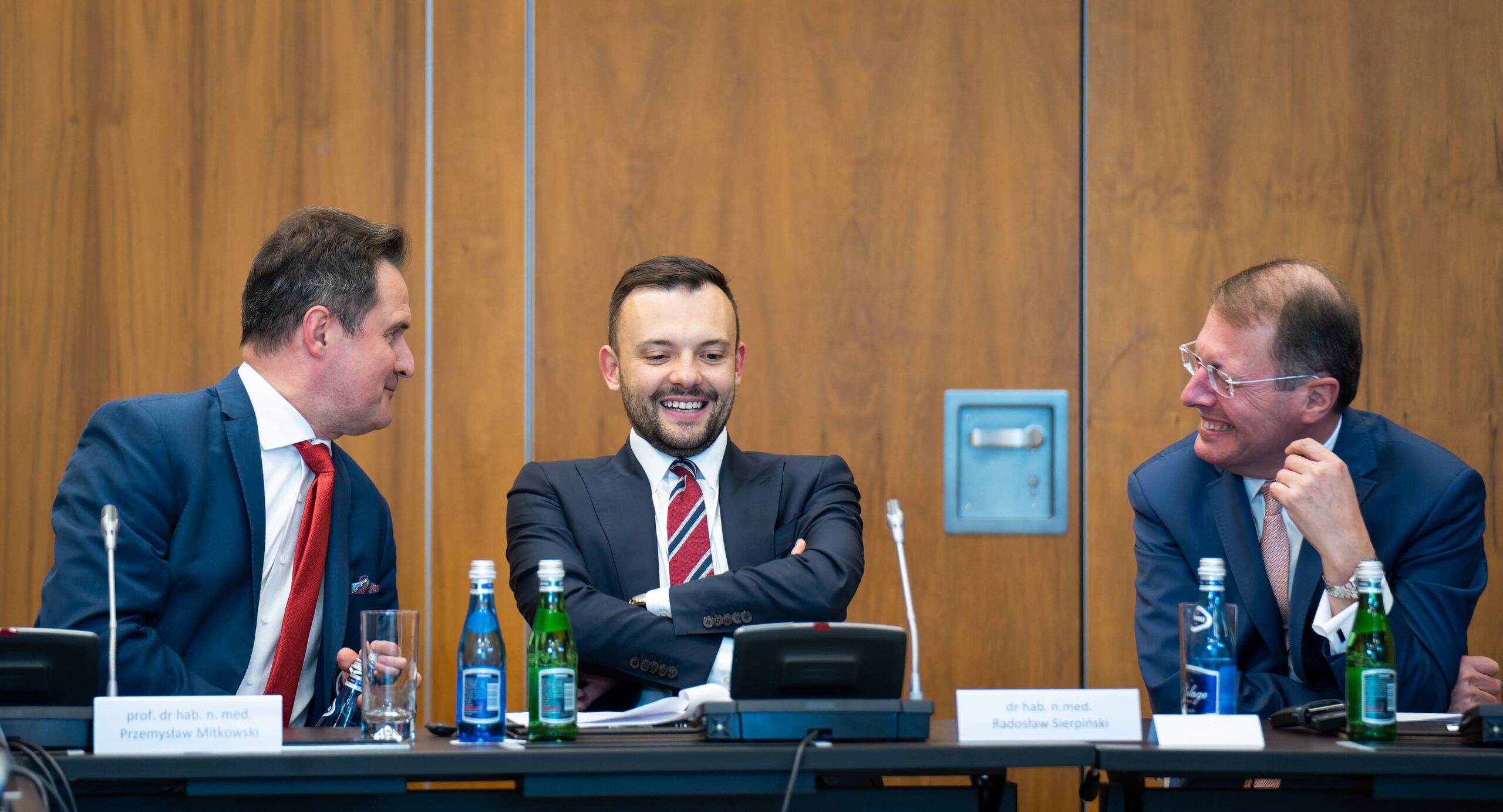
Prof. Przemysław Mitkowski, President of the Polish Cardiac Society, pointed out that in 2021, Poland recorded an excess mortality of 154,000, with 63,000 due to non-COVID causes—mainly cardiovascular diseases. In 2020, there were 67,000 more deaths than in 2019, 17% of which were due to heart conditions.
Survivors who didn’t receive timely medical help are now progressing to more severe stages of heart failure, requiring intensive care, further burdening the system. “The so-called cardiac debt is really the unmet need in diagnosing and treating cardiovascular risk factors,” explained Prof. Mitkowski.
His observations were confirmed by Prof. Béla Merkely, Rector of Semmelweis University in Budapest, who noted a drop in hospitalizations and cardiac interventions during the pandemic, not due to fewer illnesses, but delayed or canceled procedures and patients avoiding hospitals for fear of infection.
Experts stressed the need to rethink specialist clinics and primary care. Only a fraction of patients need hospitalization; others, like those with hypertension, could be managed outside of hospitals.
Prof. Robert Gil noted that Poland’s cardiologist-per-capita ratio aligns with the European average. “The issue isn’t staff numbers, but the overload of responsibilities,” he said. Post-heart attack patients shouldn’t see cardiologists for unrelated issues, which could be managed in smaller centers.
Dr. Radosław Sierpiński, President of the Medical Research Agency, advocated for decentralizing cardiac care to improve access, especially outside major cities.
Prof. Piotr Jankowski highlighted the success of the KOS-ZAWAŁ program, which provides year-long post-heart attack care. Participation reduces one-year mortality by over 30% and major cardiovascular events by 25%, but currently only 21% of eligible patients are enrolled.
Matthew Whitty from the UK’s NHS discussed the NHS Accelerated Access Collaborative, which provided over 320,000 patients with access to innovations in 2020–2021, reducing hospital admissions and stays.
The European Union is preparing large programs to rebuild public health, including a €5 billion health initiative and allocating around 10% of the post-COVID recovery fund to healthcare.
Prof. Hryniewiecki concluded: “Money alone isn’t enough. We must reform the entire structure of the healthcare system with the Ministry of Health and the NFZ. Clear patient pathways and shifting some responsibilities to smaller centers could quickly yield visible, positive results.”
Source: PAP MediaRoom
Conference funded by: National Institute of Freedom – Center for Civil Society Development under the Governmental Program for the Development of Civic Organizations 2018–2030.
PHOTO GALLERY