Projects
backRoad to the Presidency: Discussion on Health Priorities of the Polish Presidency in the EU Council
CONFERENCE REPORT.
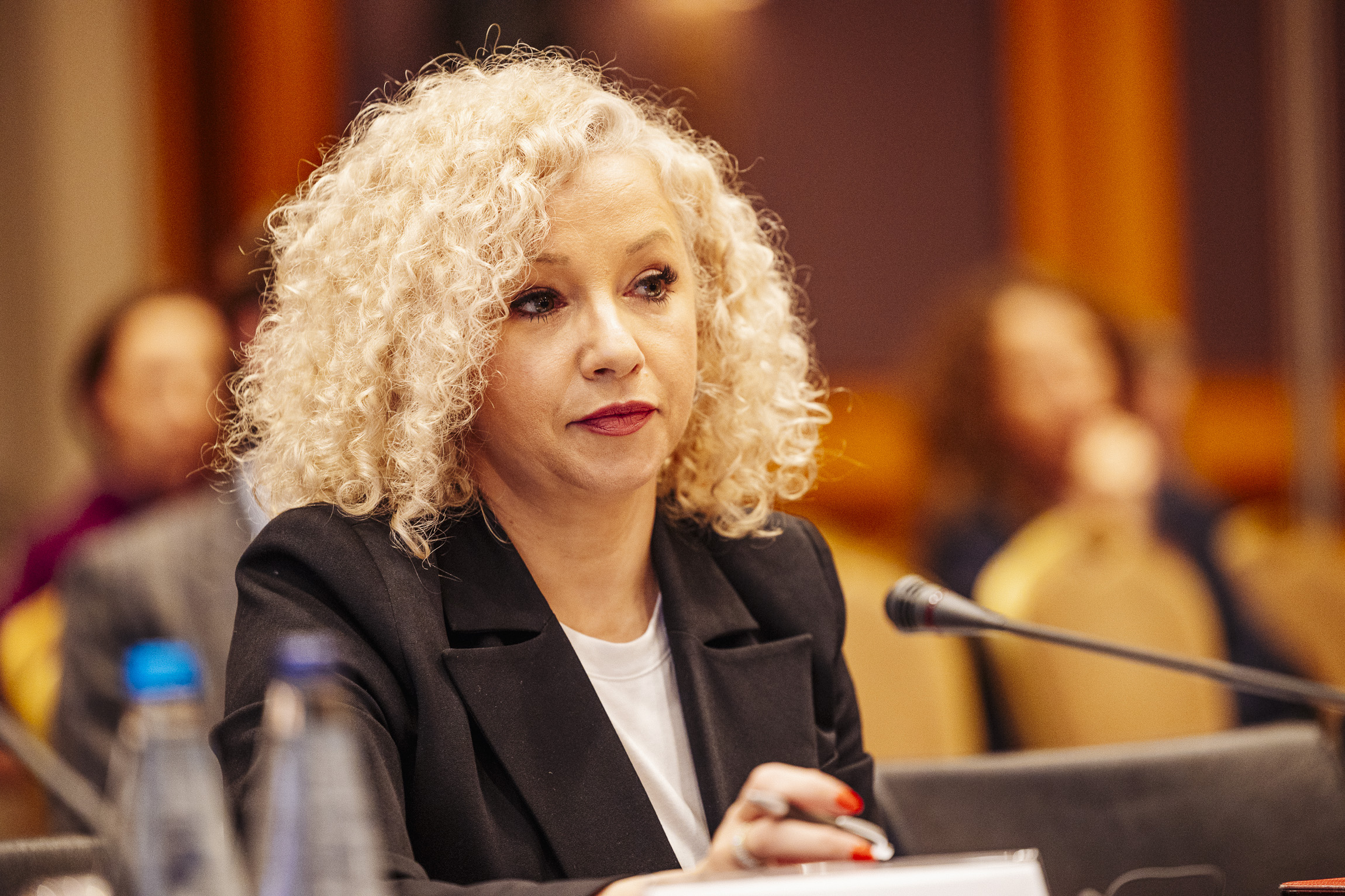
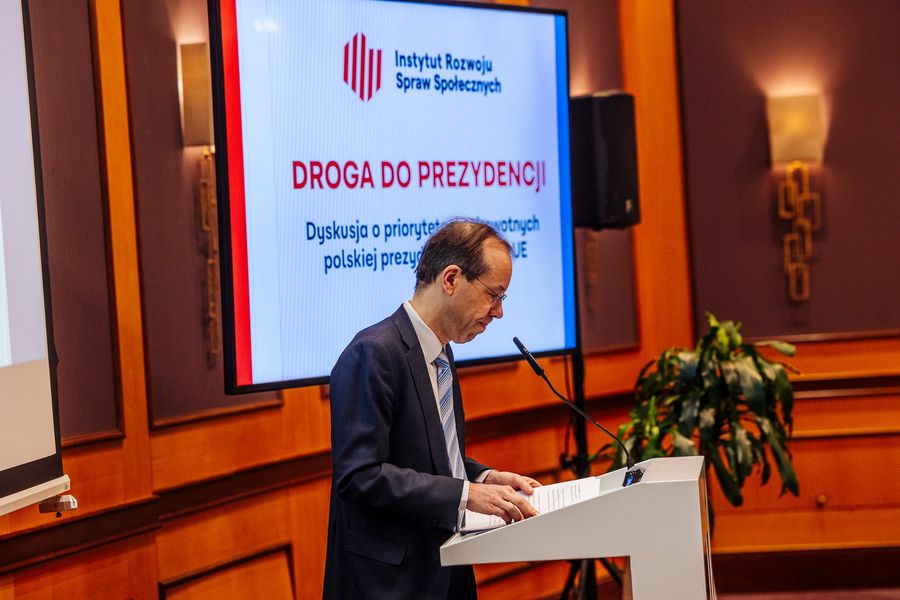
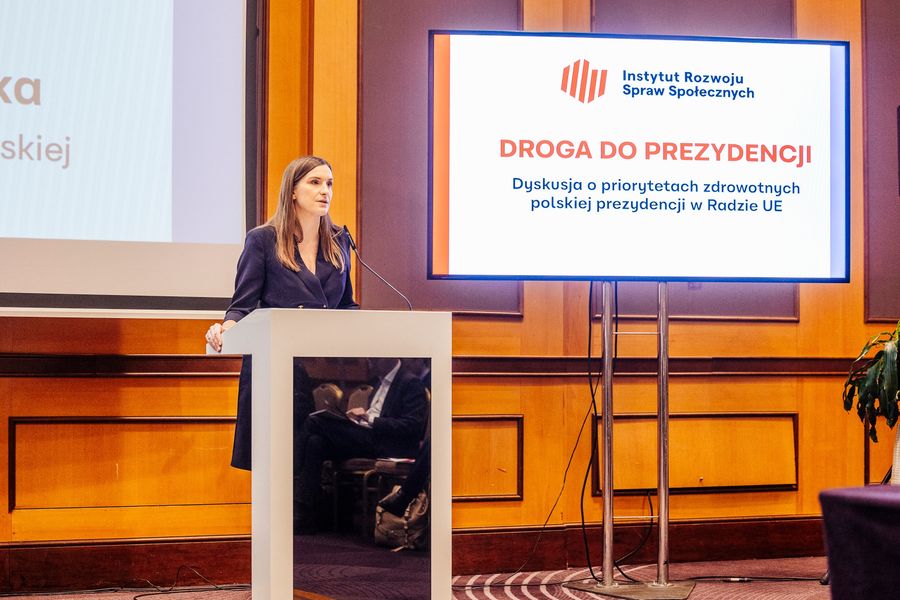
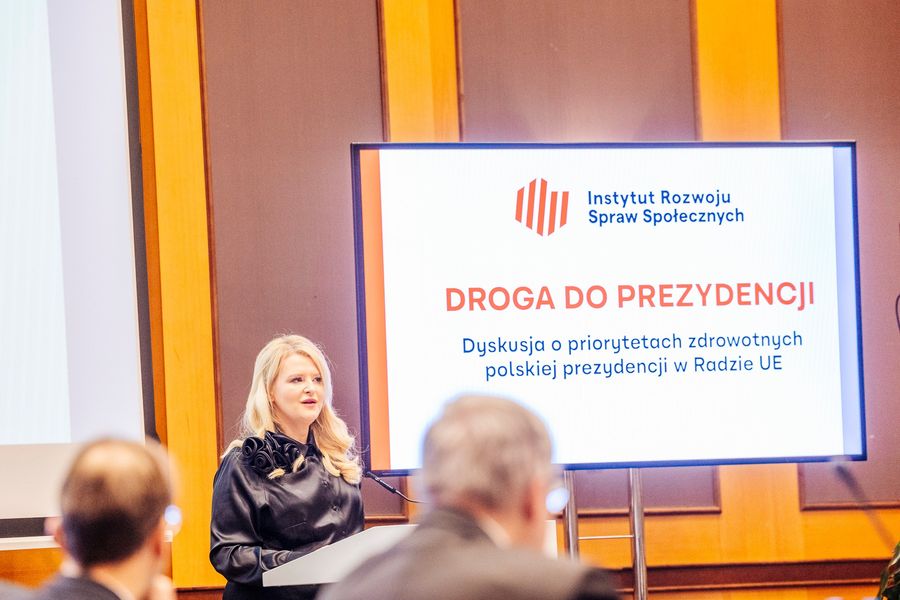
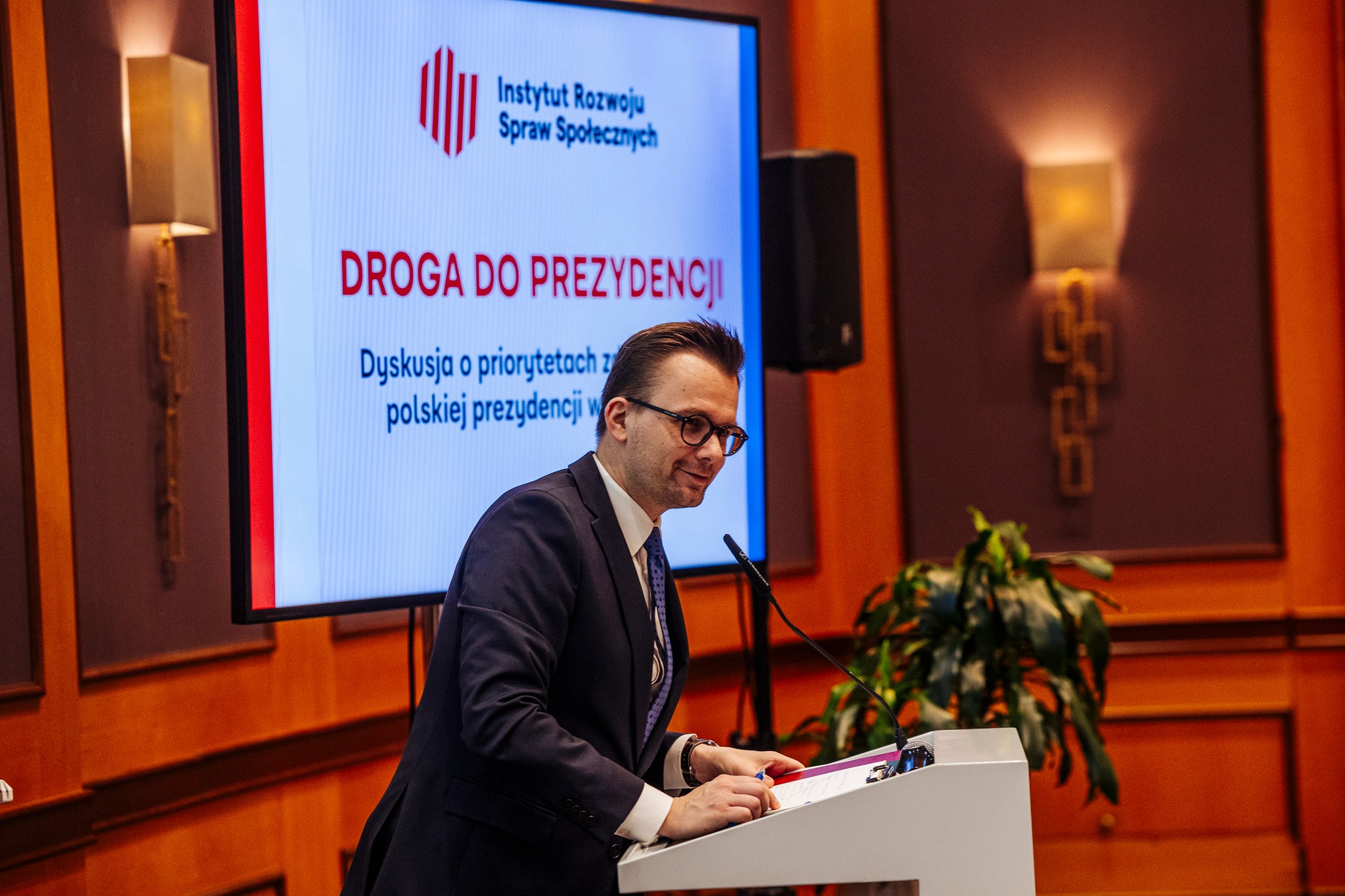
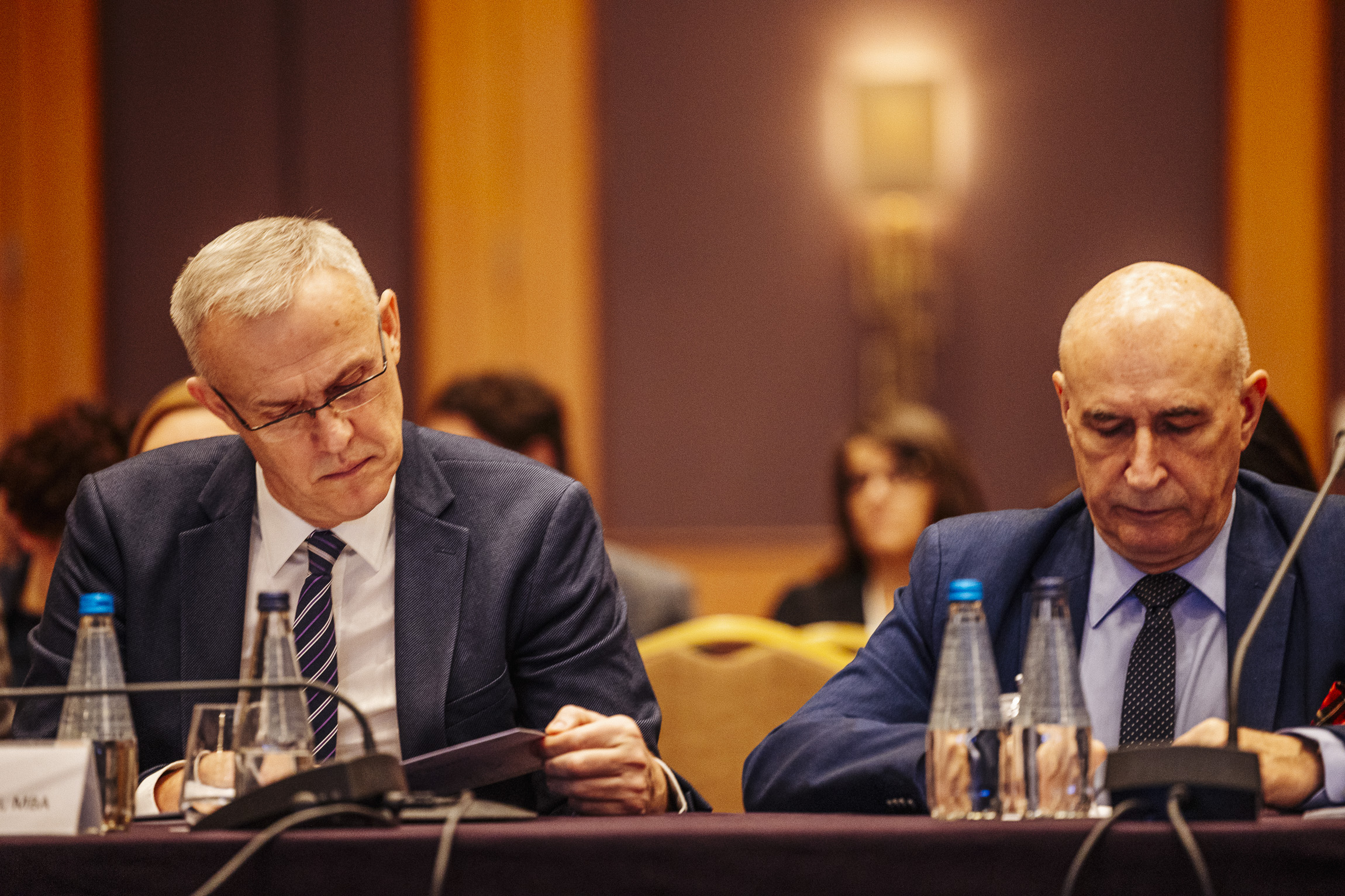
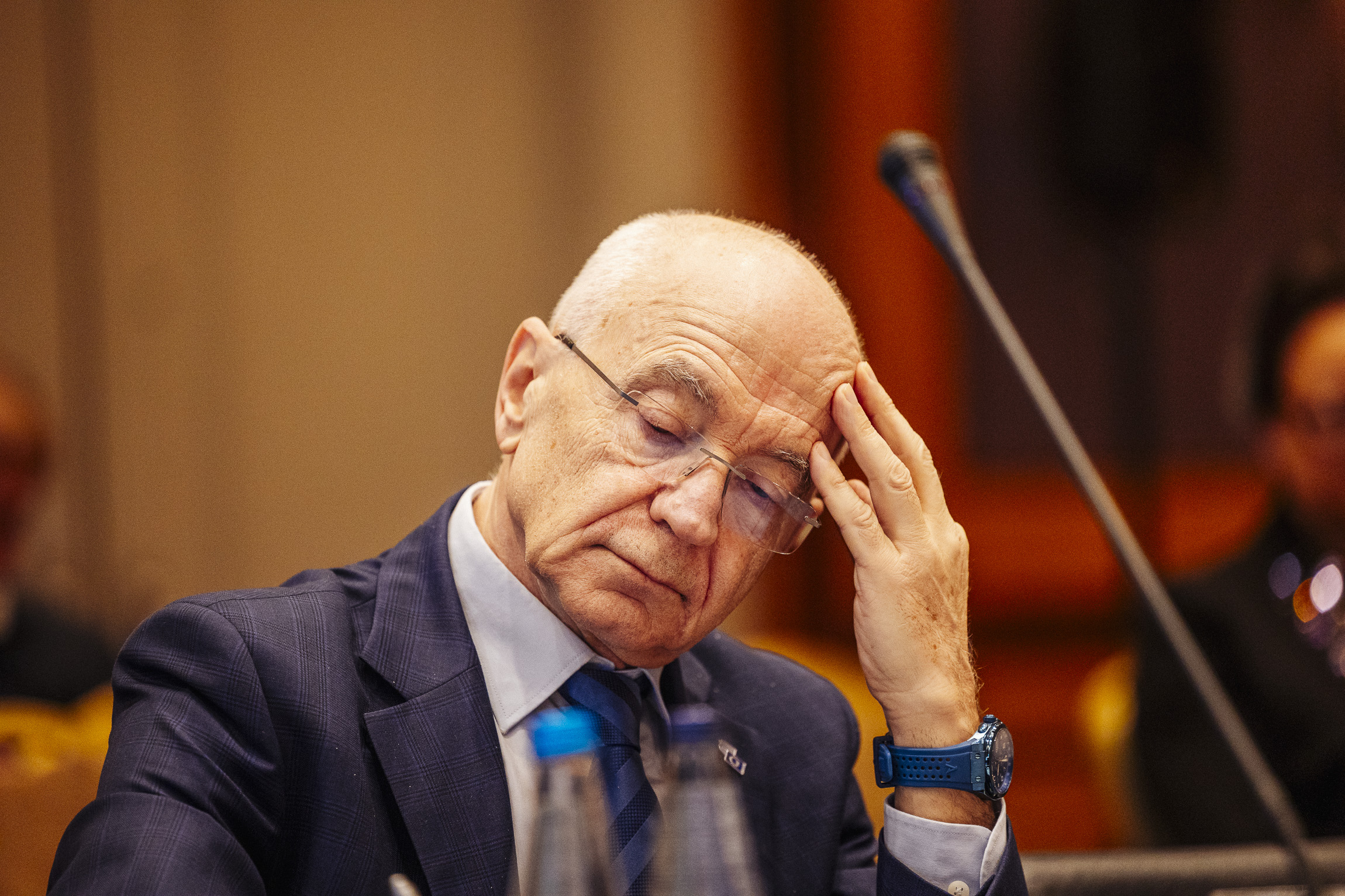
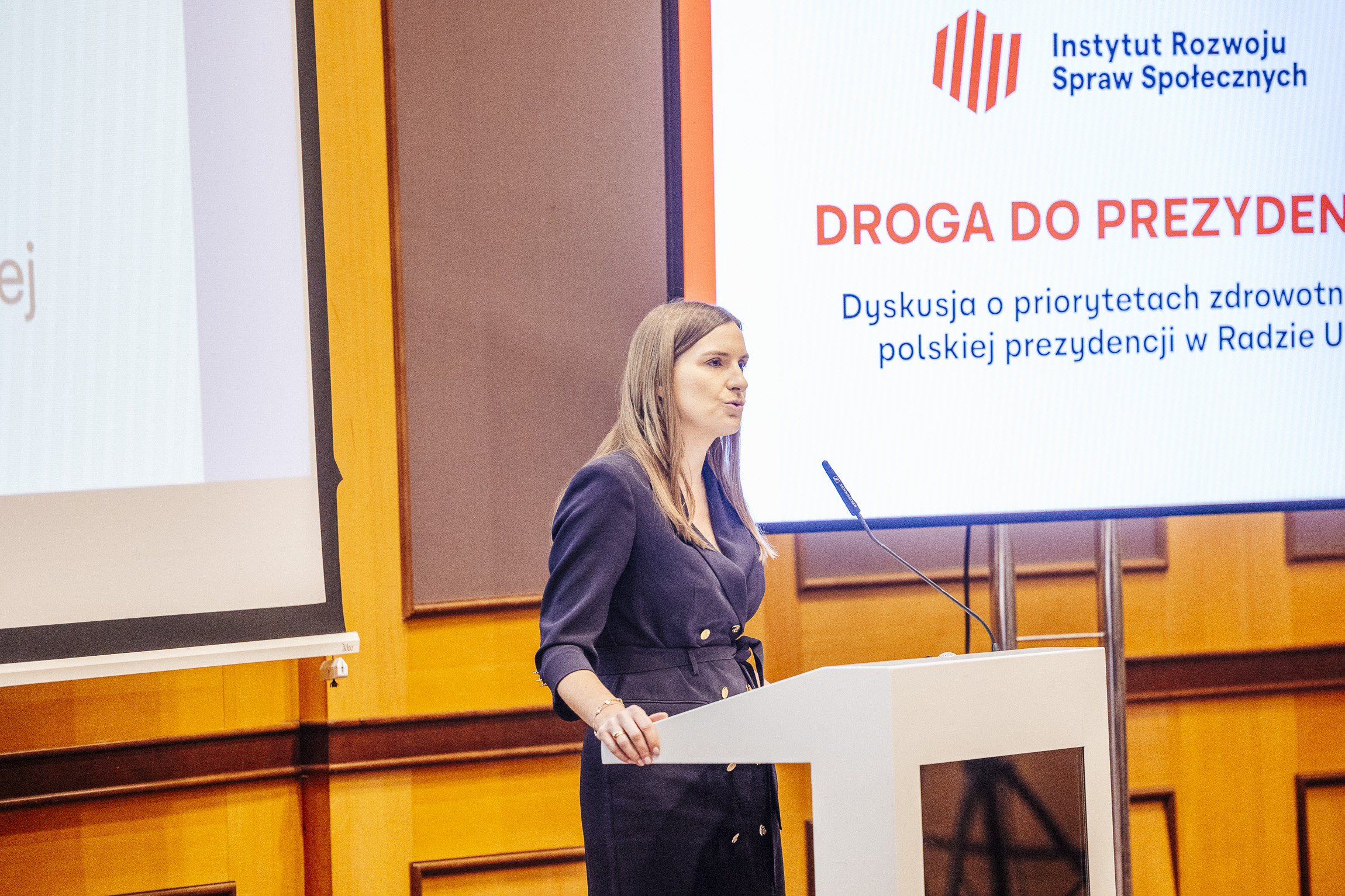
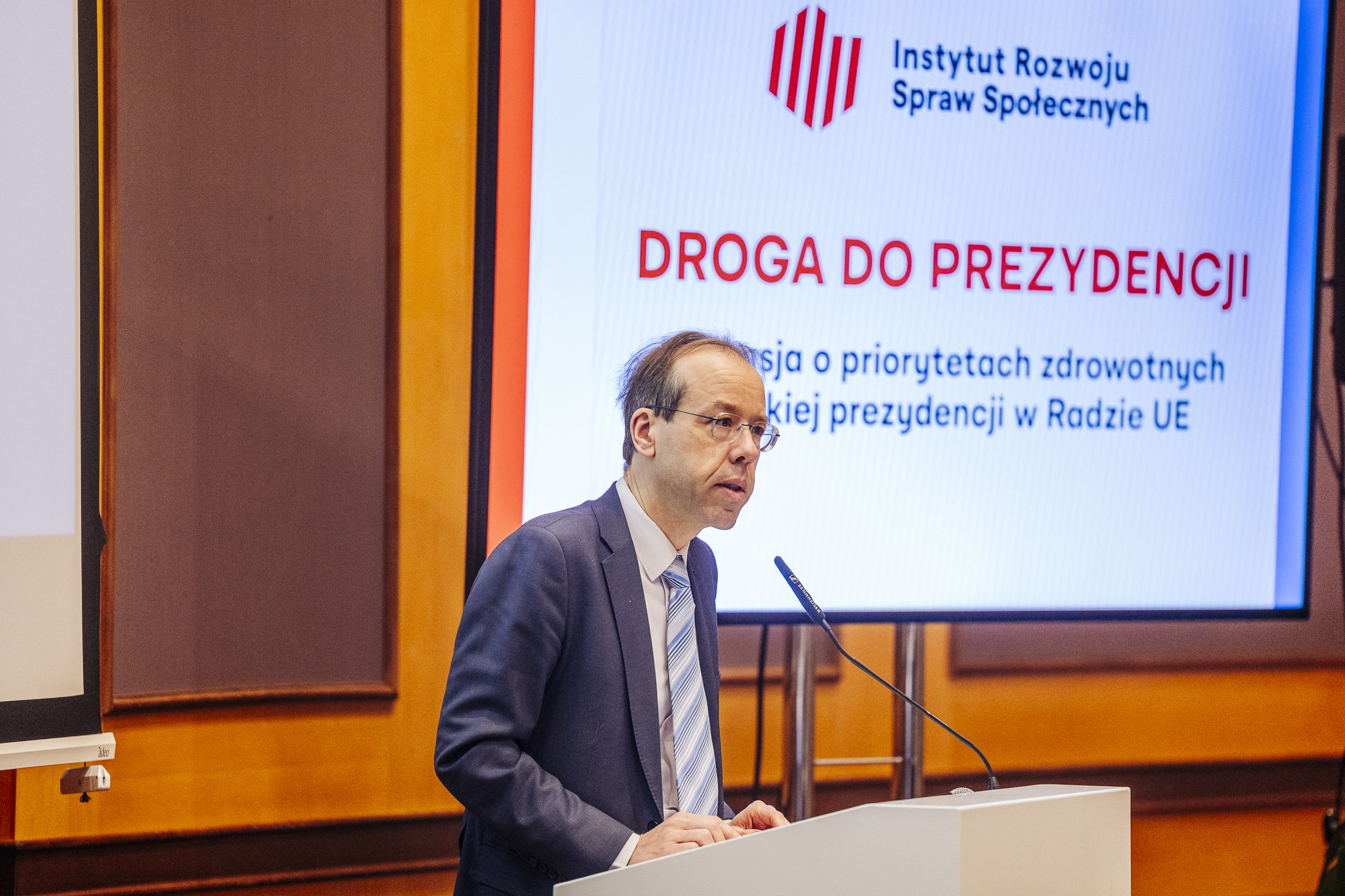
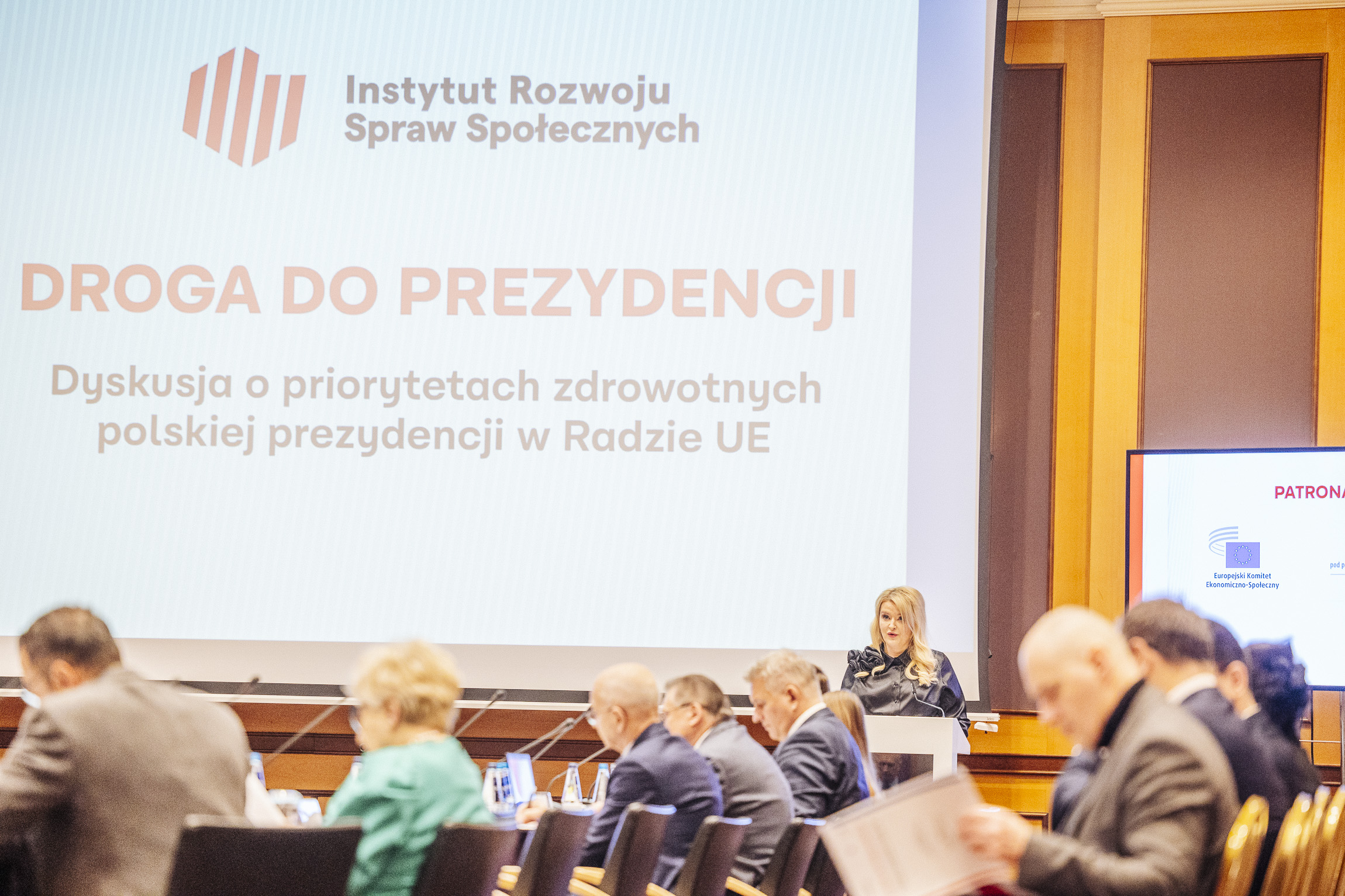
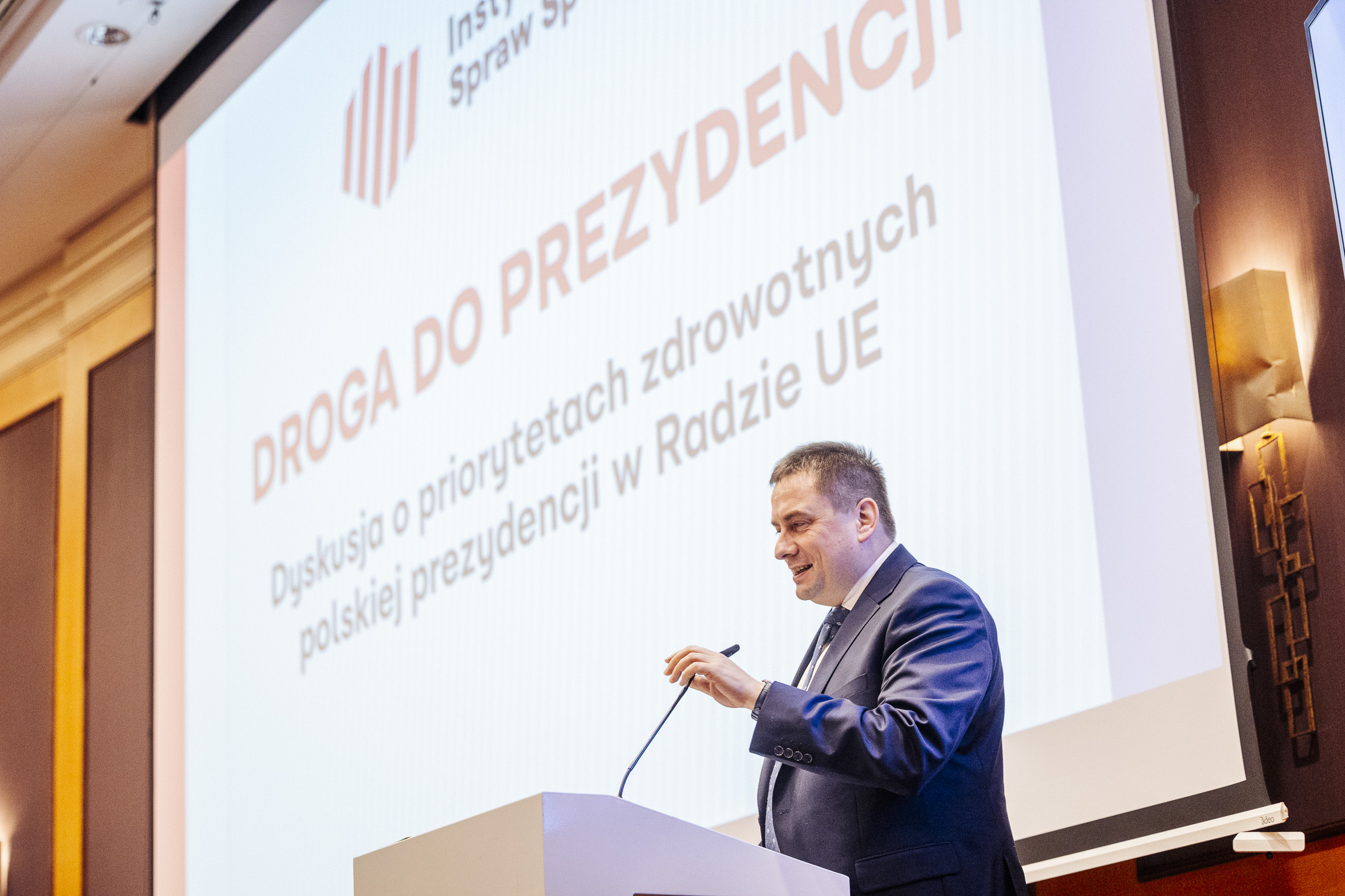
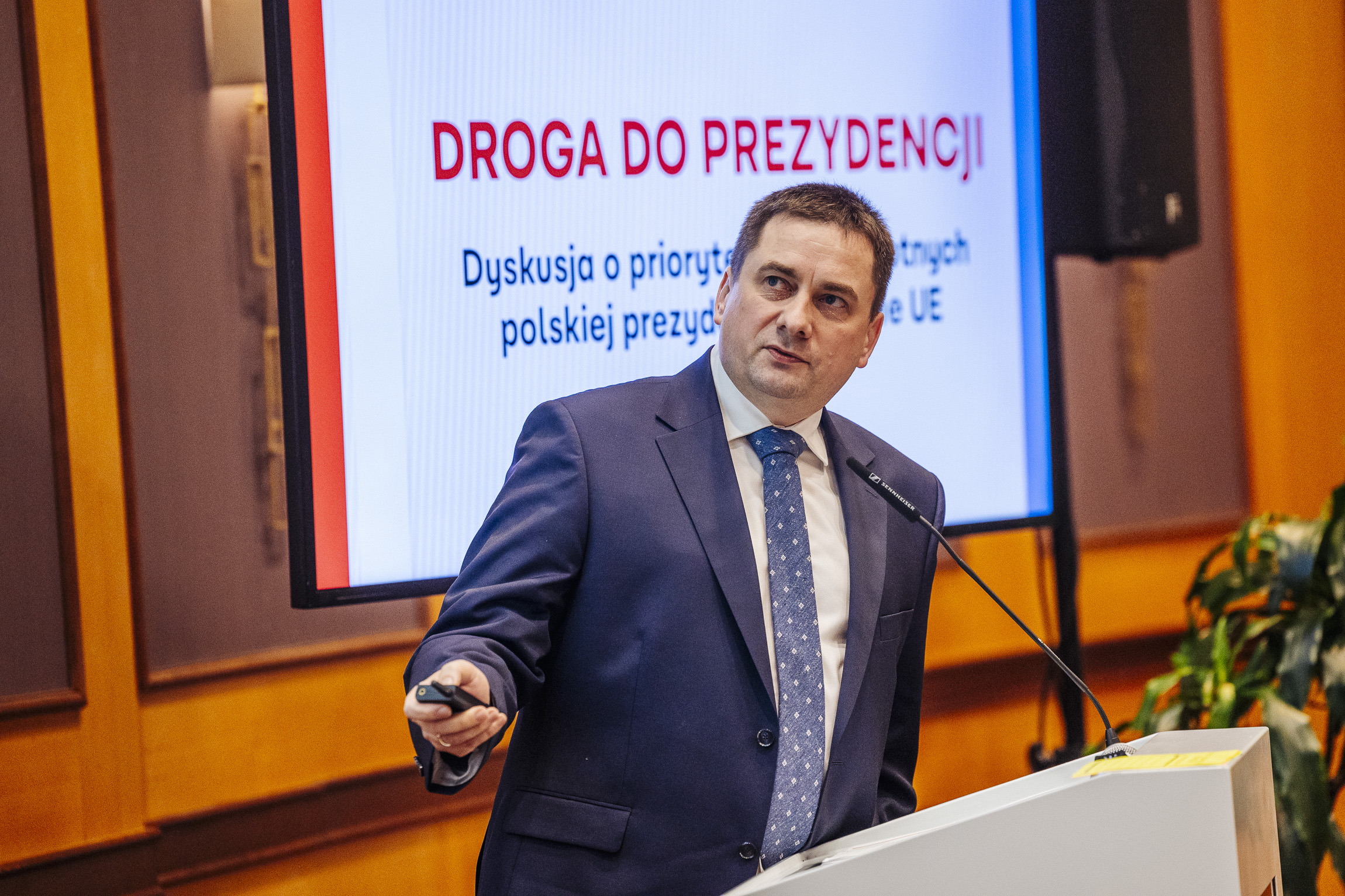
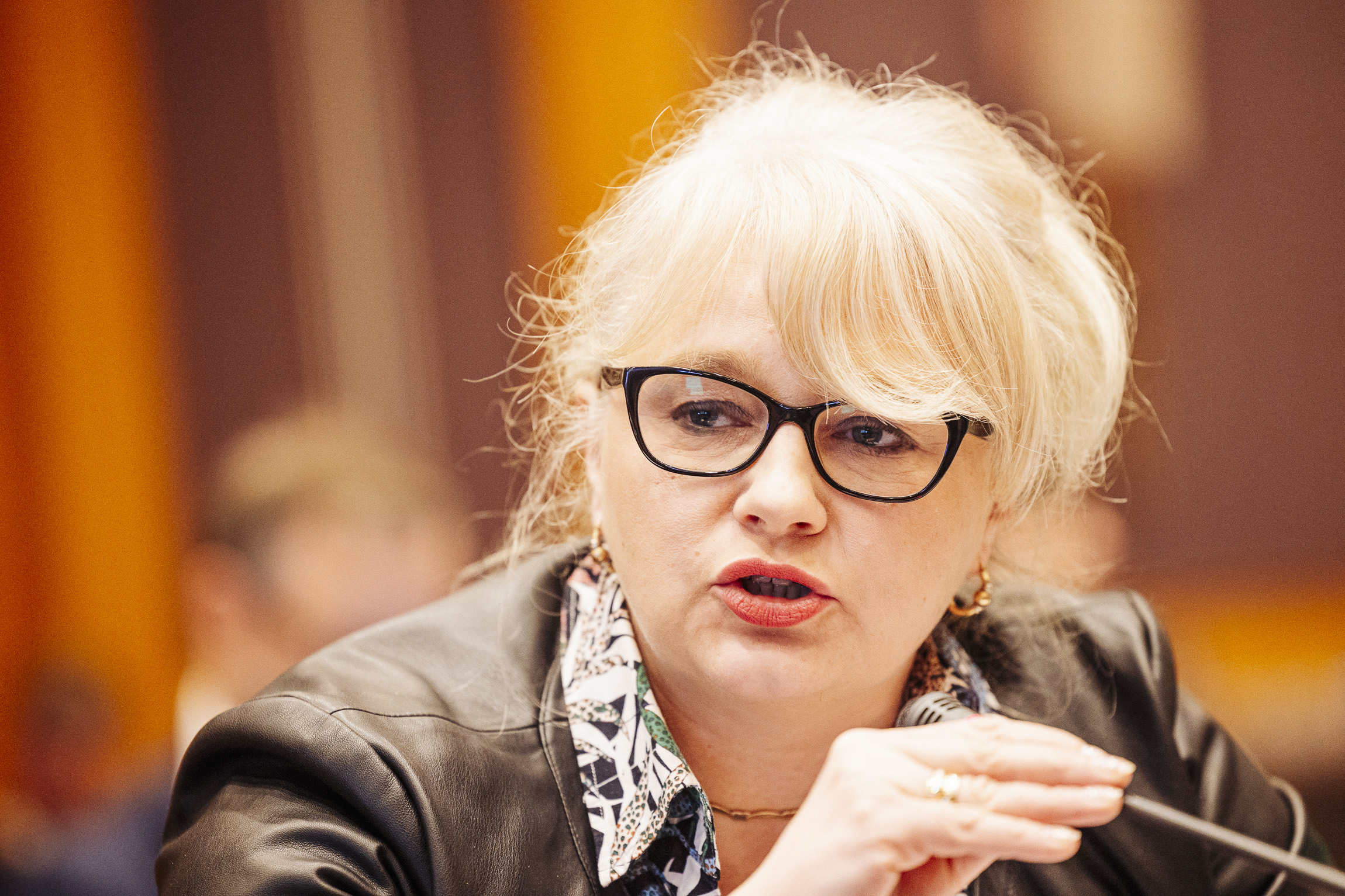
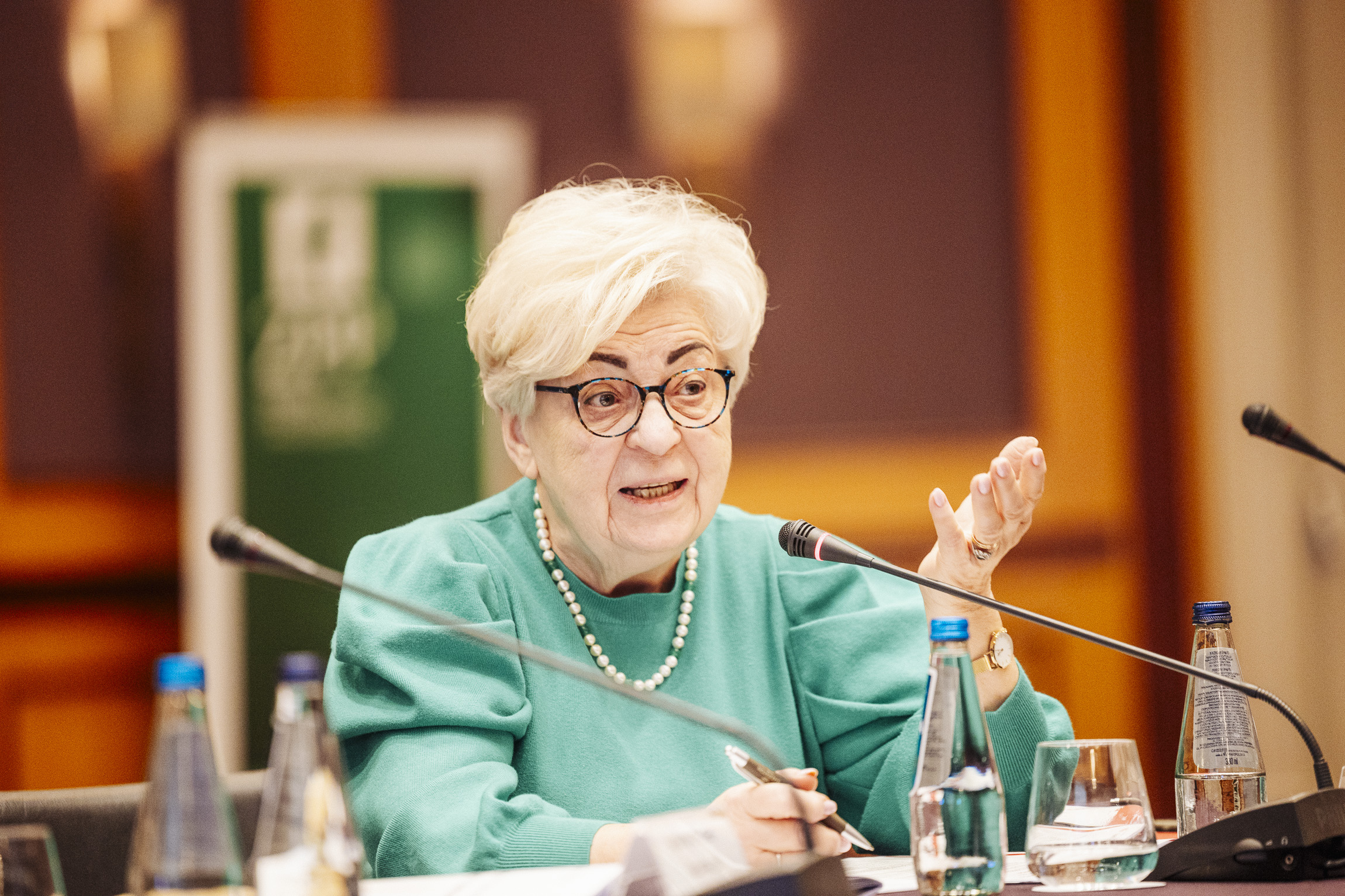
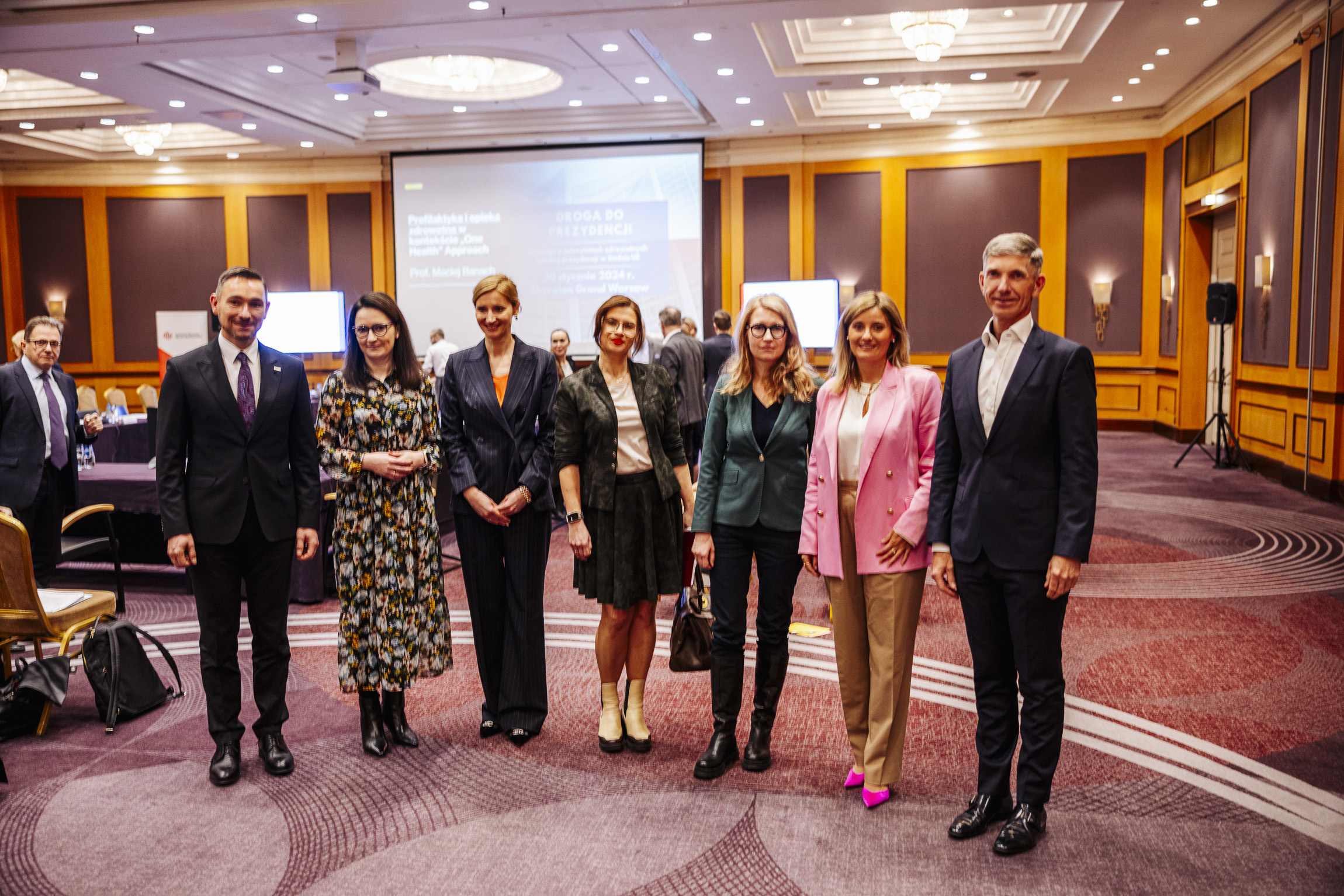
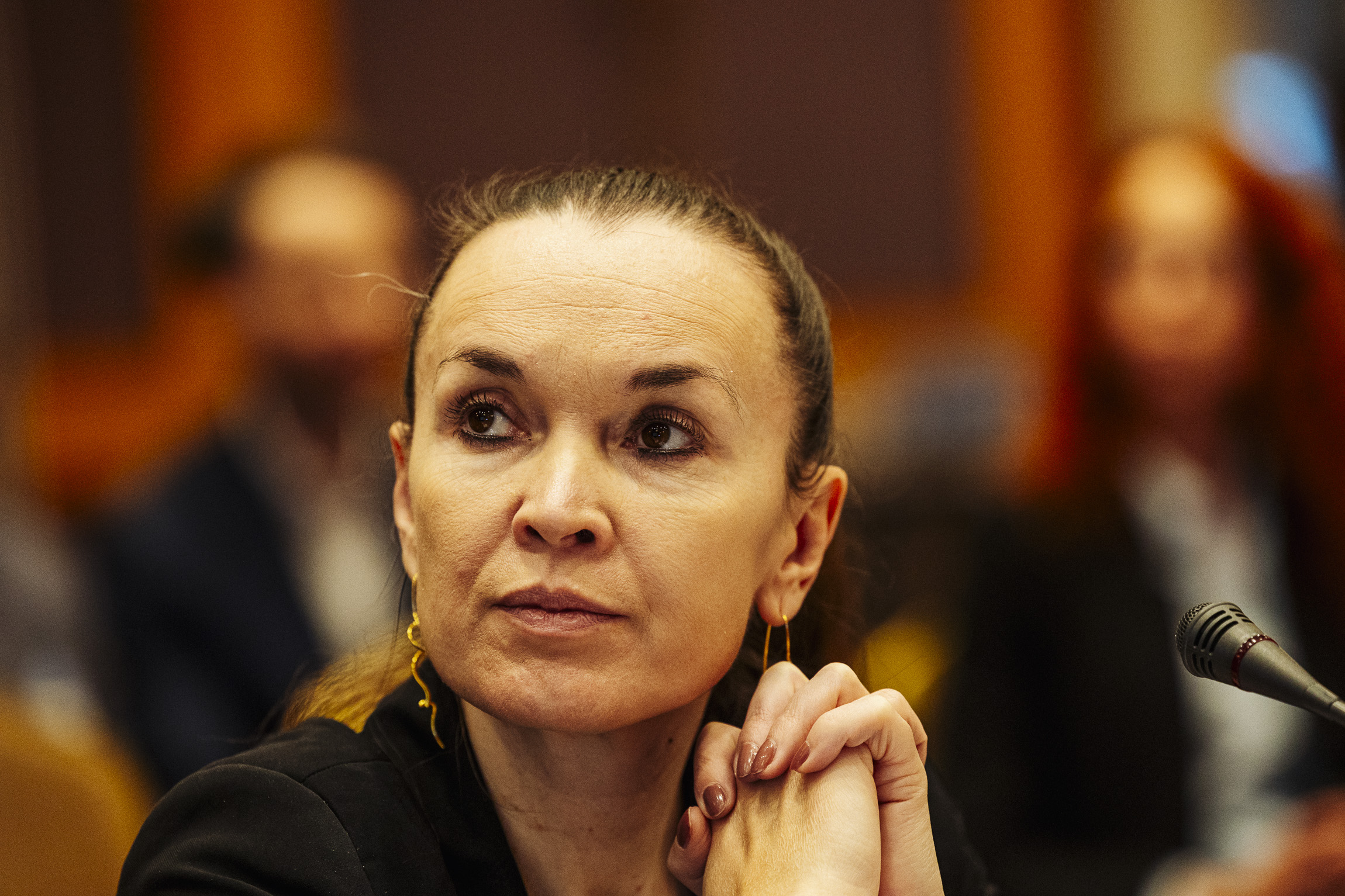
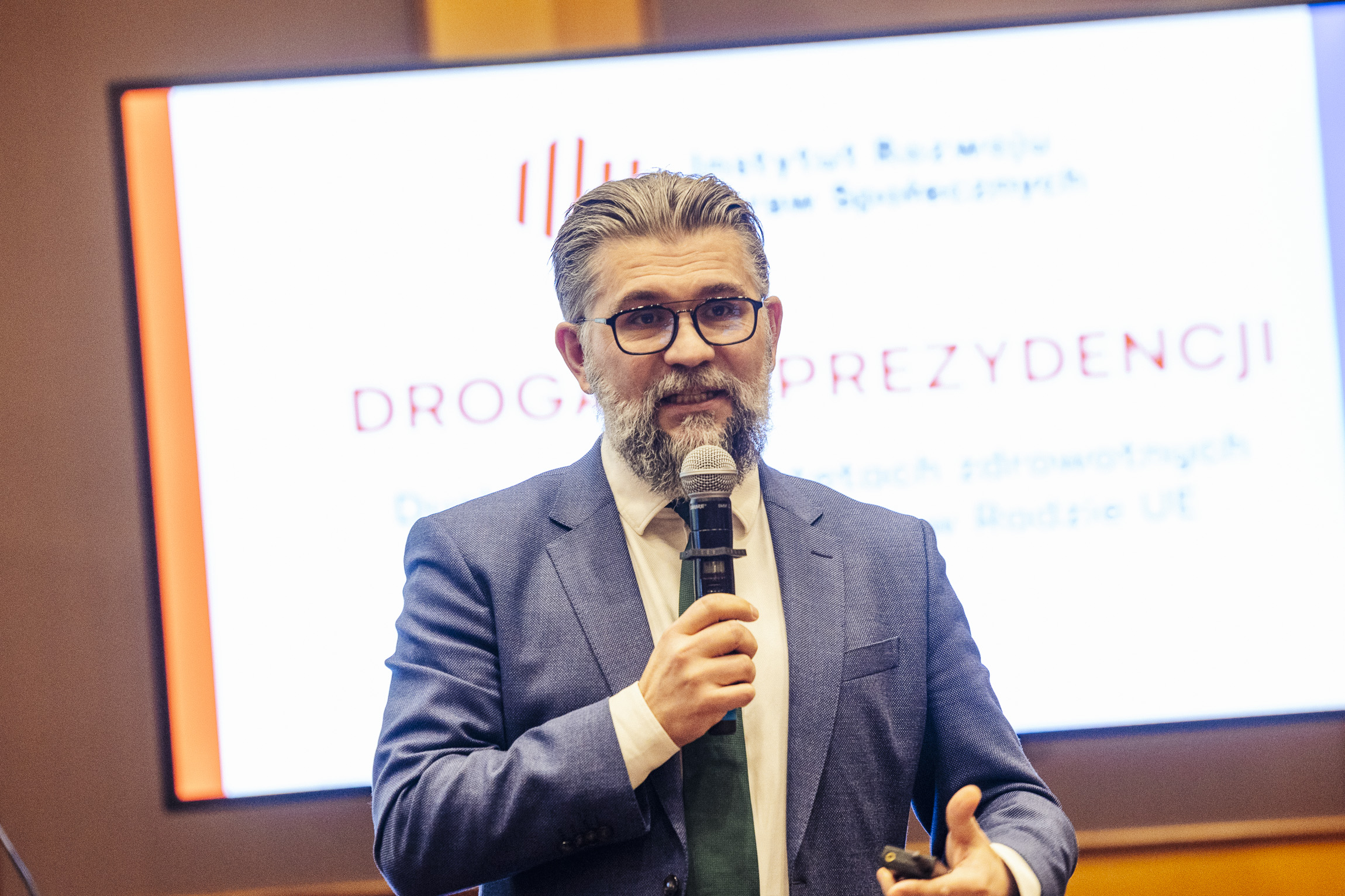
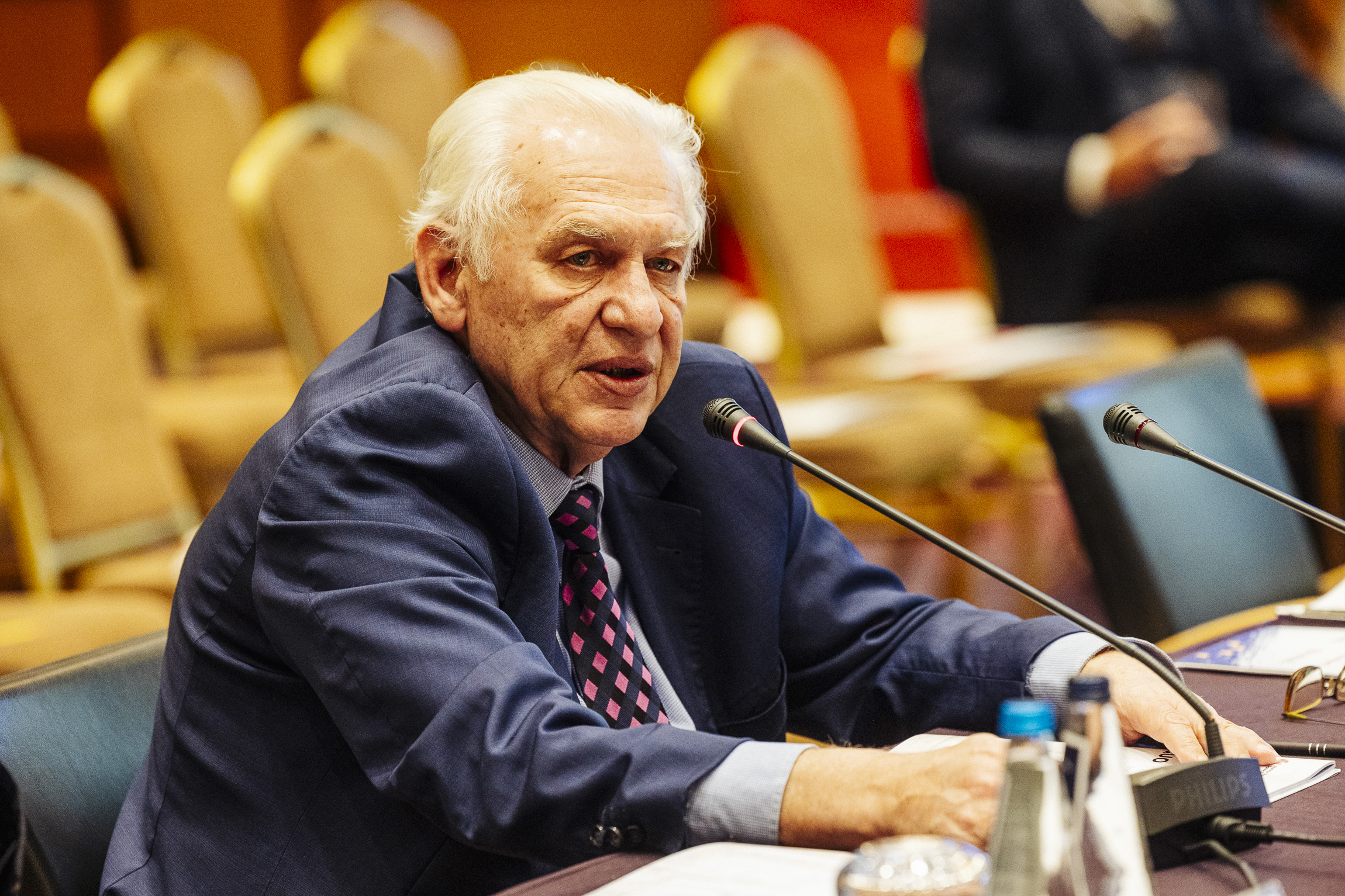
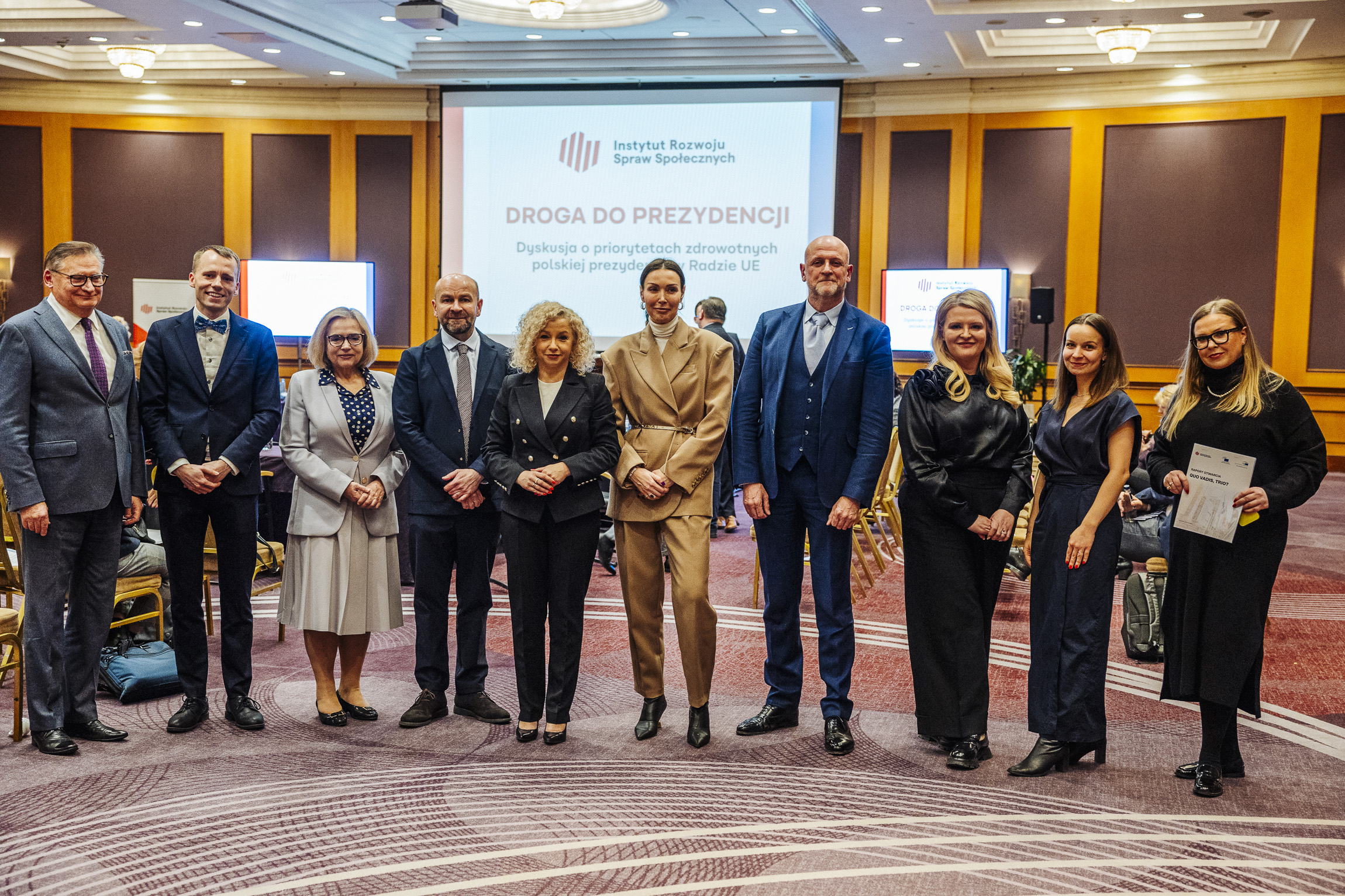
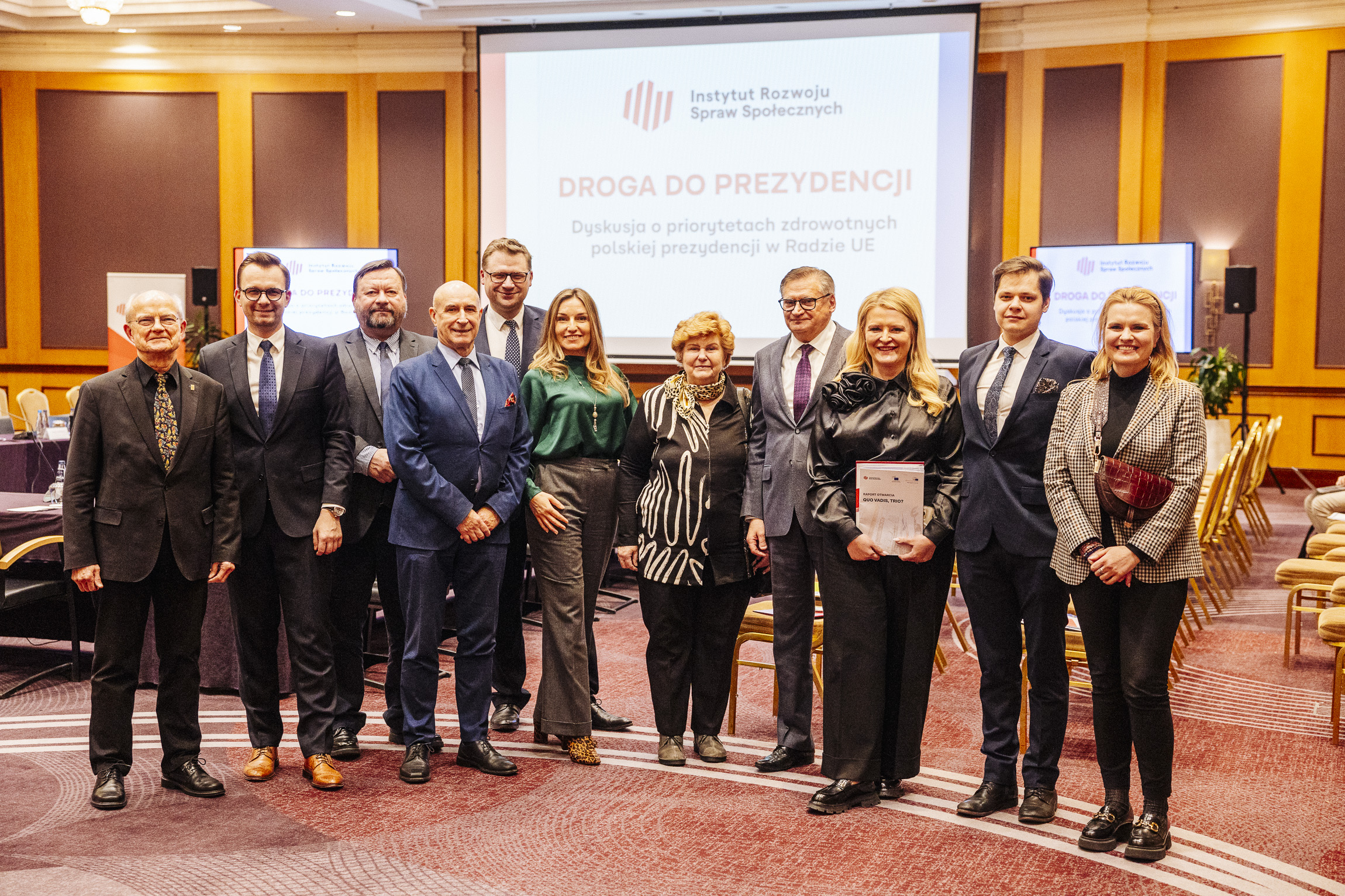
On January 30, a special conference was held in Warsaw, dedicated to the health priorities of the Polish Presidency of the Council of the European Union, starting on January 1, 2025. The event, organized by the Institute for the Development of Social Affairs, brought together over 60 experts from various areas of public life, including healthcare, women’s rights, digitization, and demographics. The debate focused on a joint analysis of social and health challenges and will result in the development of recommendations concerning priority issues for the Polish EU Council Presidency in the field of health.
Roundtable: STARTING POINT — EXPERIENCES, PARTNERS, AND CHALLENGES OF THE POLISH PRESIDENCY IN THE EU COUNCIL 2025
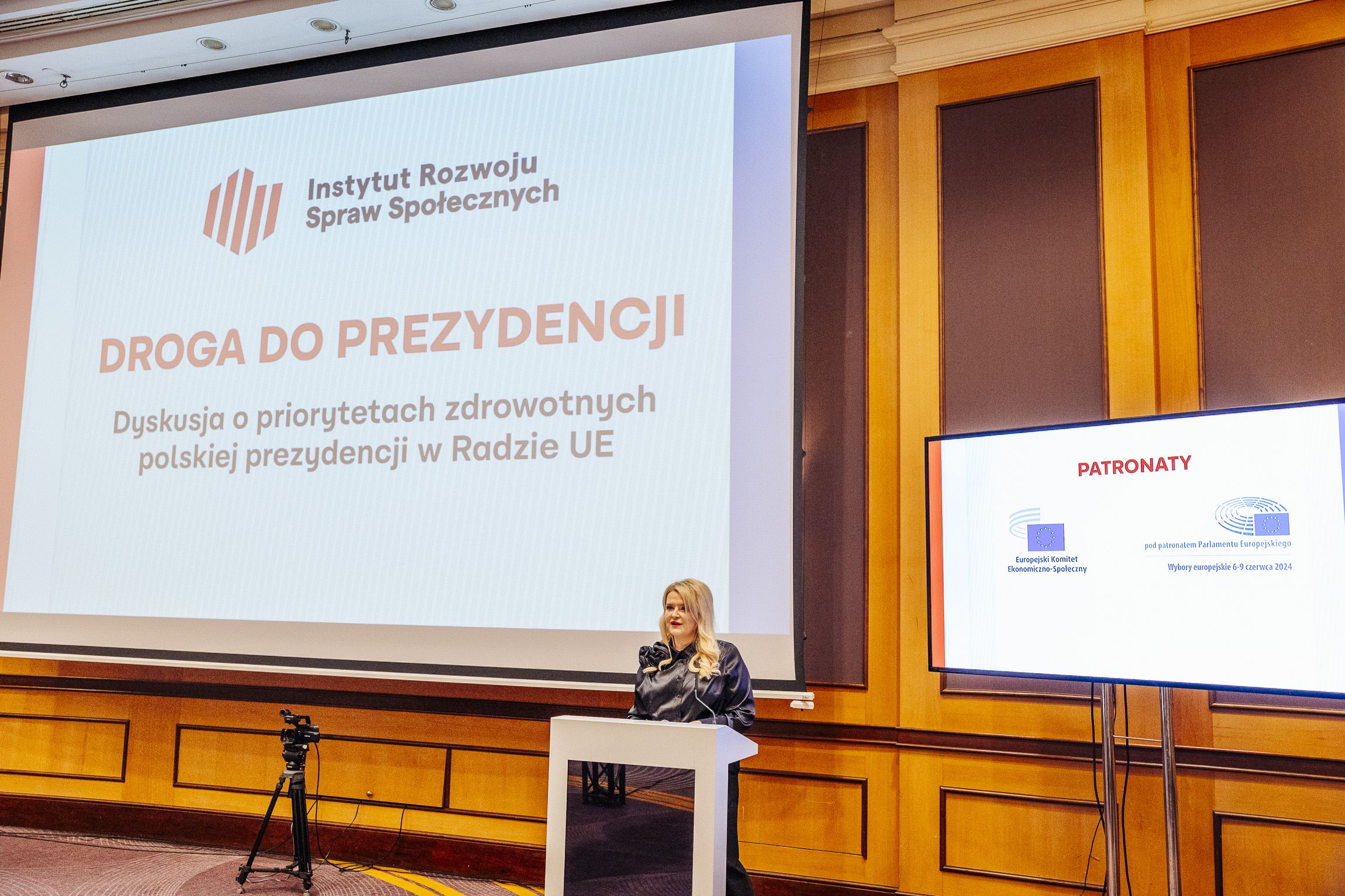
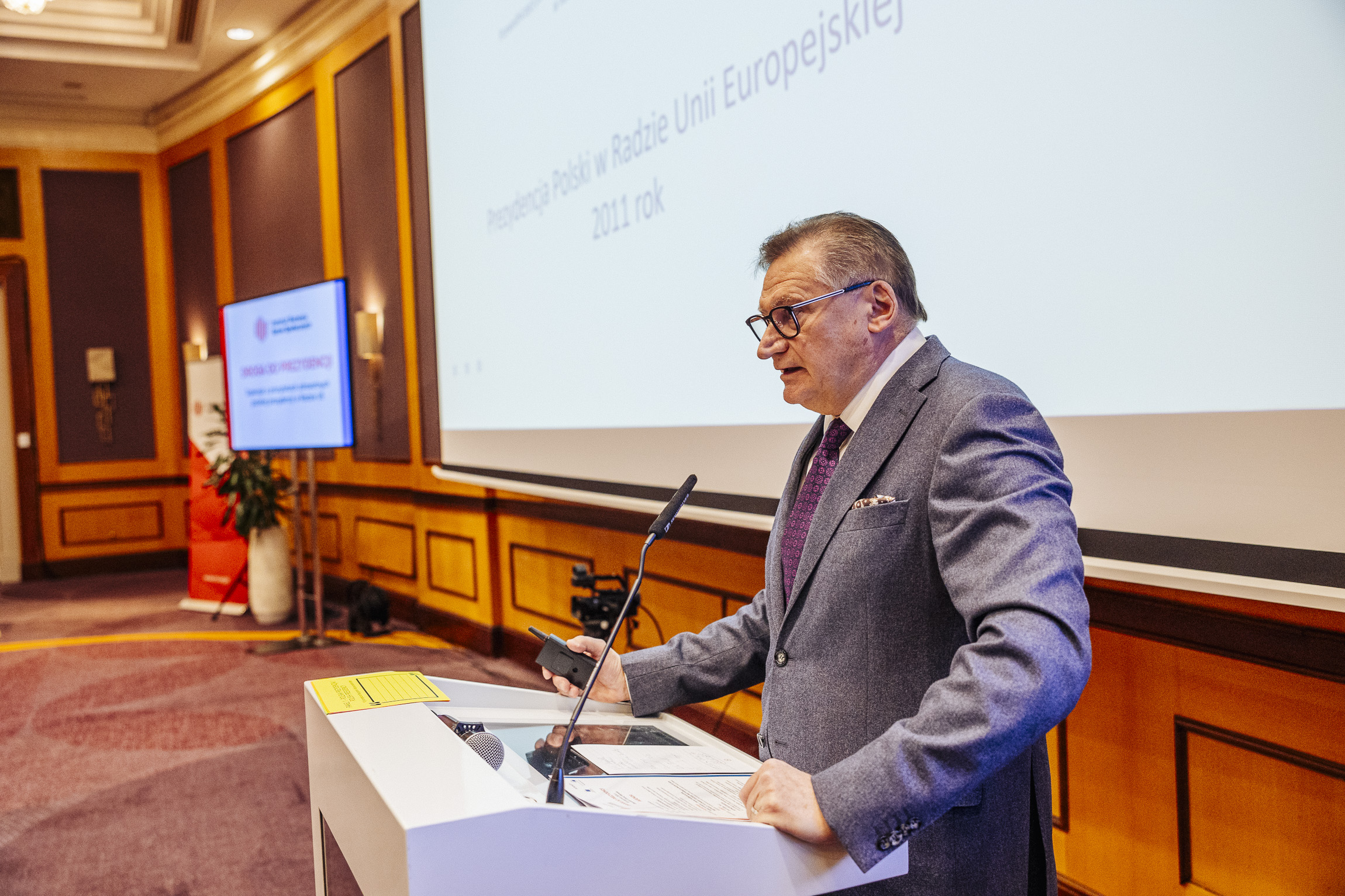
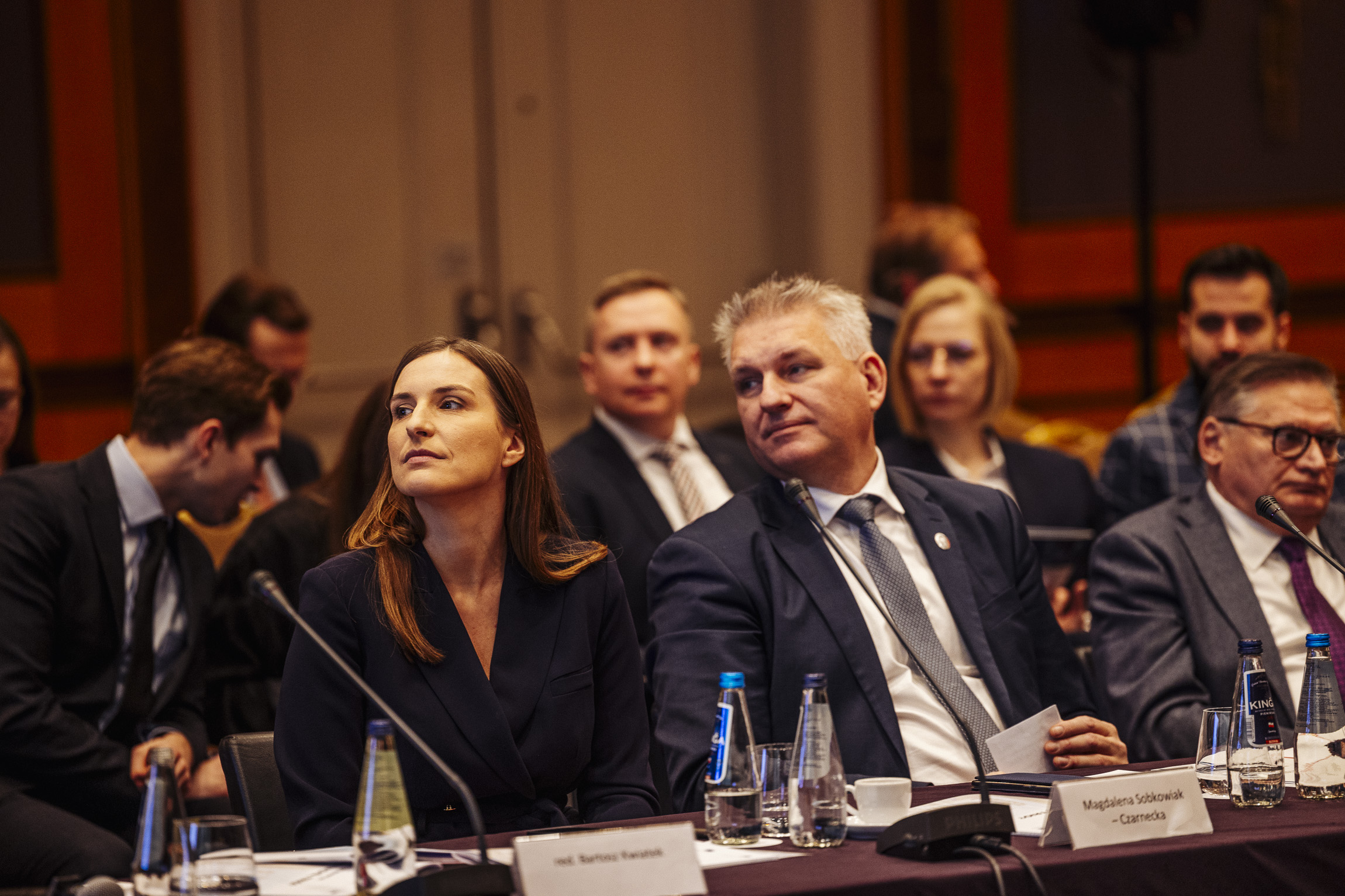
An honorary speech was delivered by H.E. Rik Van Droogenbroeck, Ambassador of the Kingdom of Belgium to Poland. The conference was opened by Minister Magdalena Sobkowiak-Czarnecka, responsible in the government for the European division and the preparation of the Polish presidency, who pointed out that due to the election calendar and the fact that Hungary will hold the presidency before Poland, the detailed plans of the Polish presidency may be subject to change until the last moment — therefore, intensive preparation is necessary, but it is also important to remain flexible and open.
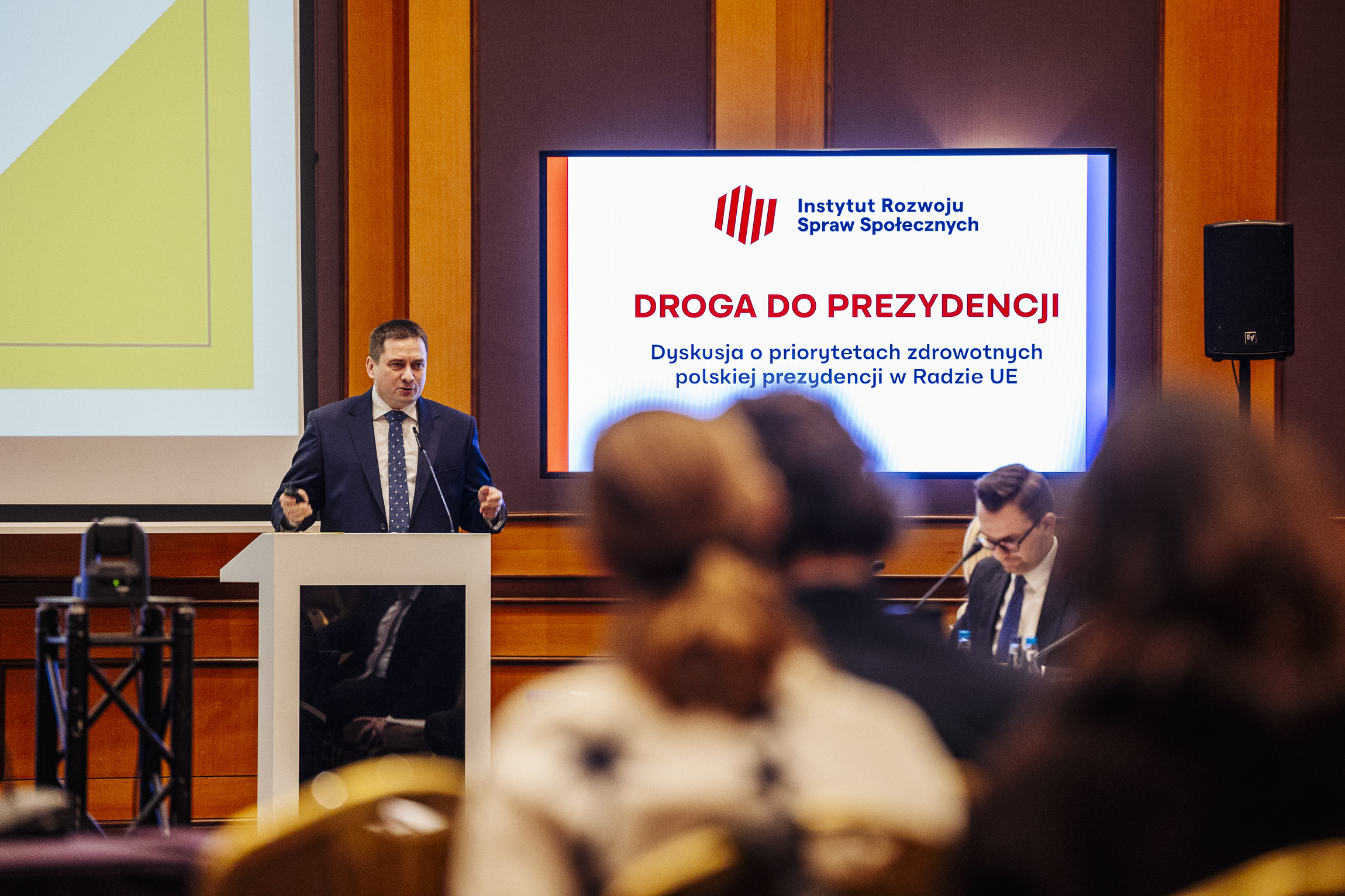
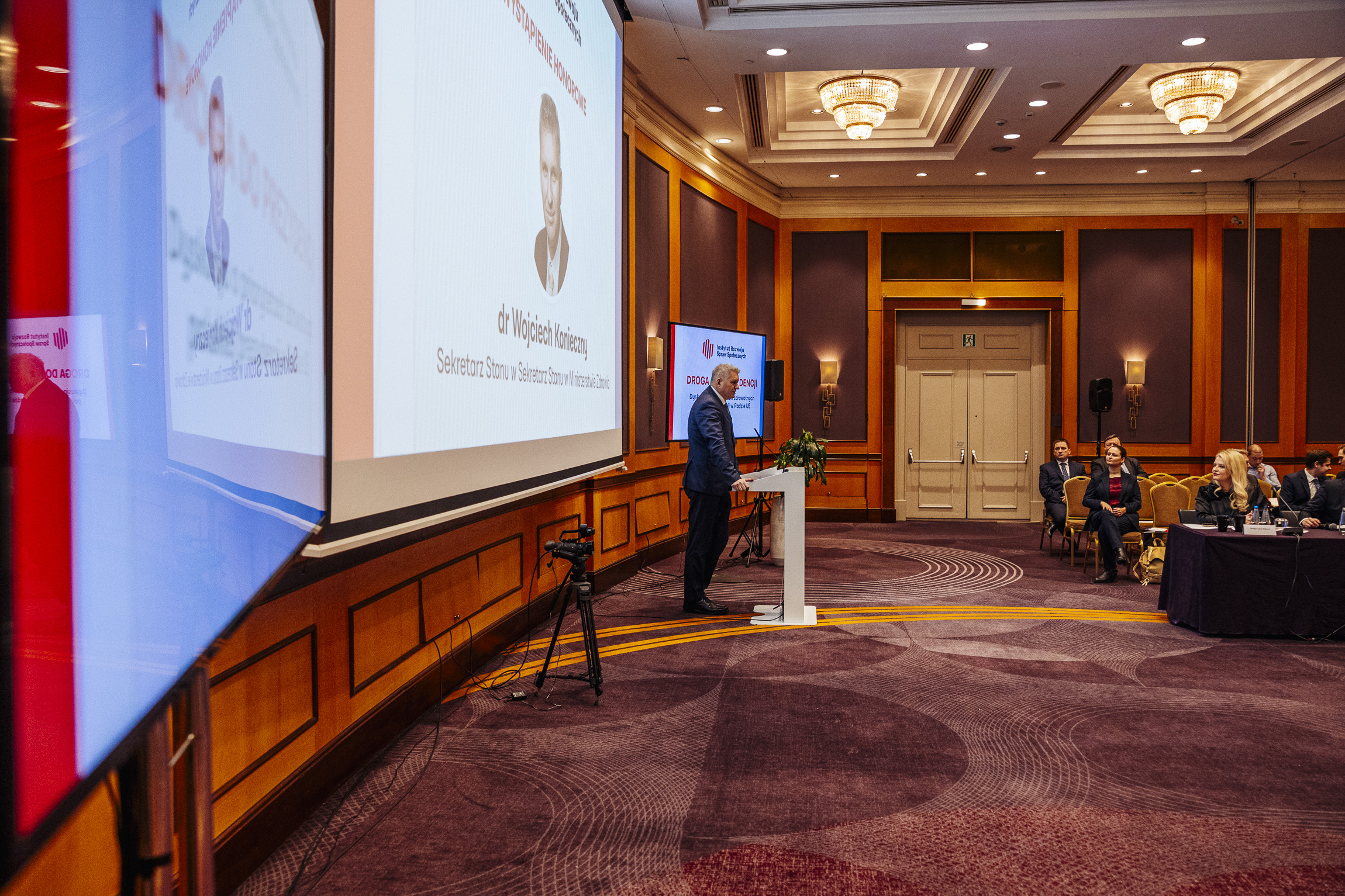
Deputy Minister of Health Wojciech Konieczny noted that the area of health will be an important part of the objectives of the Polish presidency of the EU Council. He also mentioned joint activities within the EU. – The pandemic has shown that the idea that one country can organize its healthcare system without international cooperation is mistaken – said Minister Konieczny. He also emphasized that the plans for the Polish presidency in the field of healthcare are known. – We are on the eve of finalizing them. Undoubtedly, all the challenges we are talking about remain current — whether in terms of prevention, digitization, telemedicine or e-health, as well as demographic challenges and the threats they pose to both society and the healthcare system — said Konieczny.
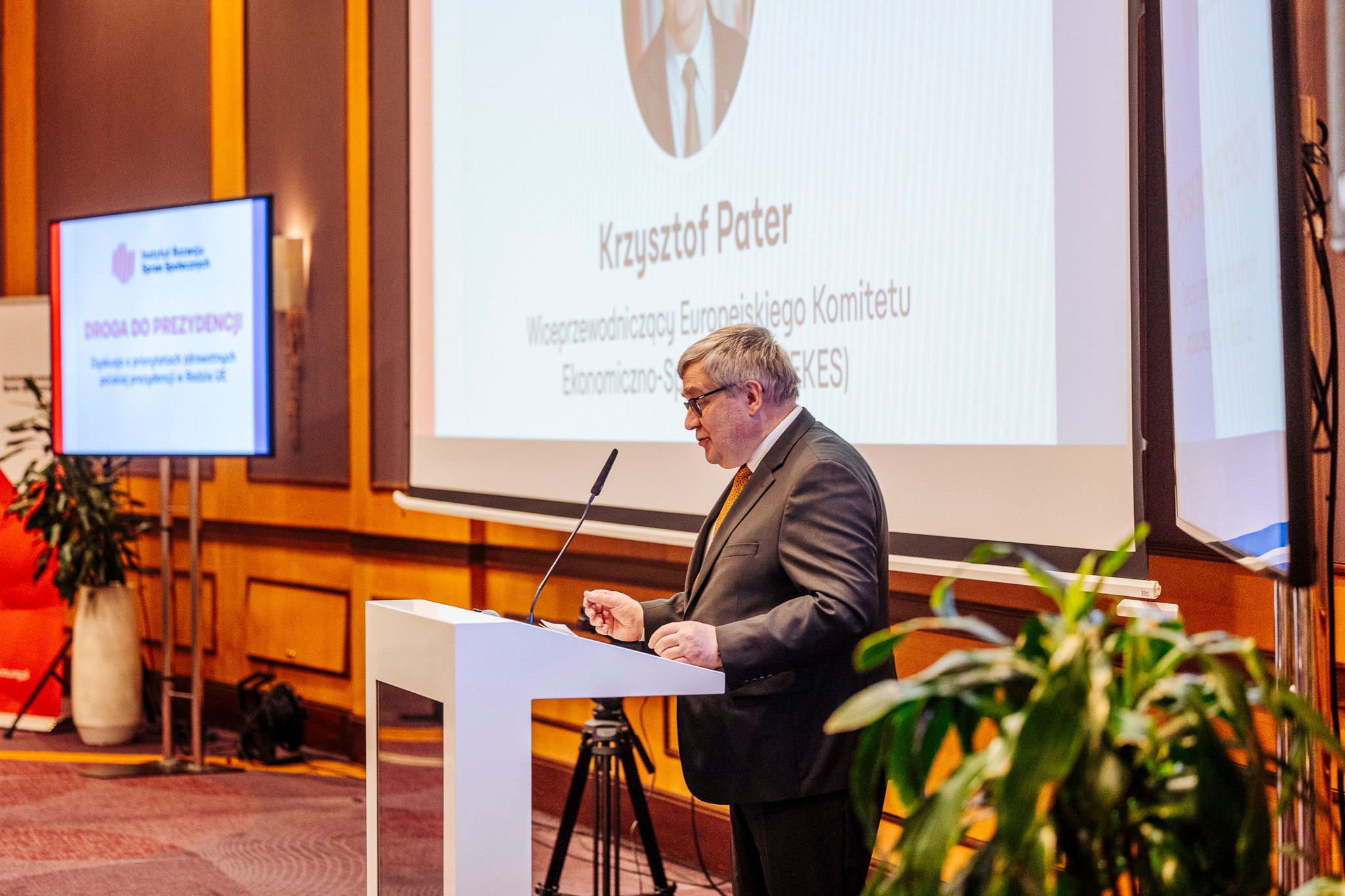
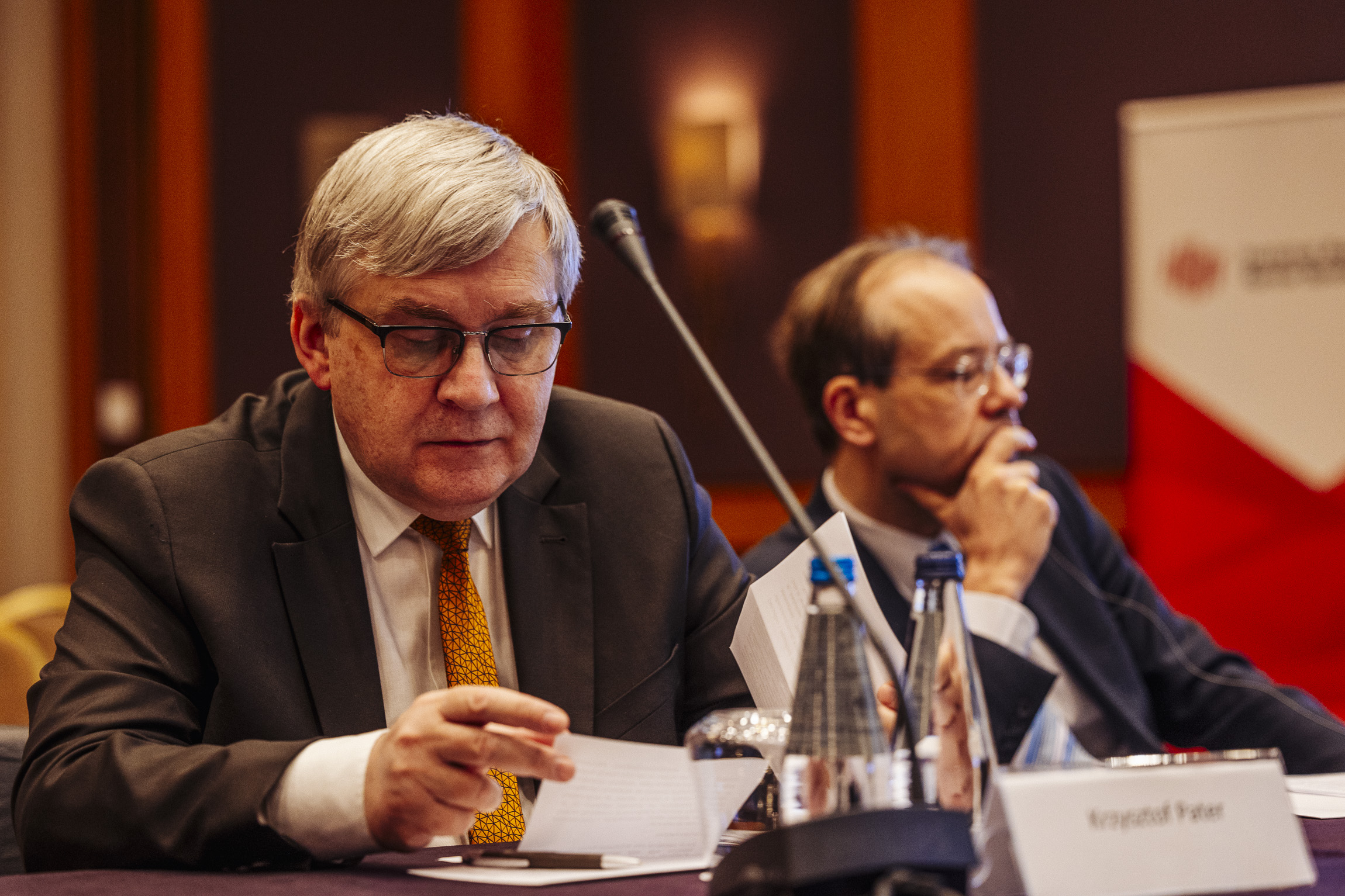
– The Polish presidency of the EU Council in 2025 is undoubtedly a chance to shape the future of Europe in the spirit of solidarity and cooperation. At every stage, we need compromise – said Krzysztof Pater, Vice-President of the European Economic and Social Committee.
Part 1. Quo vadis, Trio?
The opening session of the event featured Prof. Bolesław Samoliński from the Medical University of Warsaw; Dr. Adam Jarubas, Member of the European Parliament and Chair of the Standing Subcommittee on Public Health (SANT); Prof. Piotr Czauderna, Chair of the Health Protection Council at the President of Poland and Head of the Department and Clinic of Pediatric Surgery and Urology at the Medical University of Gdańsk; Wojciech Konieczny, Secretary of State at the Ministry of Health; Magdalena Sobkowiak-Czarnecka, Undersecretary of State in the Chancellery of the Prime Minister, European Union Division; Krzysztof Pater, Vice-President of the European Economic and Social Committee; Dr. Andrzej Ryś, Principal Scientific Advisor at the Directorate-General for Health and Food Safety (DG SANTE) of the European Commission; Lech Pilawski, member of the European Social Committee, Advisor to the Management Board of the Lewiatan Confederation; Marcin Rynkowski, Chair of the EU Pharma Strategy Group at INFARMA, former Director of the Department of International Cooperation at the Ministry of Health.
The panel discussion focused on the importance of international and regional cooperation in healthcare. Participants discussed strategies for strengthening solidarity among EU countries on health issues.
– In 2011, we had very well-prepared priorities, discussed with the European Commission and within the presidential trio, which, just like this time, includes Poland, Denmark, and Cyprus. Within this framework, we discussed priorities and issues that would be on the presidency agenda. Today we are in a completely different situation. Poland is clearly present in the European Union, with excellent staff well embedded in EU structures. This brings enormous experience and knowledge, which we must make good use of – reported Prof. Bolesław Samoliński.
– As the European Commission, we have presented many legislative packages, and in a sense, the entire implementation package of the new pharmaceutical law will fall partly under the Hungarian presidency, and largely under the Polish presidency – said Dr. Andrzej Ryś representing the Commission.
– Most likely, our presidency will coincide with the moment when the European Commission will also be presenting its priorities, and therefore we will be able to participate in shaping the Commission’s agenda, which decides and initiates the legislative processes of the EU institutions — summarized MEP Dr. Adam Jarubas.
Part 2. Changes in EU Health Law — What Legislative Challenges Will the Polish Presidency Tackle?
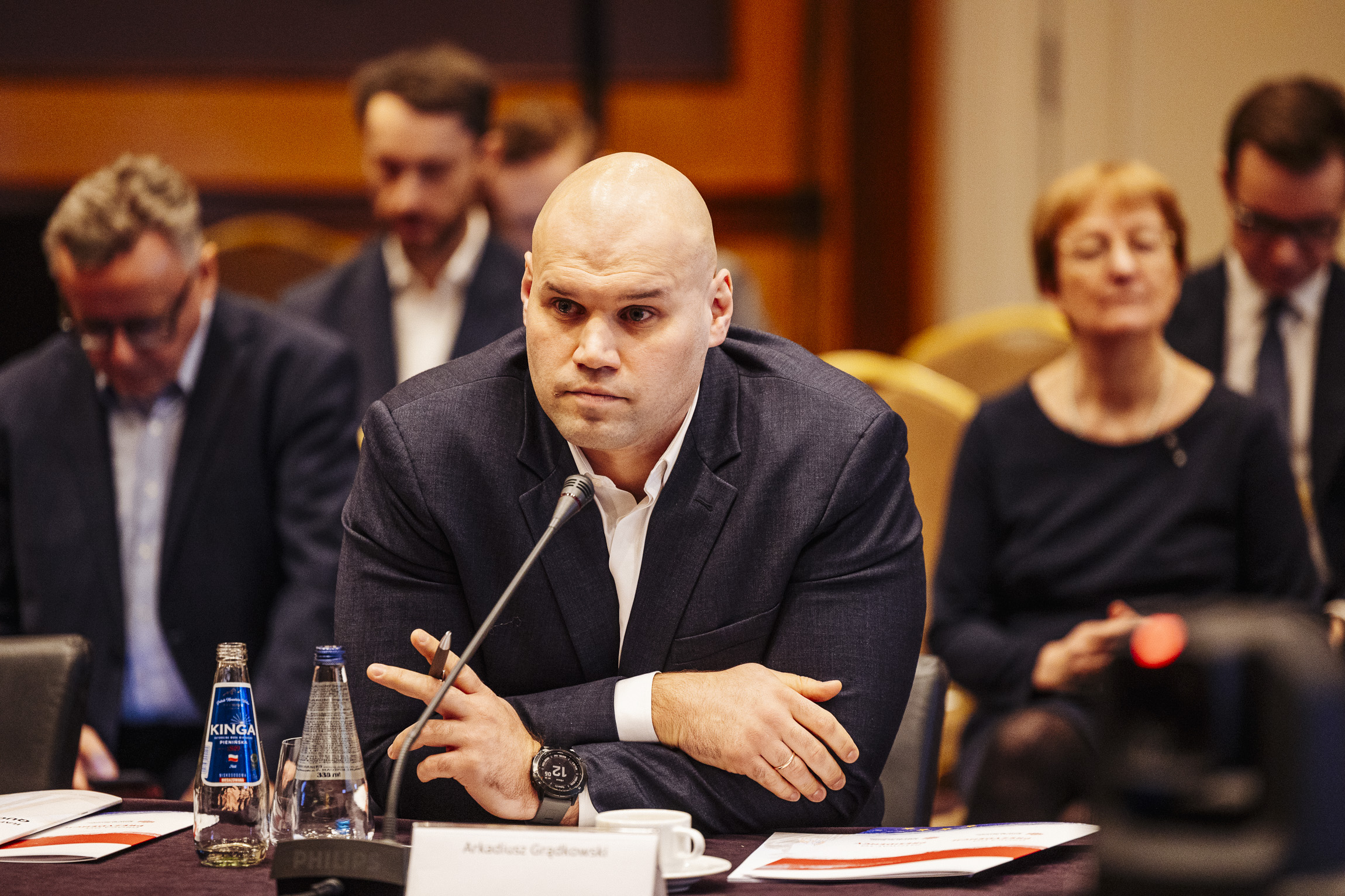
Panel participants included Dr. Igor Radziewicz-Winnicki, Undersecretary of State at the Ministry of Health from 2012–2015; Grzegorz Rychwalski, Vice-President of the Polish Union of Employers in the Pharmaceutical Industry – National Drug Manufacturers, former Attaché for Medicines and Medical Devices at the Permanent Representation of Poland to the EU; Wojciech Nowak, Chair of the Healthcare Biotechnology Council at EuropaBio; Irena Rej, President of the Polish Chamber of Commerce “Pharmacy Poland”; Dr. Małgorzata Gałązka-Sobotka, Dean of the Center for Postgraduate Education, Director of the Institute for Health Care Management at Lazarski University; Justin Gandy, Managing Director of MSD Poland; Michał Byliniak, General Director of the Association of Innovative Pharmaceutical Companies INFARMA; Arkadiusz Grądkowski, President of the National Chamber of Medical Device Manufacturers POLMED.
– As a medicine producer, Poland holds a leading position in Central Europe in the European ranking, and we definitely have enormous competitive potential. This is a great challenge for the Polish presidency to take advantage of this opportunity and obtain the greatest possible benefits in the form of increased API production and the strength of the Polish pharmaceutical industry – noted Dr. Igor Radziewicz-Winnicki, Deputy Minister of Health from 2012–2015.
– Europe must ask itself a key strategic question: who does it want to be? Does Europe aspire to be a global center of innovation, or is it content to follow others, importing innovation and failing to generate its own, risking the loss of its innovative potential on its territory? – emphasized Wojciech Nowak from EuropaBio.
– Without active ingredients and essential medicines, progress cannot be achieved. The European Union has set clear priorities in this area — regarding the expected pharmaceutical package and the trilogue negotiations, these actions cannot be carried out solely from Warsaw — you have to operate on-site — indicated Grzegorz Rychwalski, Vice-President of the Polish Union of Employers in the Pharmaceutical Industry.
Roundtable: DIGITALIZATION IN HEALTHCARE: CAN POLAND BECOME A TRENDSETTER IN THE EU WITH ITS SOLUTIONS?
Link: https://www.facebook.com/100080093855684/videos/1069818960958580
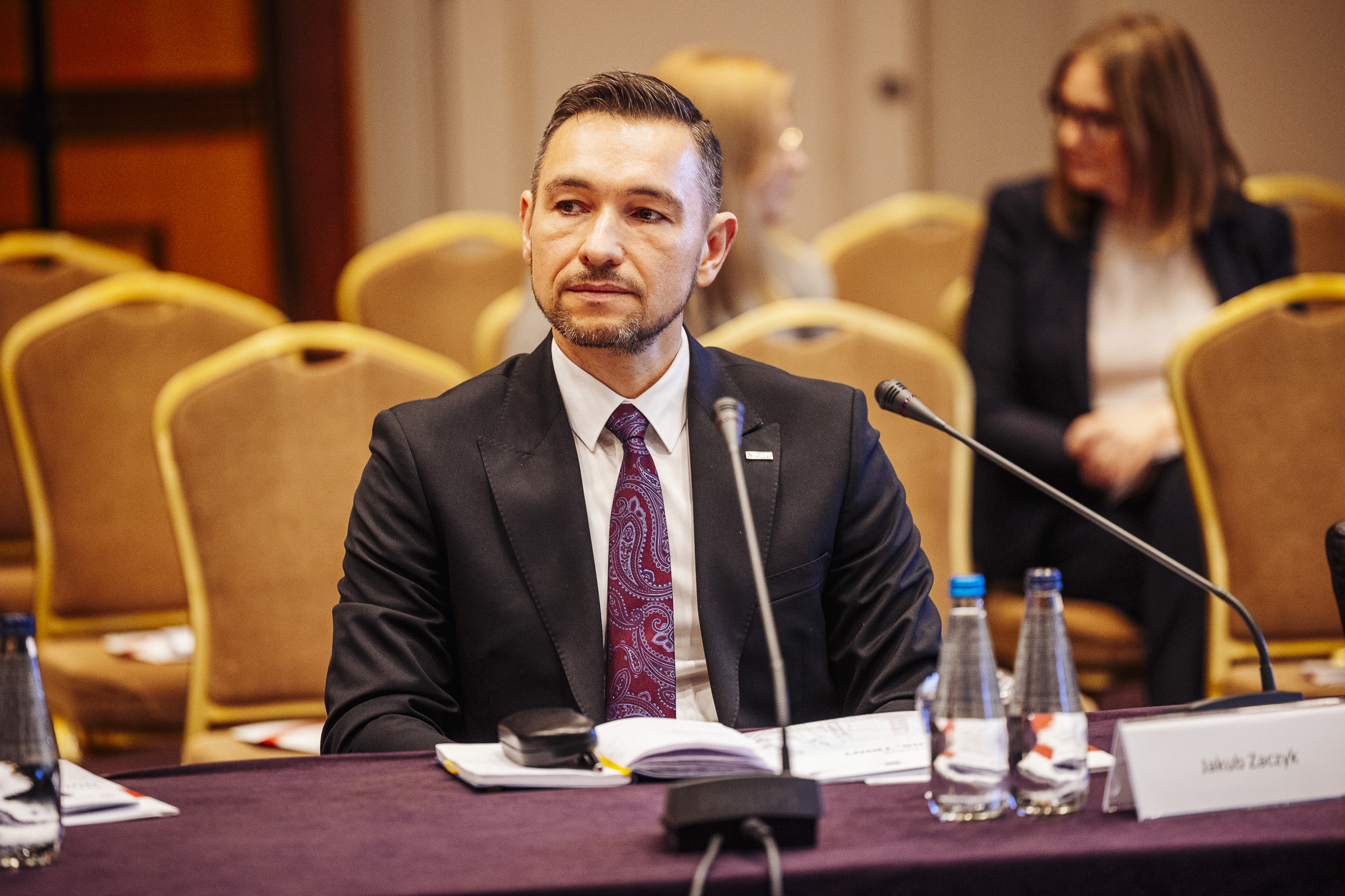
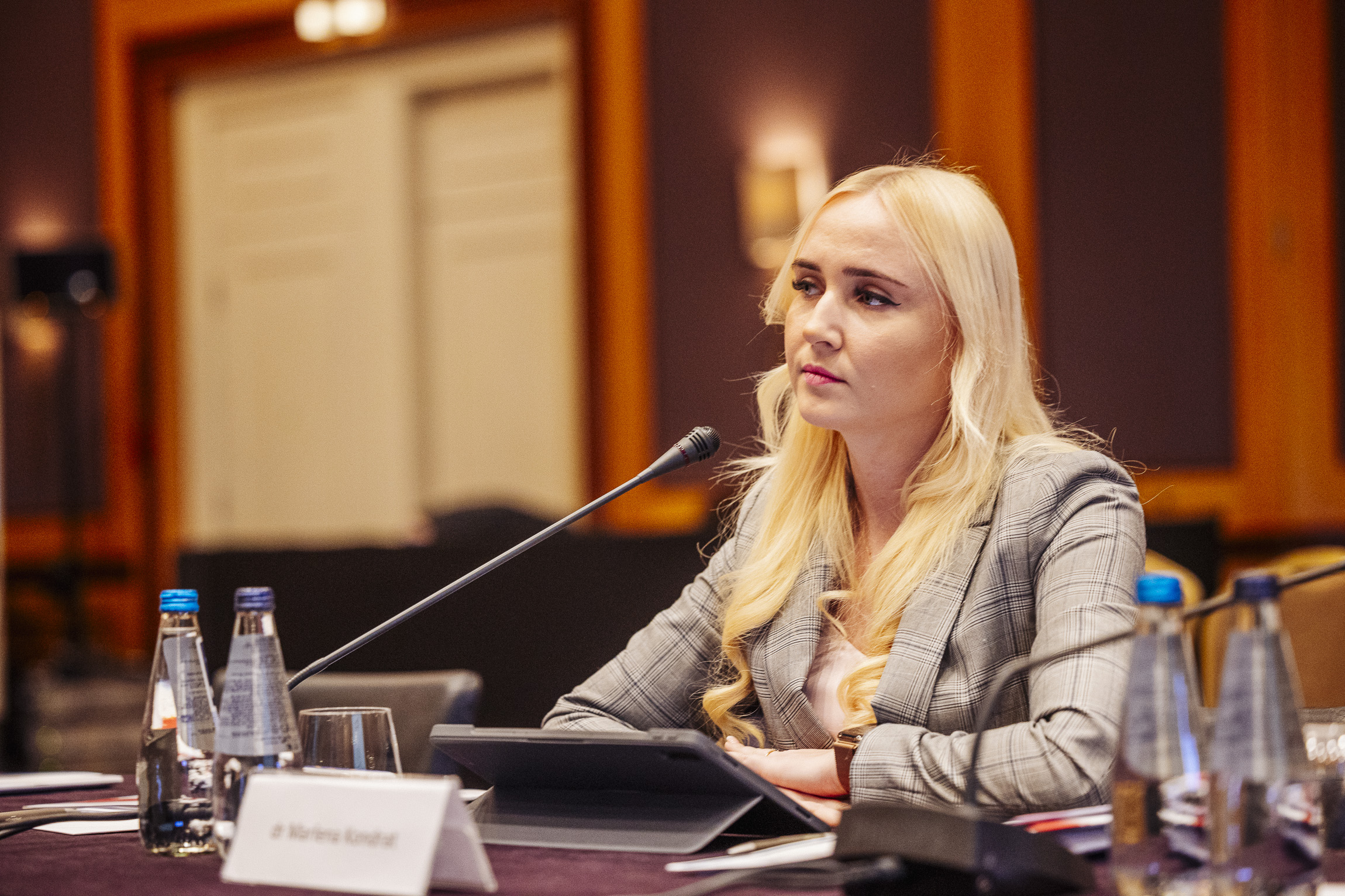
Session moderated by Karolina Wasielewska, head of the newsroom at Radio Kolor, focused on the potential of digital technologies in transforming healthcare. The discussion covered ways in which digitalization can improve access to health services, increase diagnostic and treatment efficiency, and enable better coordination of patient care. Participants in the session included: Dr. Maria Libura, health expert at the Jagiellonian Club Analysis Center, head of the Department of Medical Didactics and Simulation at the University of Warmia and Mazury in Olsztyn; Dr. Ligia Kornowska, leader of AI IN HEALTH; Dr. Jarek Oleszczuk, healthcare system expert; Dr. Anna Gawrońska, expert in healthcare management; Dr. Marlena Kondrat, board member of the National Institute for Senior Economy; Maia Mazurkiewicz, co-founder & head of StratComm, Alliance4Europe; Aleksandra Sienkiewicz, director of the Health Forum of the Union of Entrepreneurs and Employers; and Jakub Zaczyk, chairman of the Economic Council for Medical Devices at POLMED.
According to Dr. Maria Libura, although digitalization is a powerful tool, it is not a solution in itself and therefore must be effectively regulated and fully understood in terms of serving the public interest. She emphasized that digitalization is inevitable, but in order to be fair and deliver the expected results, it must be guided by principles of social justice.
Dr. Marlena Kondrat from the National Institute for Senior Economy spoke about the role of seniors in the digitalization process and their need to use solutions that enable contact with medical specialists. She stressed the importance of ensuring fair access to digital technologies and education in the health domain.
– Poland, in looking at the presidency’s priorities, can draw inspiration from countries such as Finland or Sweden, which handle digital challenges well. The EU should increase its commitment to developing new technologies so as not to fall behind other countries, especially in the context of competition with platforms from outside the EU – added Maia Mazurkiewicz.
Dr. Ligia Kornowska emphasized that Poland should approach digital health without inferiority complexes and be ready to act as a testing ground in certain areas. She pointed to successful examples of implementing digital innovations in the Polish healthcare system, such as the electronic prescription and the growth of medical startups, including those focused on artificial intelligence in health.
Roundtable: PREVENTION AND HEALTHCARE IN THE CONTEXT OF THE “ONE HEALTH” APPROACH
Link: https://www.facebook.com/100080093855684/videos/706783458233149
Session moderated by Dr. Jakub Gierczyński featured, among others: Prof. Małgorzata Janas-Kozik, Plenipotentiary of the Minister of Health for the Reform of Child and Adolescent Psychiatry; Prof. Mieczysław Walczak, National Consultant in Pediatric Endocrinology and Diabetology; Prof. Brygida Kwiatkowska, National Consultant in Rheumatology; Prof. Maciej Banach, President of the Polish Lipidological Society, Undersecretary of State in the Ministry of Science and Higher Education (2010–2012); Prof. Robert Gil, President of the Polish Cardiac Society; Prof. Robert Flisiak, President of the Polish Association of Epidemiologists and Infectious Disease Physicians, Chairman of the Team for Monitoring and Assessing the Situation Regarding Infectious Disease Threats; Prof. Konrad Rejdak, President of the Polish Neurological Society; Prof. Andrzej Fal, President of the Polish Society of Public Health; Prof. Teresa Jackowska, President of the Polish Pediatric Society; Prof. Małgorzata Myśliwiec, Provincial Consultant in Pediatric Endocrinology and Diabetology, Member of the Scientific Council to the Minister of Health; Prof. Marcin Czech, President of the Polish Society of Pharmacoeconomics, Head of the Department of Pharmacoeconomics at the Institute of Mother and Child, Undersecretary of State at the Ministry of Health (2017–2019); Prof. Tadeusz Pieńkowski, Head of the Oncology Clinic at the Radom Oncology Center, President of the Polish Society for Breast Cancer Research; Prof. Marcin Wojnar, Head of the Department and Clinic of Psychiatry at the Medical University of Warsaw; Dr. Aleksandra Lewandowska, National Consultant in Child and Adolescent Psychiatry; and Stanisław Maćkowiak, President of the Polish Patients’ Federation, President of the National Forum for Therapy of Rare Diseases ORPHAN.
During this session, experts discussed the importance of prevention and public health promotion, emphasizing the need for innovative solutions in combating chronic and infectious diseases. The need for investment in health education and the development of public health monitoring systems was also highlighted.
Prof. Maciej Banach emphasized the necessity of a holistic view of the patient and collaboration across medical specialties. According to the President of the Polish Lipidological Society, this approach should be the foundation of prevention, which is currently lacking. Cardiovascular diseases are the leading cause of death globally—WHO data from 2019 confirms they were responsible for 19 million deaths. They account for more deaths than the next three leading causes—cancer, lung diseases, and diabetes combined. The COVID-19 pandemic, for which no country was prepared, further worsened this picture.
Prof. Mieczysław Walczak argued that prevention of these diseases must start with children—as early as possible. – In this area, broad efforts are needed to improve the situation, including prevention, treatment, and physical activity of children and adolescents, particularly in relation to diabetes – added Prof. Walczak.
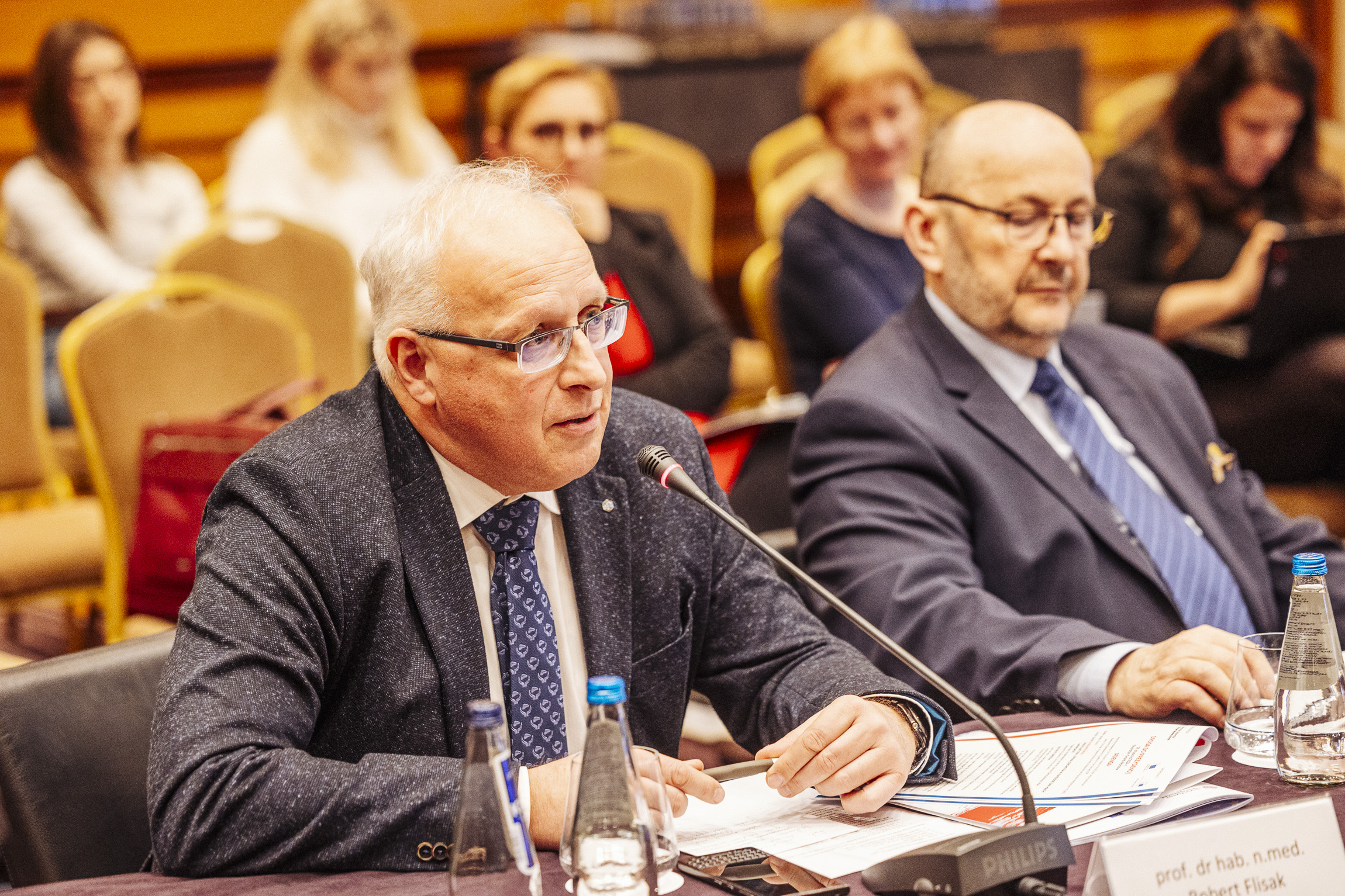
Prof. Robert Flisiak highlighted problems related to liver cancer. – There is no effective therapy. The only treatment is liver transplantation, possible for very few patients, and we can prevent this by mass testing for HCV infections. But we don’t do this, and actions taken so far have been superficial – he strongly emphasized.
– More than 50% of our health ultimately depends on lifestyle and behavioral factors – assessed Prof. Andrzej Fal. – And paradoxically, this is where the least funding is allocated. Why? Because the return period is quite long. (…) I’d like to remind you of WHO, World Bank, and our National Institute of Public Health reports, showing that between 92% and 94% of premature deaths in Poland are caused by diseases mostly driven by behavioral factors. These factors are responsible for over 70% of indirect costs of all these diseases – summarized Prof. Fal.
Dr. Aleksandra Lewandowska emphasized that in child and adolescent psychiatry, the number of young patients has been rapidly increasing in recent years due to mental health disorders in the developmental age population. – Environmental factors play a huge role here—those that we (as adults, through preventive actions) can influence and mitigate – she added.
– Universal prevention is, on the one hand, knowledge, but our experience shows that knowledge alone is not enough. These should be programs and regular lessons, maybe even in kindergarten, covering life hygiene, sleep hygiene, and diet hygiene – concluded Prof. Małgorzata Janas-Kozik.
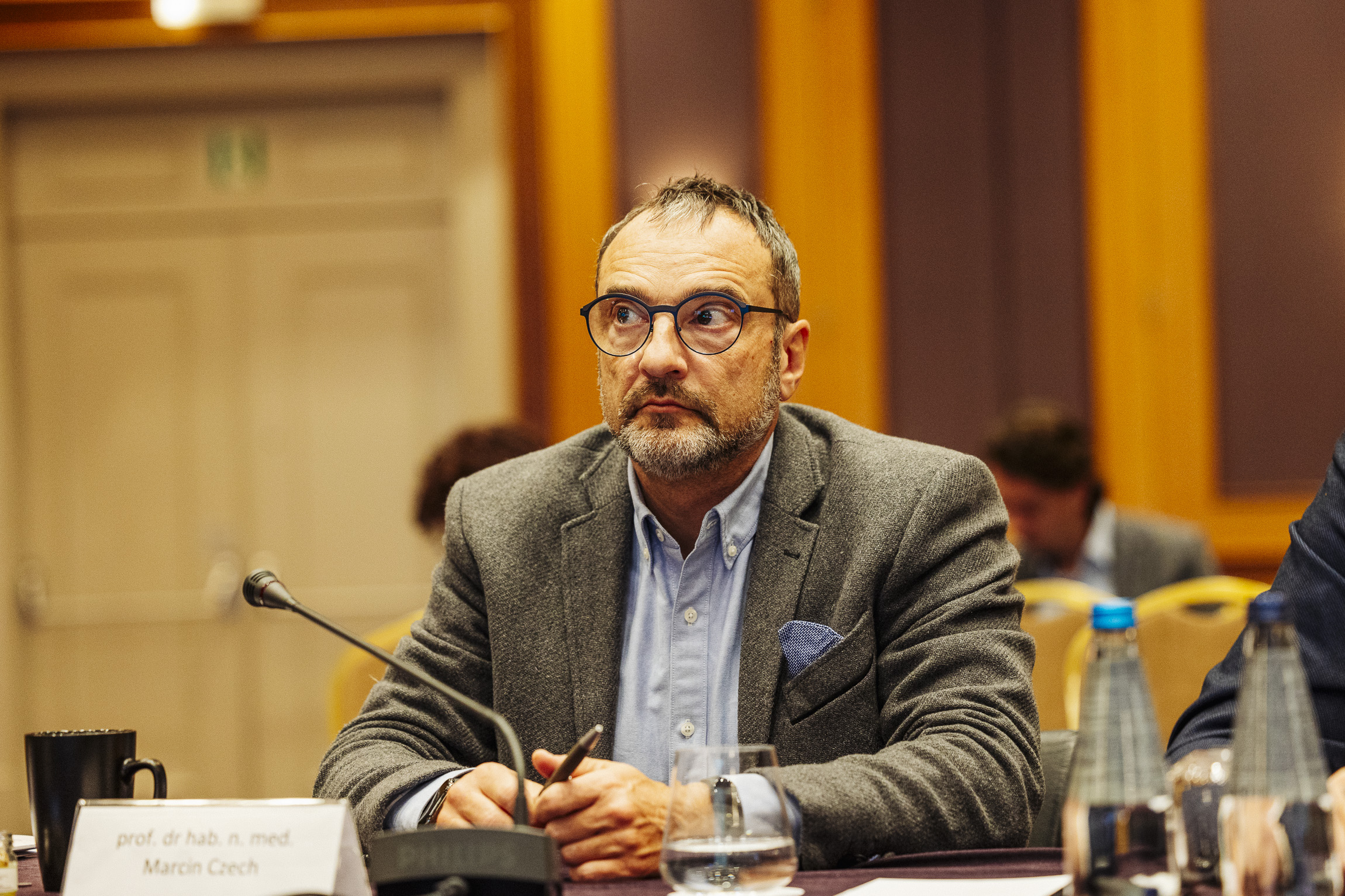
Prof. Marcin Czech noted that many positive changes have occurred in Poland regarding access to primary prevention. – In infectious diseases, we now have many more publicly funded vaccinations available. Poland is one of the leading countries in Europe in terms of screening—30 diseases are screened, and Poland, along with Italy, leads in this area. Screening of selected diseases is something we can share, such as the excellent solutions in the case of SMA. This is a very good foundation and case study to share across Europe – observed Prof. Czech.
Roundtable: EUROPEAN HEALTHCARE SYSTEM IN THE FACE OF DEMOGRAPHIC CHANGES
Part 1. Women at the Center: Women’s Health as the Foundation of the European Health Union
Link: https://www.facebook.com/100080093855684/videos/703273218456835
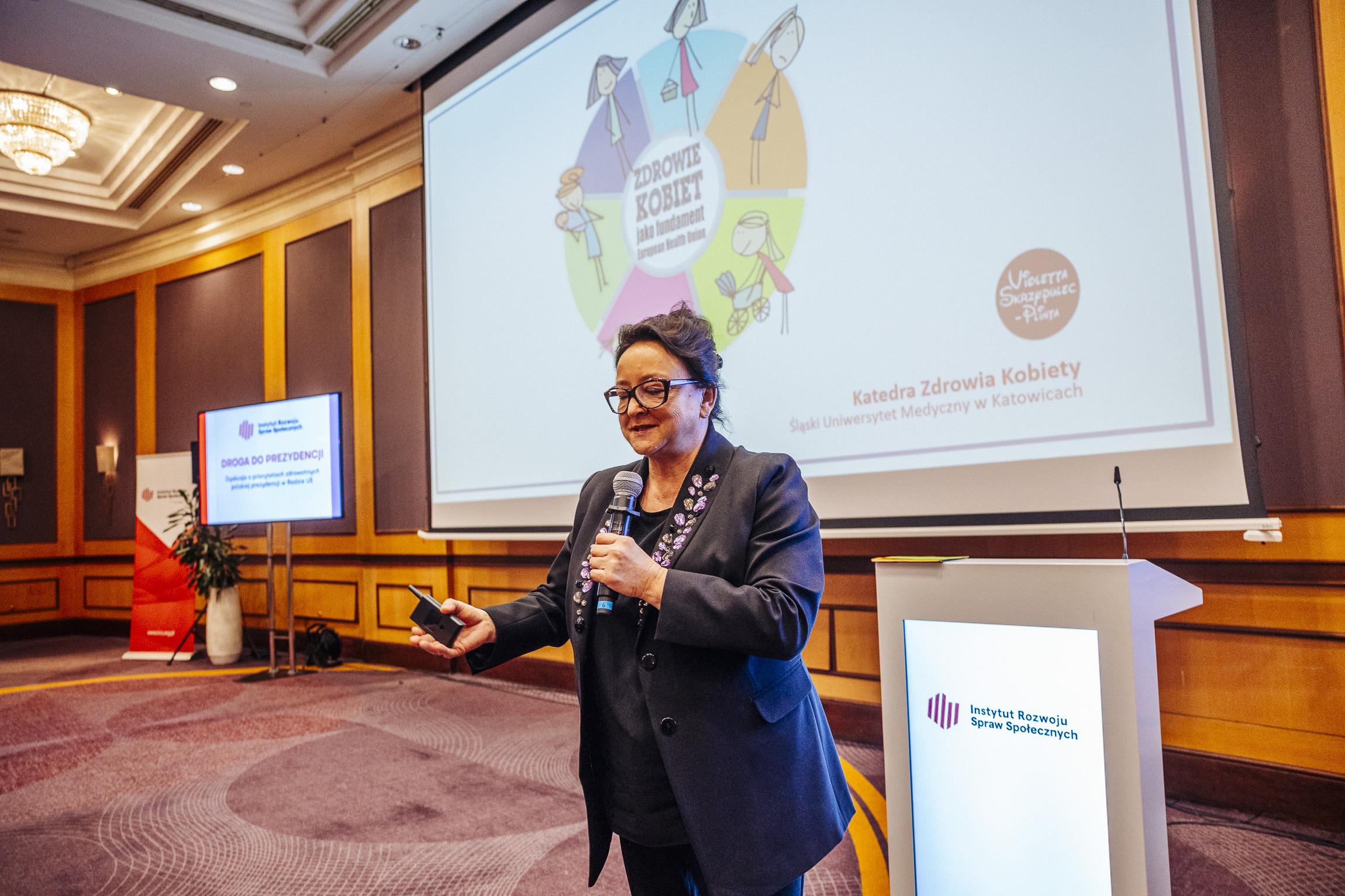
In the discussion moderated by journalist Karolina Hytrek-Prosiecka, participants included: Minister for Equality Katarzyna Kotula; Prof. Violetta Skrzypulec-Plinta, Head of the Department of Women’s Health and the Department of Reproductive Health and Sexology at the Medical University of Silesia; Neil Datta, Executive Director of the European Parliamentary Forum for Sexual and Reproductive Rights; Peggy Maguire, Director General of the European Institute of Women’s Health; Wanda Nowicka, MP and Chair of the Parliamentary Women’s Rights Team; Thomas Hofmarcher, Research Director at the Swedish Institute of Health Economics (IHE); and attorney Katarzyna Bondaryk from Bondaryk Law Firm.
This part of the conference emphasized the impact of demographic changes on healthcare systems, with a special focus on women’s health. Speakers also highlighted the need to consider women’s specific health needs in service planning, both in prevention and treatment.
Minister Katarzyna Kotula pointed out that the upcoming Polish EU Council Presidency will be the second under Prime Minister Donald Tusk, but the first with a constitutionally appointed Minister for Equality in the Council of Ministers. She assured that during the six months of the Polish presidency, the issue of reproductive rights for Polish women—and the broader gender equality agenda—will enter the political mainstream. – My goal is for Poland to become a country that fully regulates women’s reproductive rights and ensures broad access to medical services by the end of 2027. One of my first decisions as Minister for Equality was to change Poland’s stance on the EU directive against violence. It included the famous Article 5, redefining rape. The Belgian presidency chose not to retain it. Regardless, we changed our position from negative to positive. We are making small but consistent steps forward – emphasized Kotula.
According to Prof. Skrzypulec-Plinta, other key areas of women’s health include education, vaccinations, and cytology. – We see declining fertility and rising infertility. Let’s remember, we are an aging society. Therefore, improving life quality during menopause is crucial. From cardioprotection to preventive measures – women live 8–9 years longer than their average partner. This longevity and new needs require a European-wide response – she stressed.
Wanda Nowicka highlighted that when we talk about women’s health, we must also address economic and financial issues, healthcare shortages, and insufficient prevention. – These are barriers that limit access to quality care and negatively impact women’s health. Let’s ensure that equality is not just a slogan but a real change in women’s situation in healthcare – she emphasized.
Part 2. Senior Policy in the Face of Population Aging in the EU
Link: https://www.facebook.com/100080093855684/videos/703273218456835
The session was moderated by Jakub Gołąb and included: Prof. Bolesław Samoliński of the Medical University of Warsaw; Krystyna Lewkowicz, President of the National Agreement of Universities of the Third Age; Marzena Rudnicka, President of the Board of the National Institute for Senior Economy; Dr. Janusz Meder, President of the Polish Oncology Union; Małgorzata Bogusz, President of the Institute for the Development of Social Affairs and Member of the European Economic and Social Committee; and Maciej Bogucki, Director of the European Centre for Health Policy and Strategy.
During the day’s final discussion, experts emphasized the impact of demographic changes on healthcare systems and discussed challenges related to the growing elderly population in Poland and Europe. They explored how best to respond to these challenges.
Prof. Bolesław Samoliński discussed key senior policy issues and ways to improve quality of life for older adults. He emphasized the need for a multigenerational strategy for senior issues and the important role of NGOs. – We need multigenerational engagement and rational planning of health and social policy – he stressed.
Marzena Rudnicka spoke about initiatives promoting active and healthy aging, including educational, communication, and social aspects. She called for a change in mindset about aging, viewing it as a continuum and building resources in health, finance, and social presence. Early planning and joint decision-making within families are also essential.
Krystyna Lewkowicz stressed the importance of preparing for demographic and technological changes, which pose a challenge for society. She described the aging process as beginning in childhood and encouraged a shift in thinking about aging and readiness for ongoing demographic transformation.
Dr. Janusz Meder emphasized the need for effective health management and a focus on active, healthy aging. He stressed the importance of intergenerational cooperation and the use of modern tools, such as AI and digitalization, to improve senior healthcare.
Maciej Bogucki noted that proposed priorities need clarification and should be more specific and actionable. He emphasized the need for coordination with countries like Belgium, Hungary, Denmark, and Cyprus, rather than working in isolation. He also called for a paradigm shift to better support seniors and view them as a social resource, not a burden.
Małgorzata Bogusz raised the issue of Europe’s demographic challenges—especially the rising population of older adults and the need to prepare healthcare and social systems to handle this trend. She voiced support for NGOs in shaping senior policy and stressed the need for strategic planning and knowledge exchange in this area.
Prof. Samoliński reiterated the need for a long-term, multigenerational strategy for senior policy and forward-looking planning. – There are major demographic challenges, both from a growing senior population and a shrinking working-age population – he noted.
Summary
The “Road to the Presidency” conference served as a forum for knowledge exchange and expert dialogue, and as a crucial step toward finalizing Poland’s health priorities for its upcoming EU Council Presidency. The meeting also emphasized the need for continued cross-sector and international dialogue to jointly address health challenges. The Institute for the Development of Social Affairs commits to further promoting cooperation and innovation in the health sector, which is essential for building sustainable and resilient healthcare systems across the EU, including in Poland.
The conclusions and recommendations gathered during the debate will be used to prepare a White Paper — a comprehensive document to guide policymakers in future health-related actions at both EU and national levels.
The conference highlighted the importance of the Polish presidency in shaping the future of EU health policy, while also demonstrating Poland’s determination and readiness to lead in this field.
Link to the conference page: https://pathtopresidency.eu/
The “Road to the Presidency” conference was held under the patronage of the European Parliament and the European Economic and Social Committee. Additionally, the event was patronized by the Lech Wałęsa Institute, Teraz Polska, THINKTANK, the Economic Forum, the Lewiatan Confederation, and the Union of Entrepreneurs and Employers. The editorial offices of Polityka Zdrowotna and Co w Zdrowiu served as media patrons of the event.