Projects
backEffective care for post-heart attack patients reduces the number of deaths from cardiovascular causes
Cardiologists are sounding the alarm. Cardiovascular diseases (CVD) remain the leading cause of death in Poland. About 70,000 people suffer a heart attack each year, with 20 percent not surviving the first year, and one in three dying from cardiovascular causes within three years. Experts stress the urgent need to optimize the healthcare system. With planned improvements in cardiac treatment and new initiatives like the introduction of KOS Zawał Plus, Poland has the potential to become a European leader in post-heart attack care.
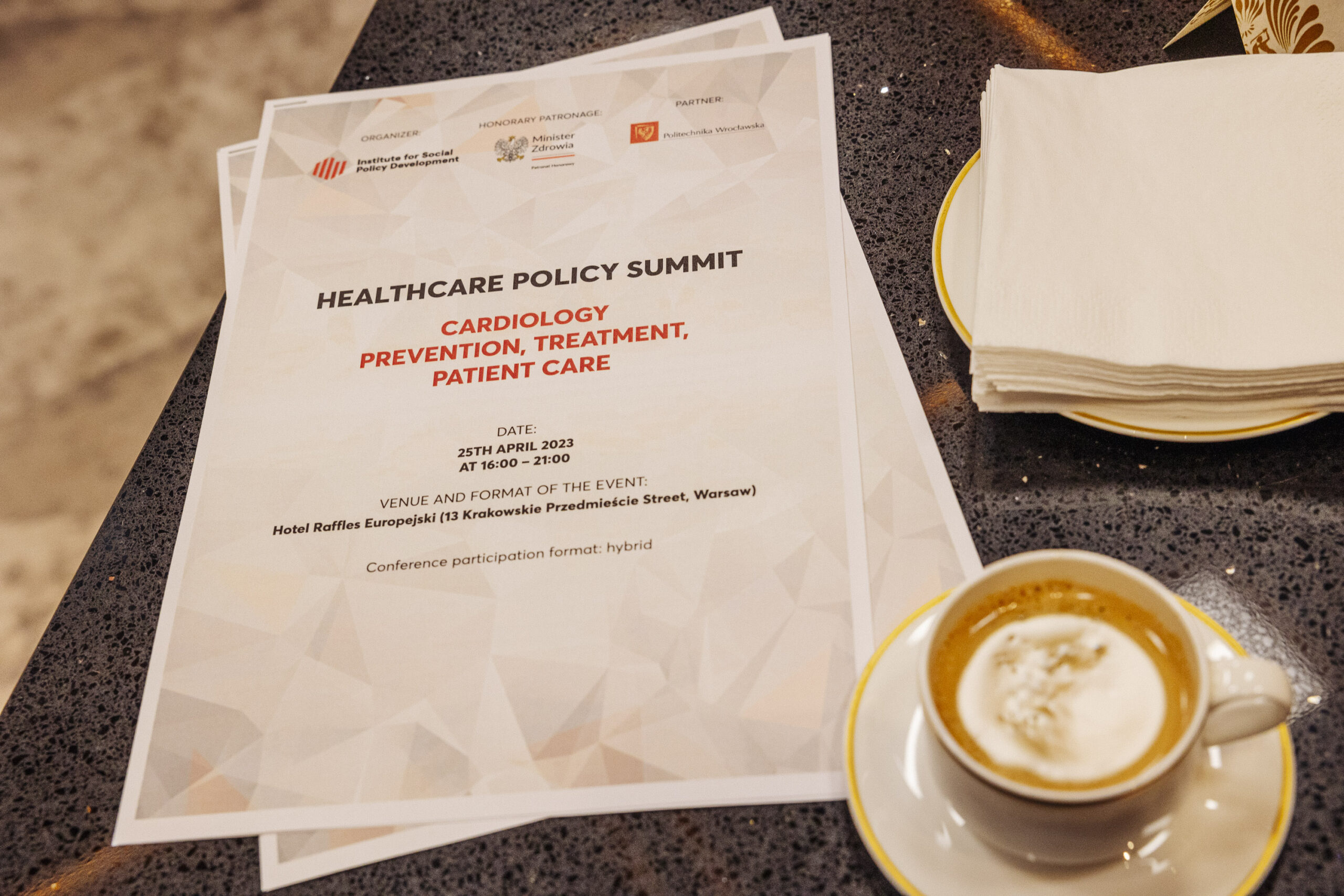
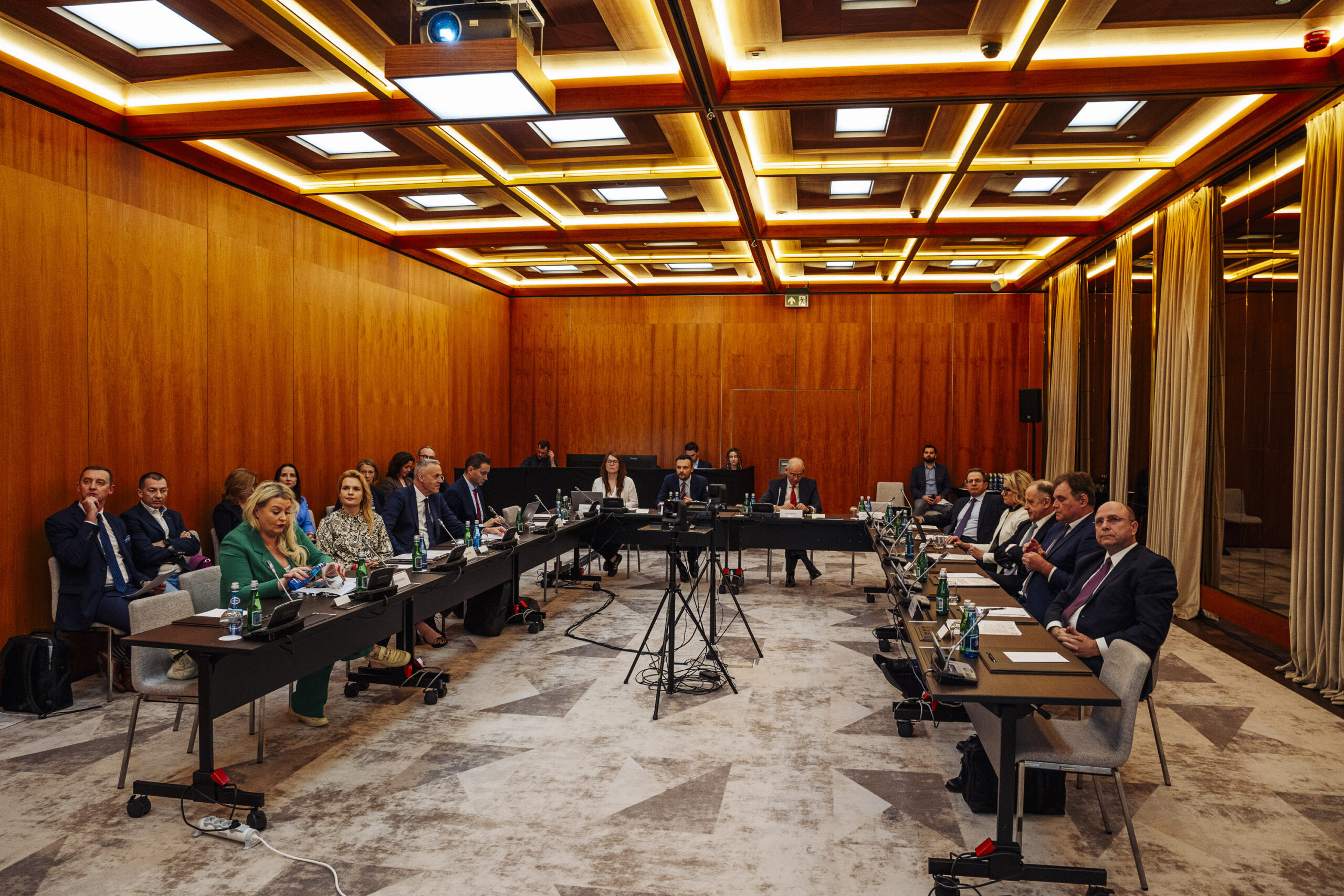
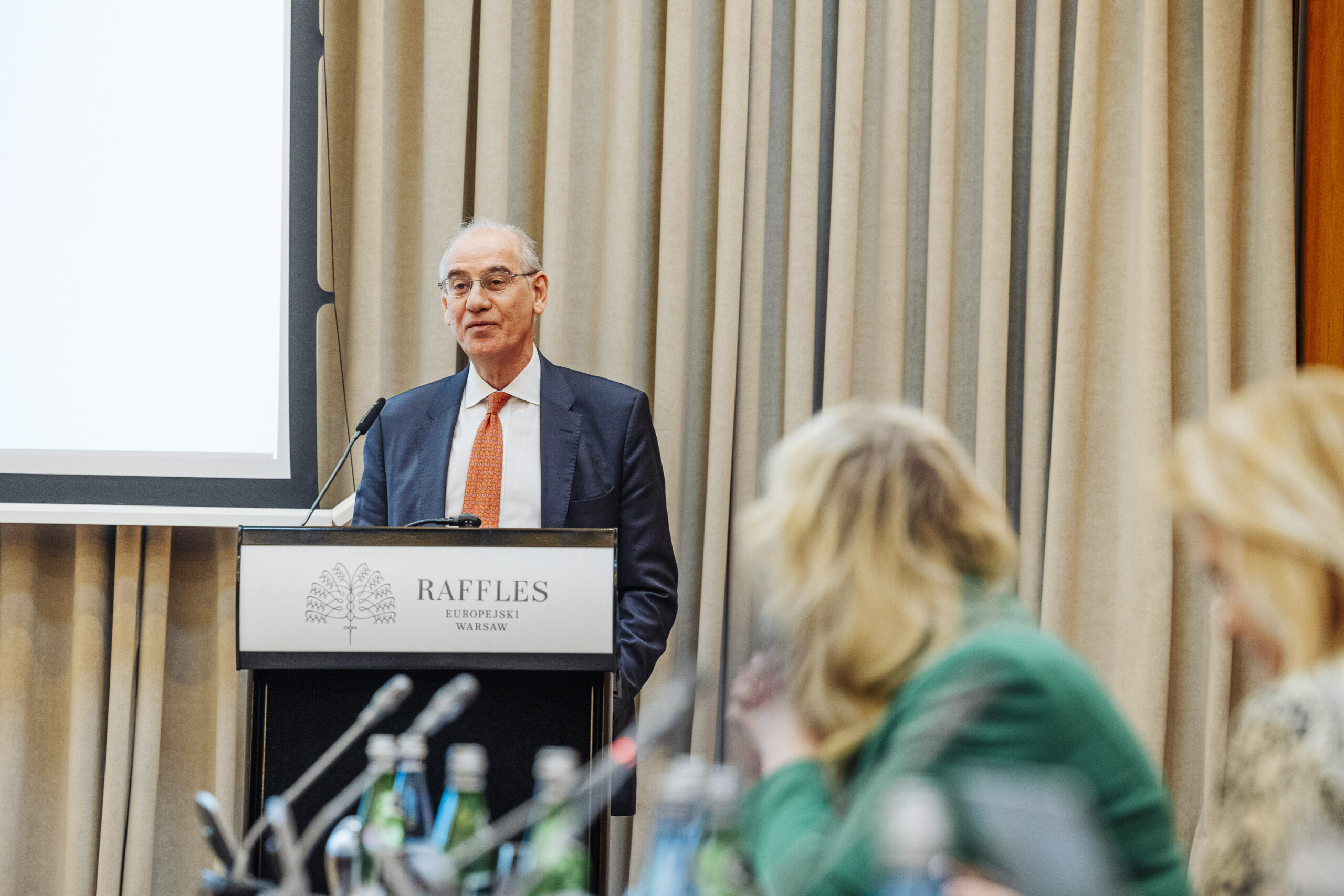
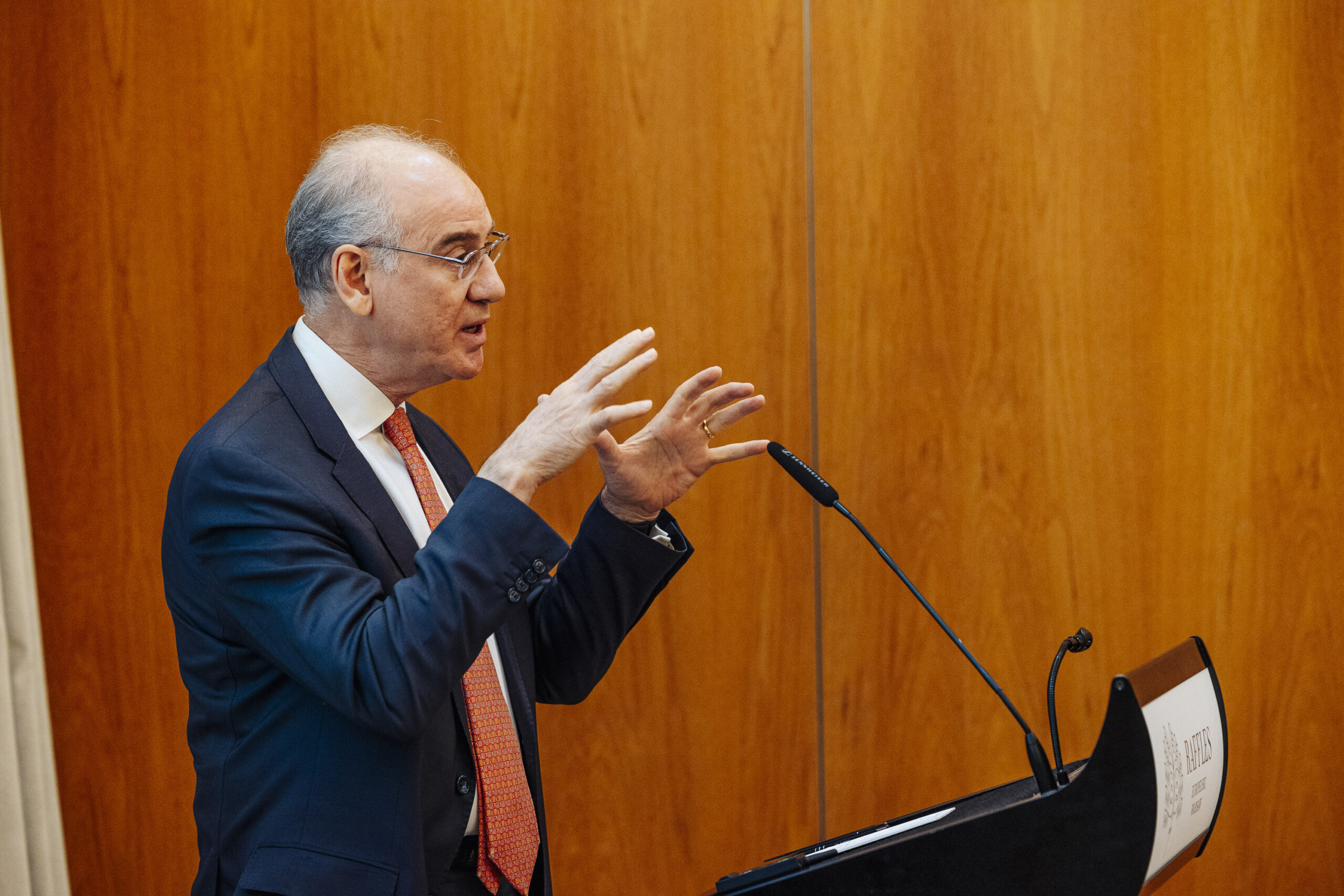
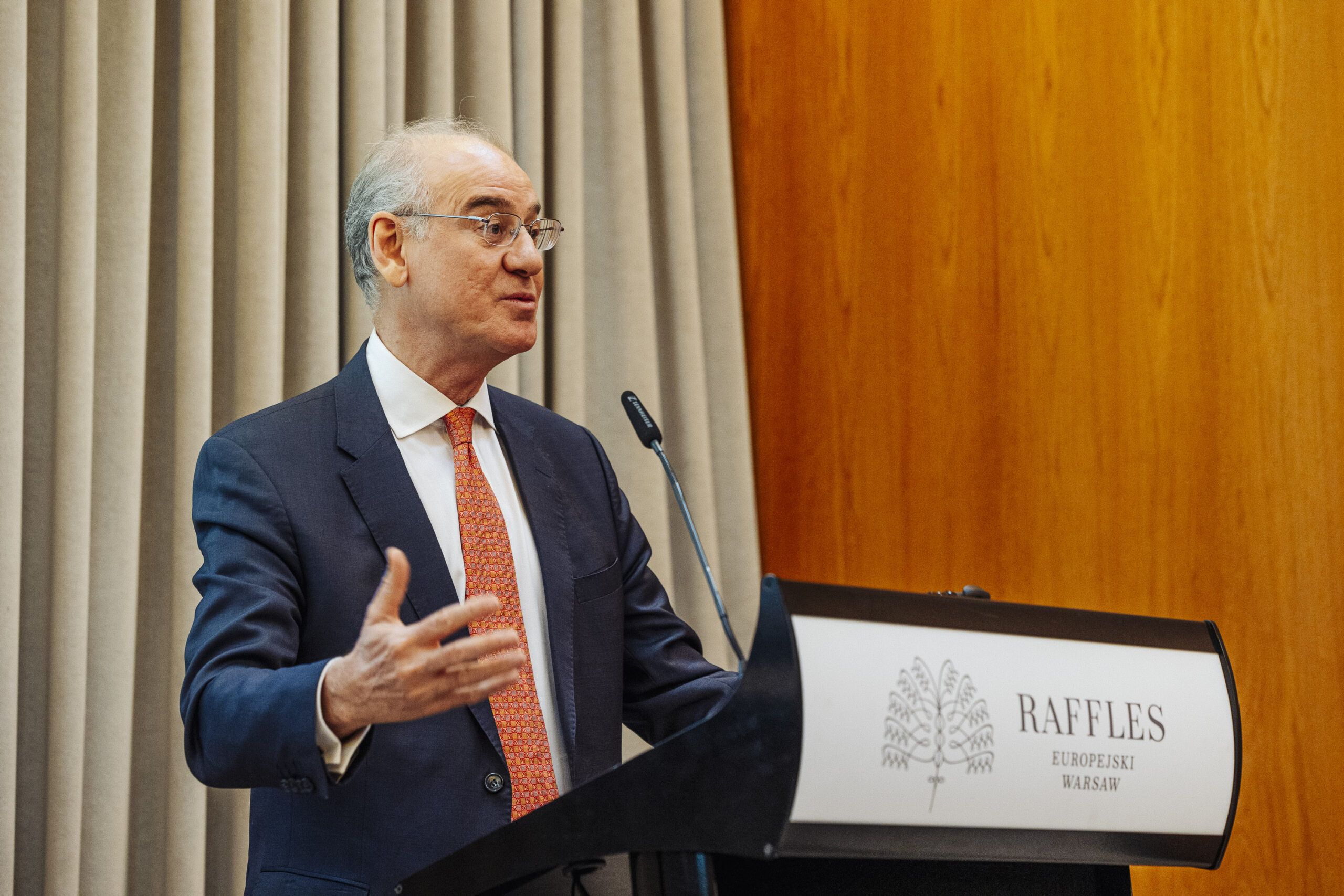
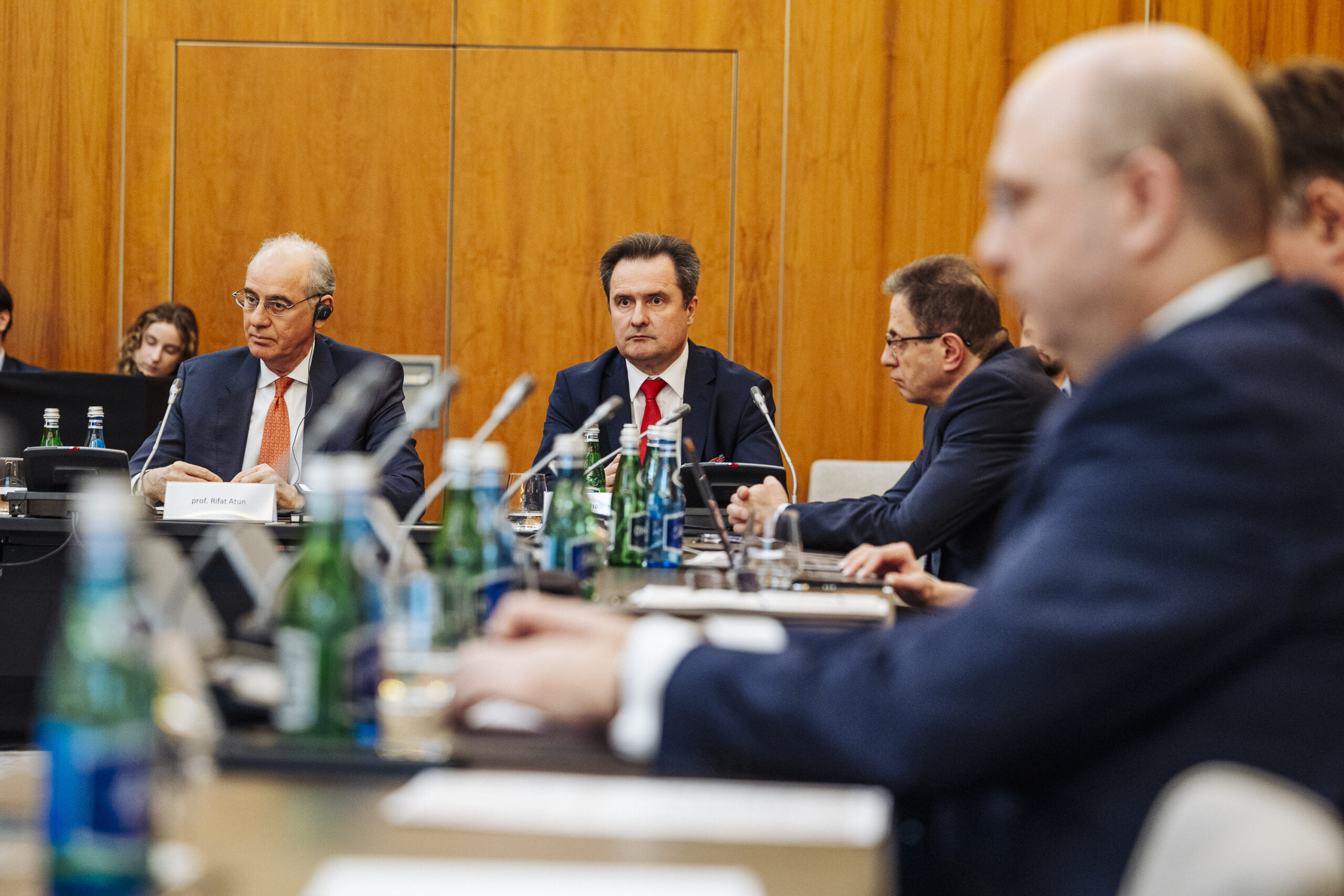
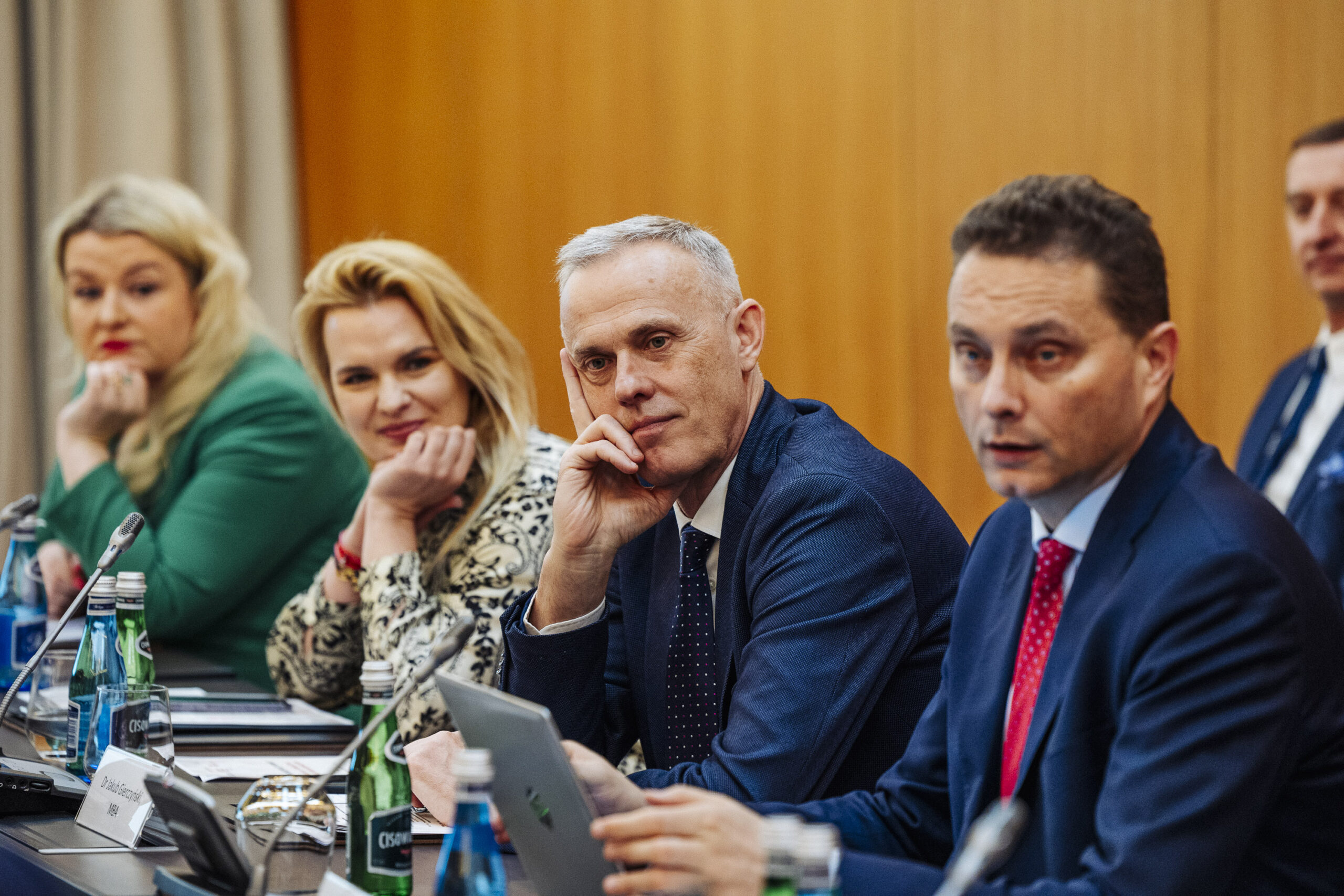
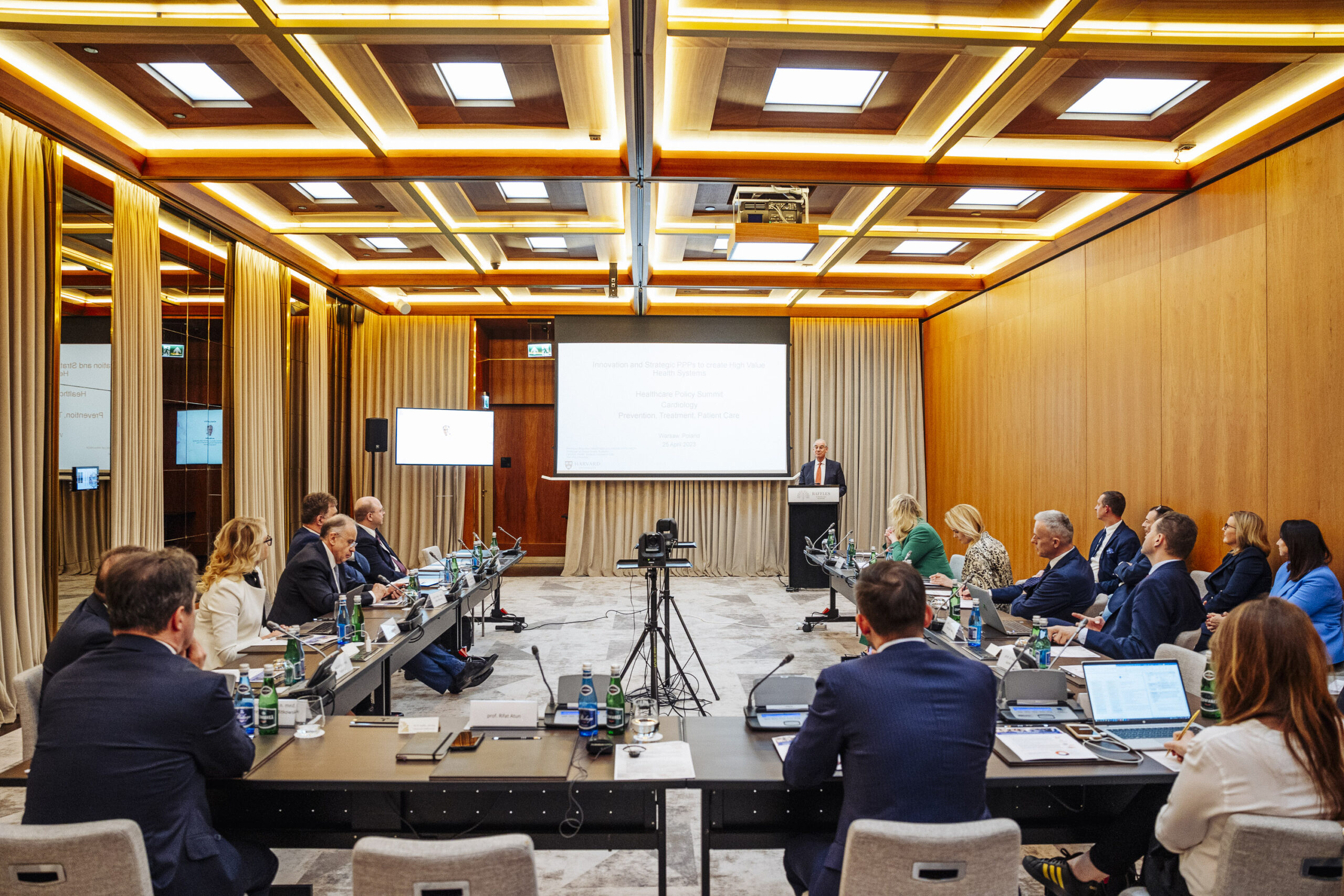
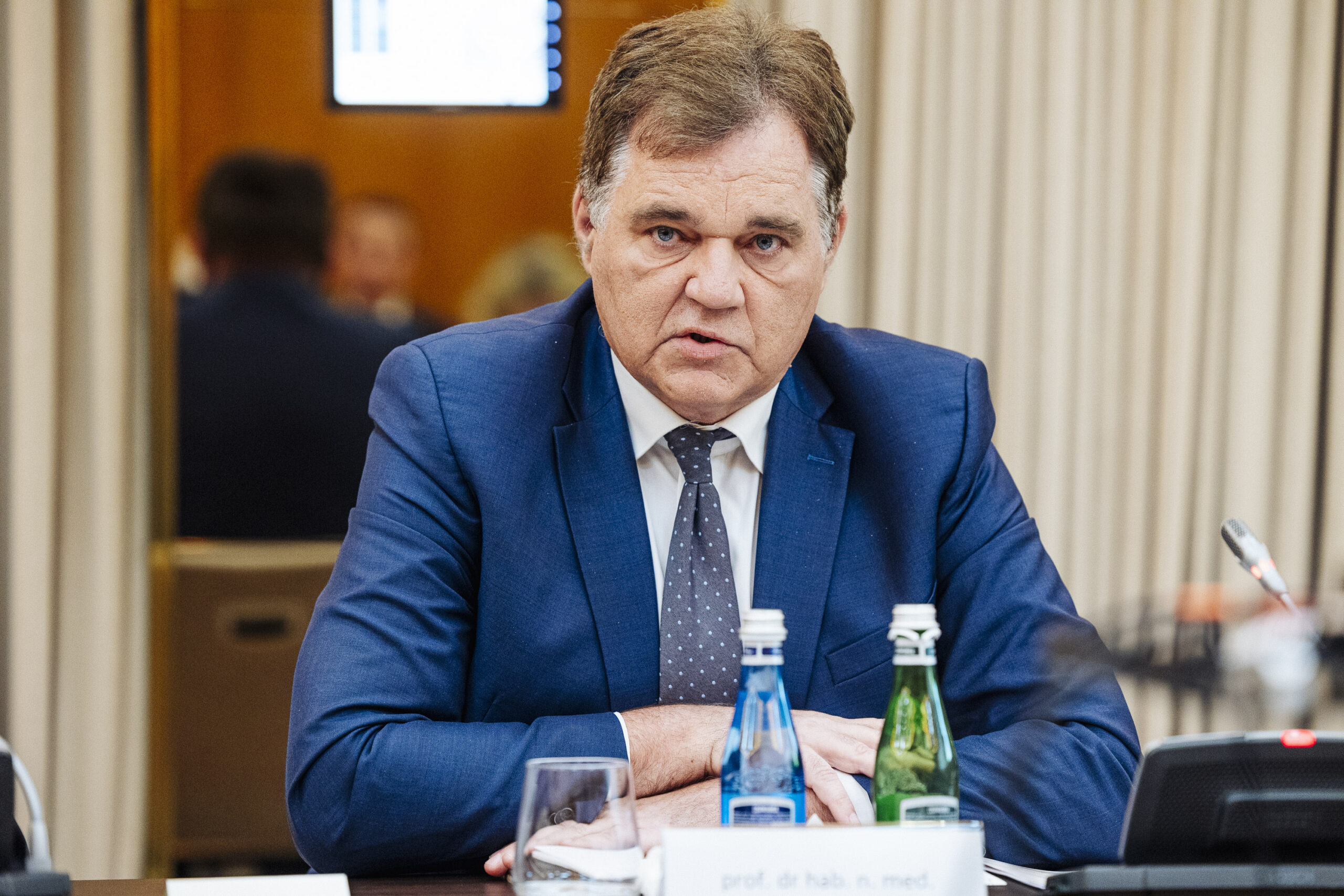
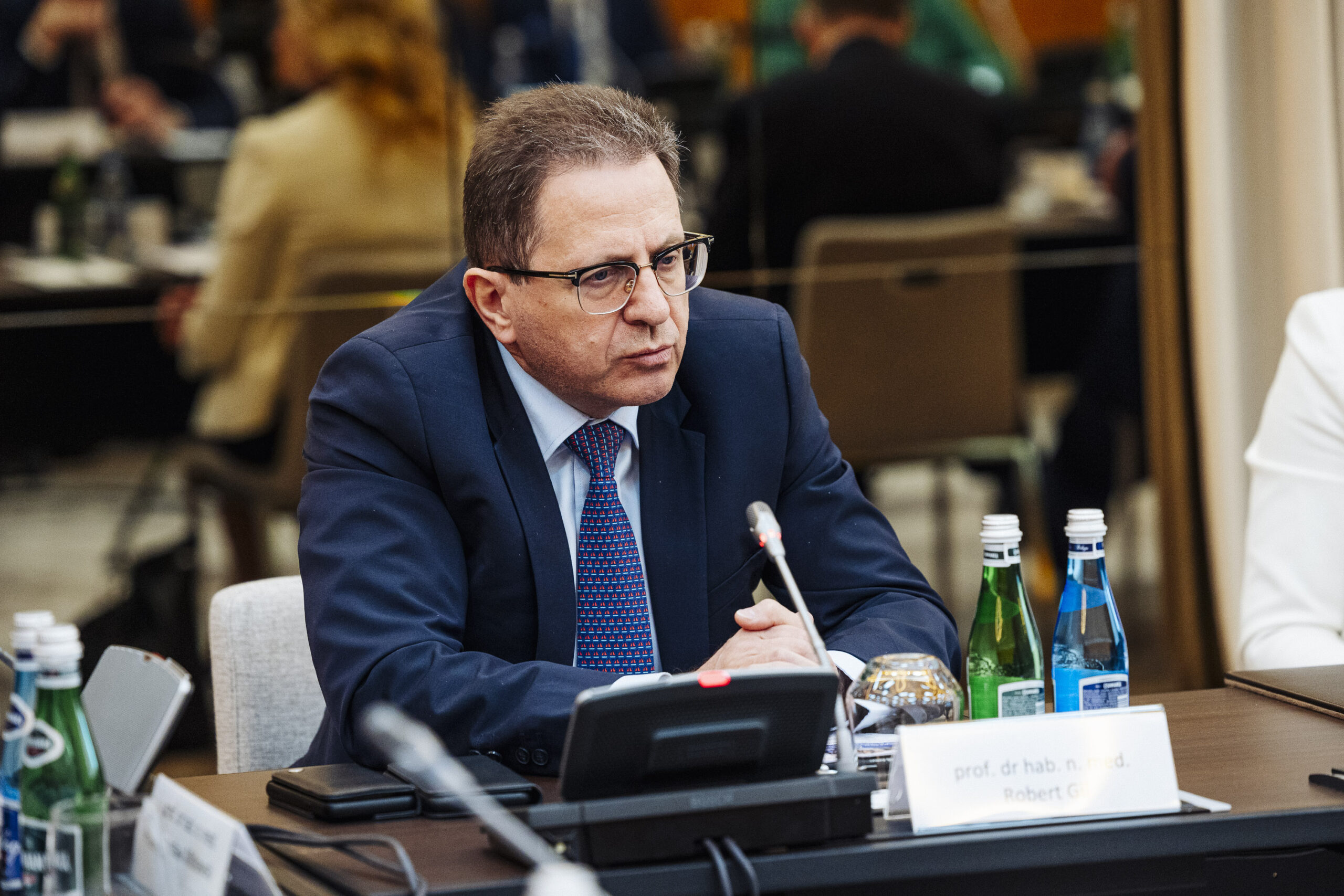
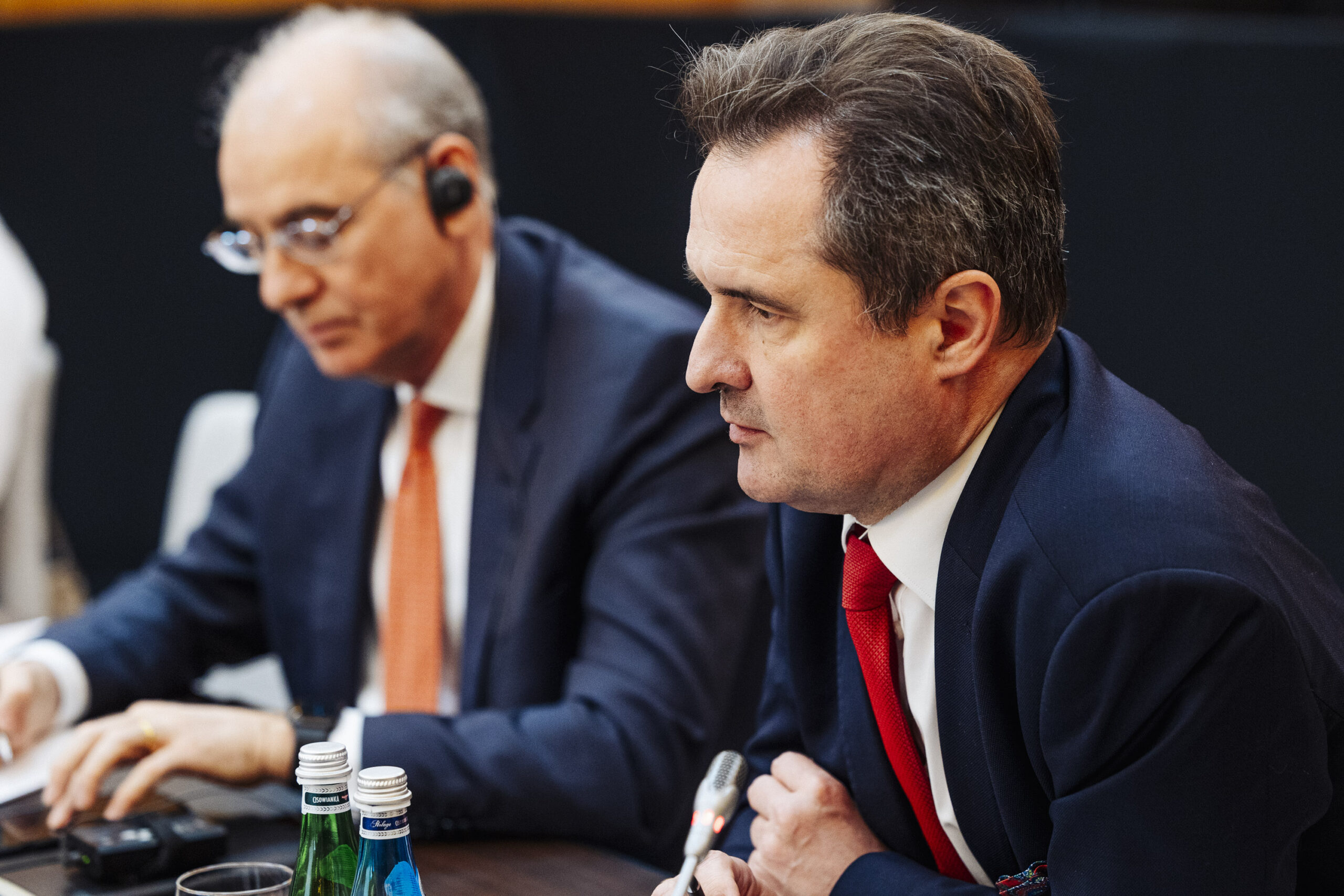
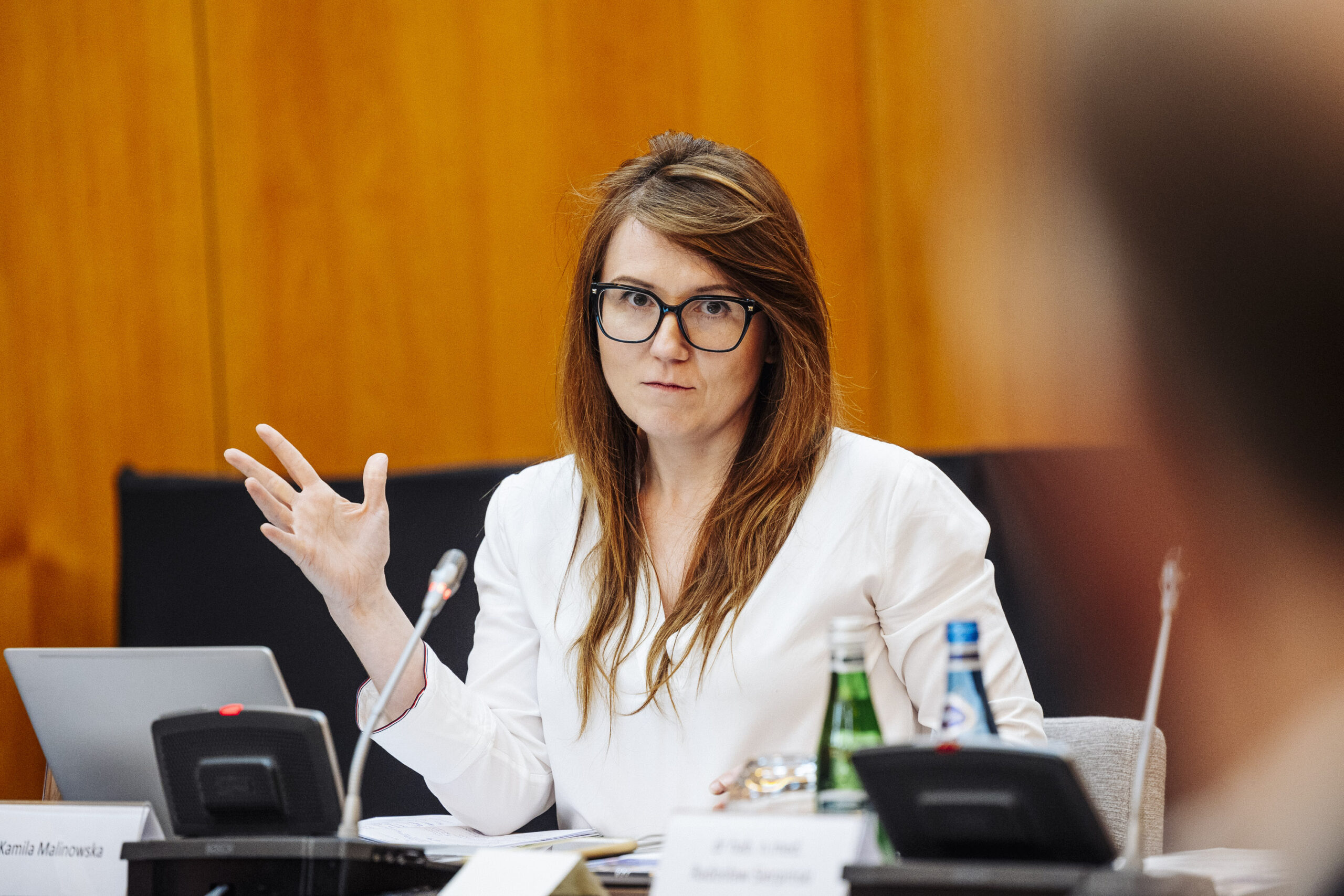
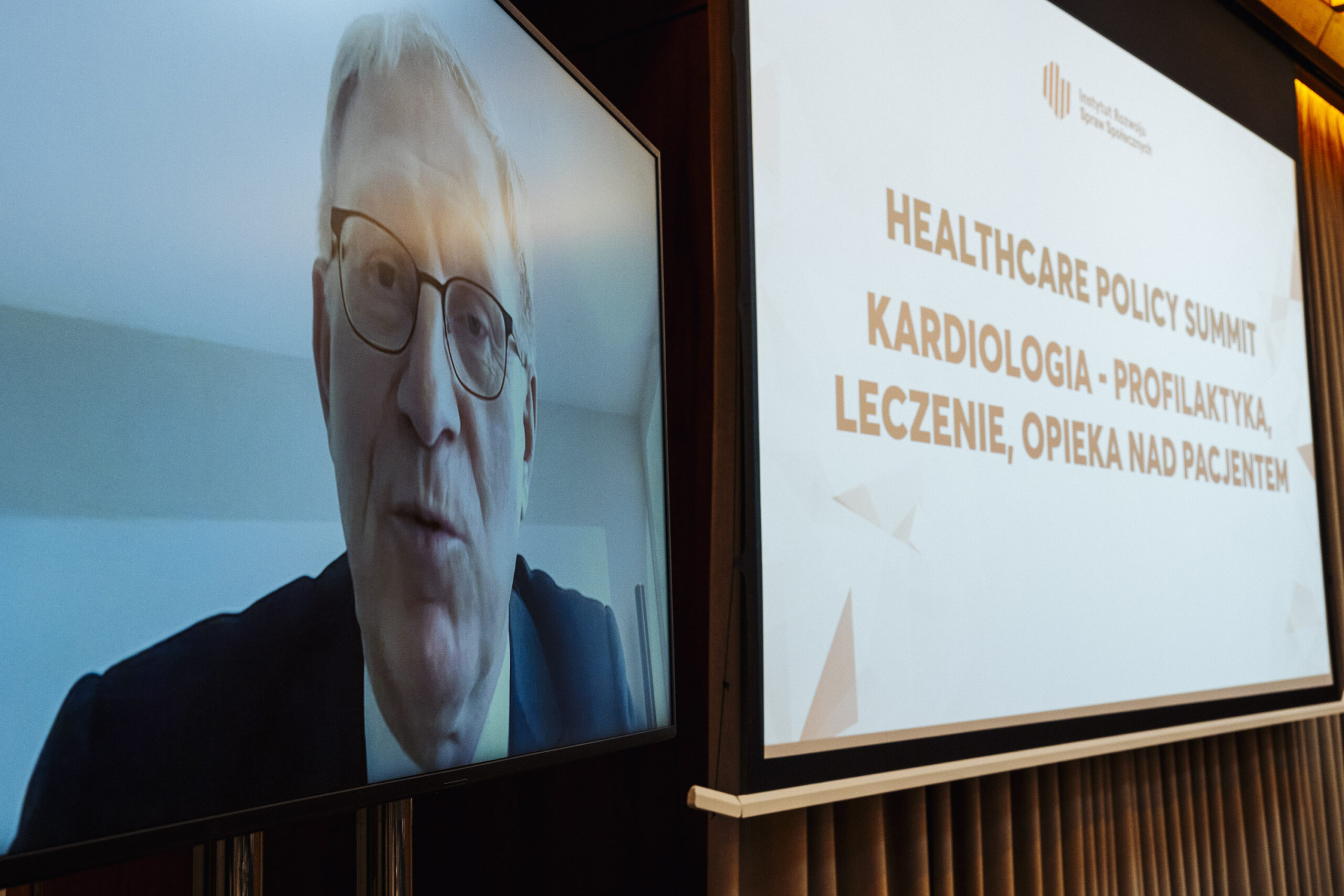
The sixth edition of the “Healthcare Policy Summit” debate series, initiated in 2022 by the Institute for the Development of Social Affairs, was dedicated to the prevention and treatment of cardiovascular diseases and patient care in cardiology. On April 25, leading Polish cardiologists and healthcare system experts discussed the necessary reforms.
Epidemiological data from the latest report by Łazarski University, “Heart Attack and Post-Heart Attack Care,” show that Poland is among the high-risk countries for cardiovascular mortality. In 2021, 67,700 people experienced a heart attack—65% were men and 35% women. Mortality from heart attacks reached 9.5% during hospitalization, 12.4% within 30 days, and 21.5% within a year.
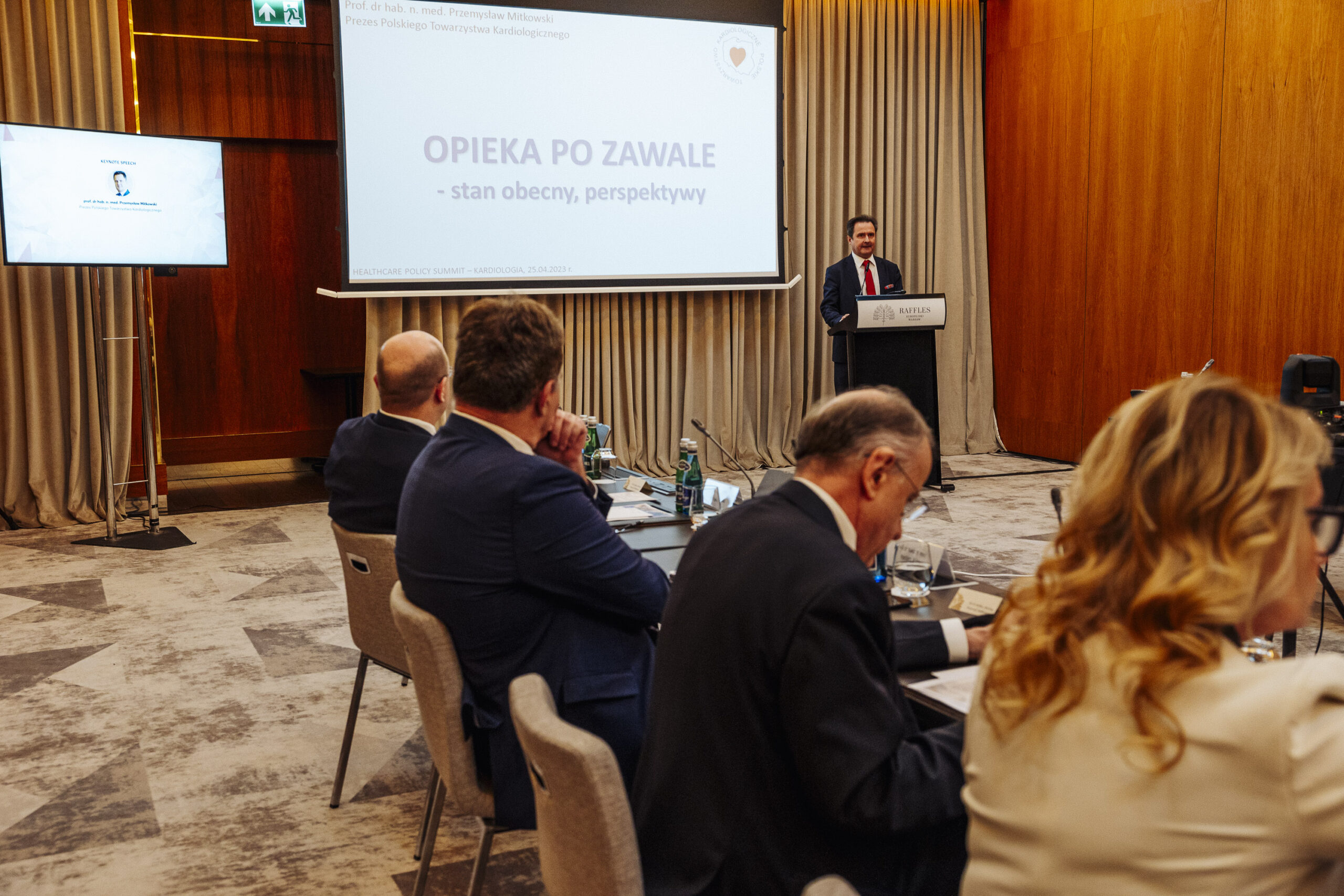
“A patient discharged after a heart attack initially has relatively low mortality, but 60% will be rehospitalized due to ischemic heart disease,” said Prof. Przemysław Mitkowski, President of the Polish Cardiac Society.
According to Prof. Mitkowski, in Western Europe, heart disease is no longer the leading cause of death among the general population and people under 65. Prevention and lifestyle play a crucial role, alongside care for high-risk patients after a heart attack. About 60,000–70,000 heart attacks occur annually in Poland, and a third of these patients die within three years—a trend that could be reversed with coordinated patient care introduced into routine clinical practice starting January 2024.
He added that compared to Denmark, France, Spain, or Sweden, Poland sees higher post-heart attack mortality, despite similar risk factors. Reducing those risk factors—especially cholesterol levels—is key, but over half of patients fail to meet cholesterol targets.
KOS-Zawał, introduced in 2017, helps reduce mortality and complications post-heart attack. It includes inpatient care, cardiac rehabilitation (stationary, outpatient, and telerehabilitation), electrotherapy, and a 12-month specialist follow-up. “KOS-Zawał reduces one-year mortality by over 30% and serious cardiovascular events by 25%, but only half of the centers—68 in total—are running the program,” noted Prof. Mitkowski.
Dr. Małgorzata Gałązka-Sobotka, Director of the Health Care Management Institute at Łazarski University, called KOS-Zawał a flagship example of organizational innovation admired by other countries.
Dr. Radosław Sierpiński, President of the Medical Research Agency, emphasized the program’s importance and the need to update and evaluate it regularly.
The Polish Cardiac Society proposed expanding the program through KOS Zawał Plus, which would involve early and intensive intervention to lower LDL cholesterol, including PCSK9 inhibitors if standard therapies fail. This could make Poland a European leader in post-heart attack treatment.
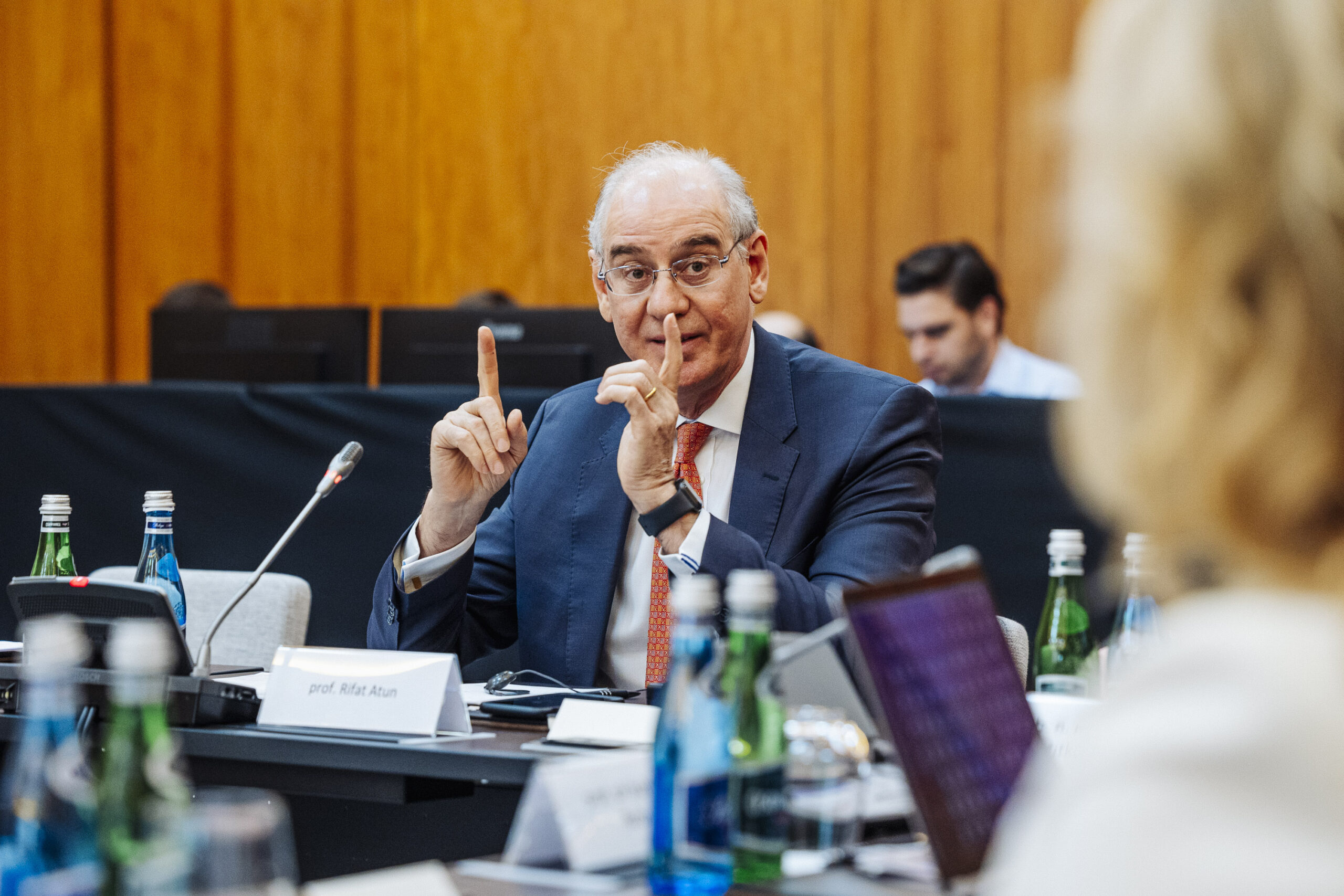
Prof. Rifat Atun of Harvard University stressed that well-functioning health systems are investments that generate employment, innovation, and social benefits. In his view, COVID-19 exposed the need for more flexible, resilient systems and innovative solutions.
Prof. Mitkowski agreed, highlighting that health innovations also generate employment and economic growth.
Dr. Tomasz Latos, Chair of the Parliamentary Health Committee, acknowledged successes in reducing cardiac deaths but called for better post-acute care and coordination between specialists.
Dr. Gałązka-Sobotka emphasized goal-setting for cardiac patients, using data to identify needs, and building tools to measure the effectiveness of interventions.
Prof. Dariusz Jagielski stressed the importance of immediate access to existing health data for improving care.
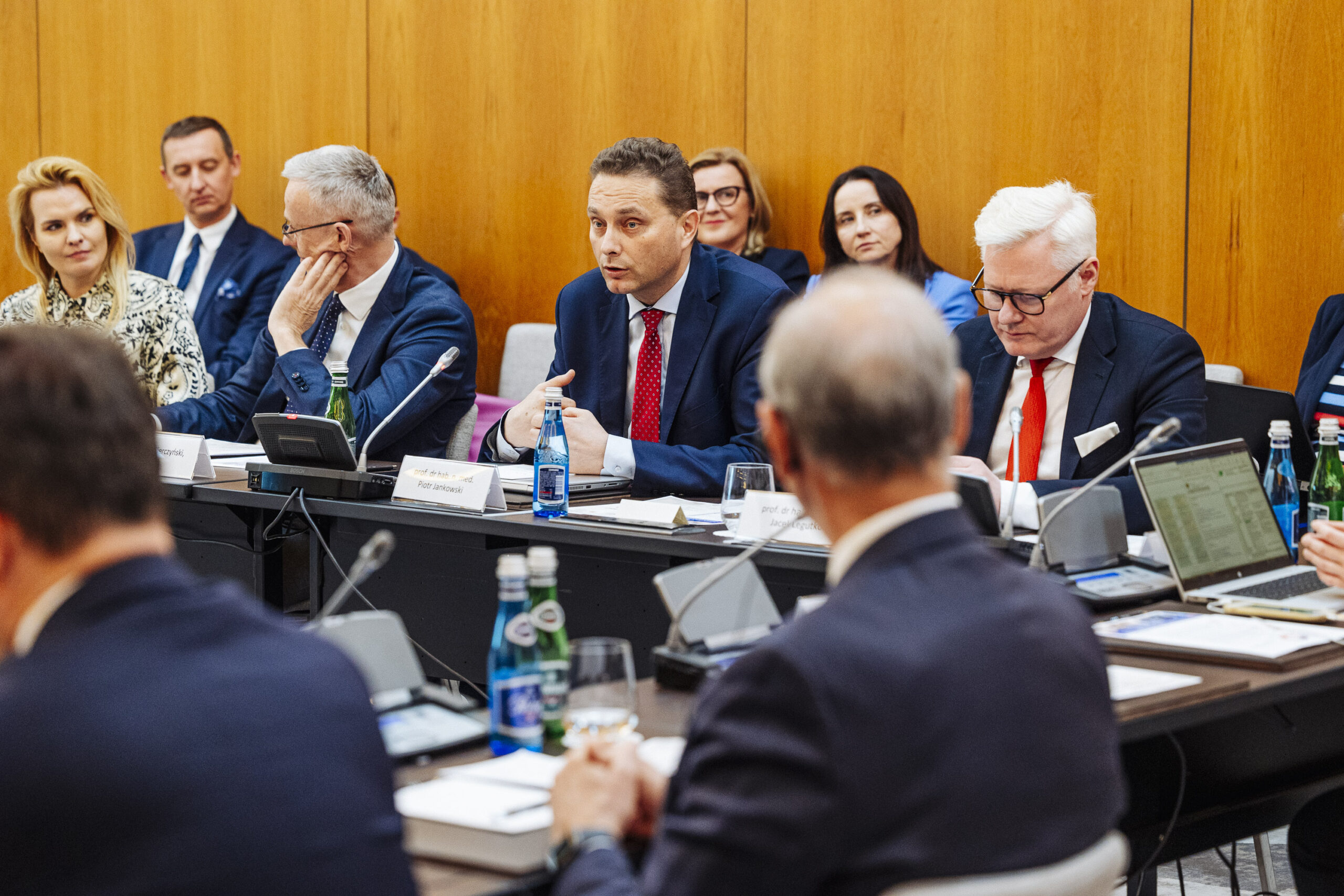
Prof. Piotr Jankowski pointed out that lifestyle and societal factors significantly impact public health, often more than the health ministry itself.
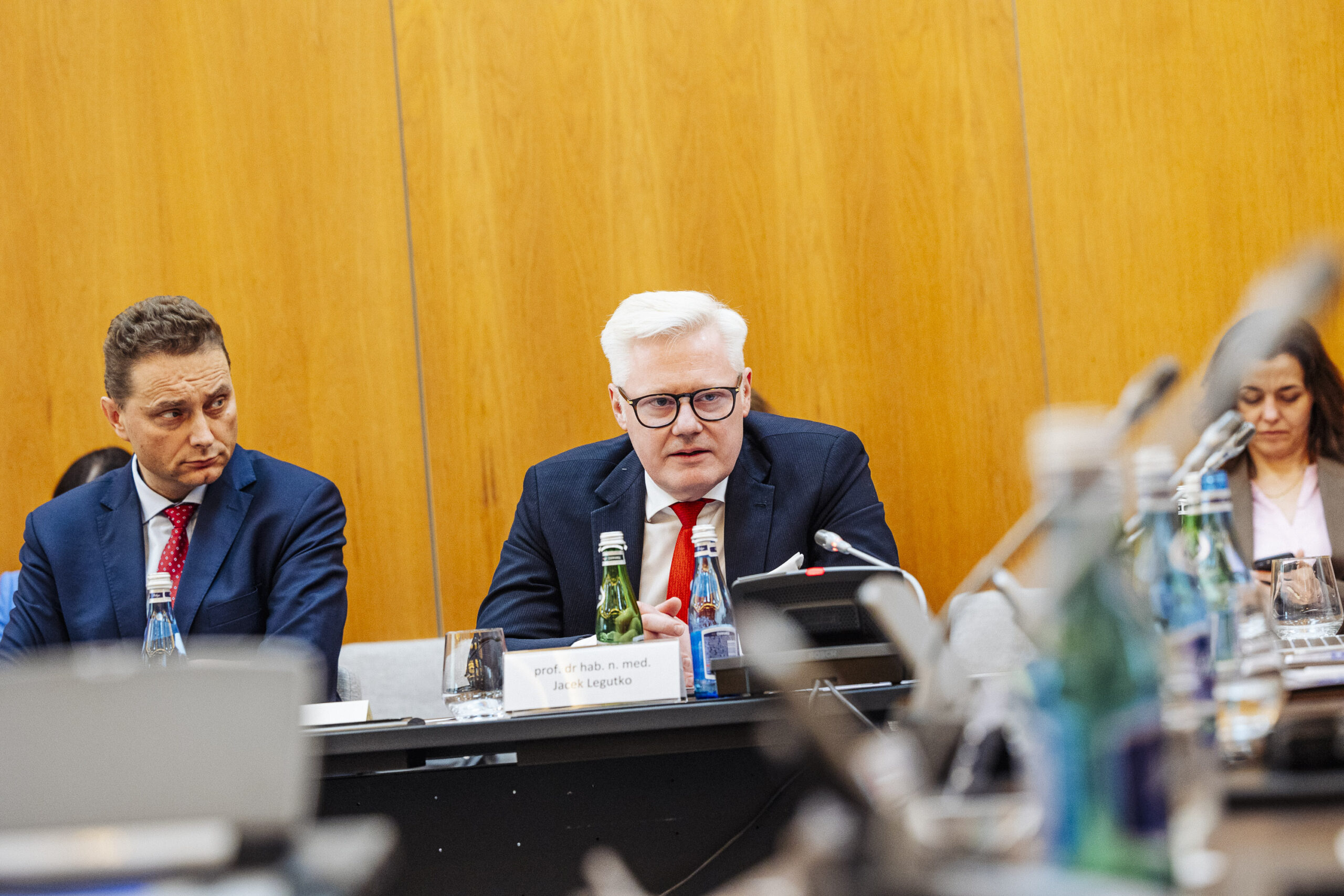
Prof. Jacek Legutko highlighted the need to target resources where they are most effective. He emphasized that without rehabilitation, KOS-Zawał loses its impact. Cardiac rehabilitation should be an integral part of treatment after any cardiovascular incident.