Projects
backHealthcare Policy Summit on new therapies in the field of neurology and psychiatry
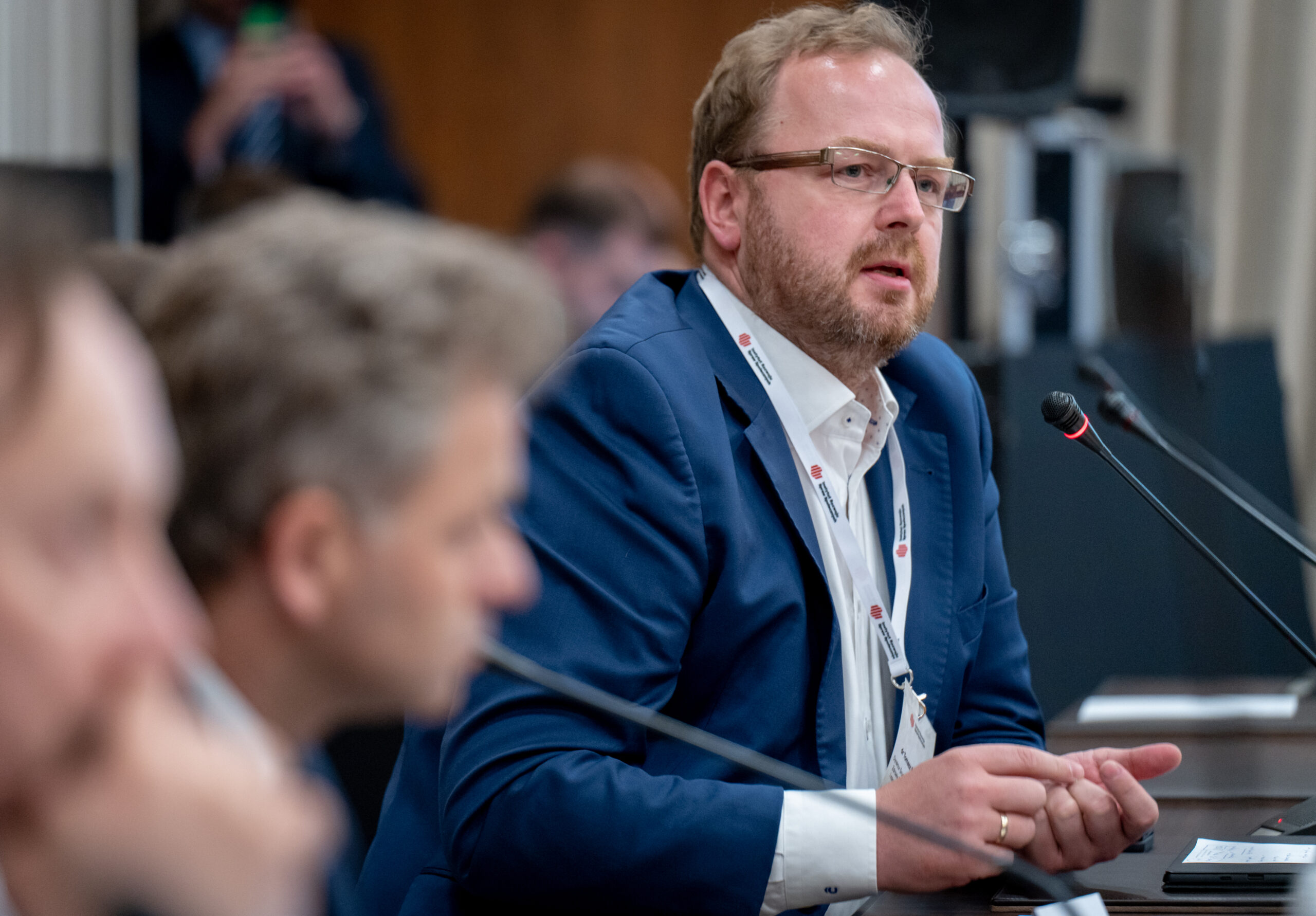
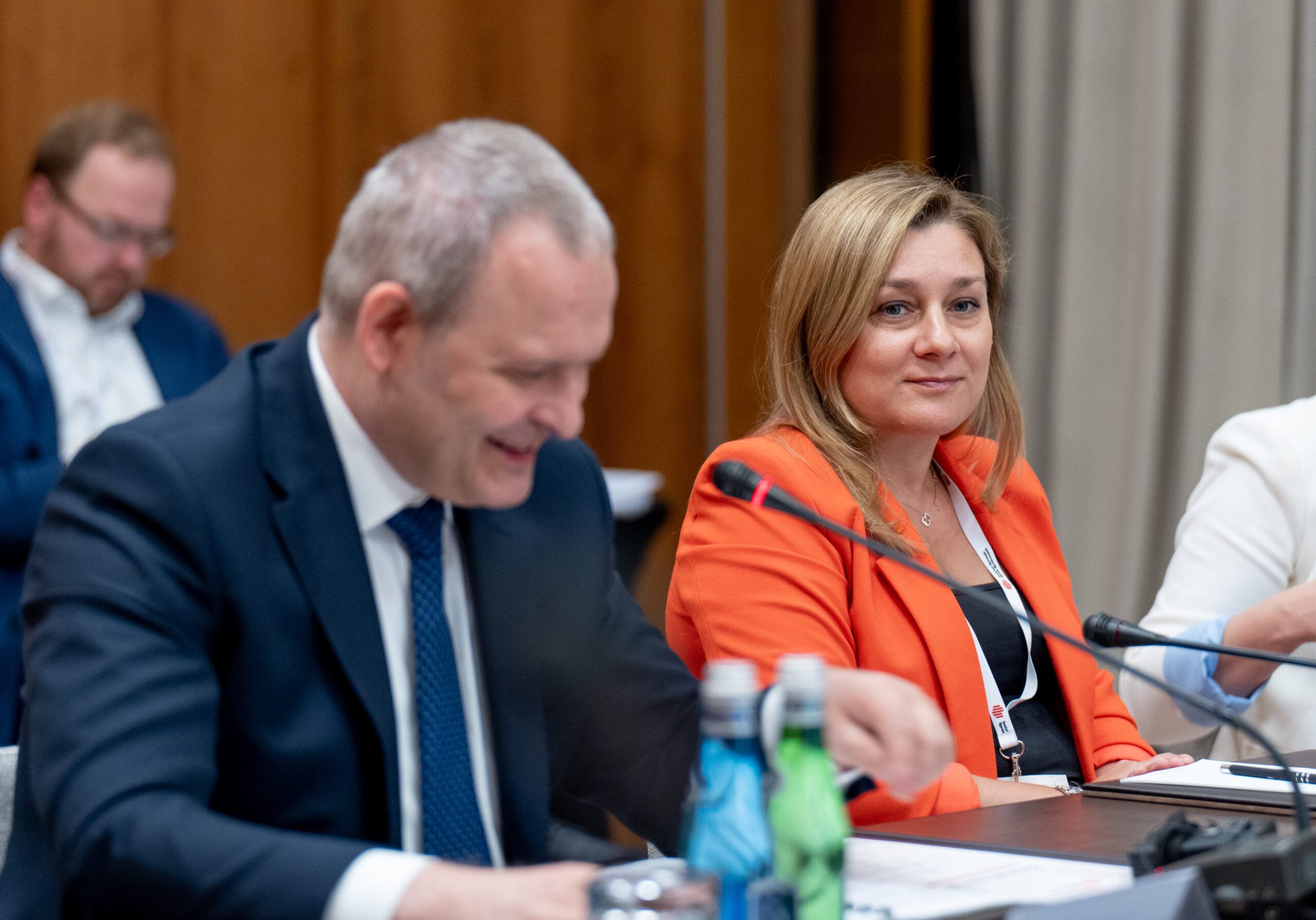
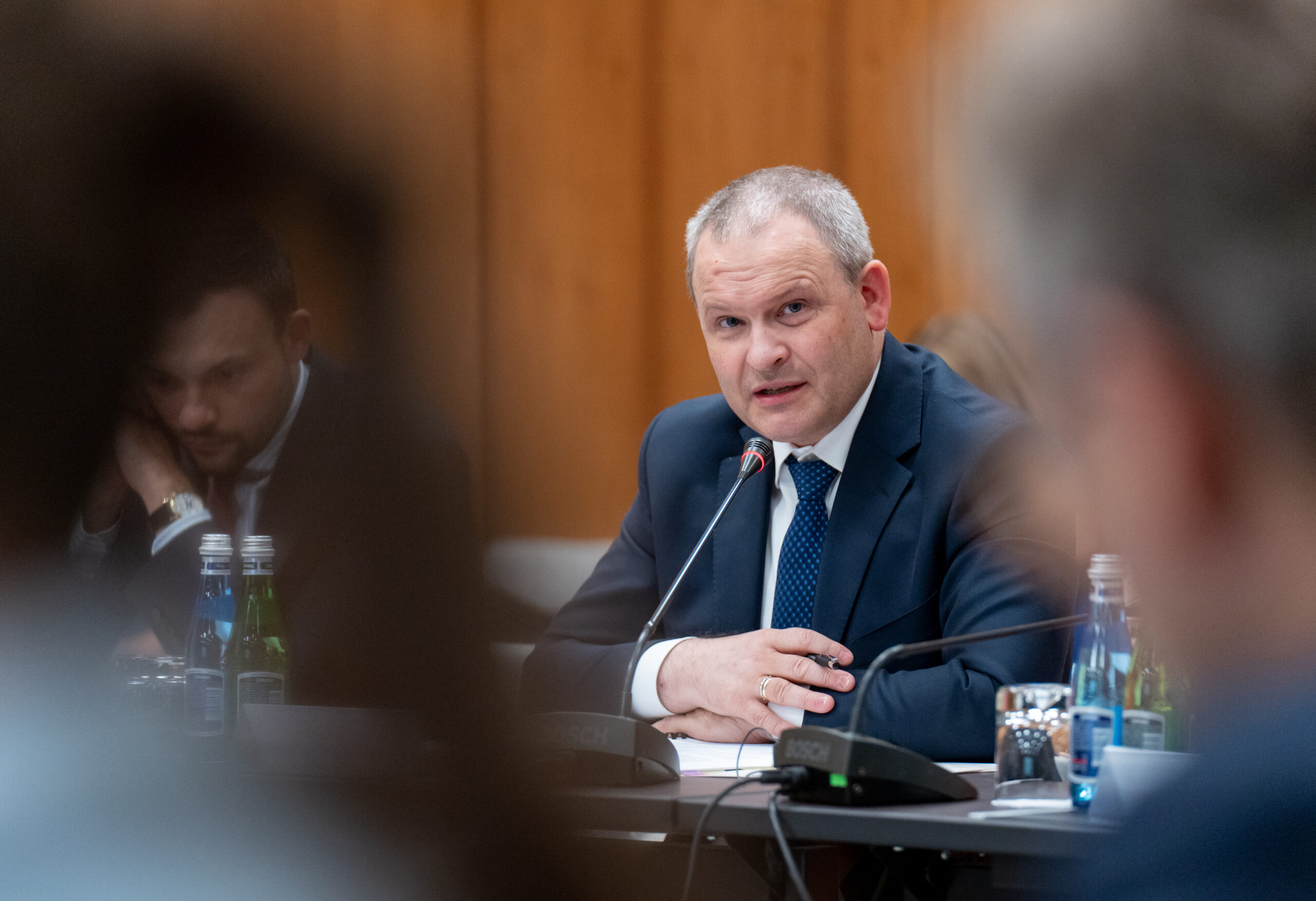
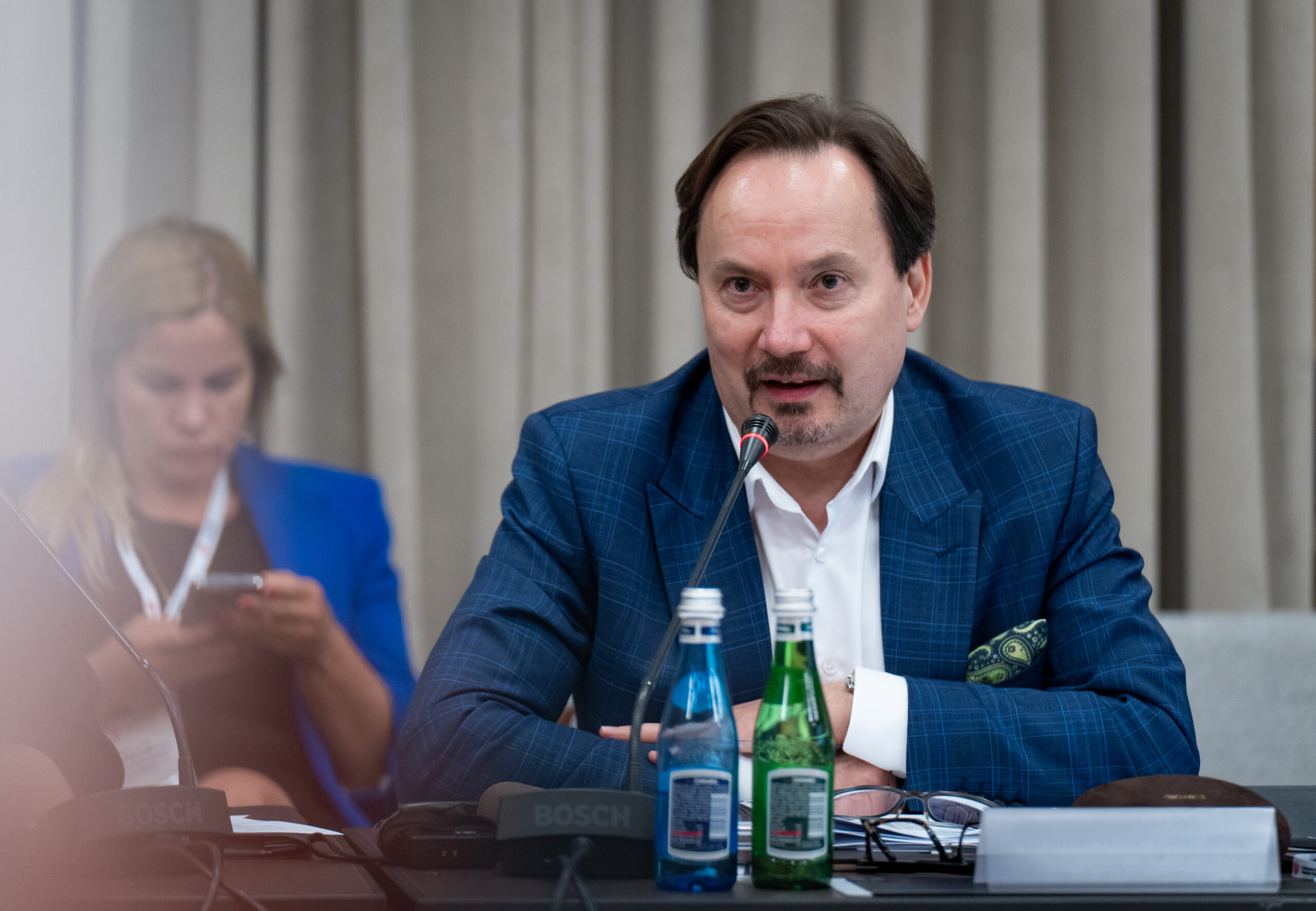
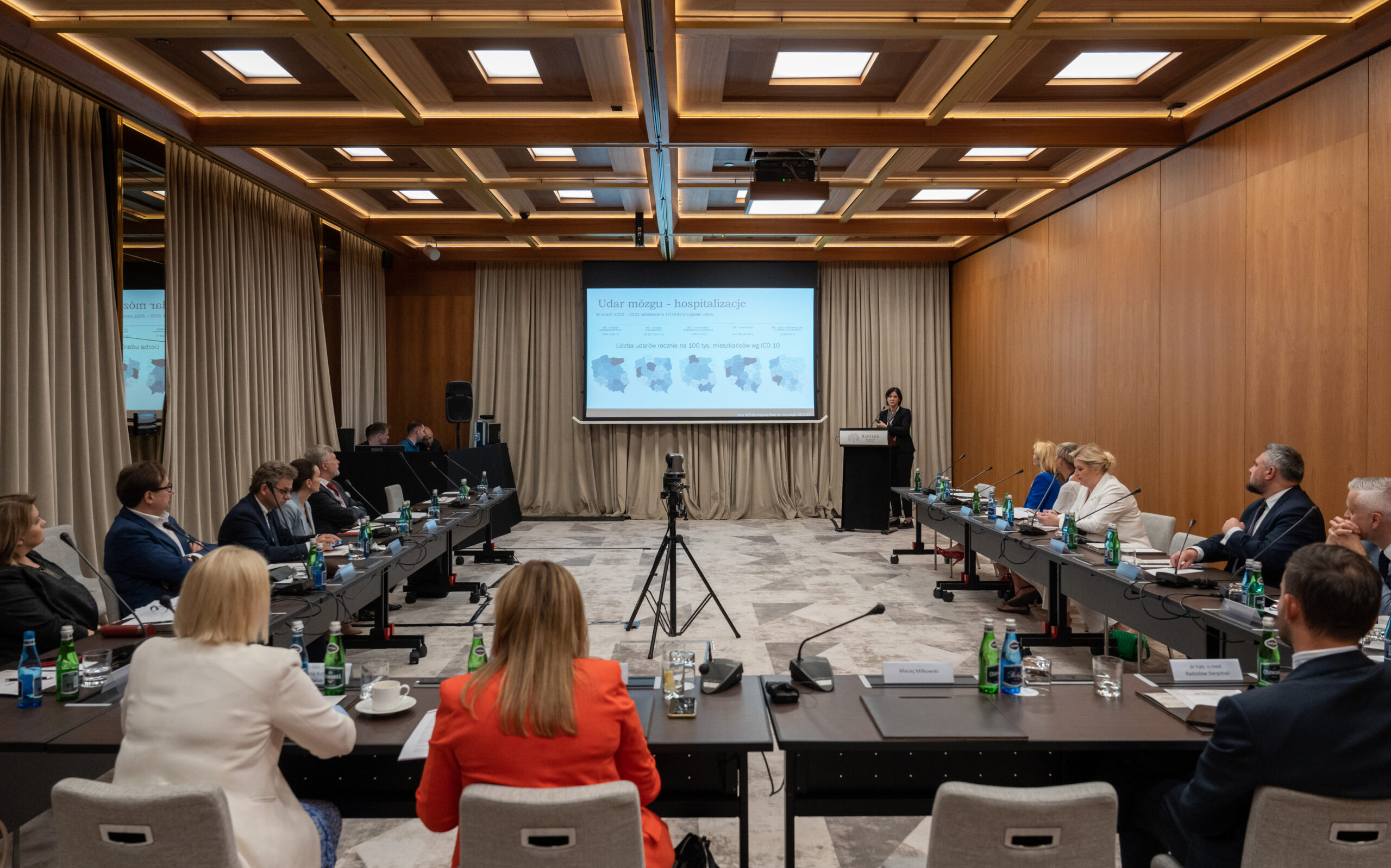
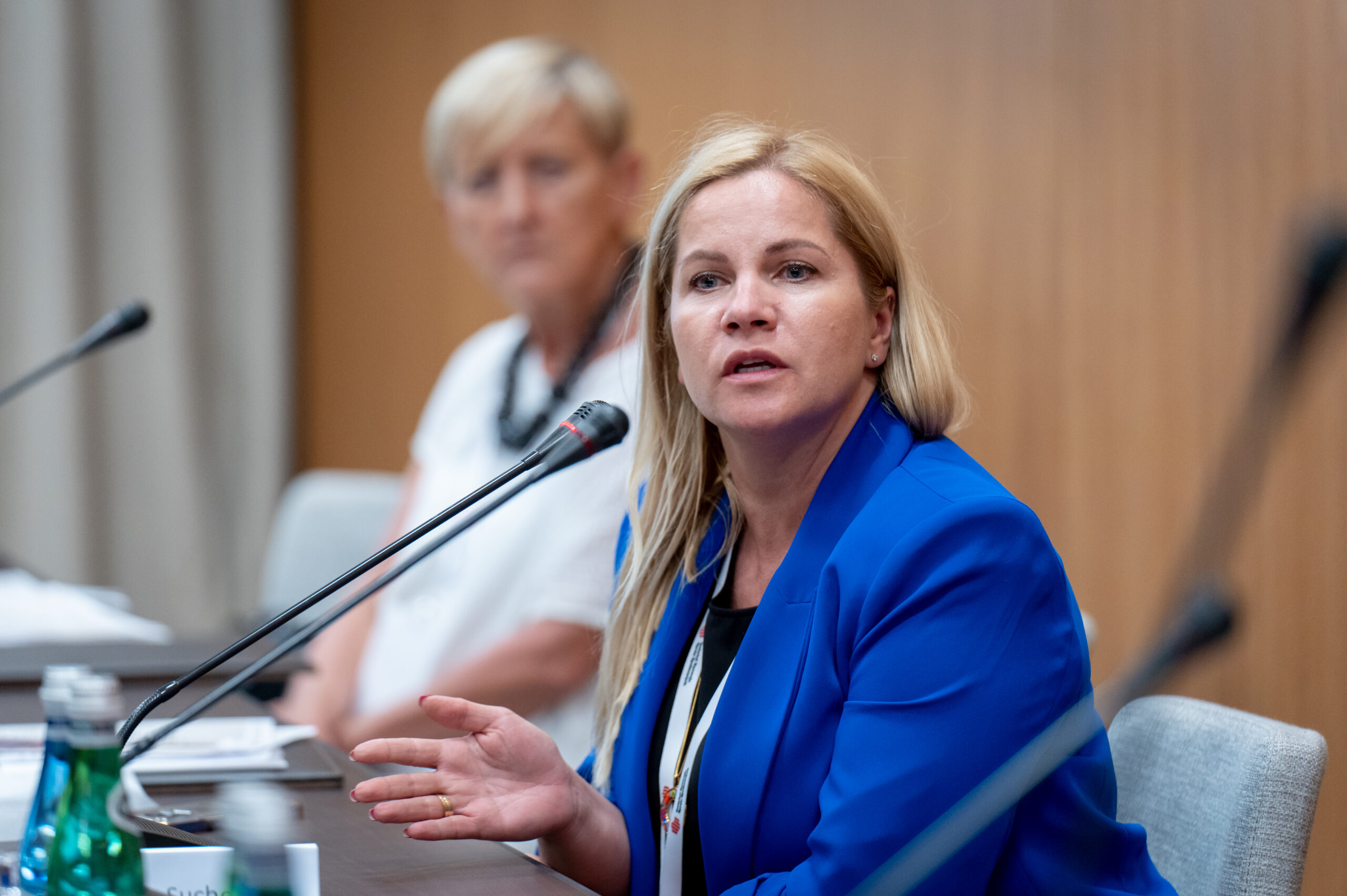
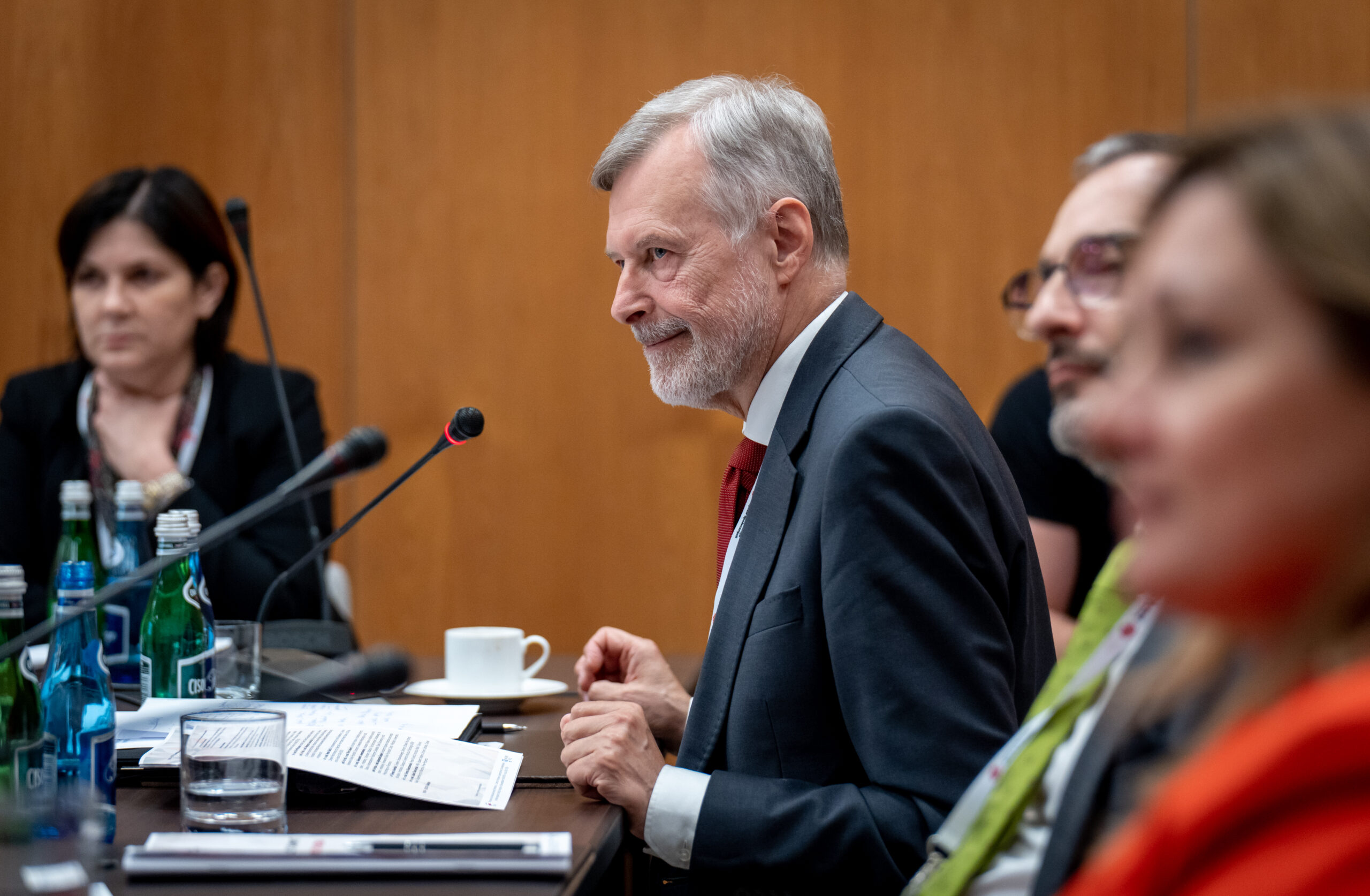
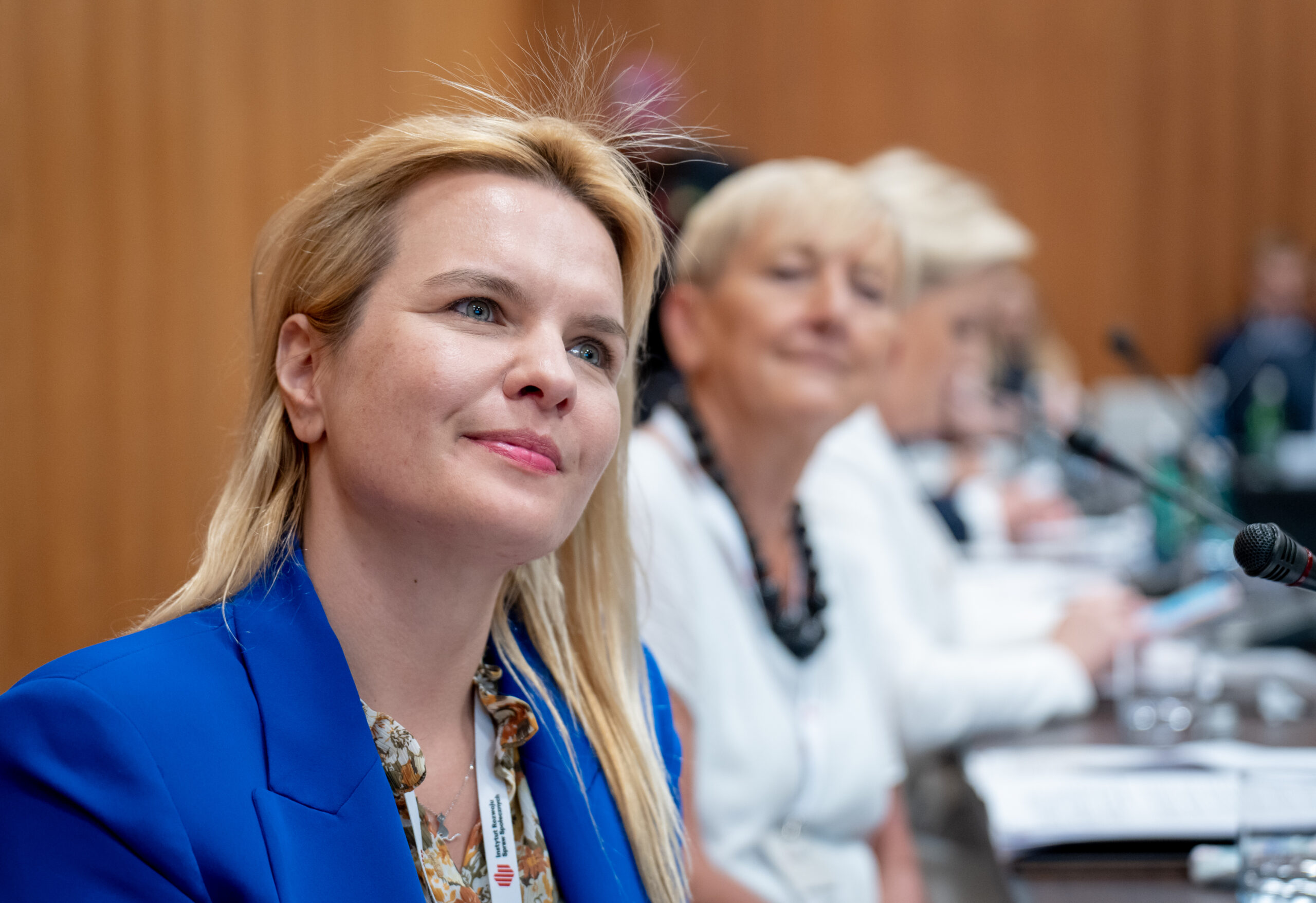
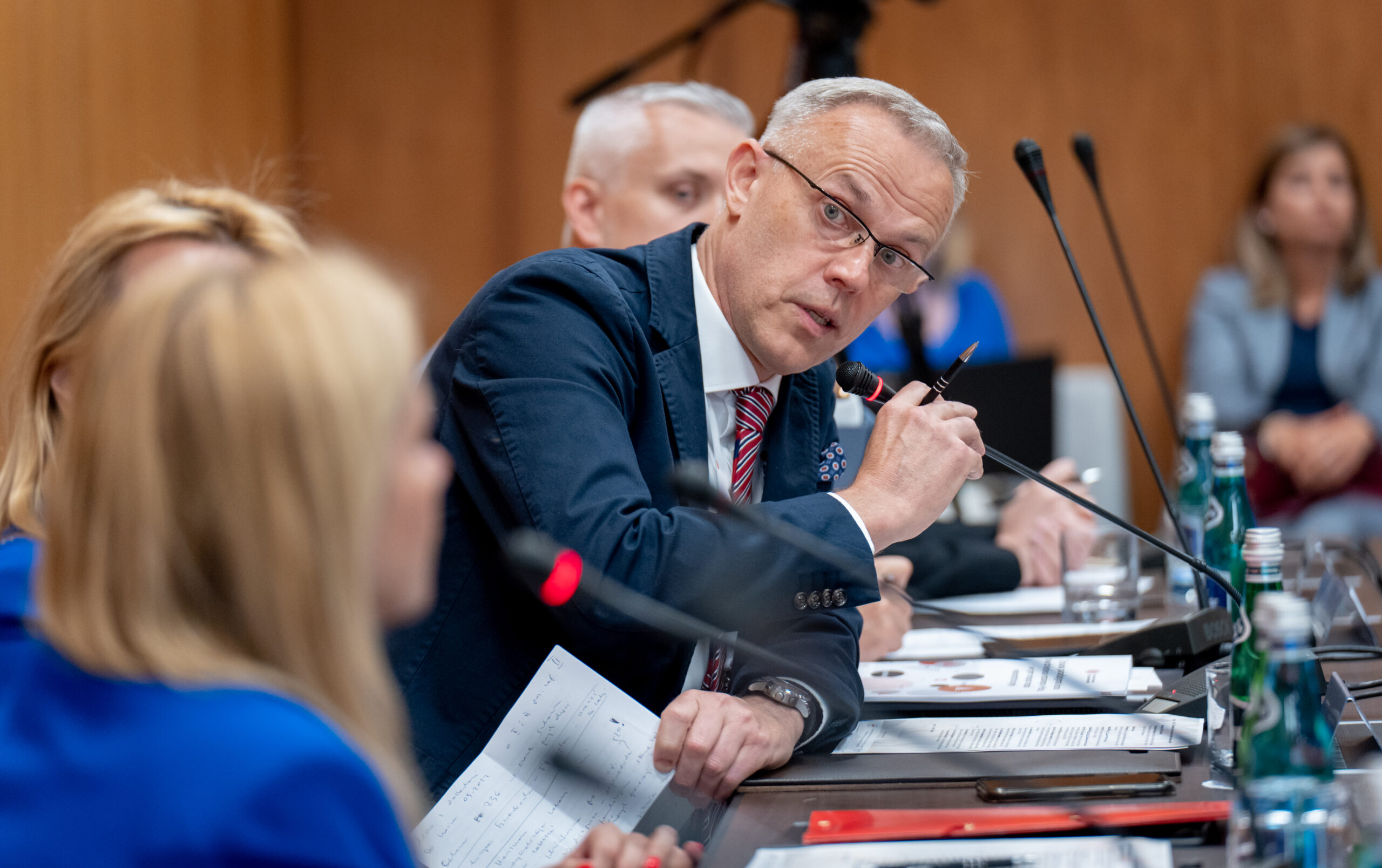
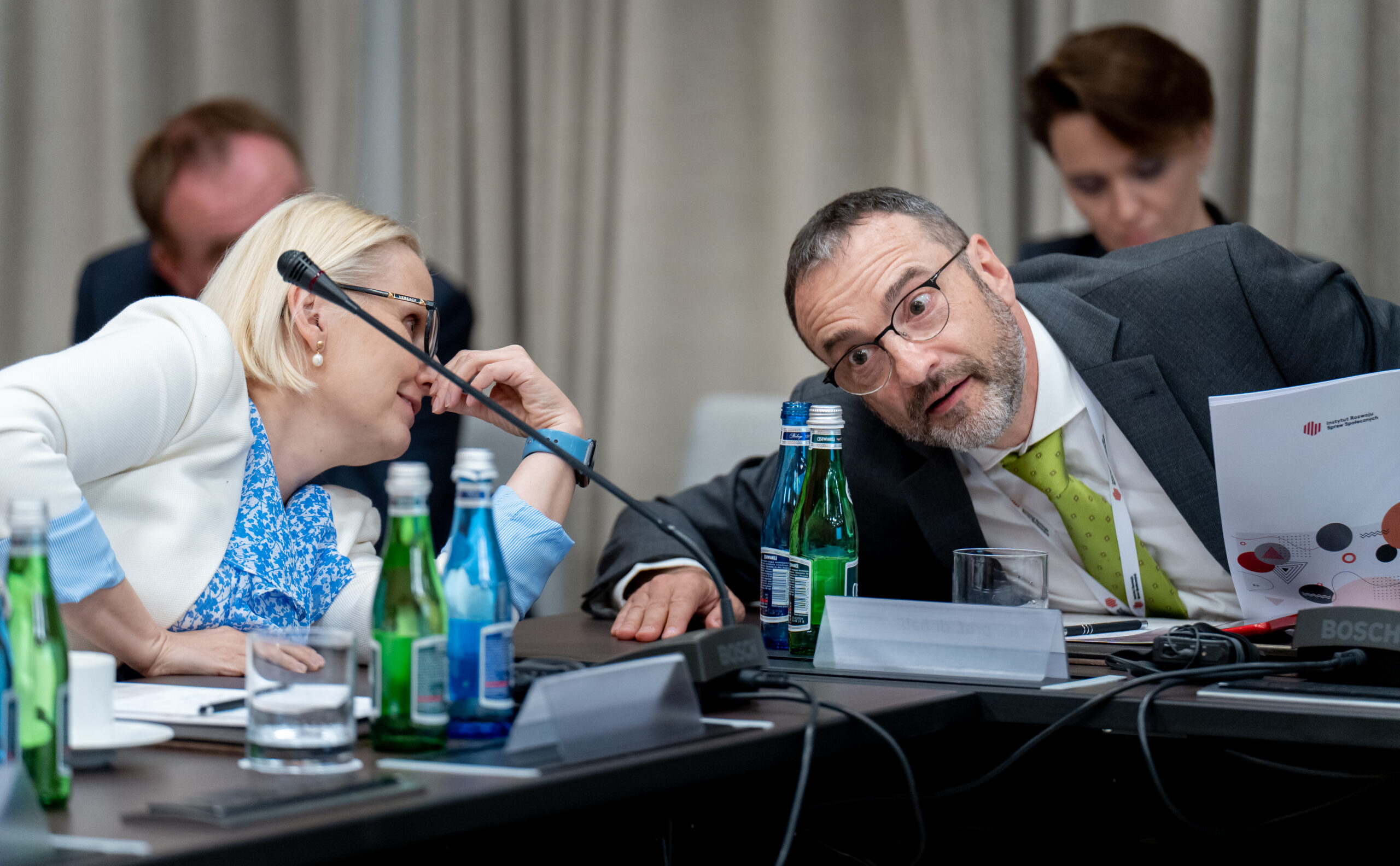
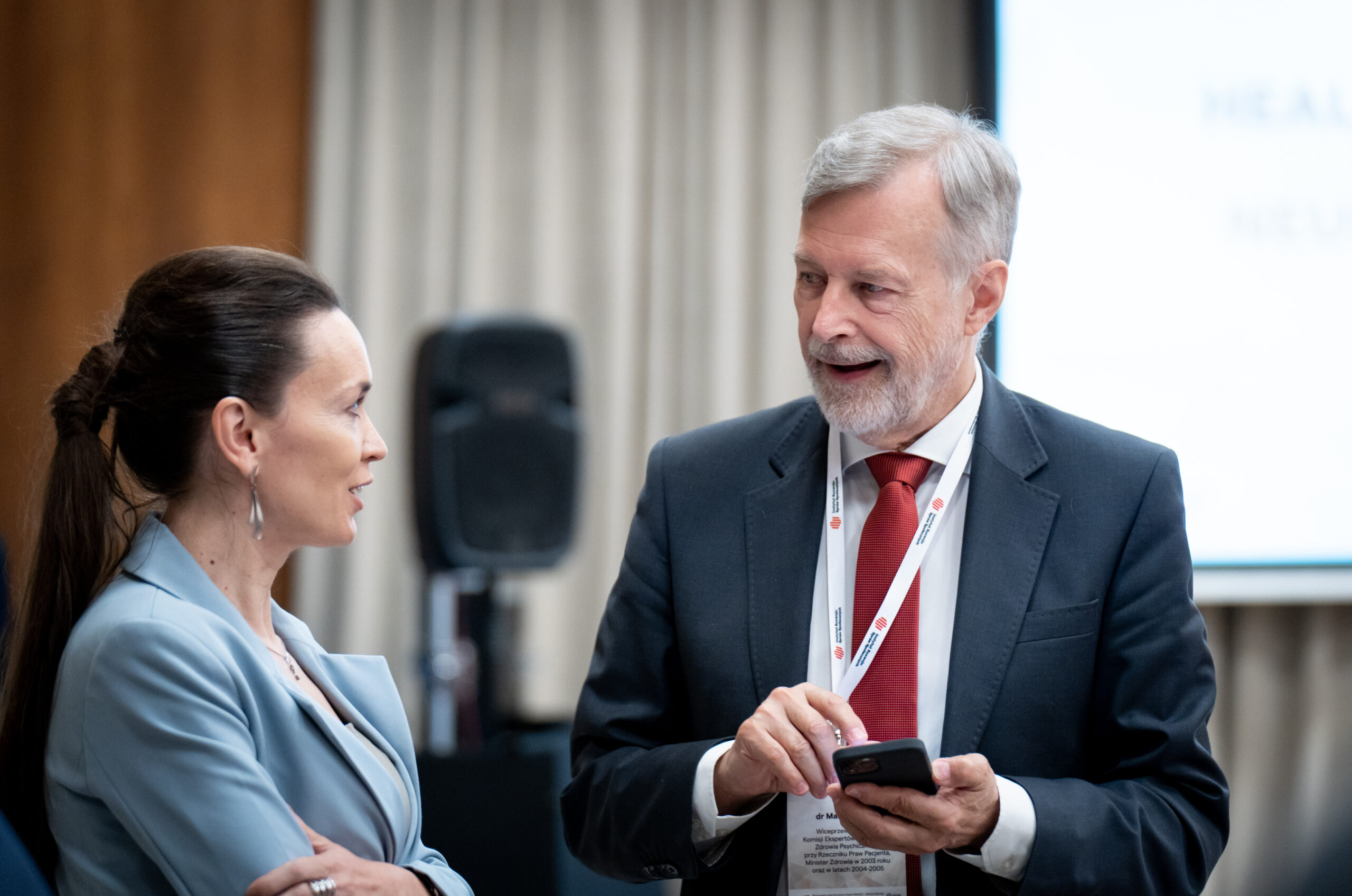
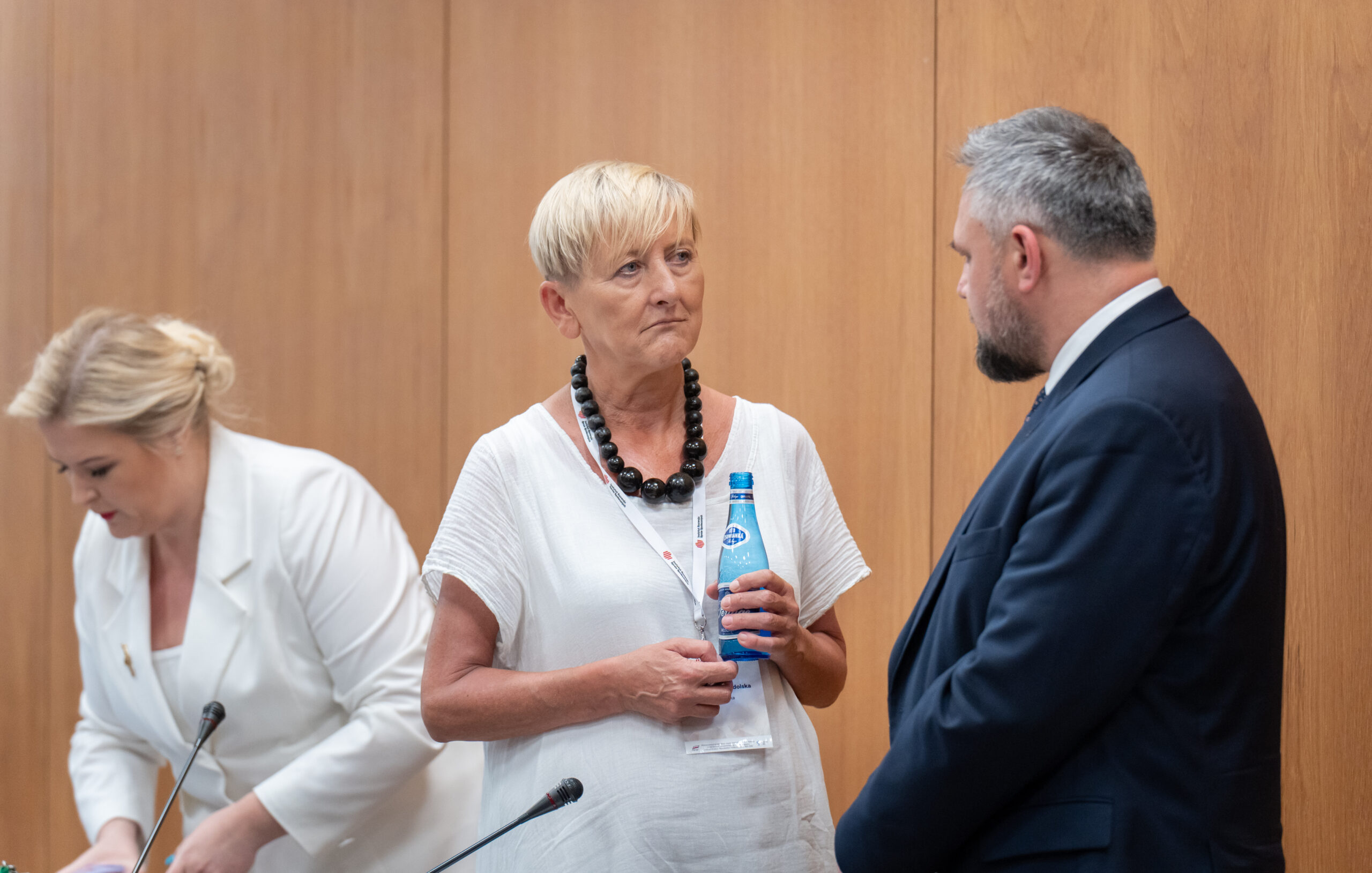
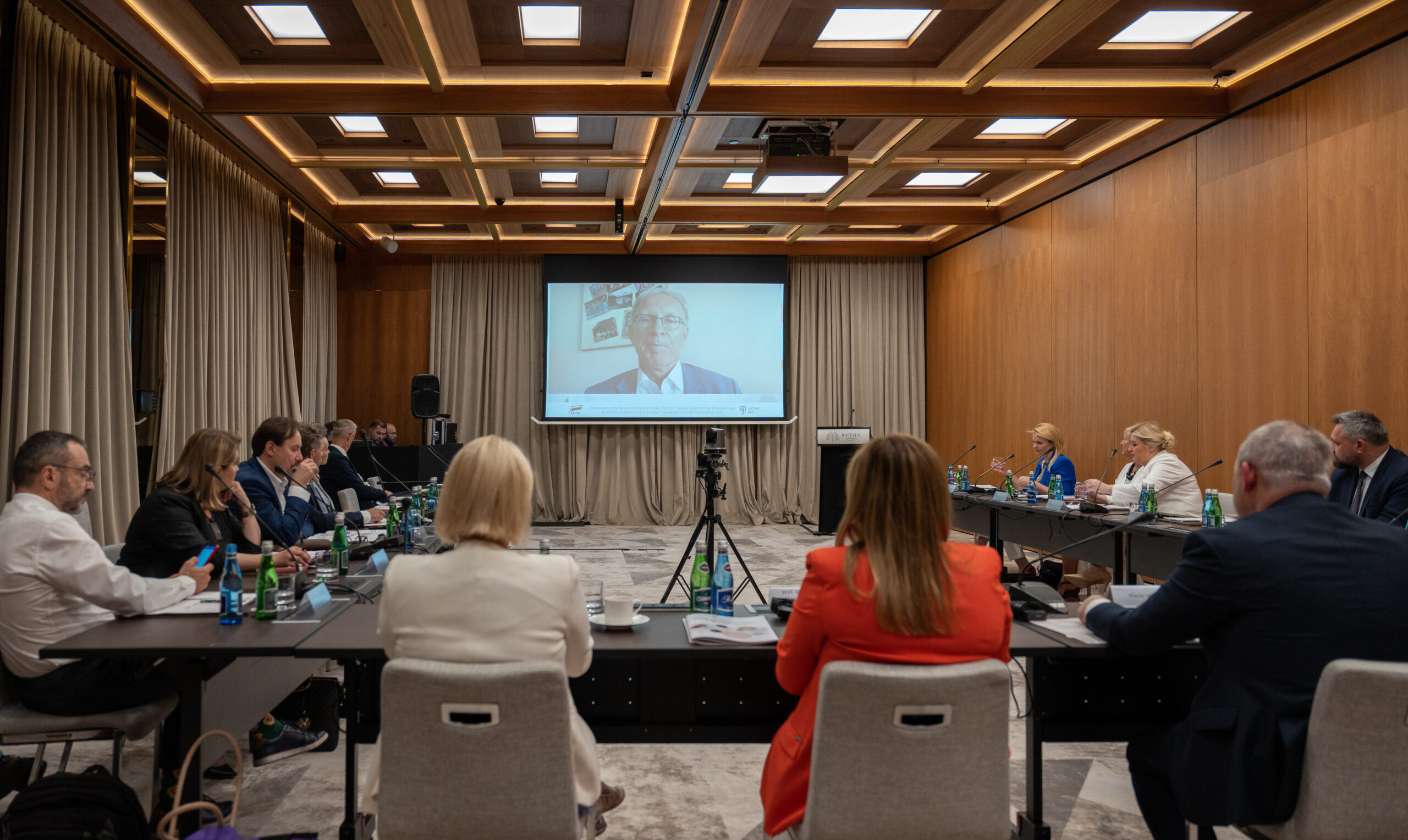
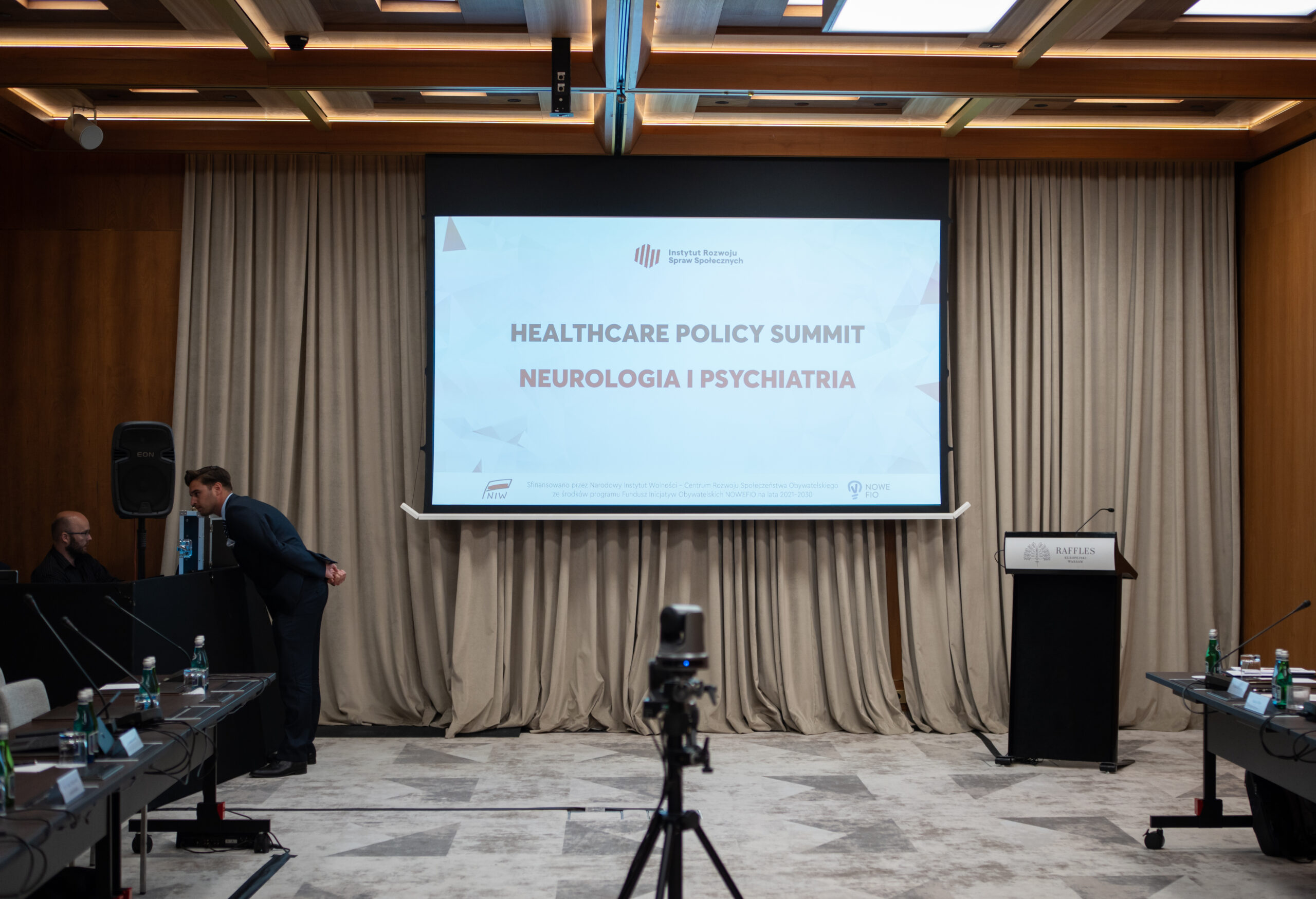
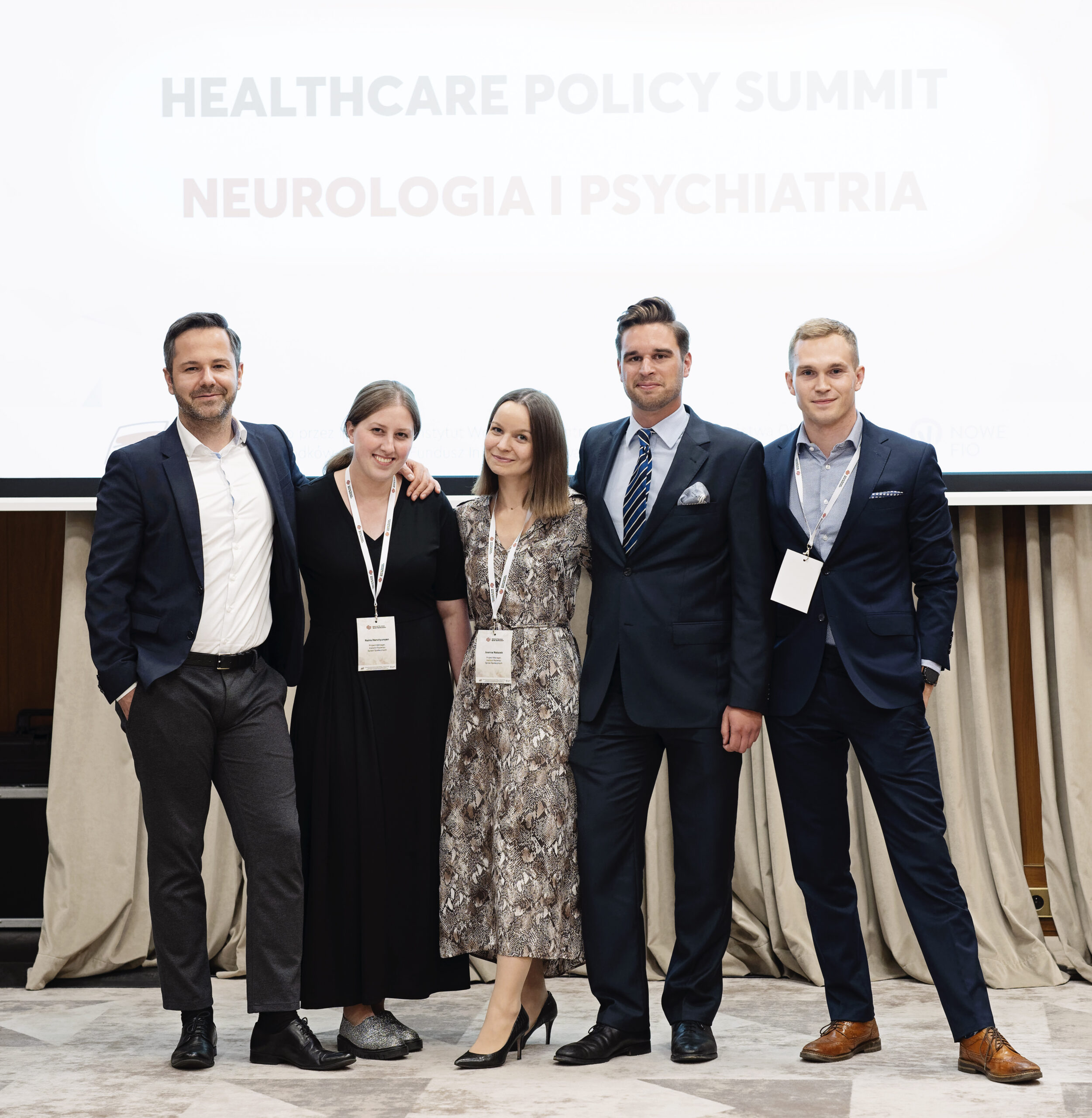
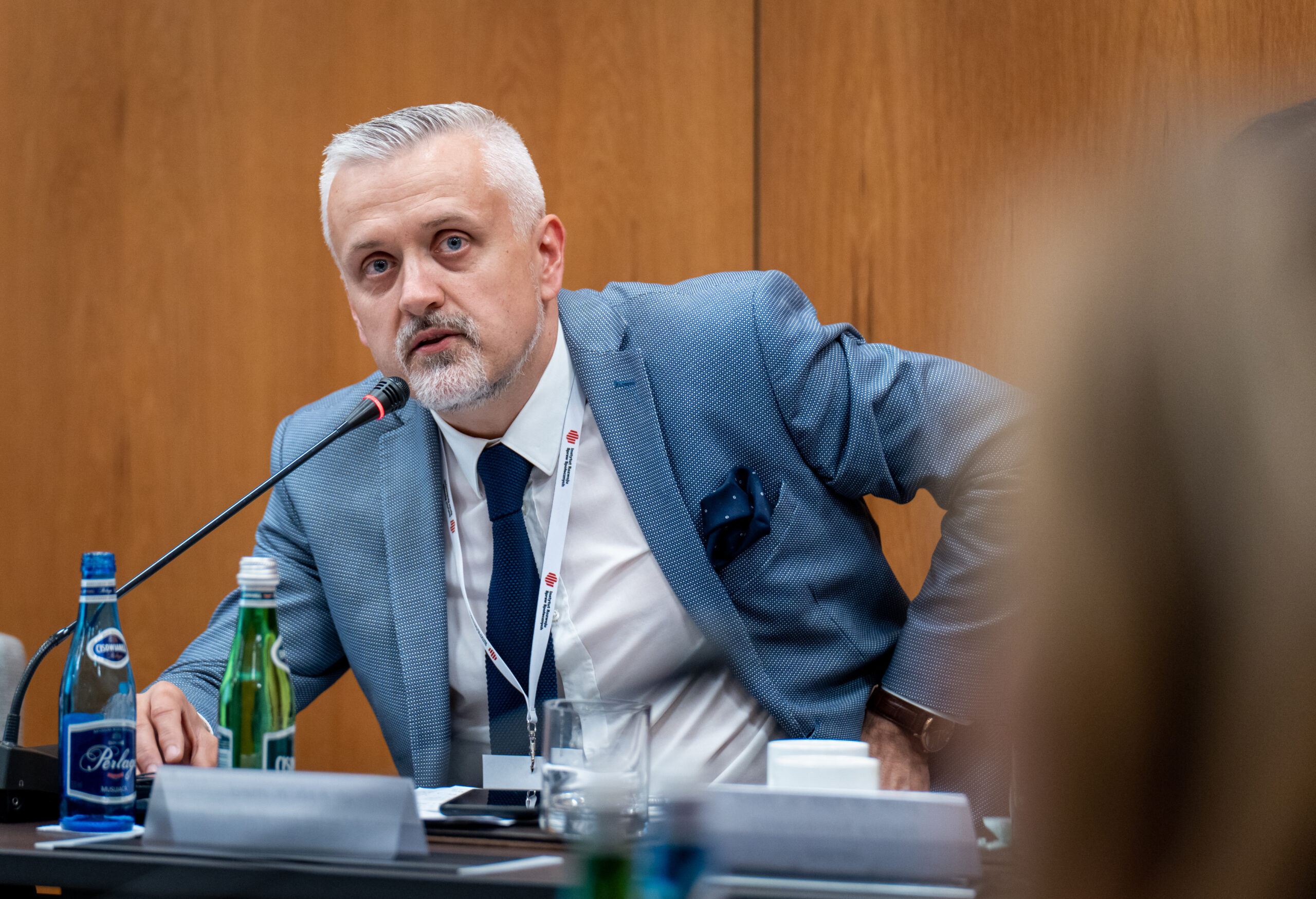
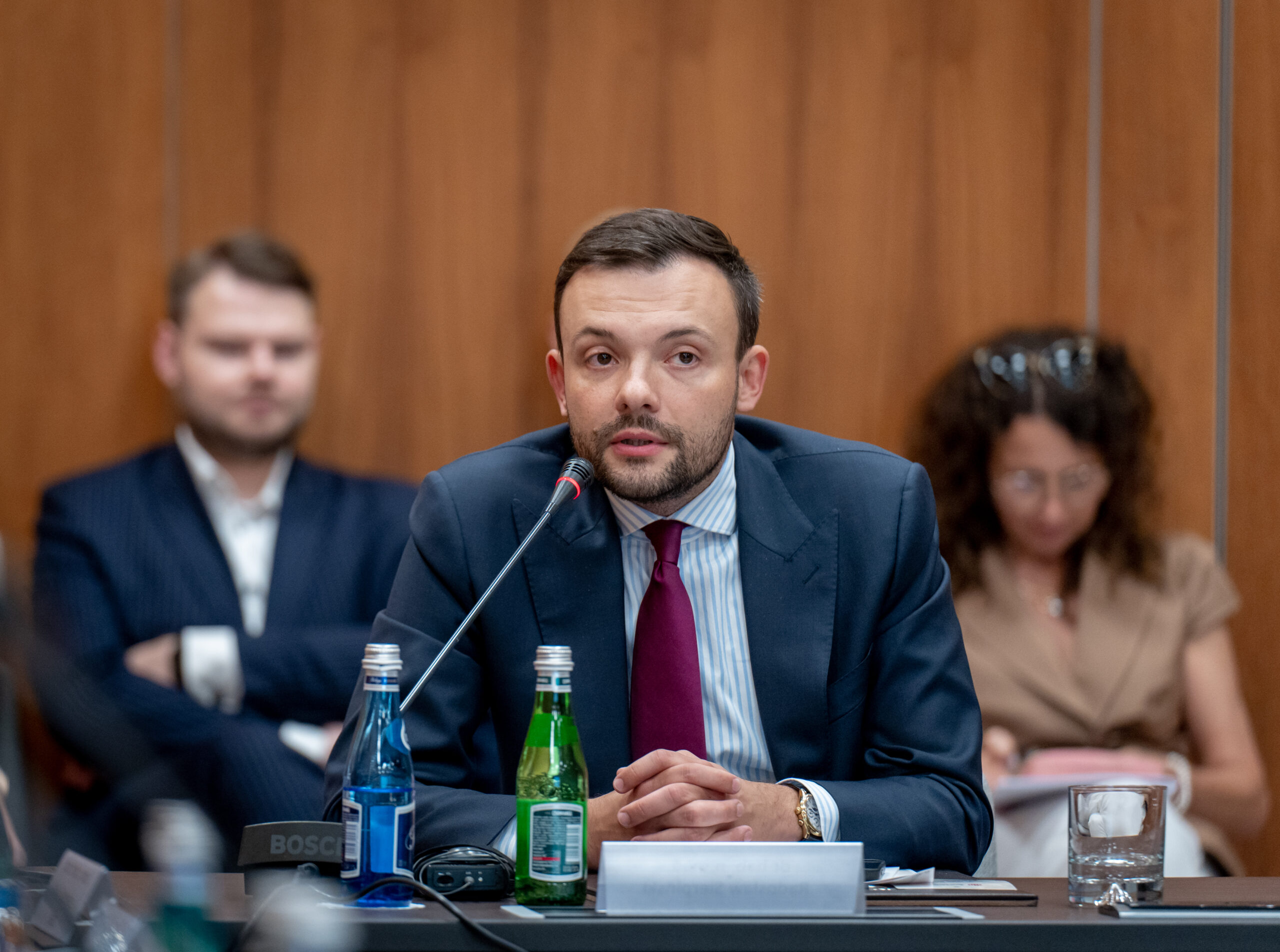
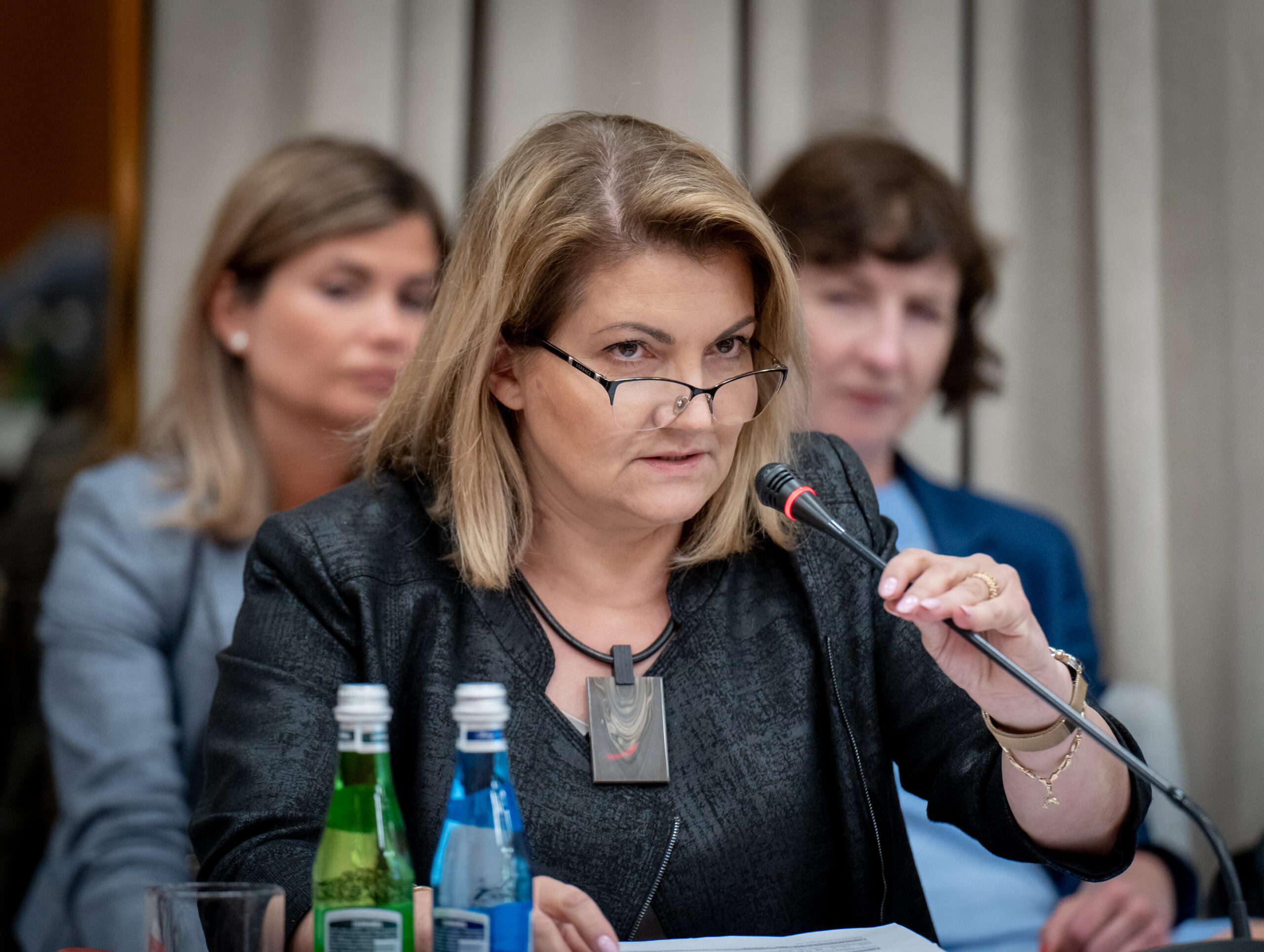
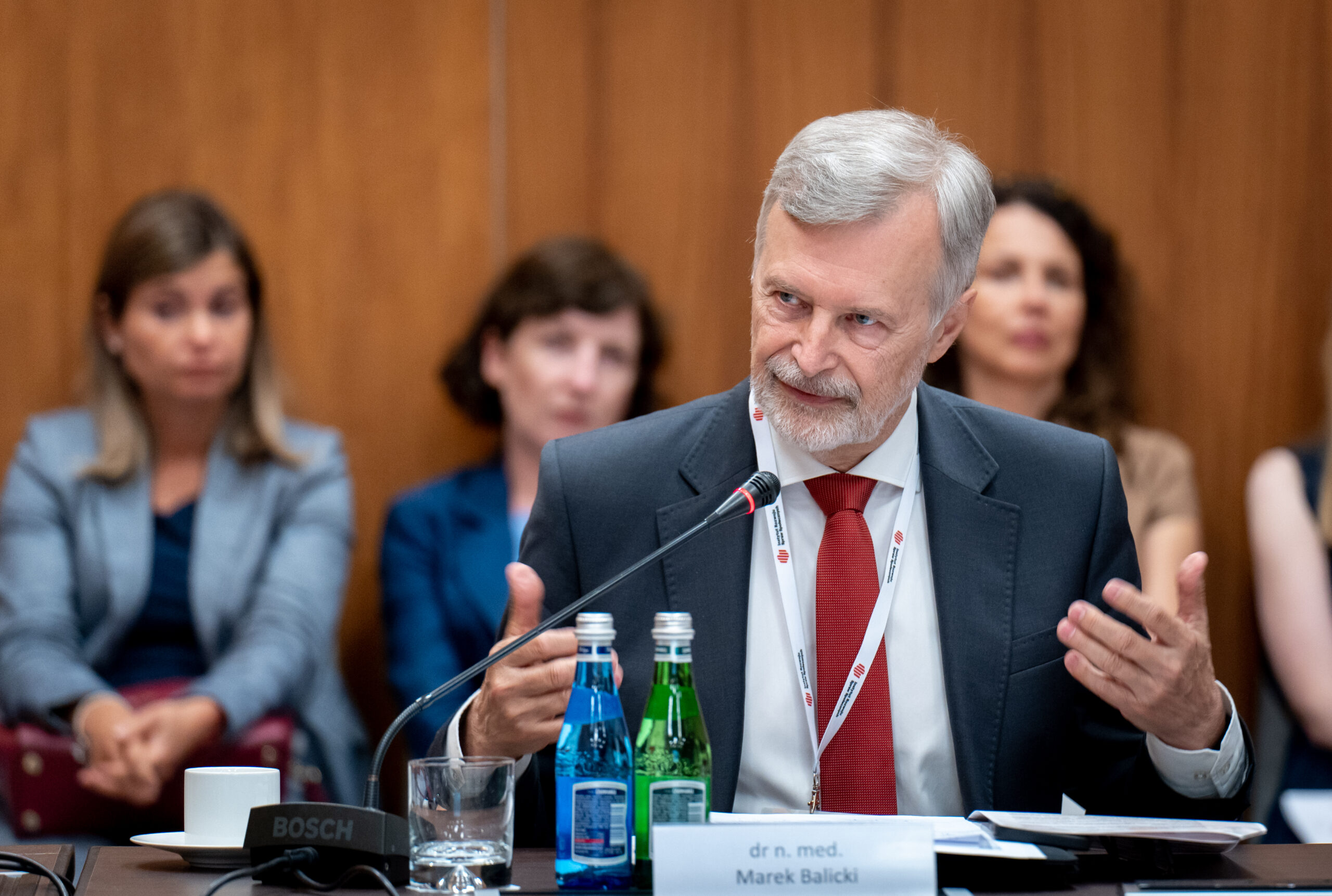
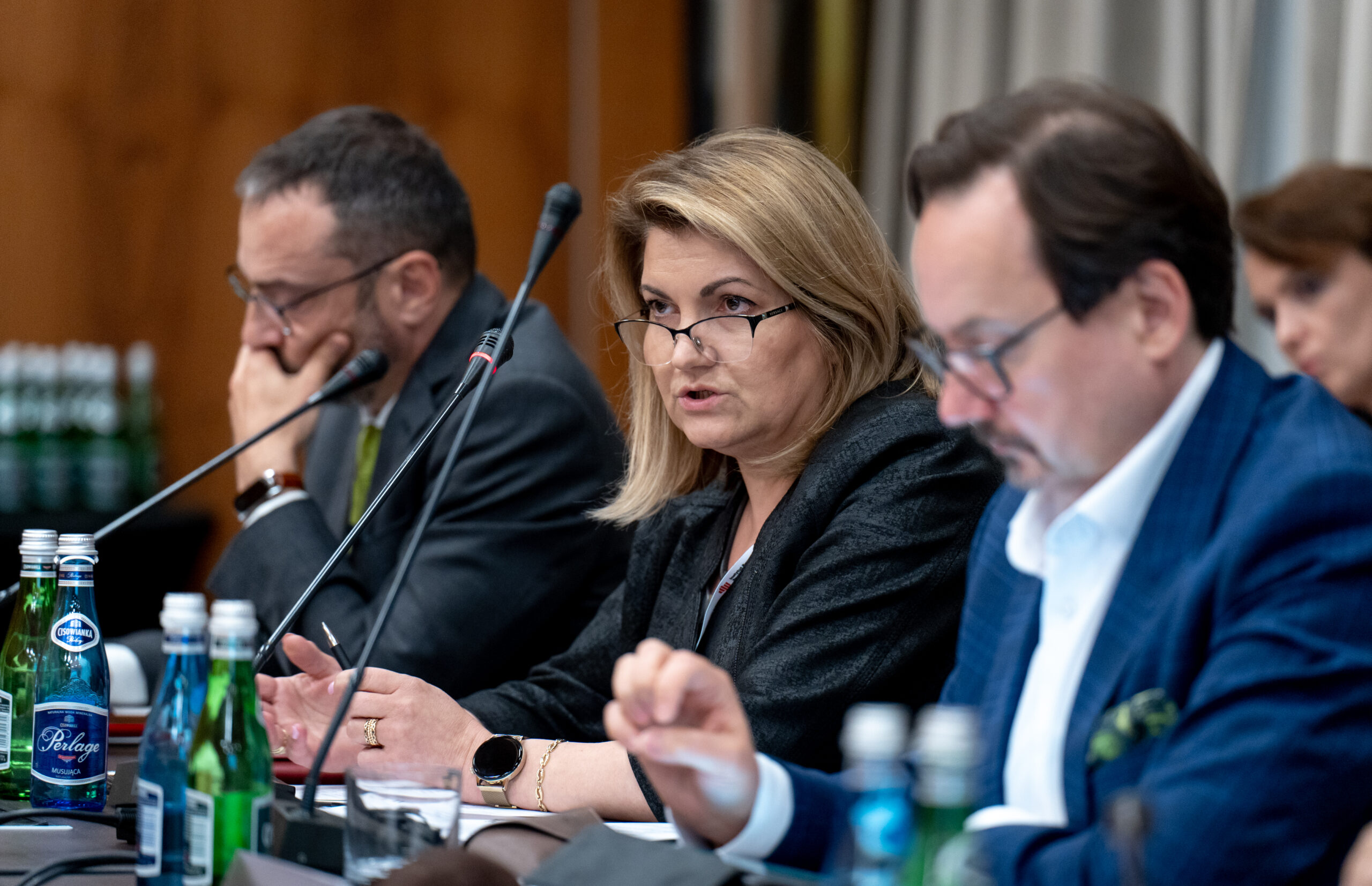
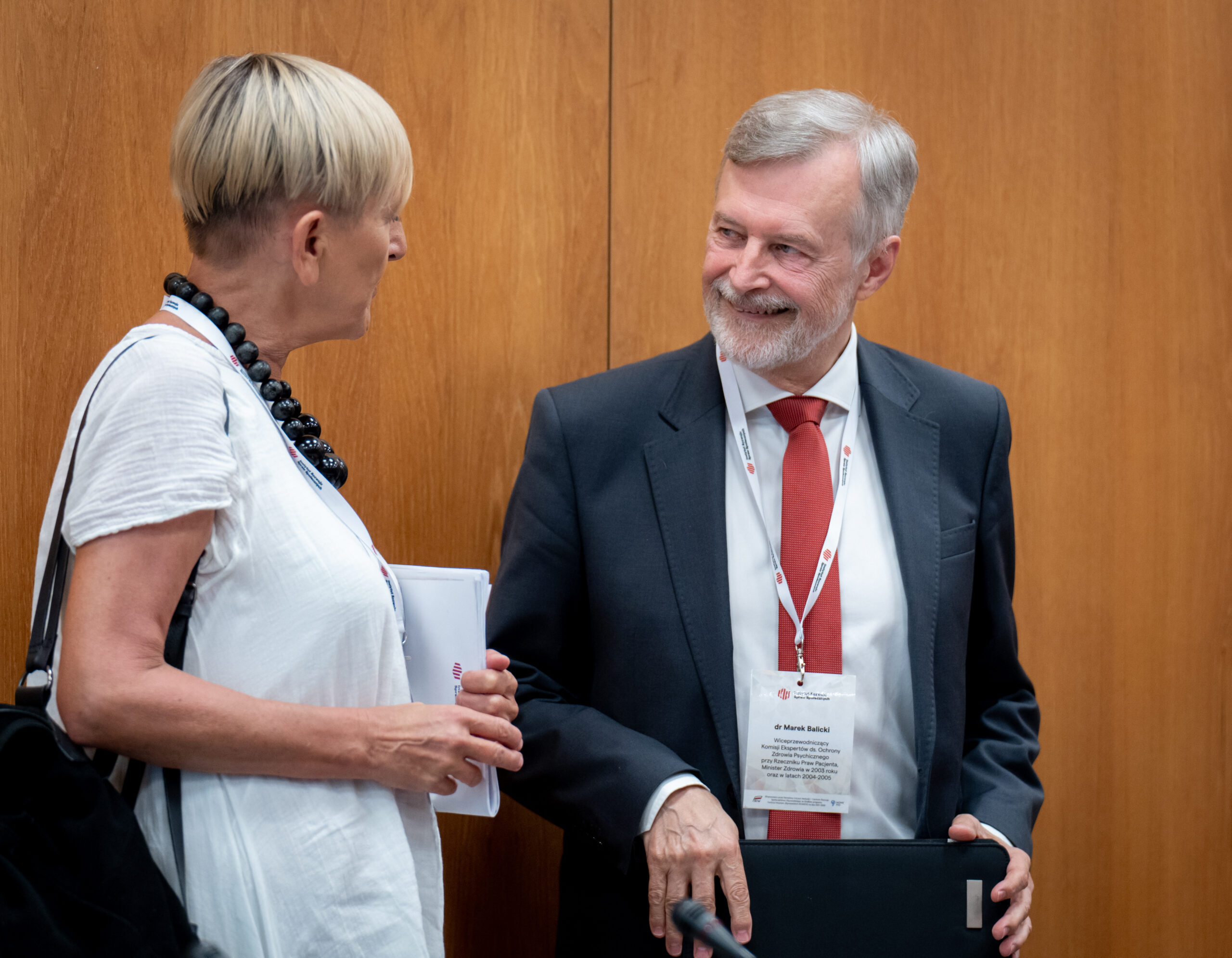
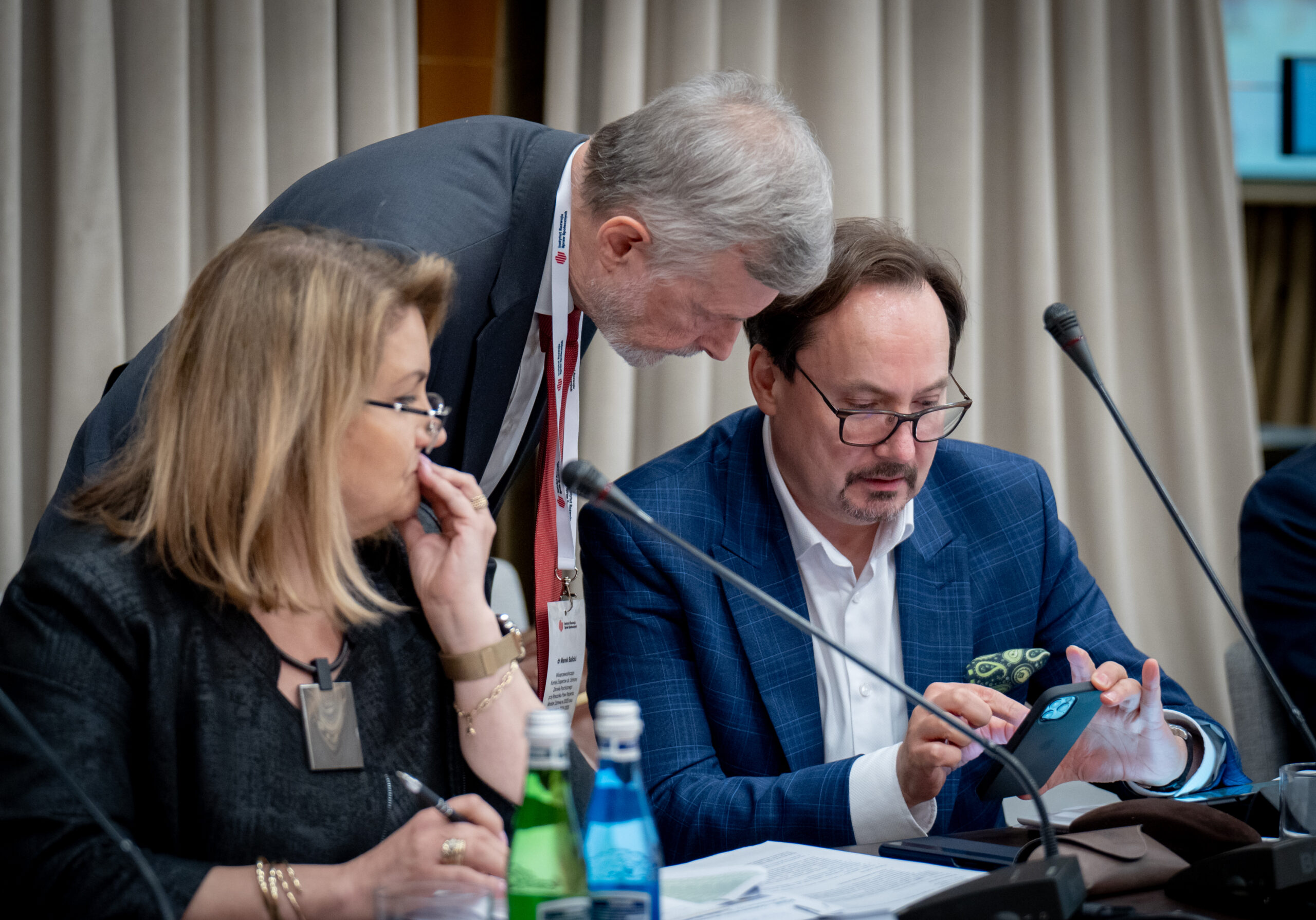
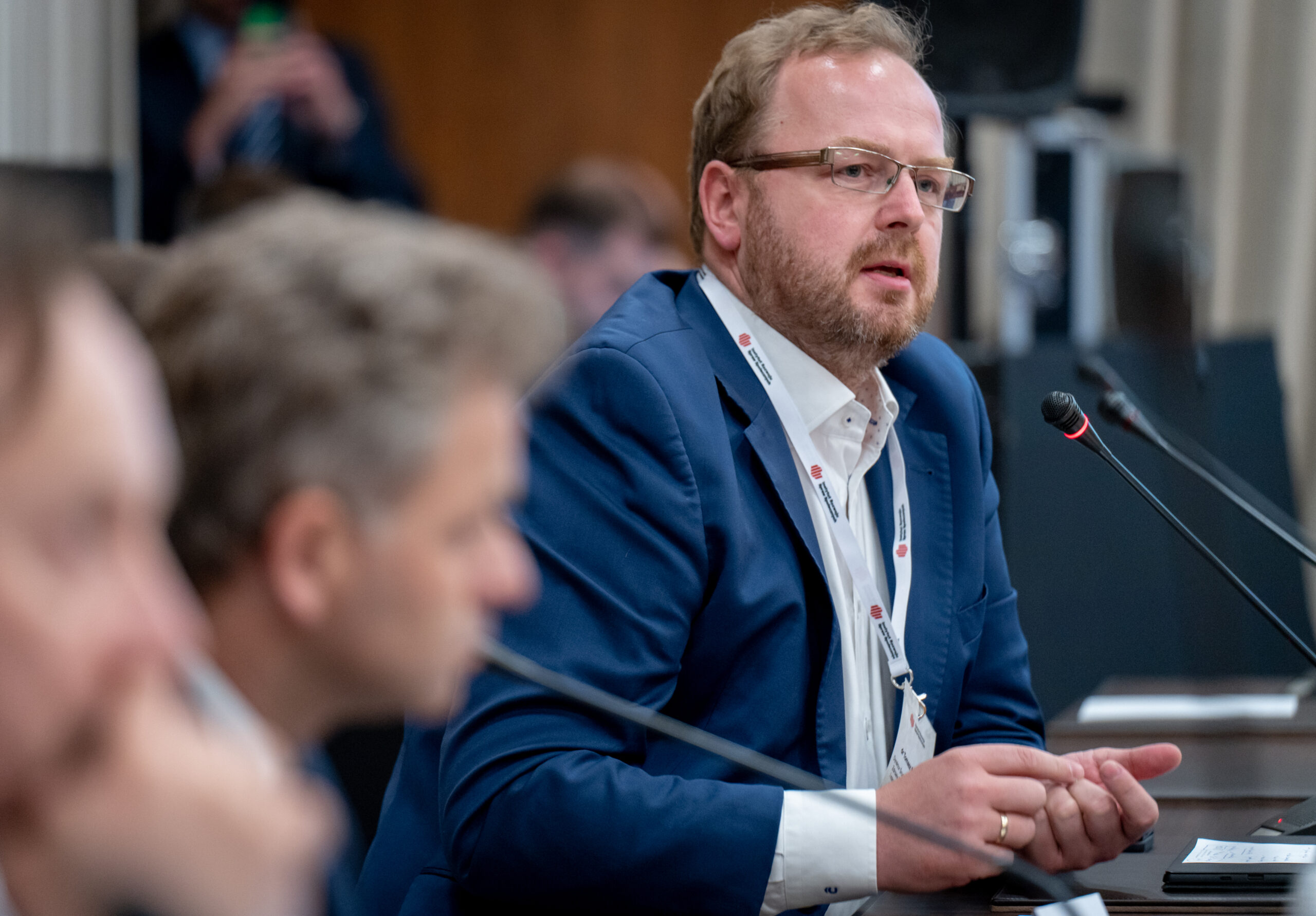
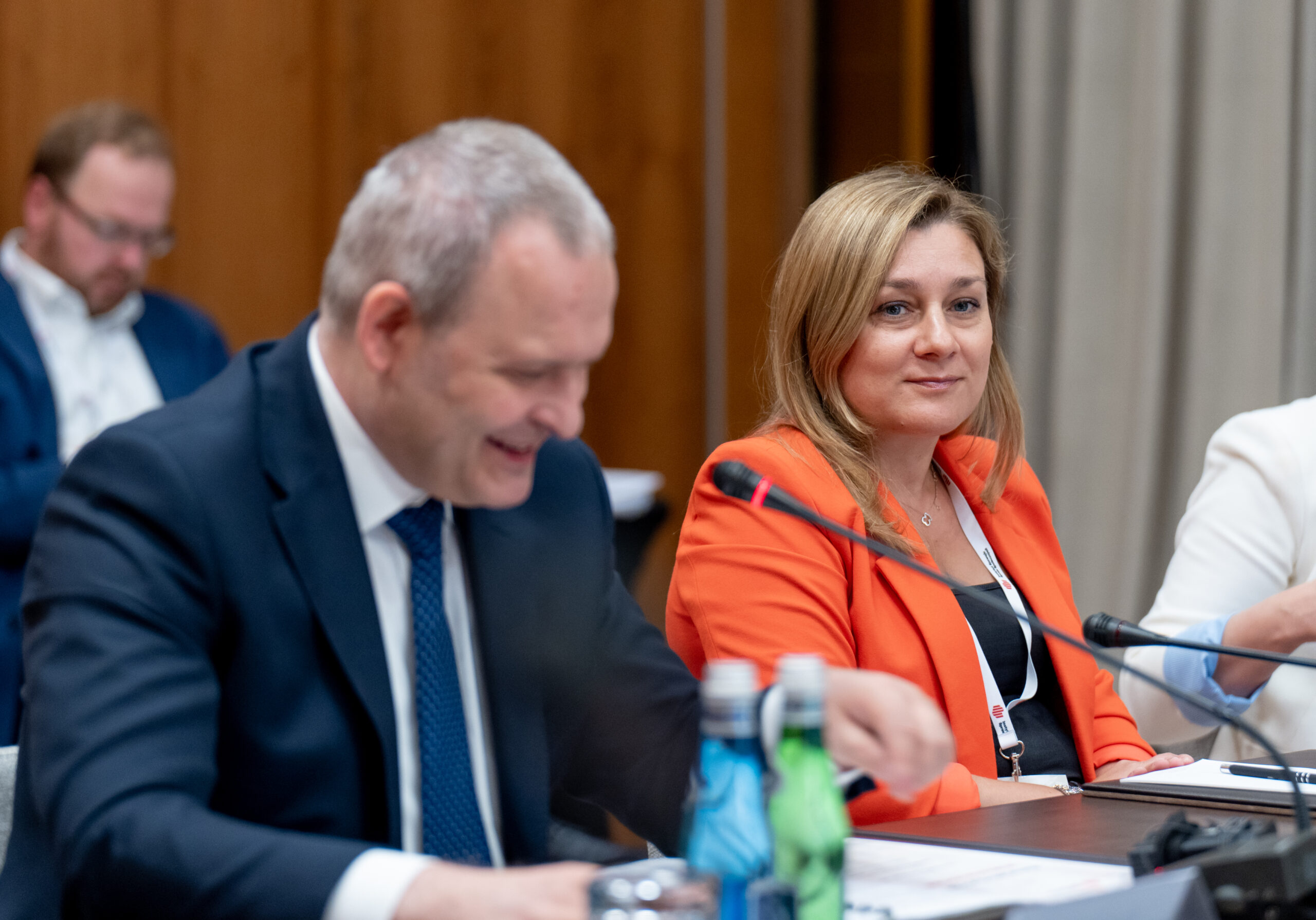
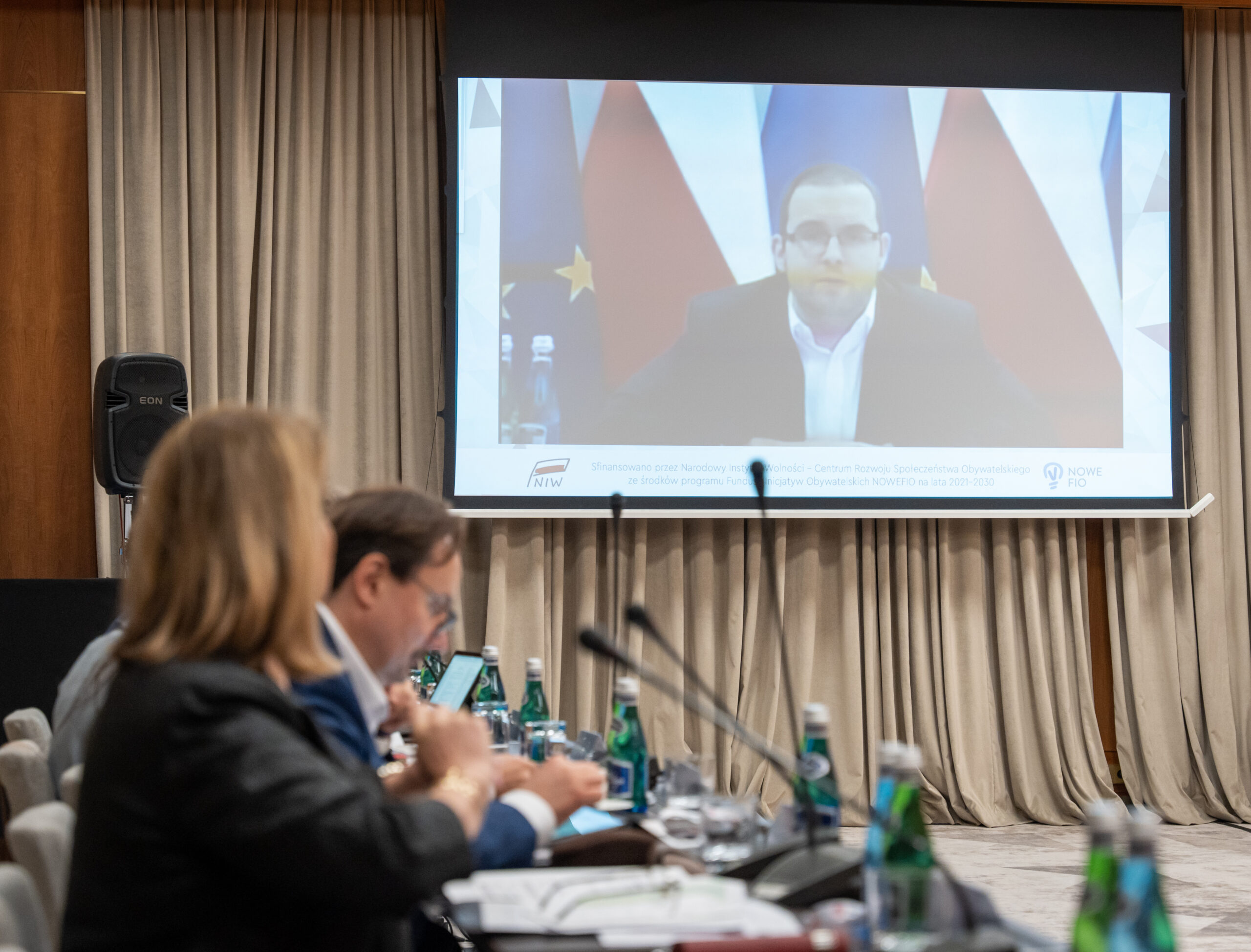
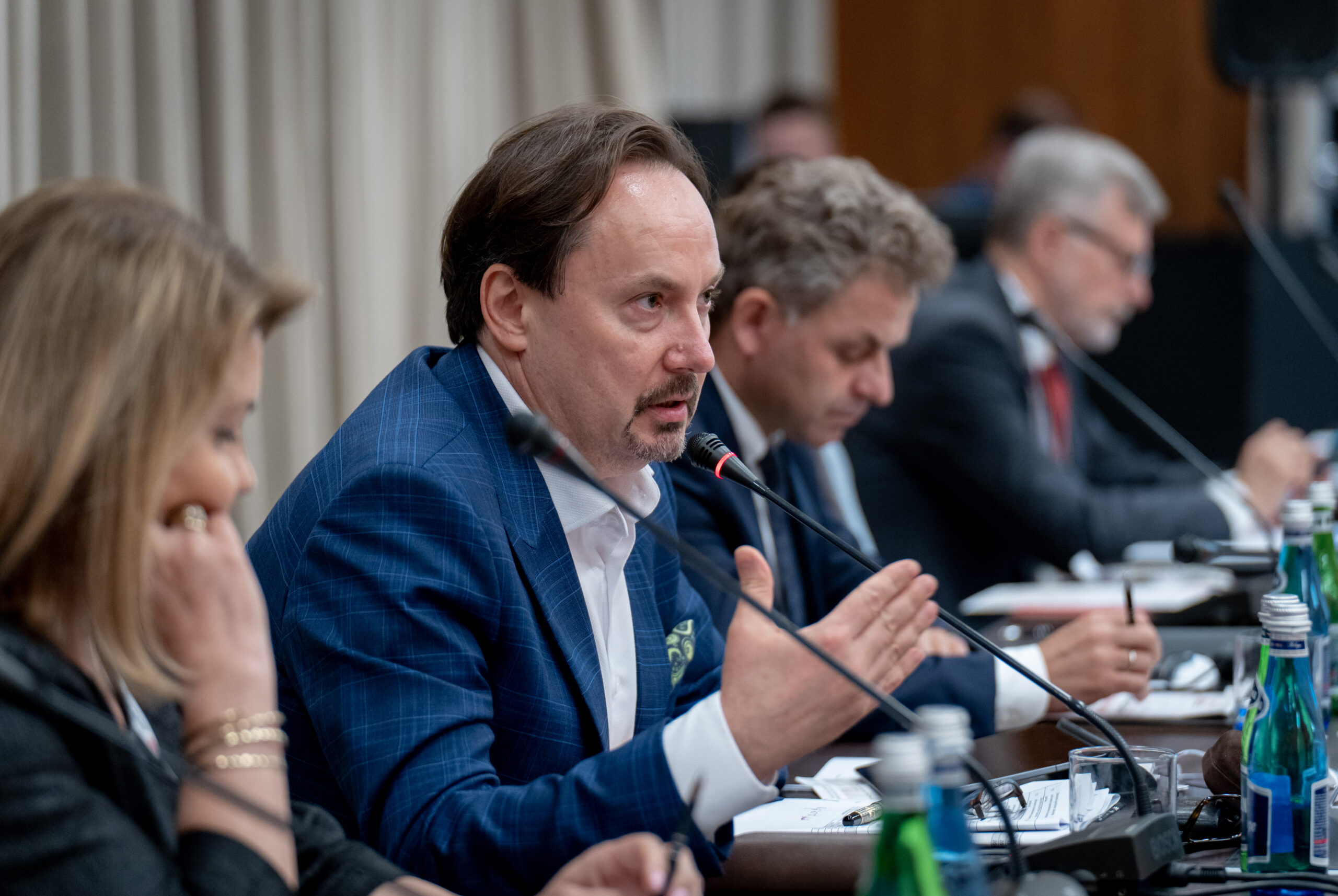
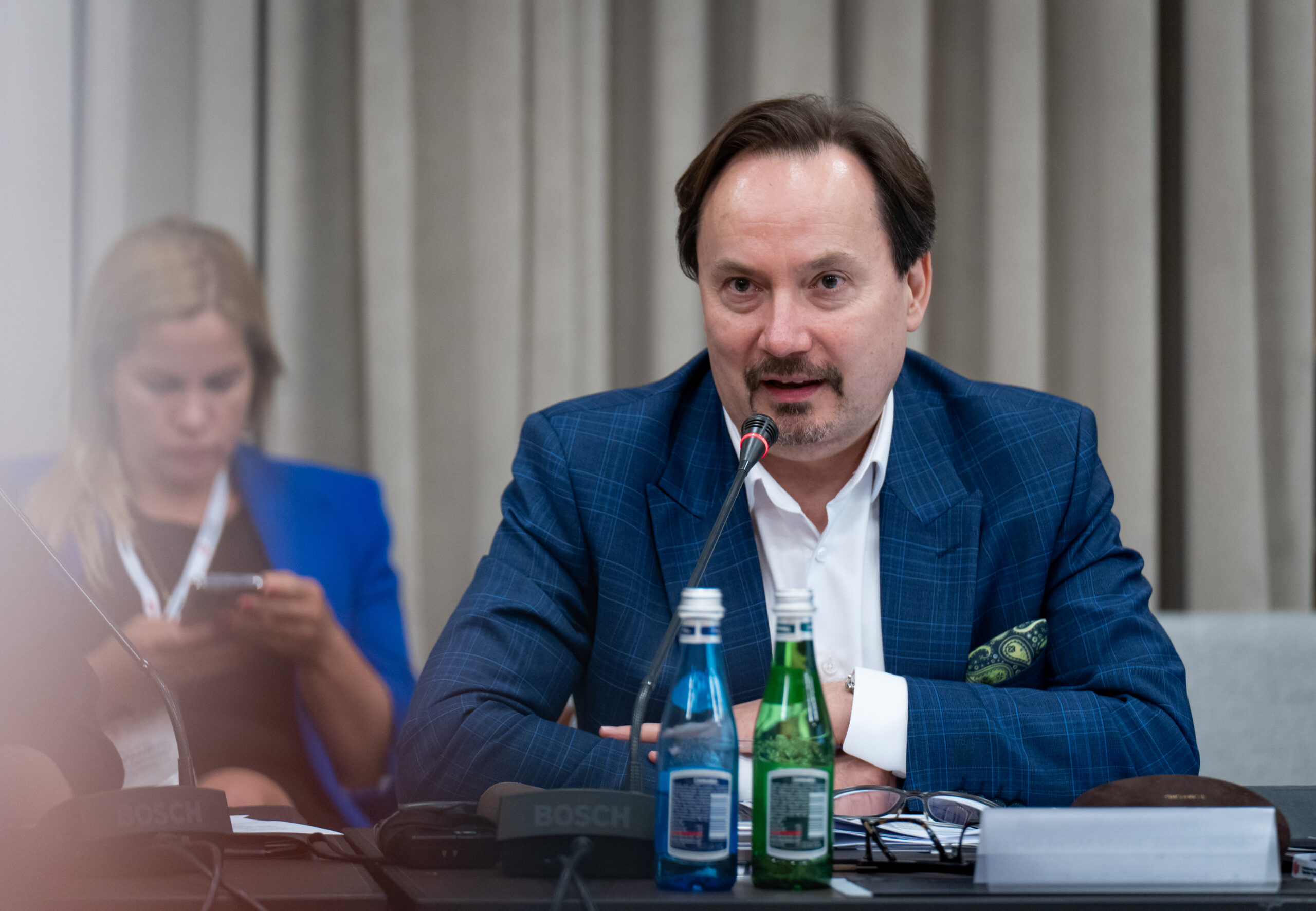
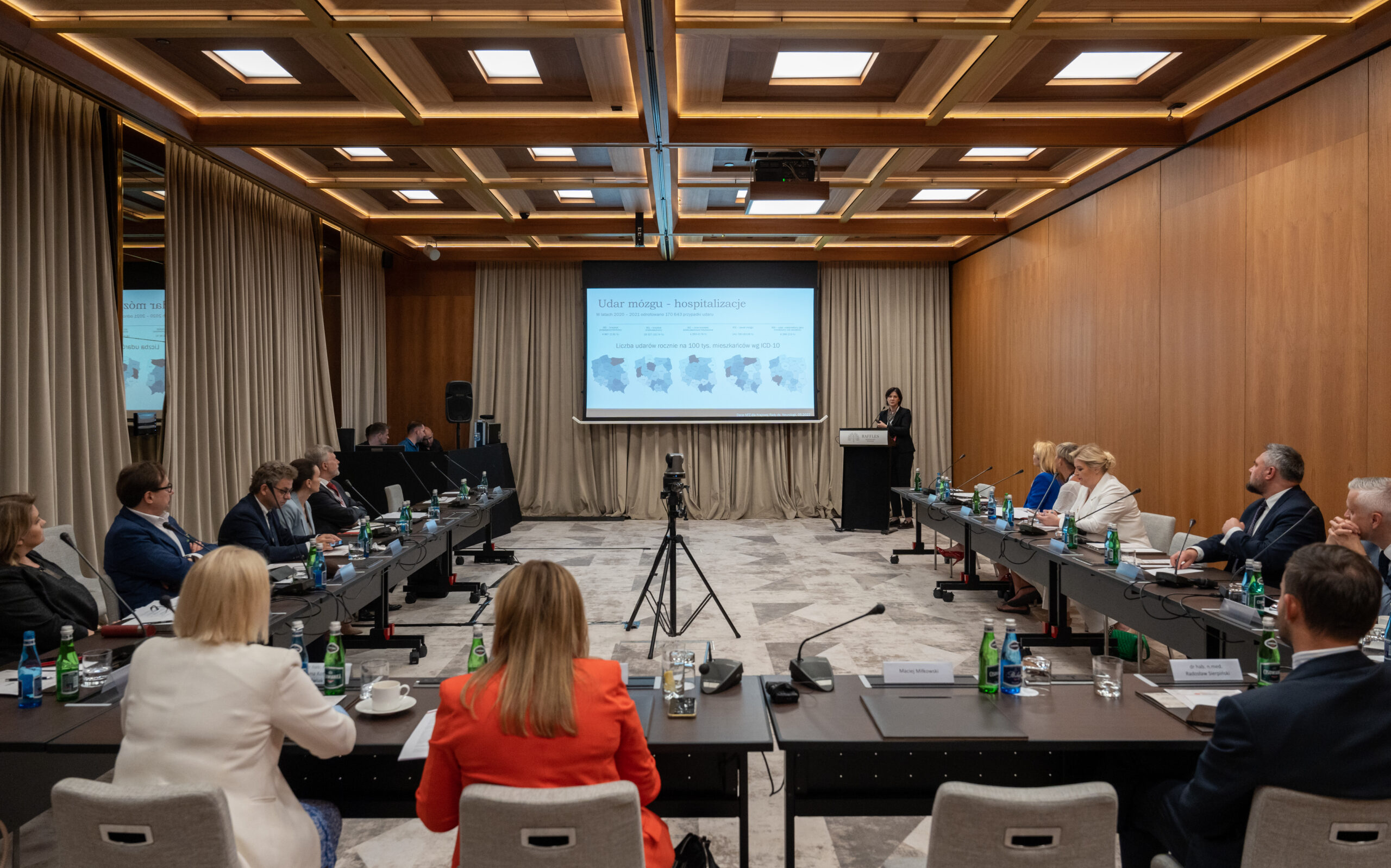
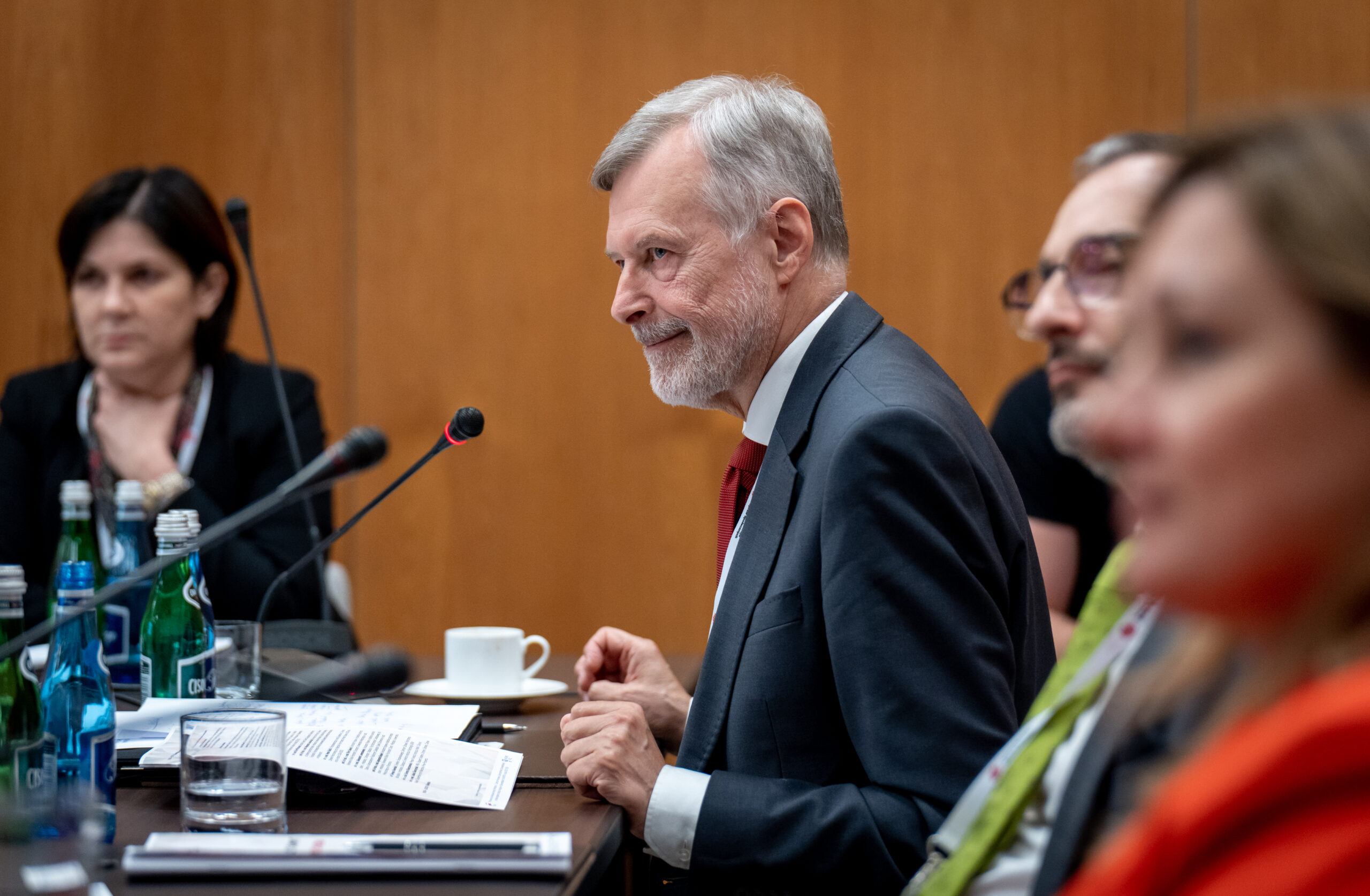
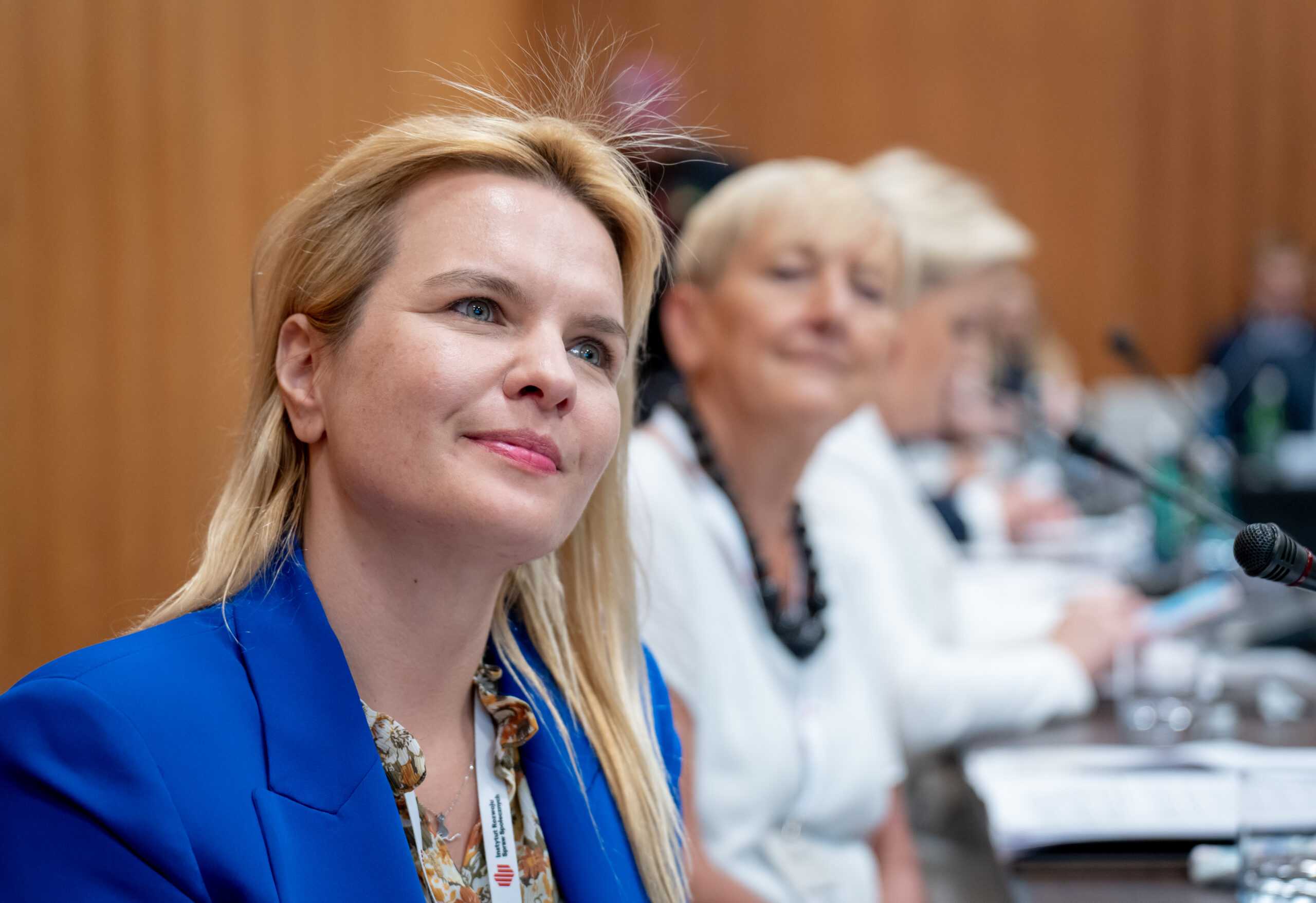
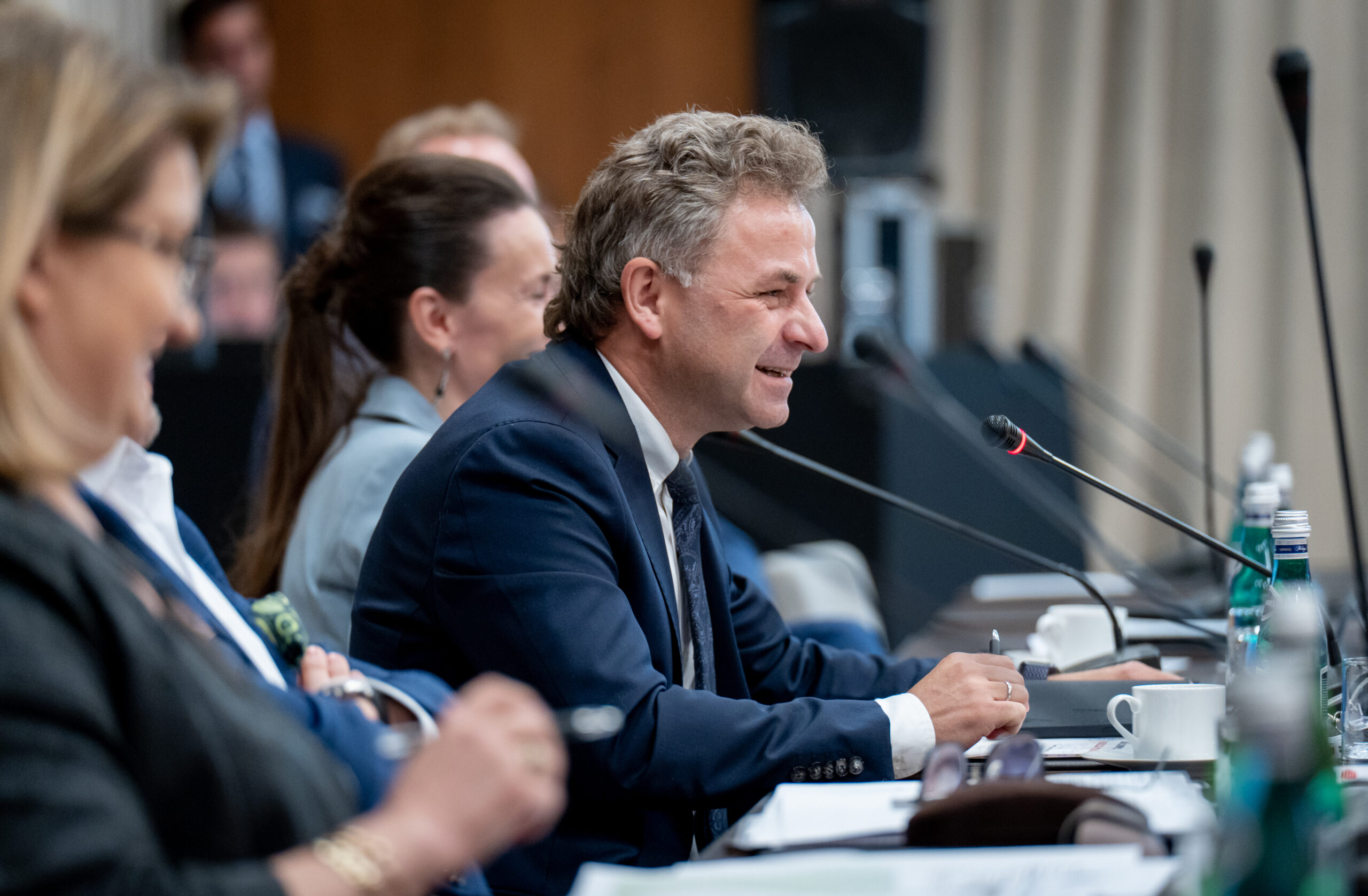
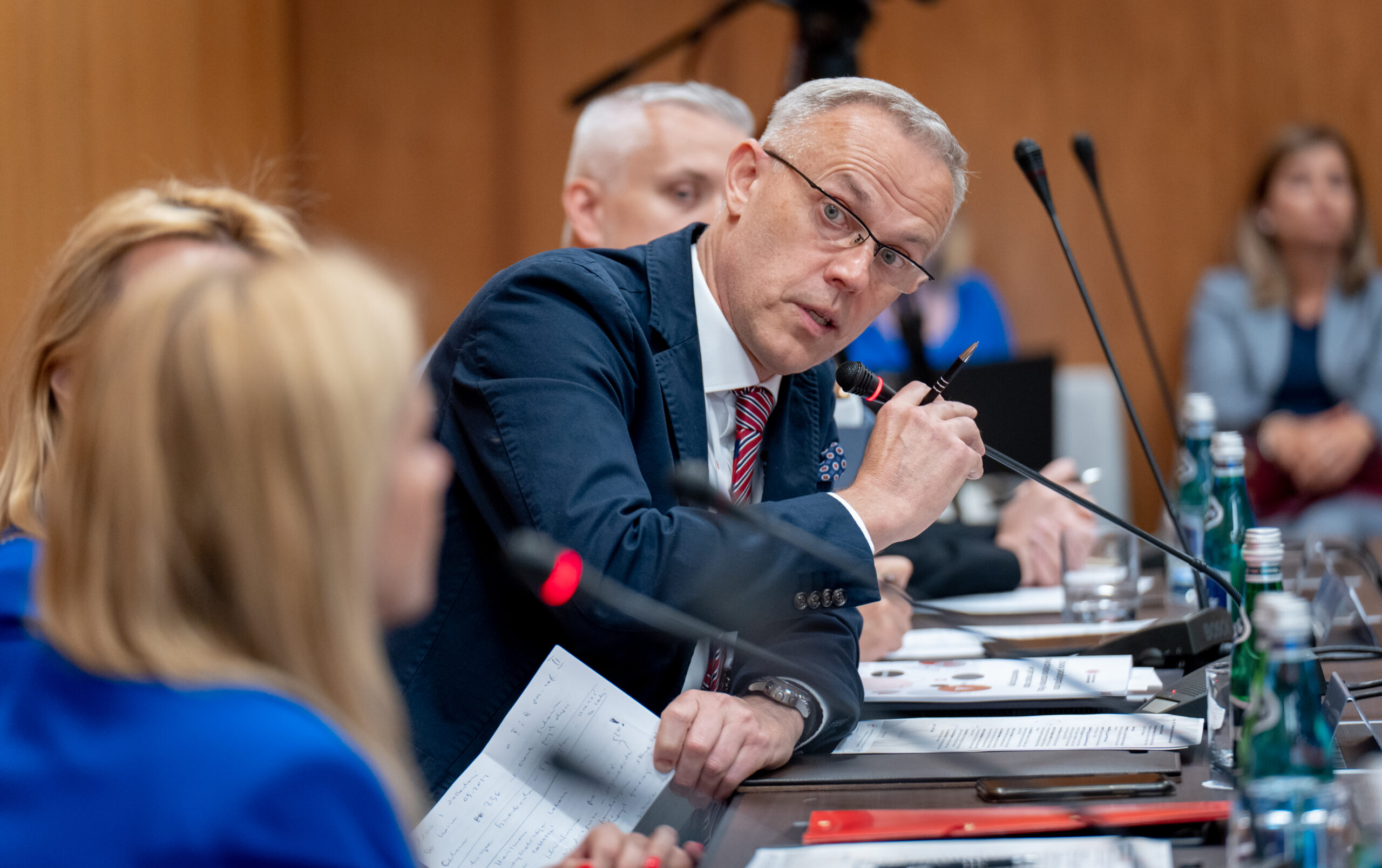
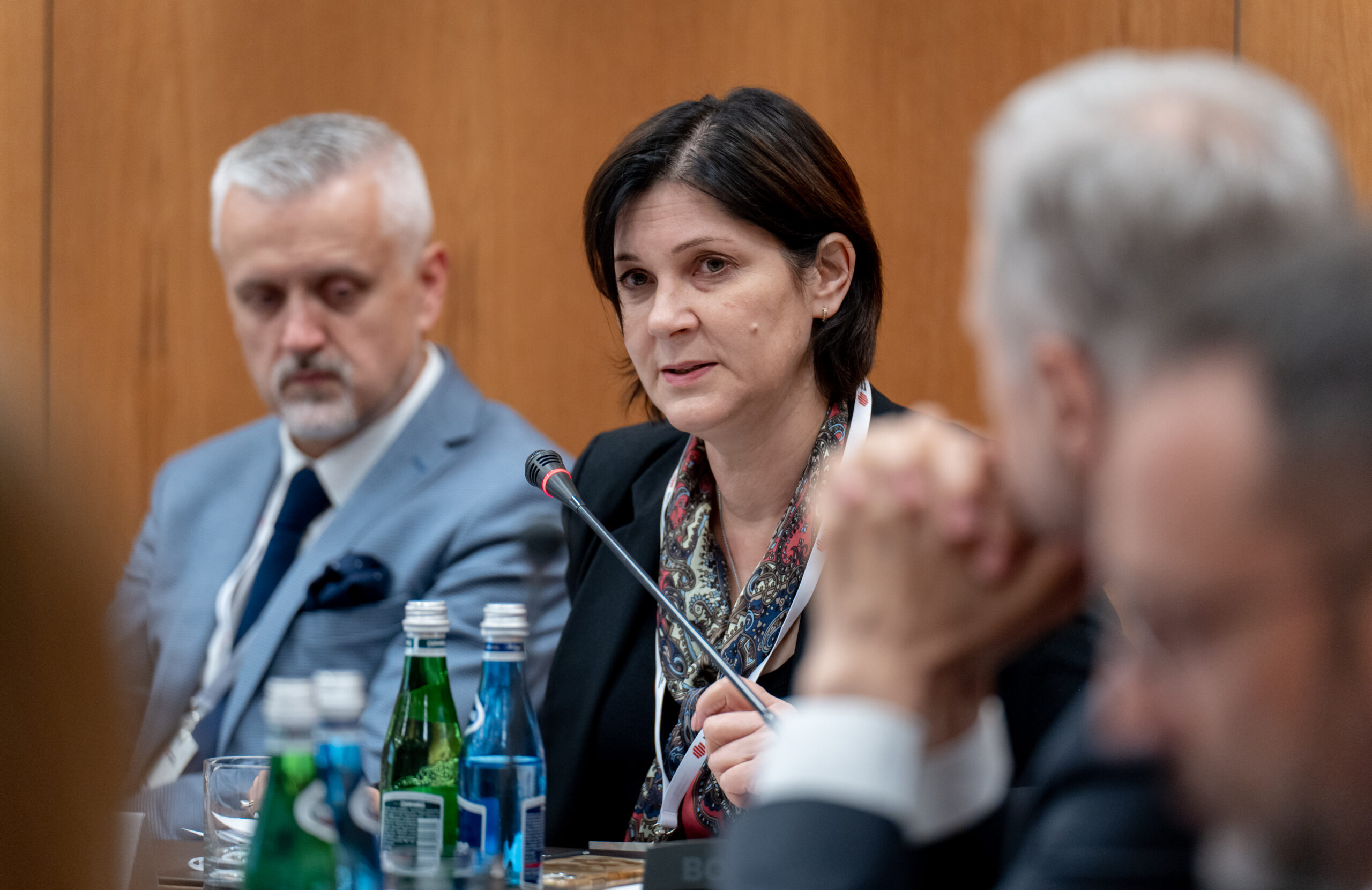
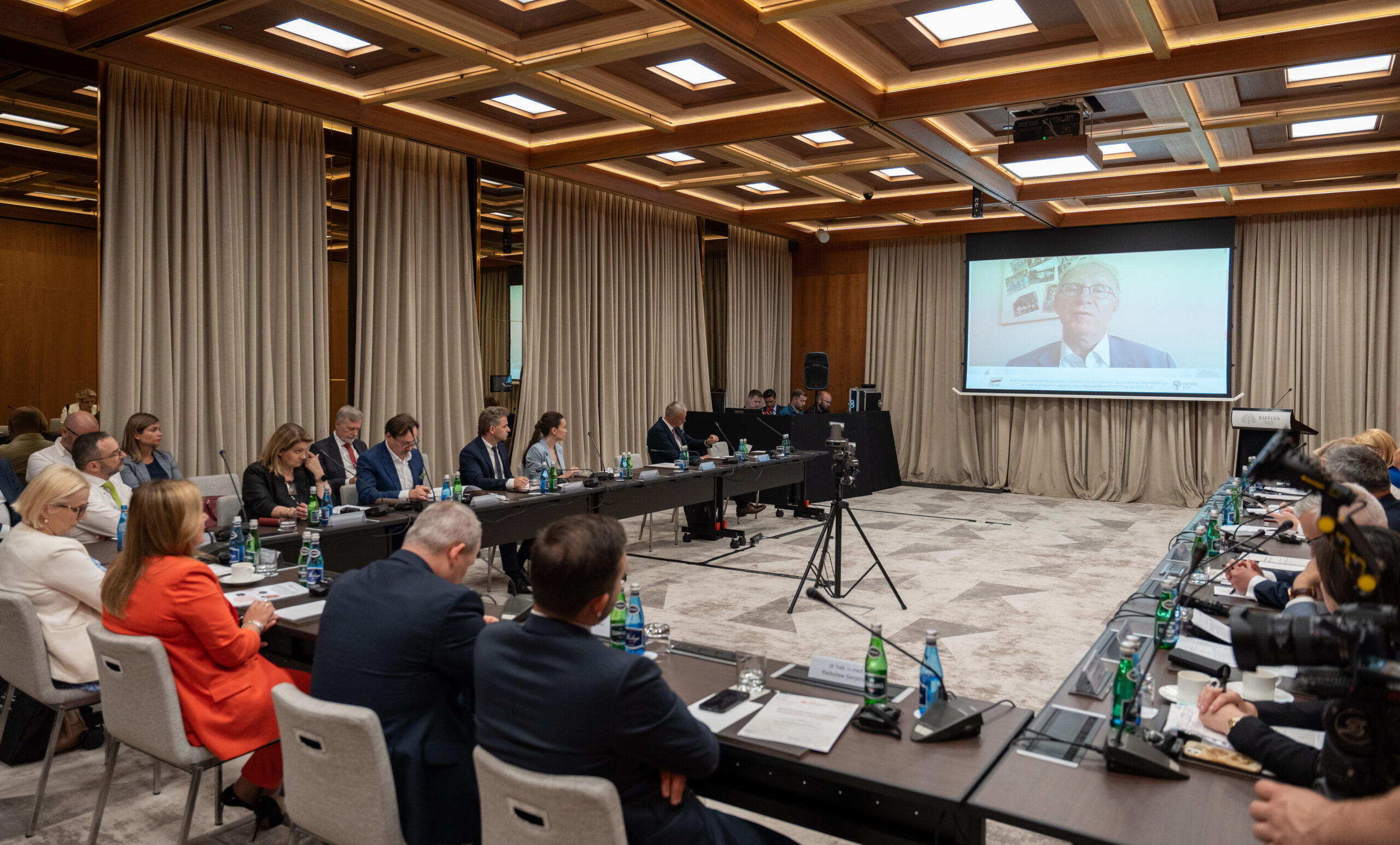
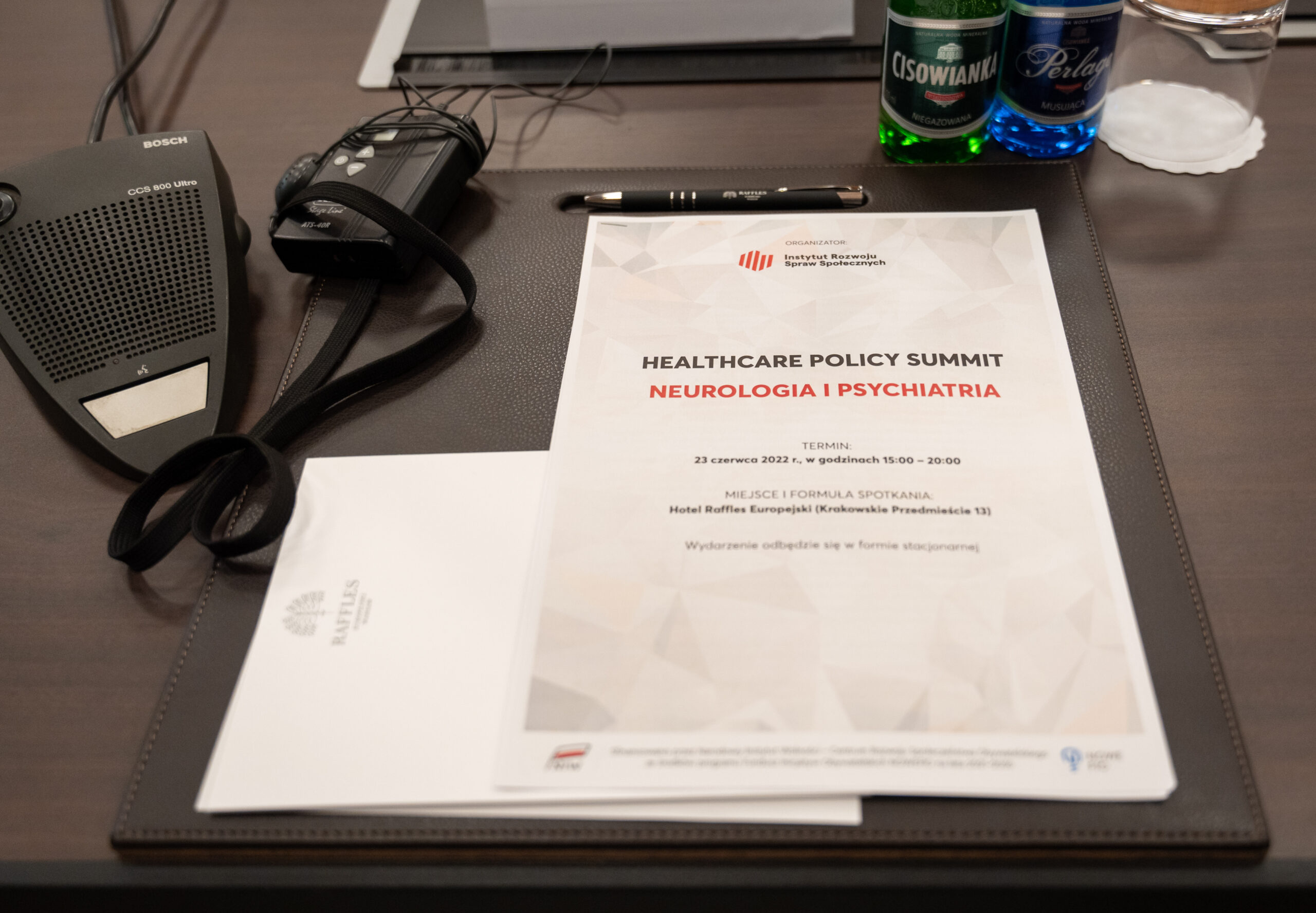
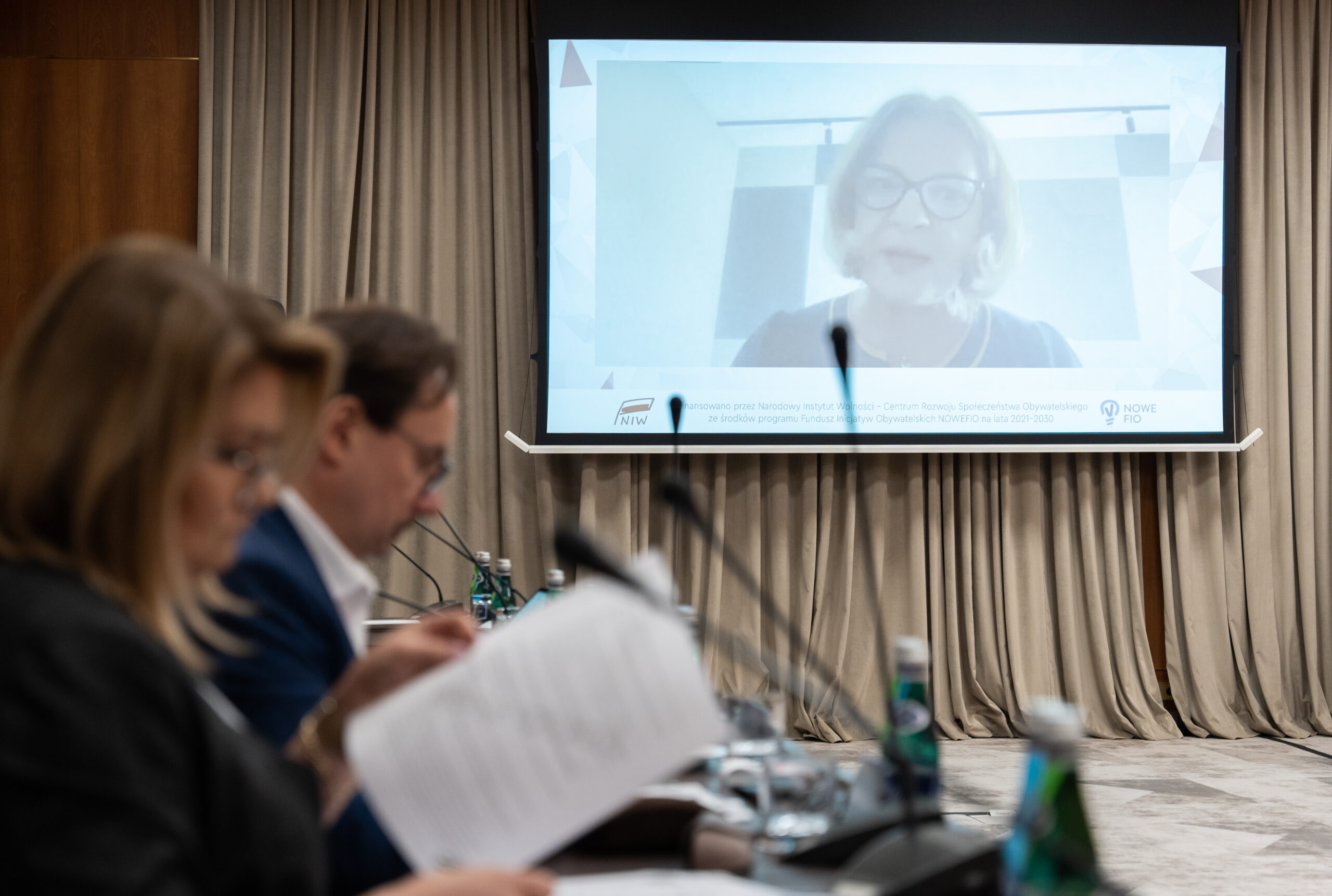
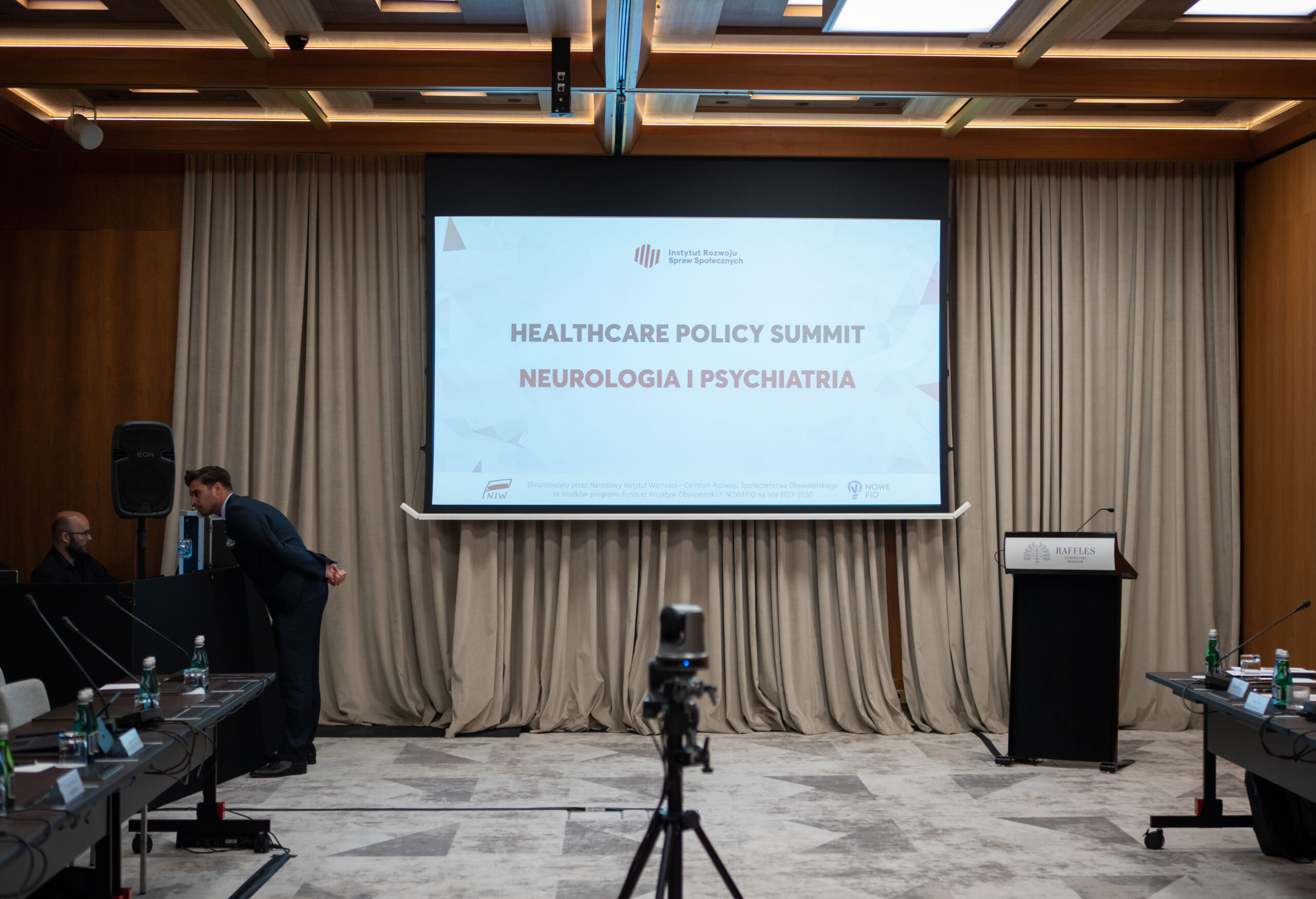
Neurological and psychiatric diseases are an increasingly serious health problem affecting a growing group of patients. In many cases, the use of modern therapies brings health benefits to patients, enabling them to function normally – such conclusions emerged from the discussion held as part of the “Healthcare Policy Summit” meeting series, dedicated to the challenges in neurology and psychiatry in the post-pandemic era.
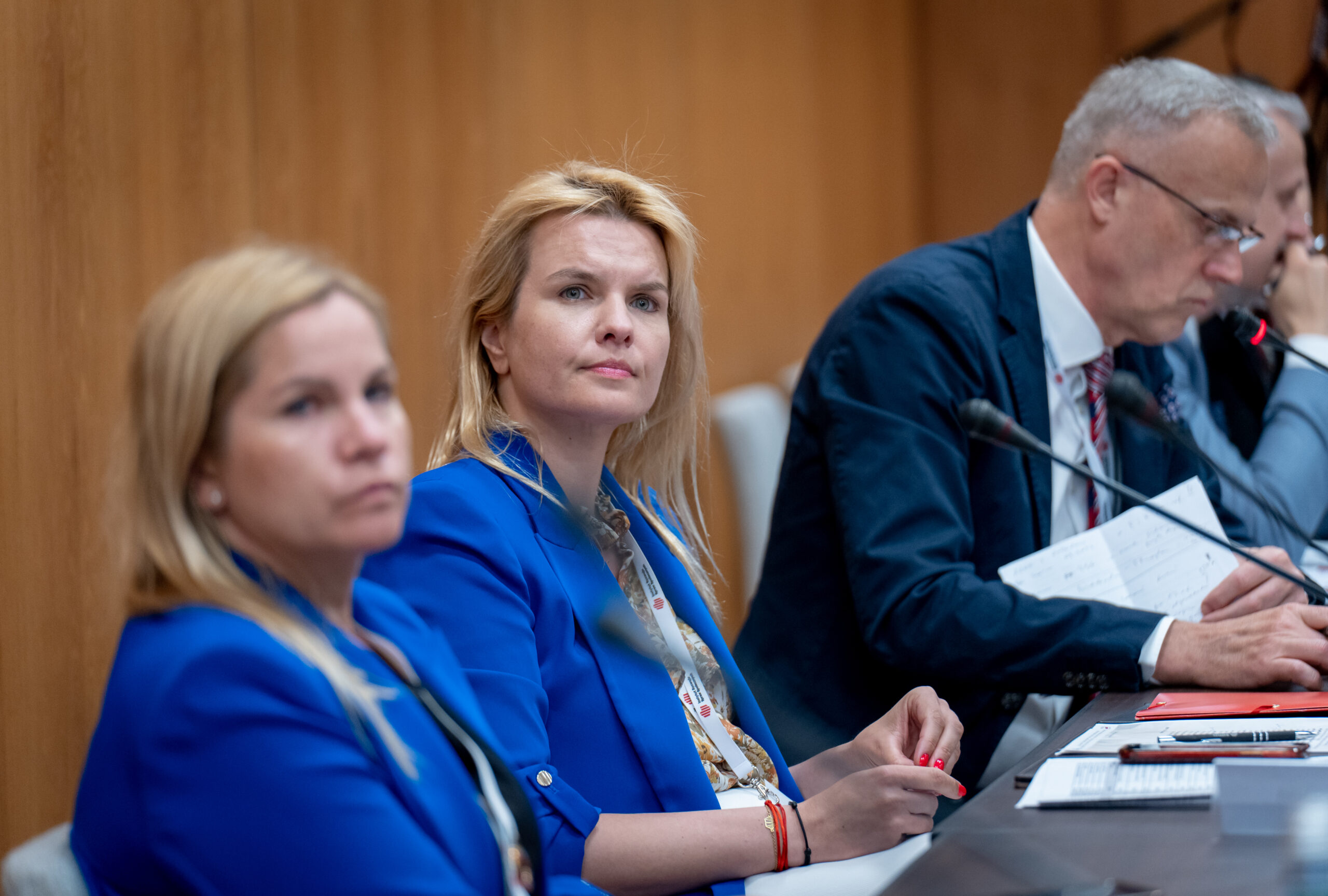
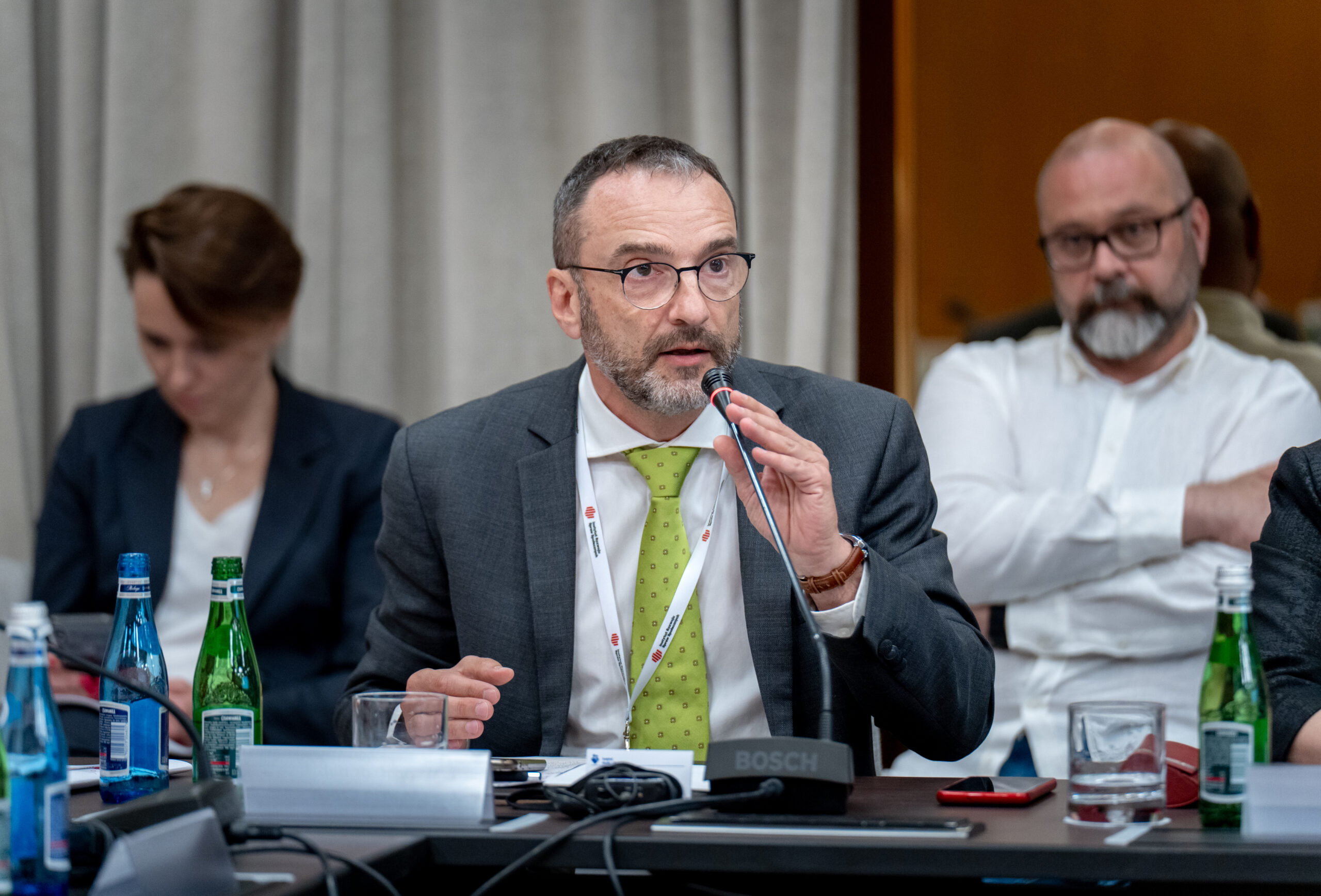
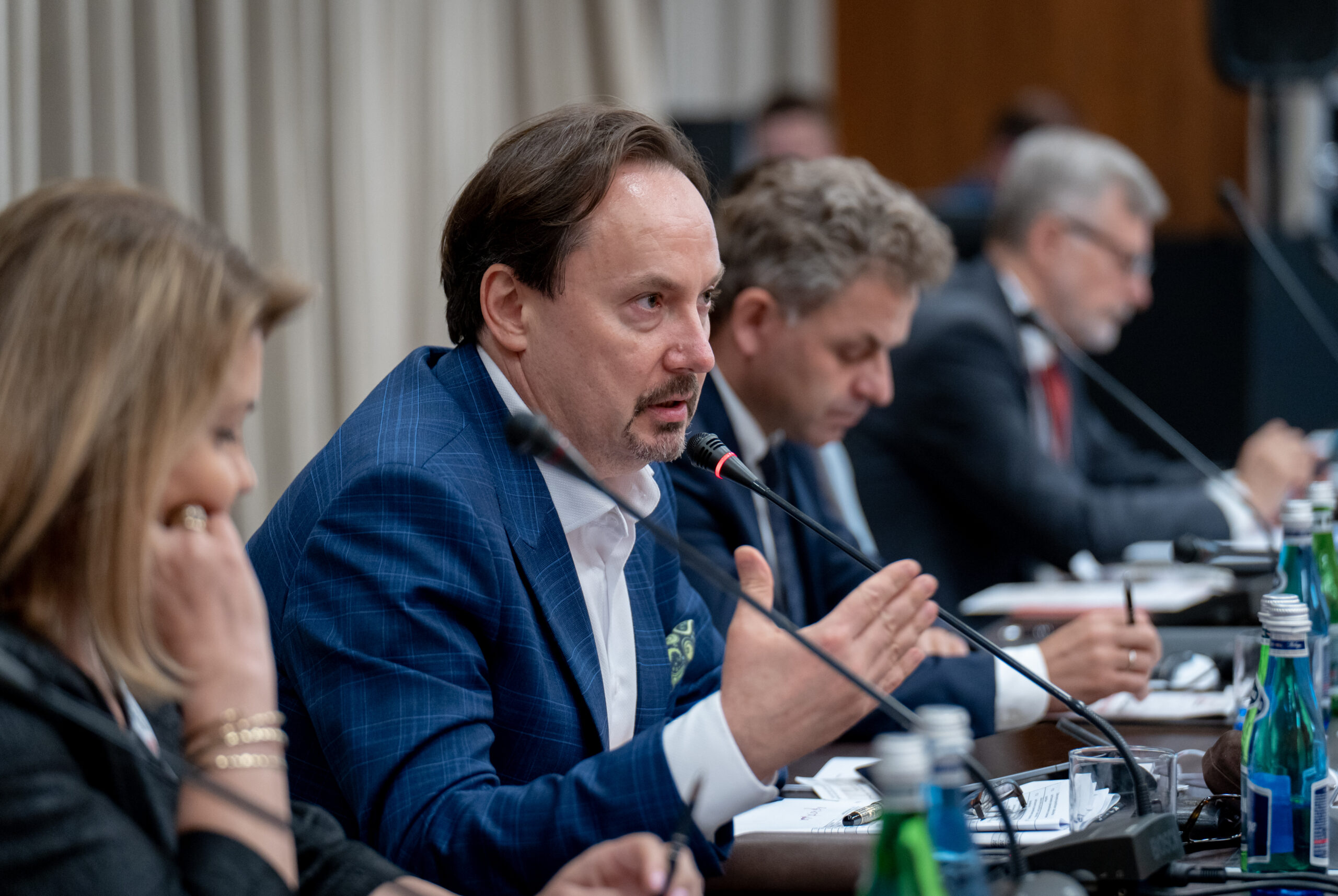
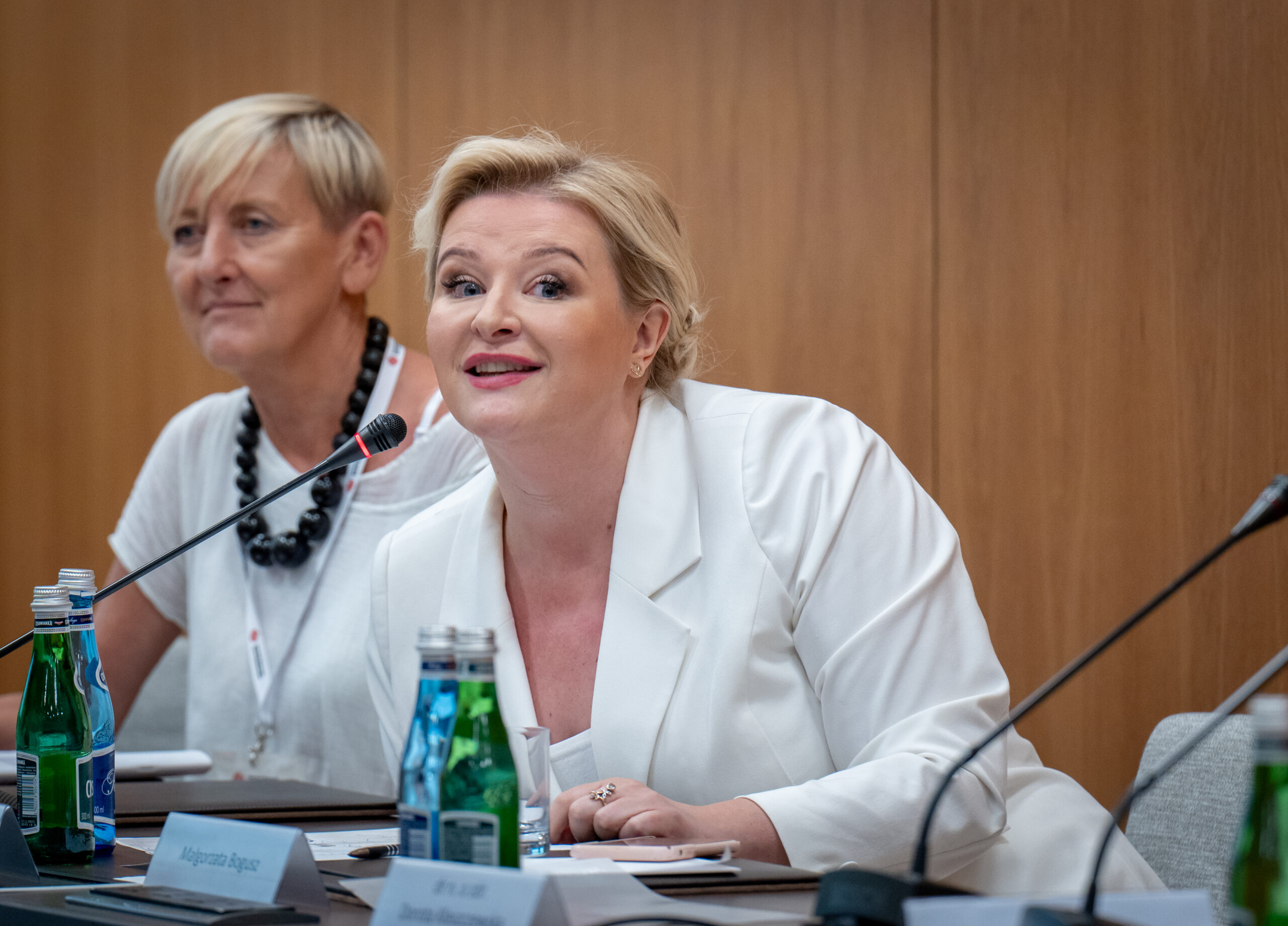
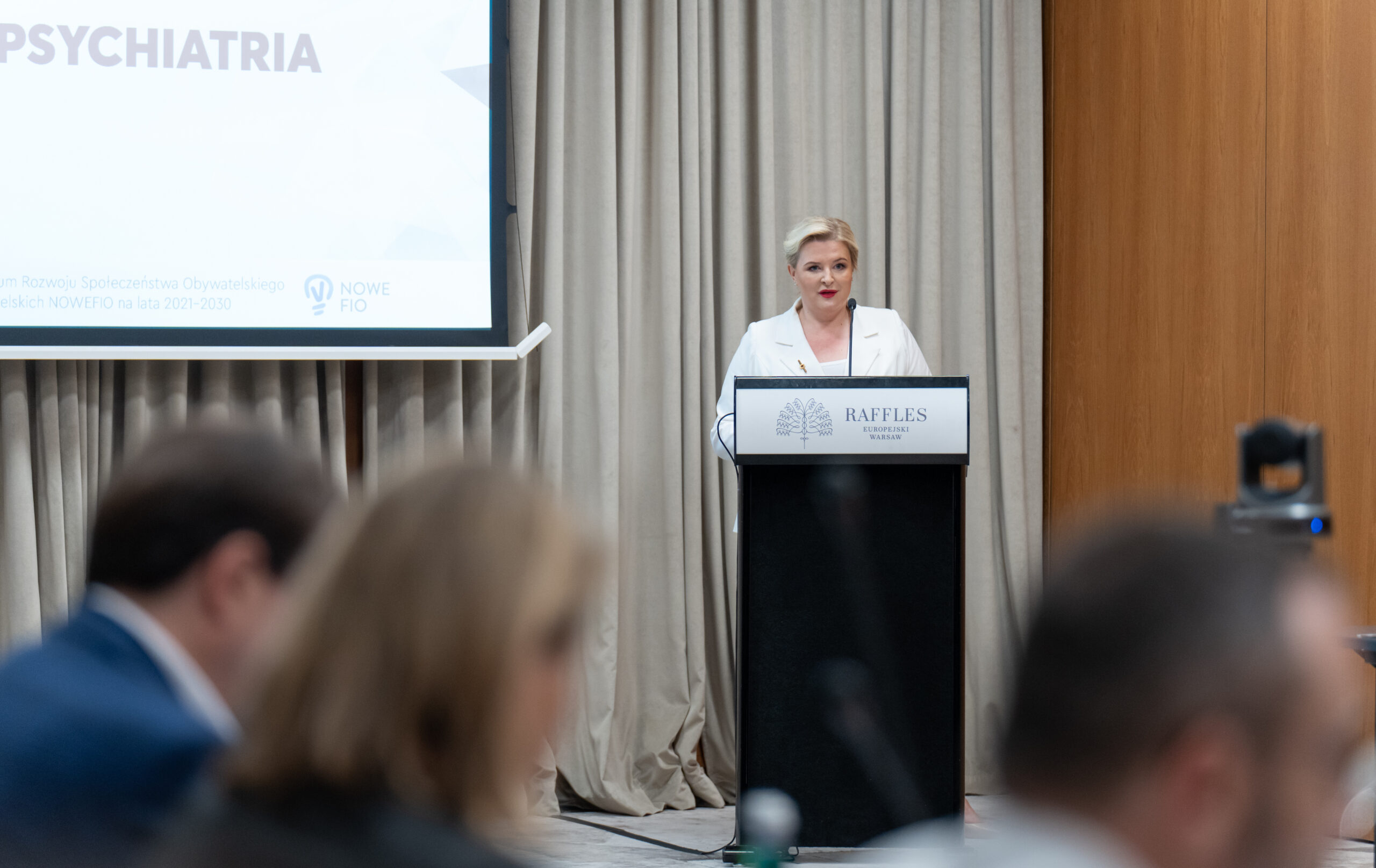
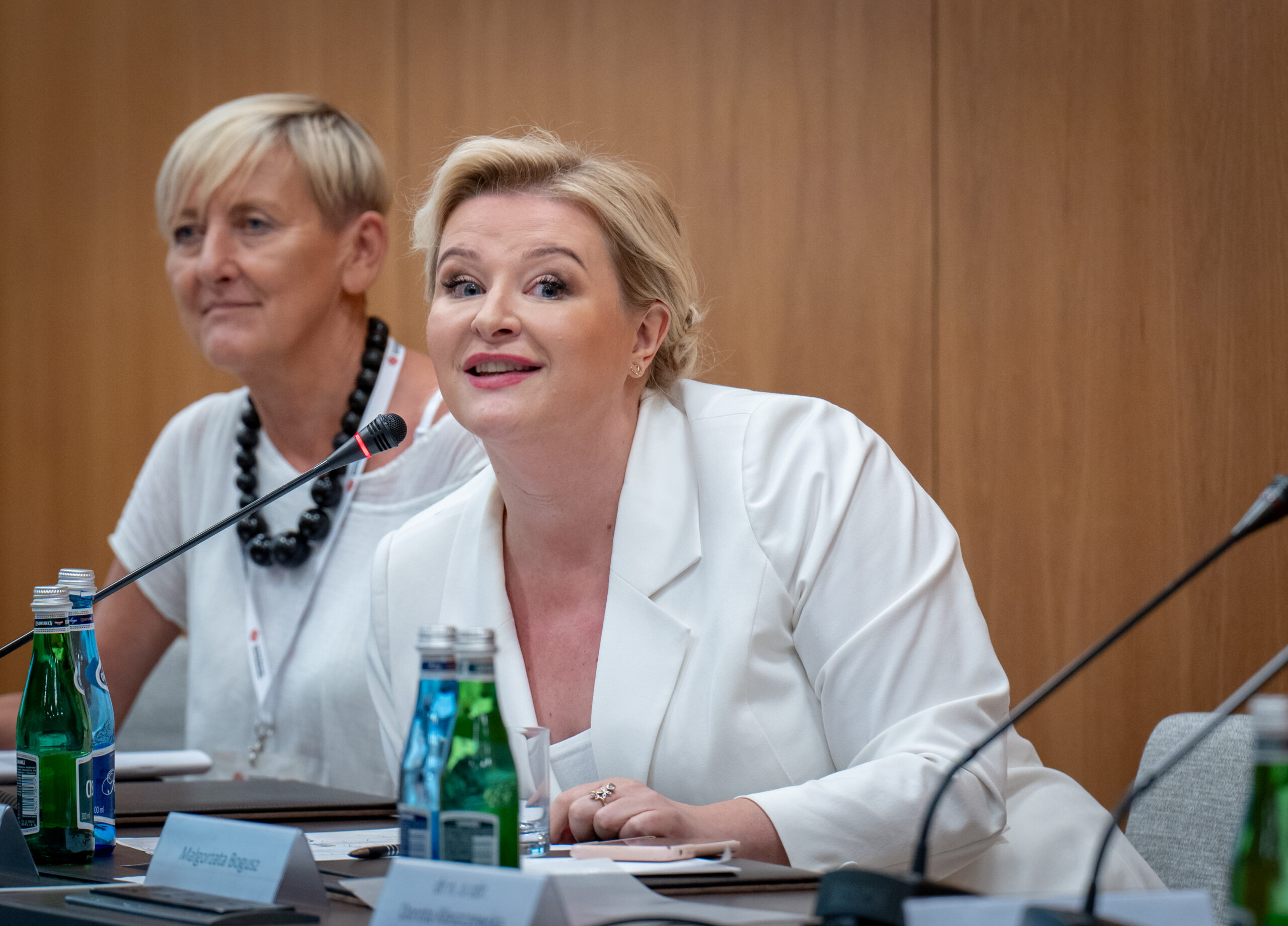
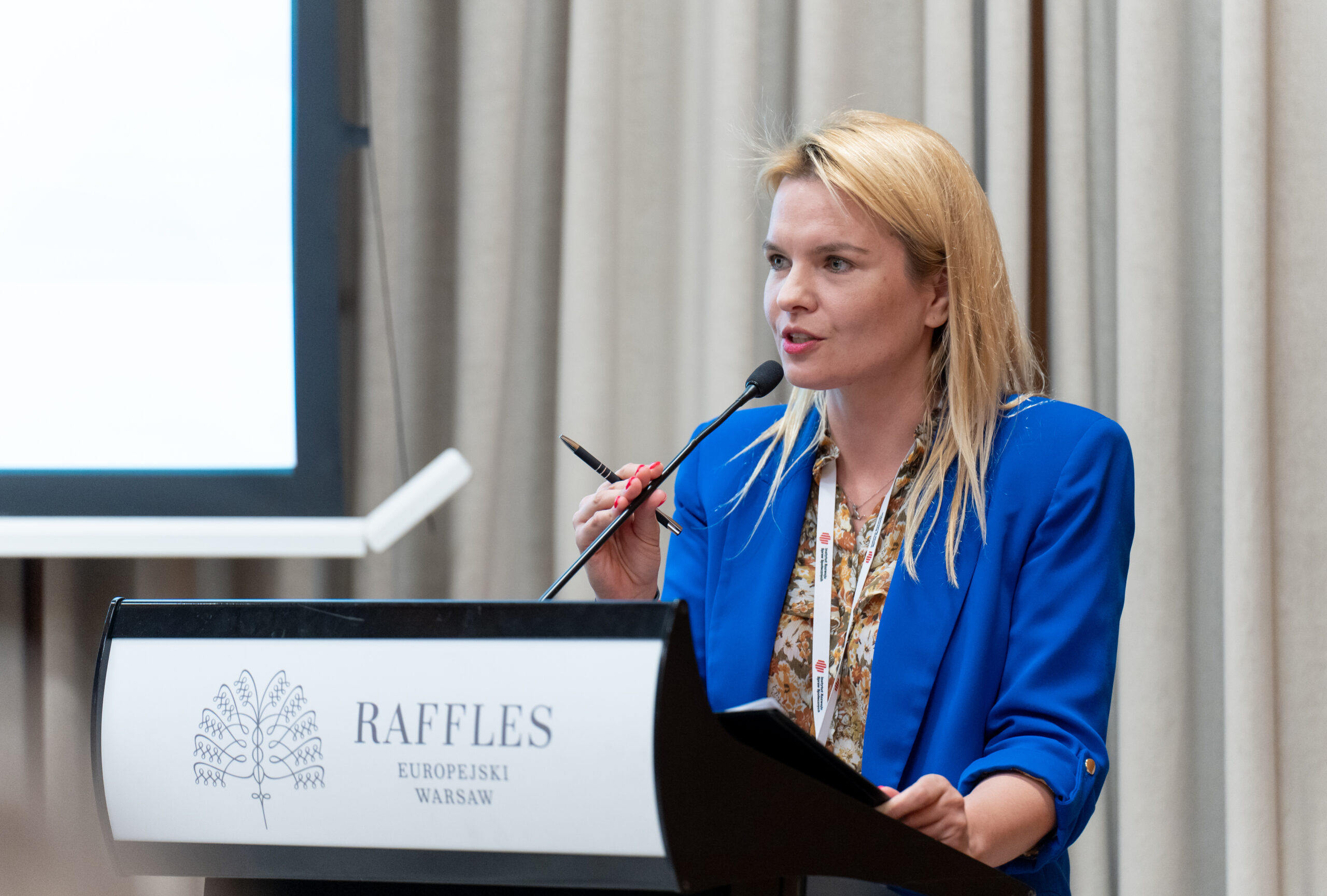
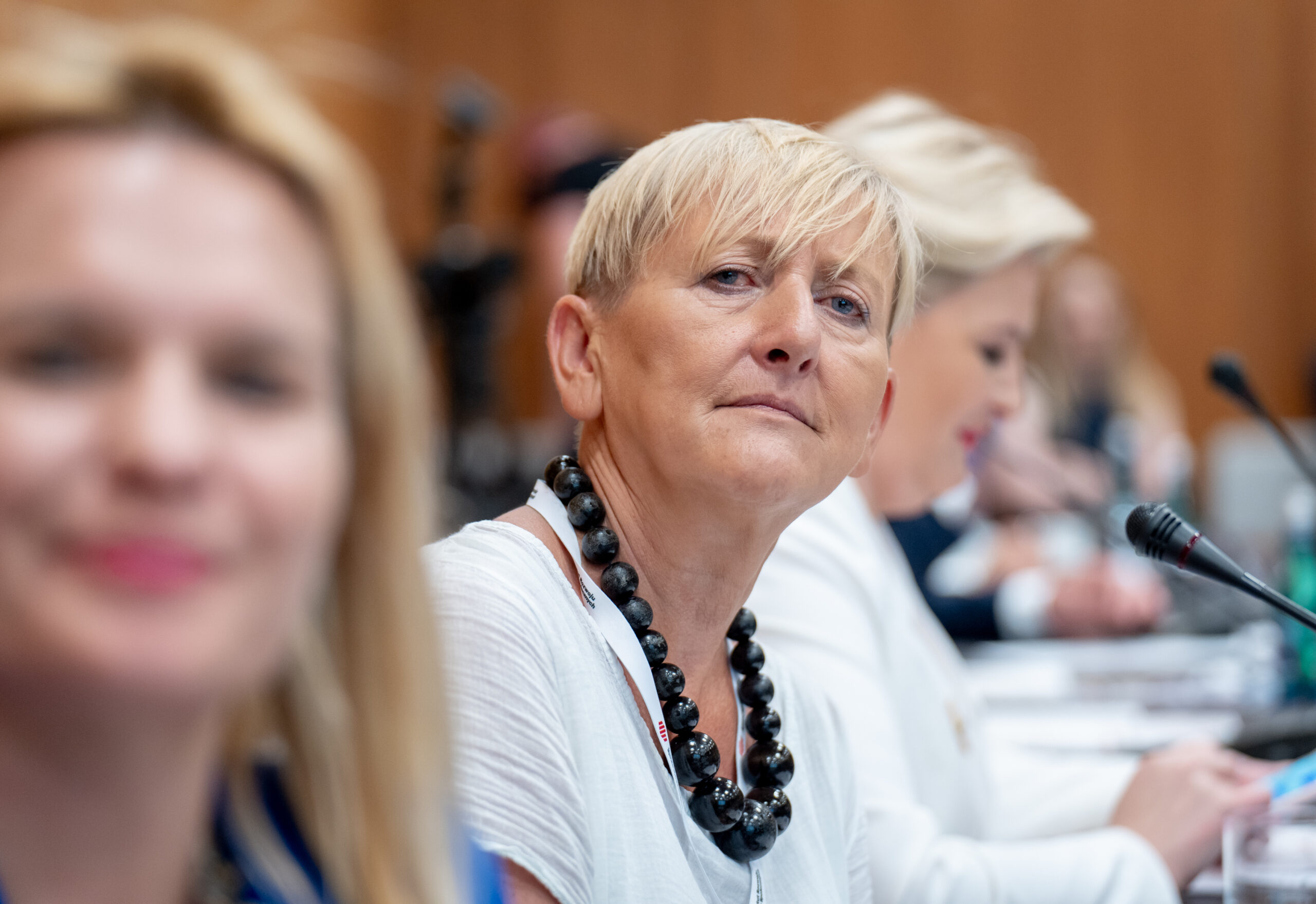
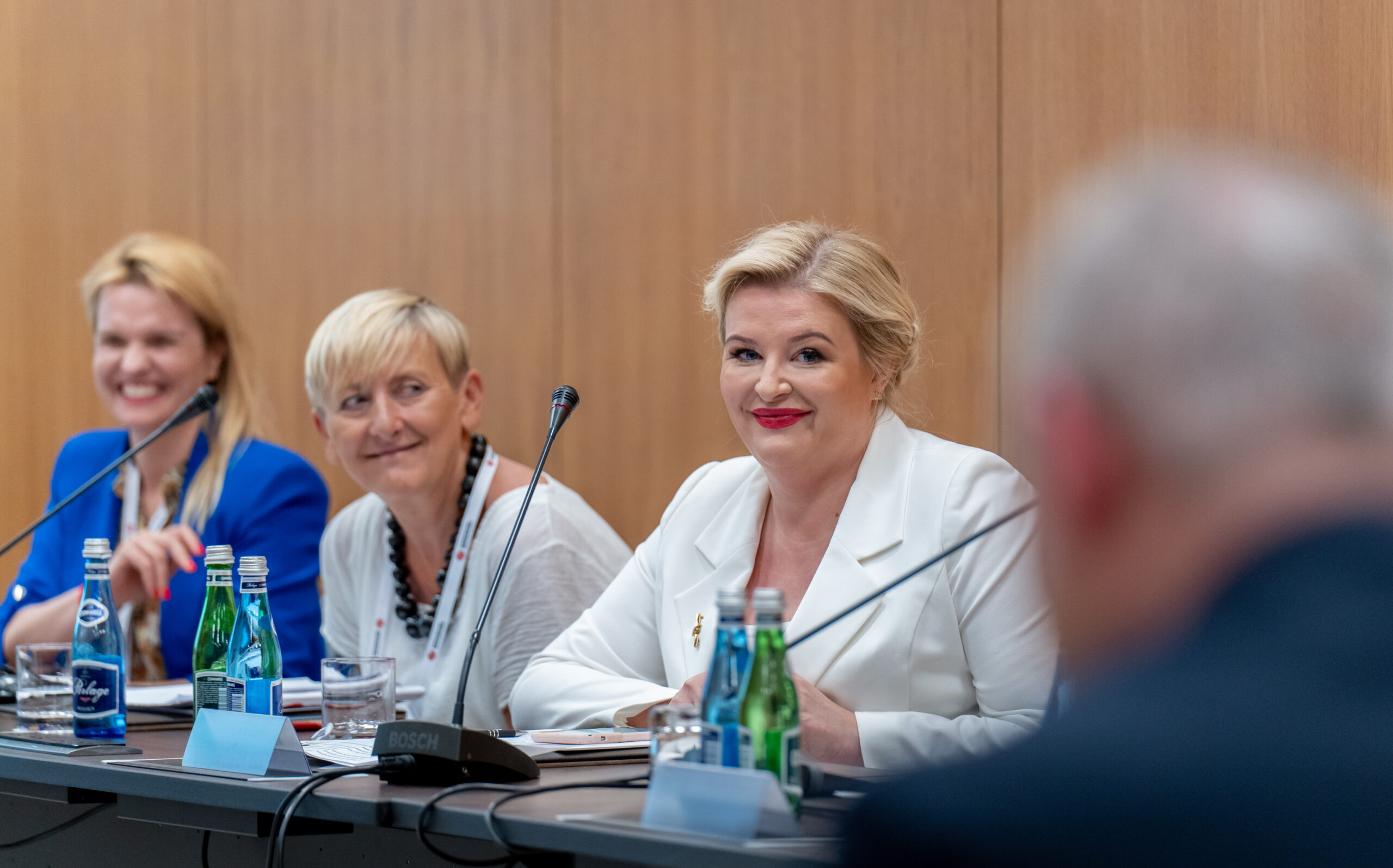
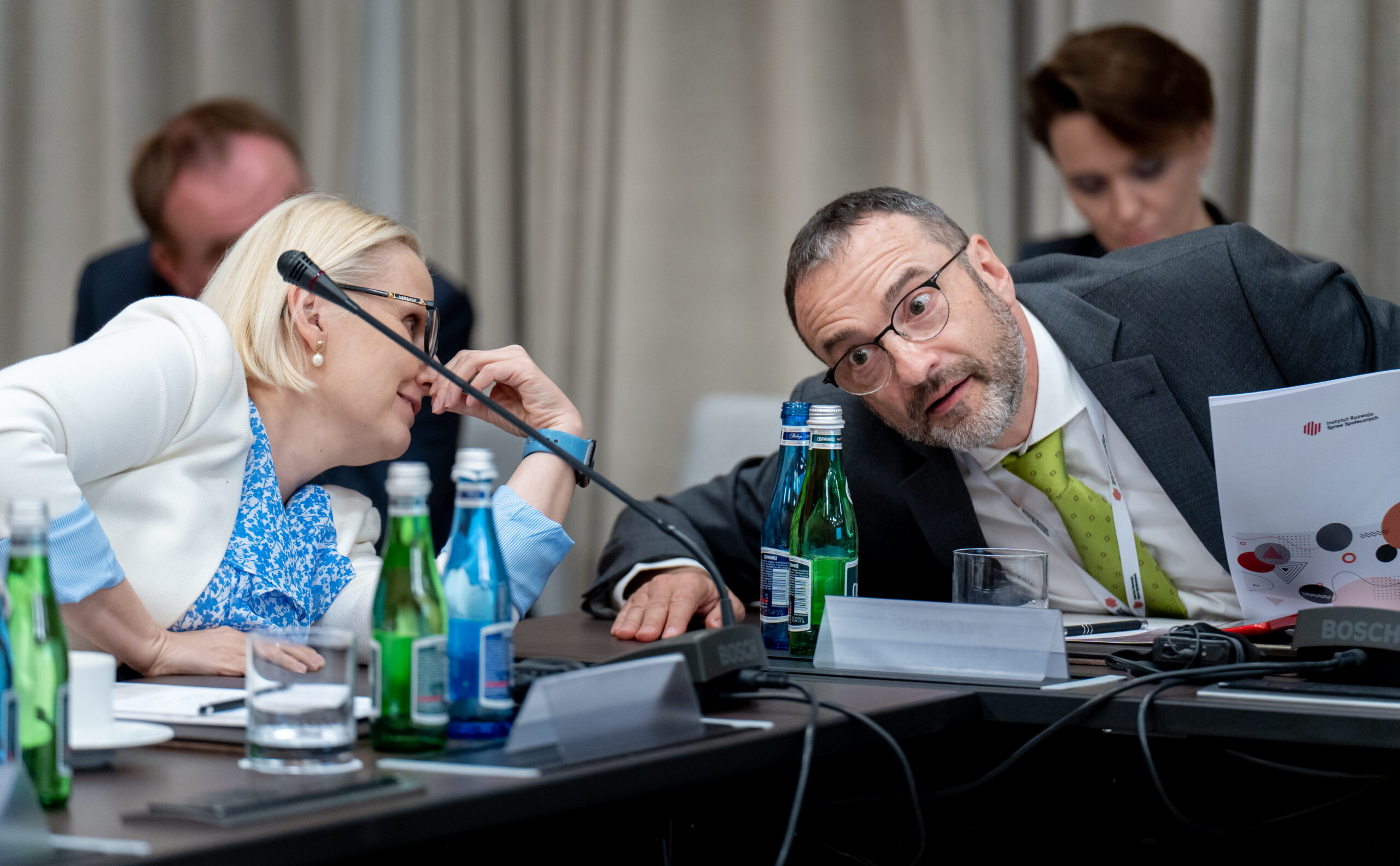
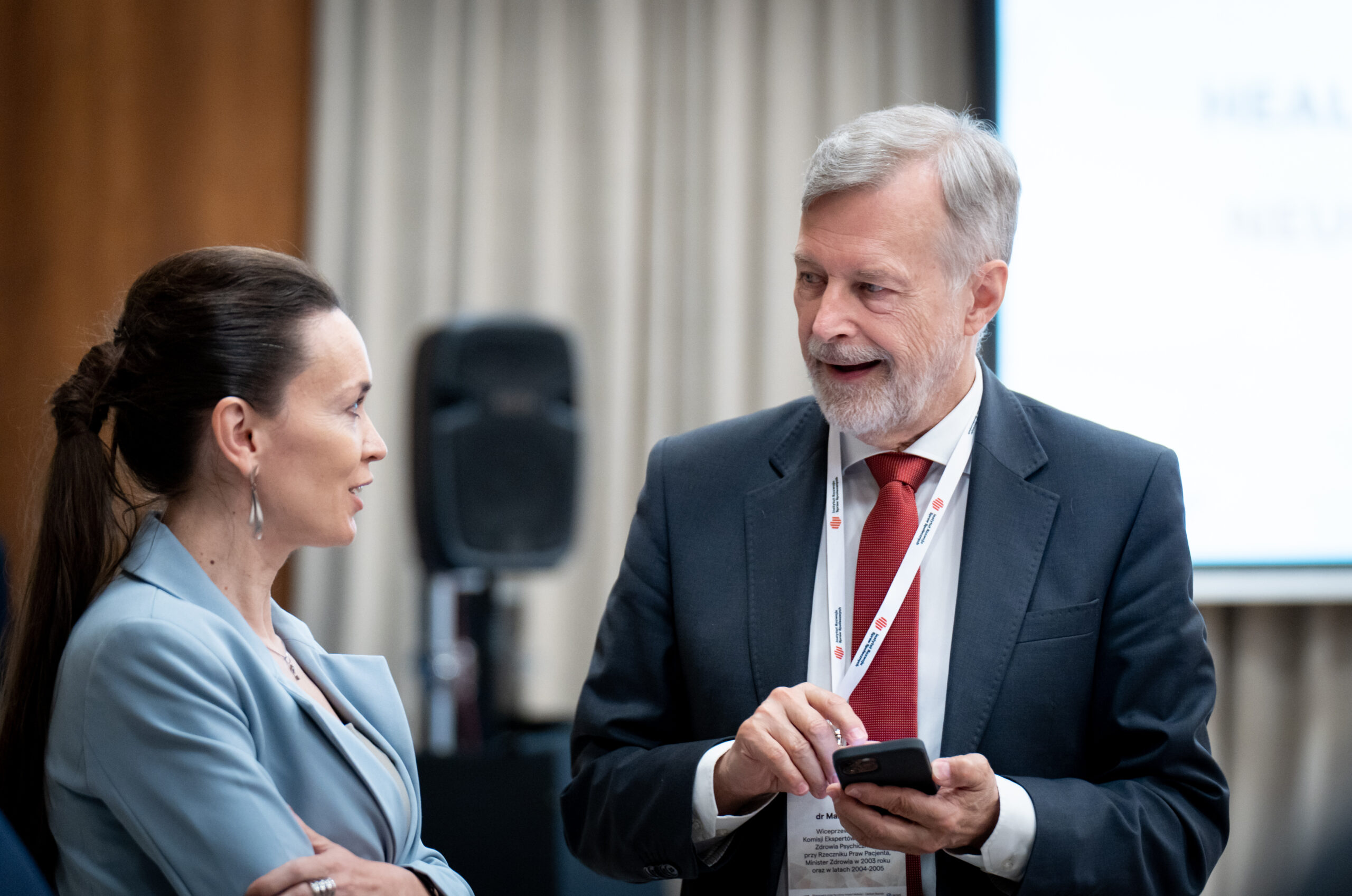
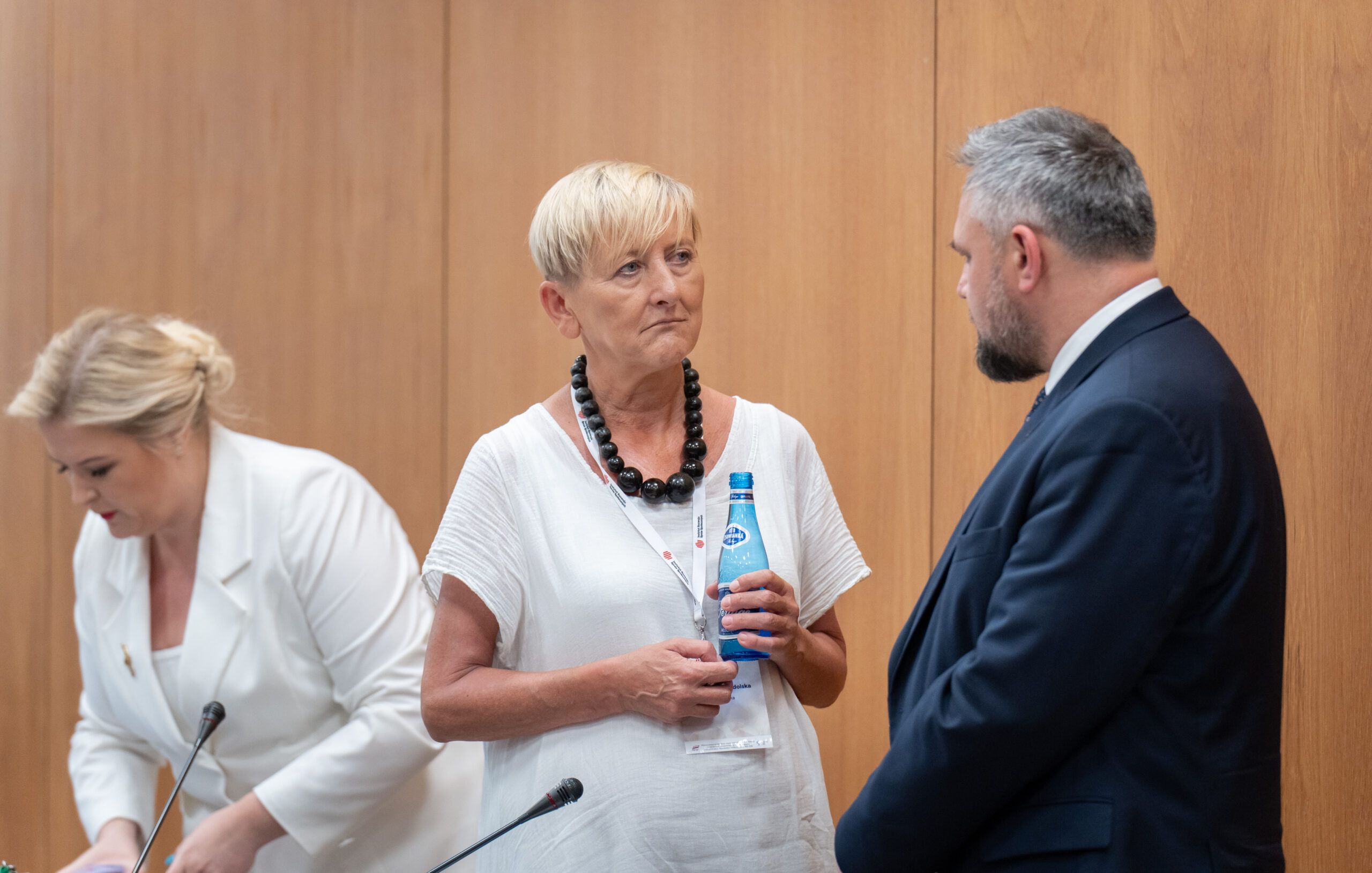
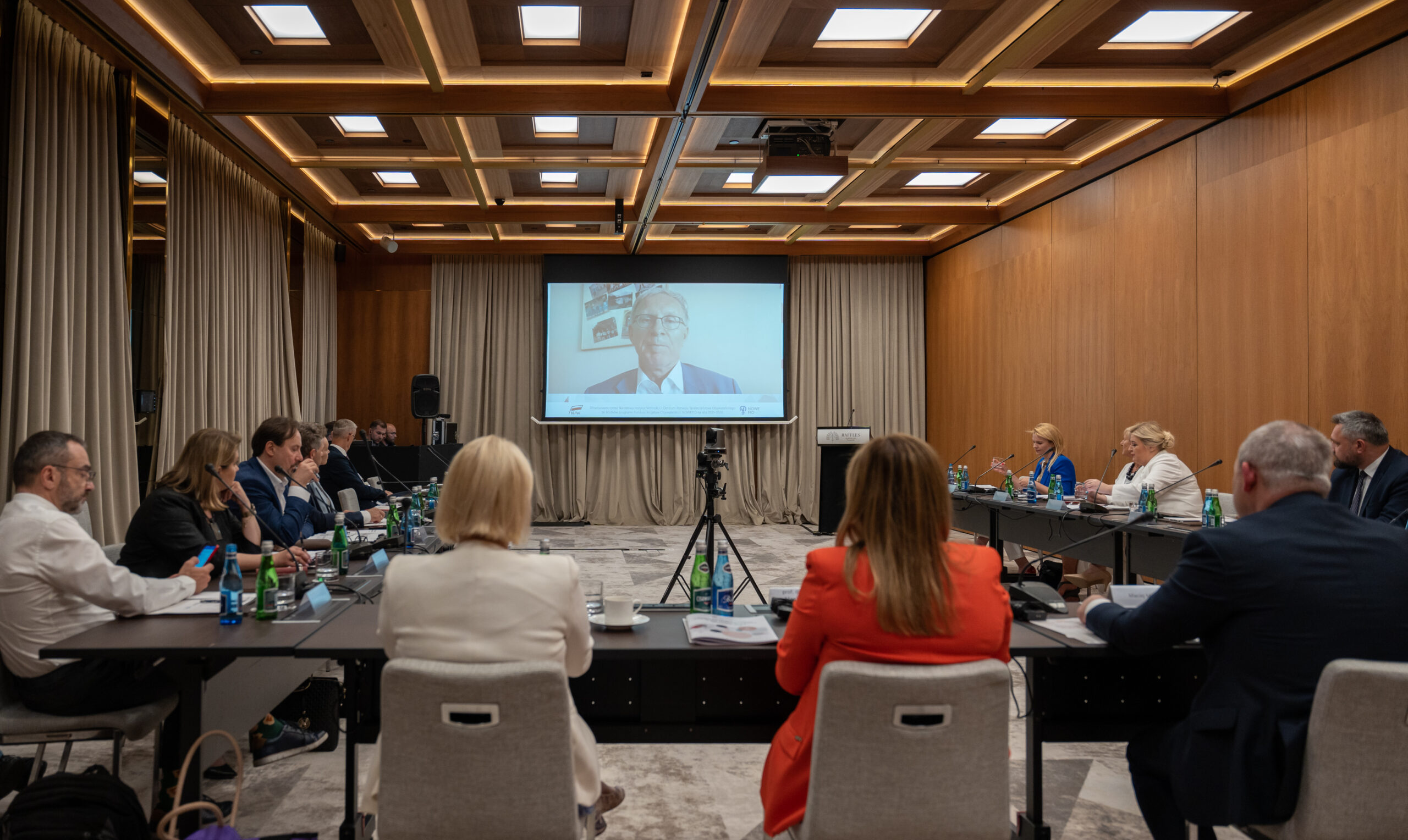
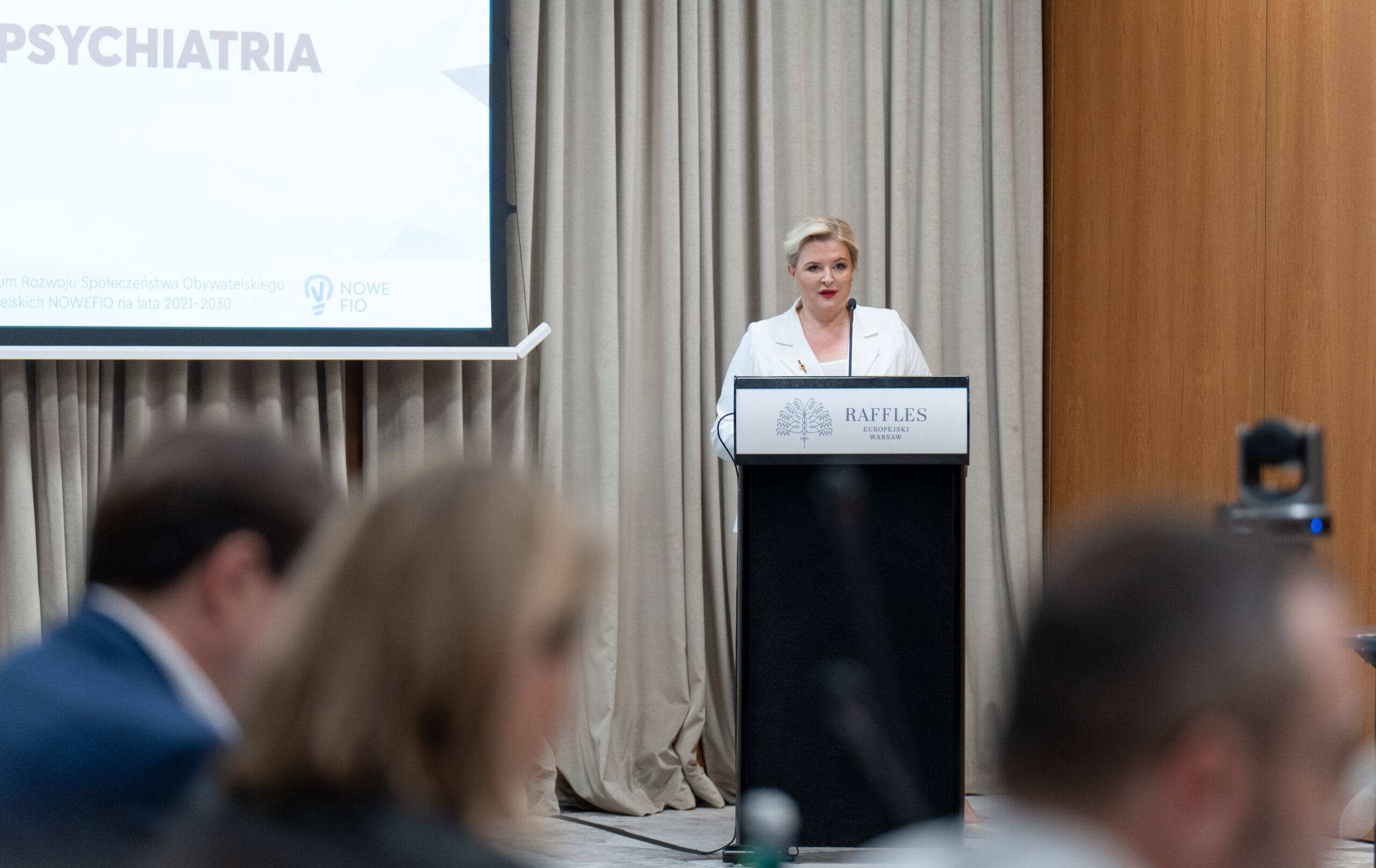
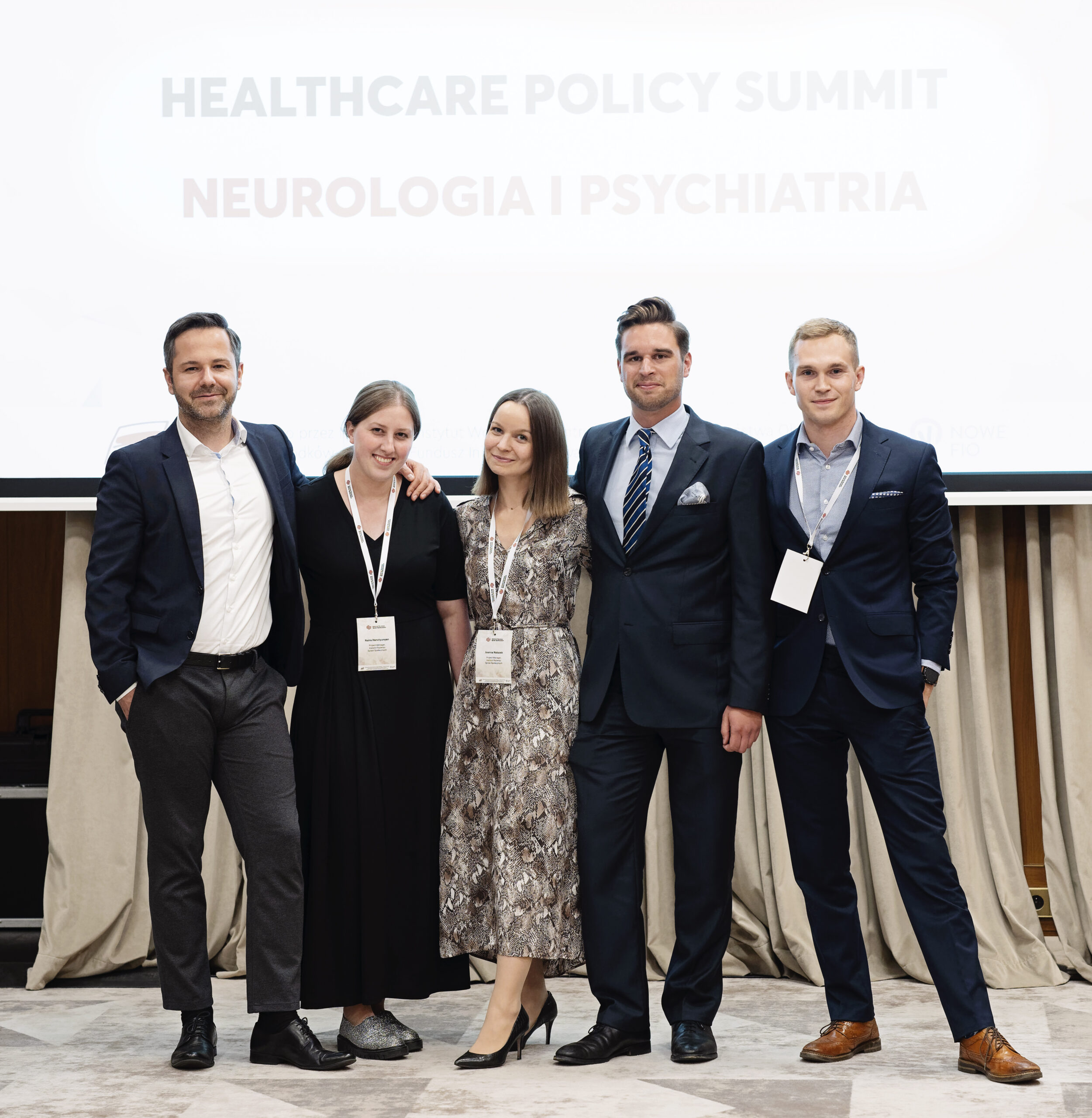
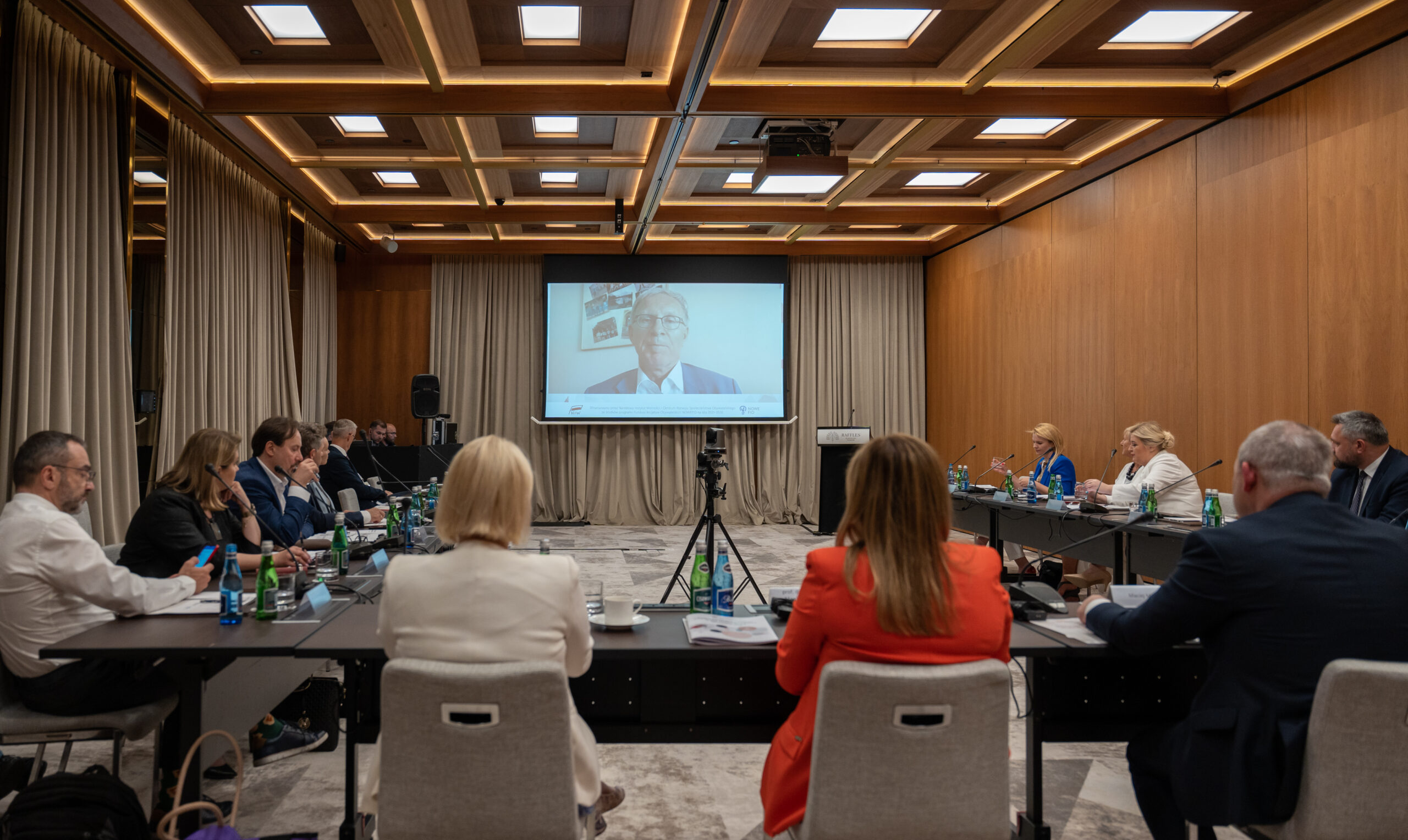
The meeting brought together a group of outstanding experts in brain diseases from Poland and abroad. The event was organized by the Institute for the Development of Social Affairs (IRSS). Opening the event, Małgorzata Bogusz, President of IRSS, emphasized that the “post-pandemic health debt” has become a major challenge, especially in neurology and psychiatry.
“Neurological diseases primarily affect young people of working age who, if improperly treated, may eventually become unable to work. Such burdens generate costs for the healthcare system, including through hospitalizations,” said President Bogusz.
The scale of the problem is best illustrated by the fact that up to 30 percent of Poles suffer from neurological disorders.
“We are also observing enormous challenges in the field of psychiatry, where the pandemic has deepened existing problems. It is estimated that nearly 25 percent of Poles struggle with mental disorders, and 1.5 million are admitted to psychiatric hospitals each year,” noted President Bogusz.
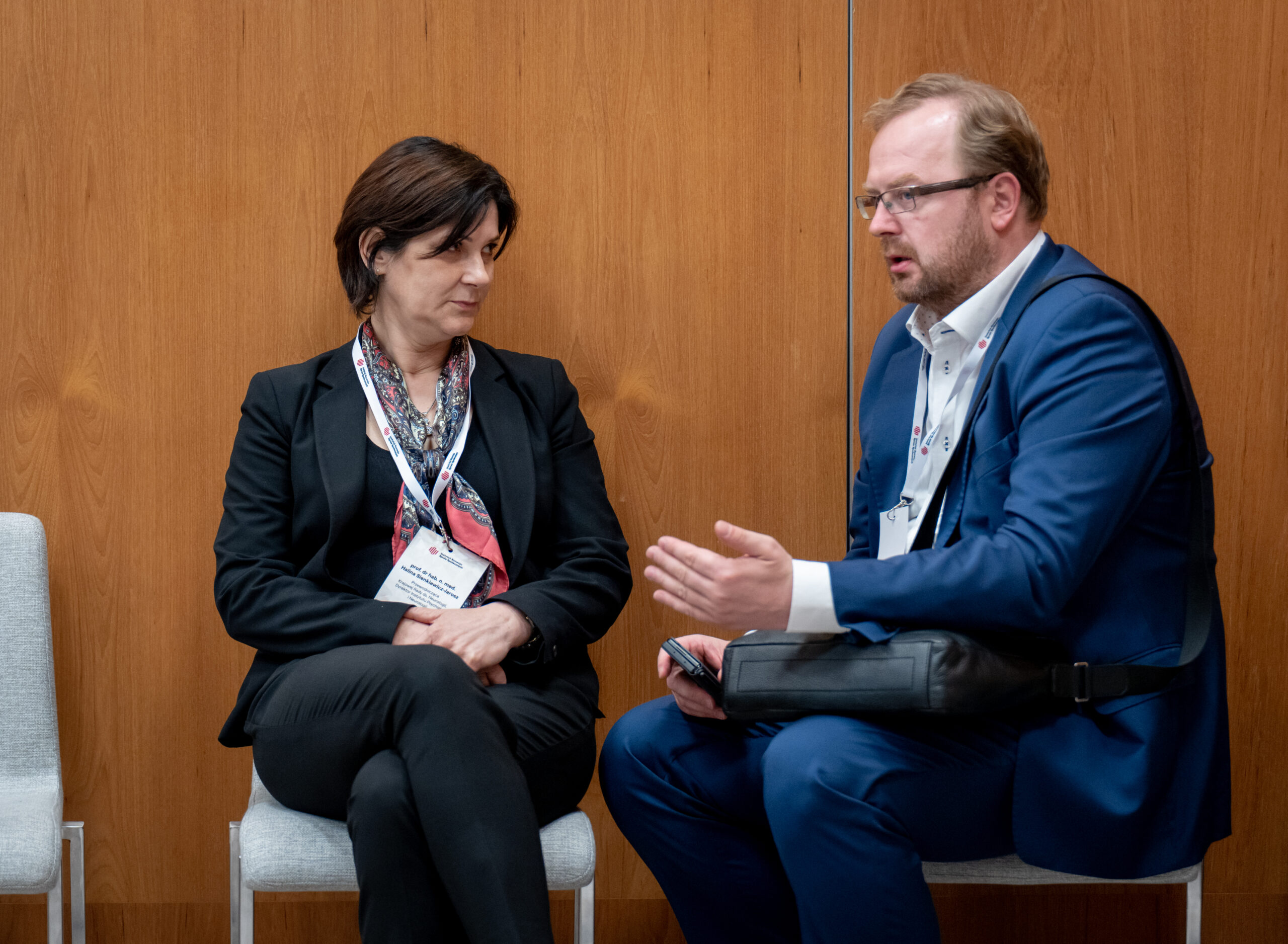
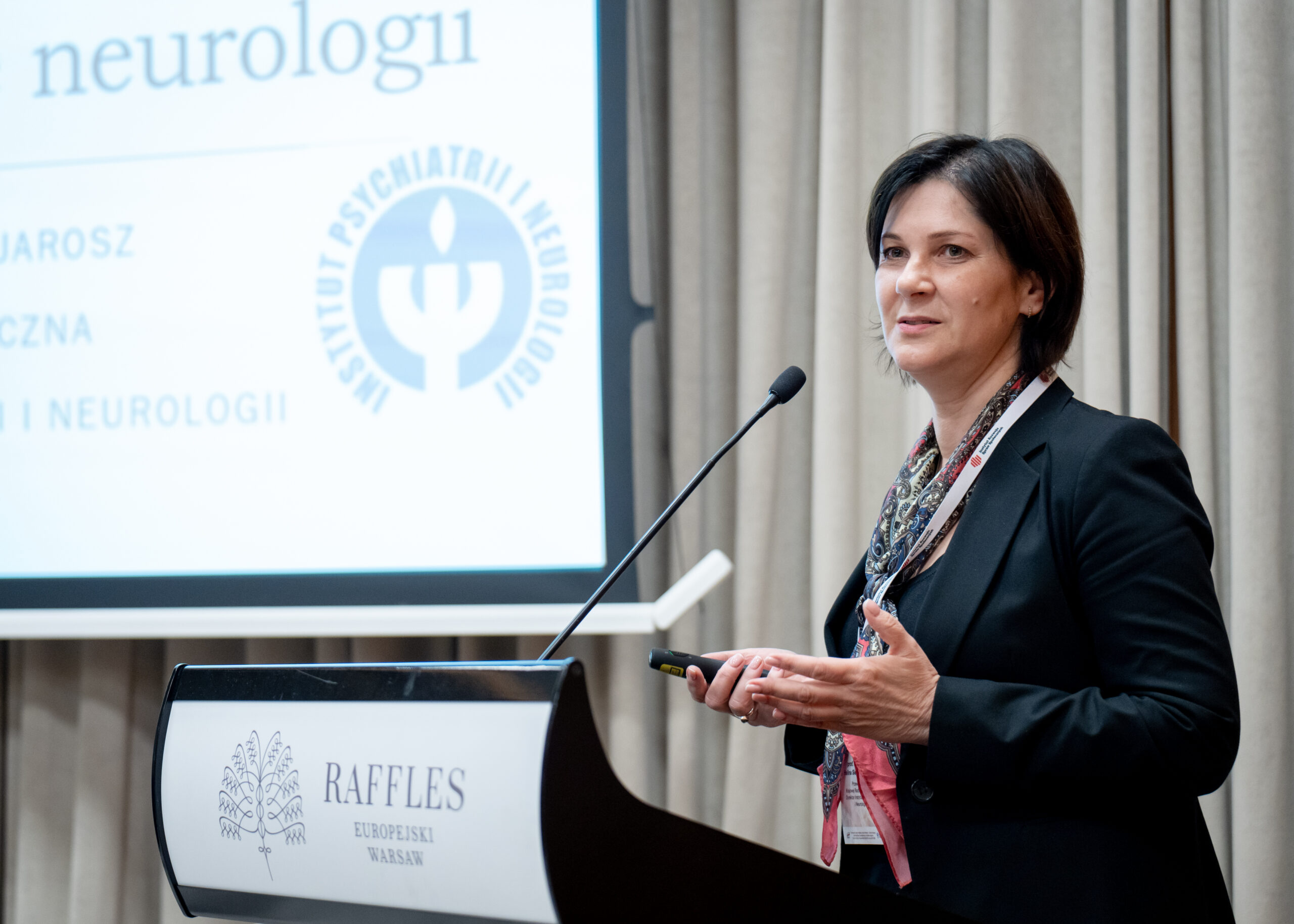
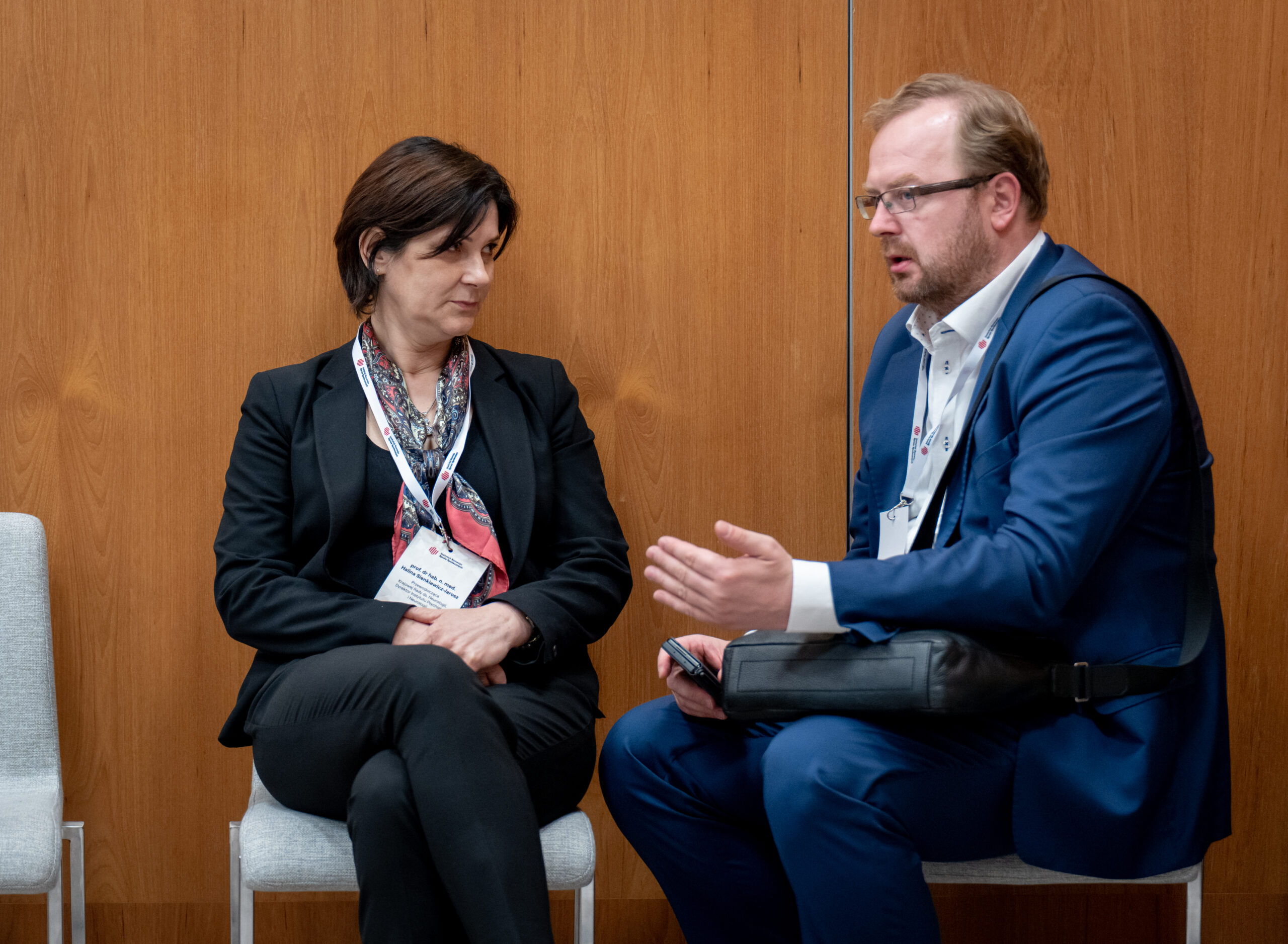
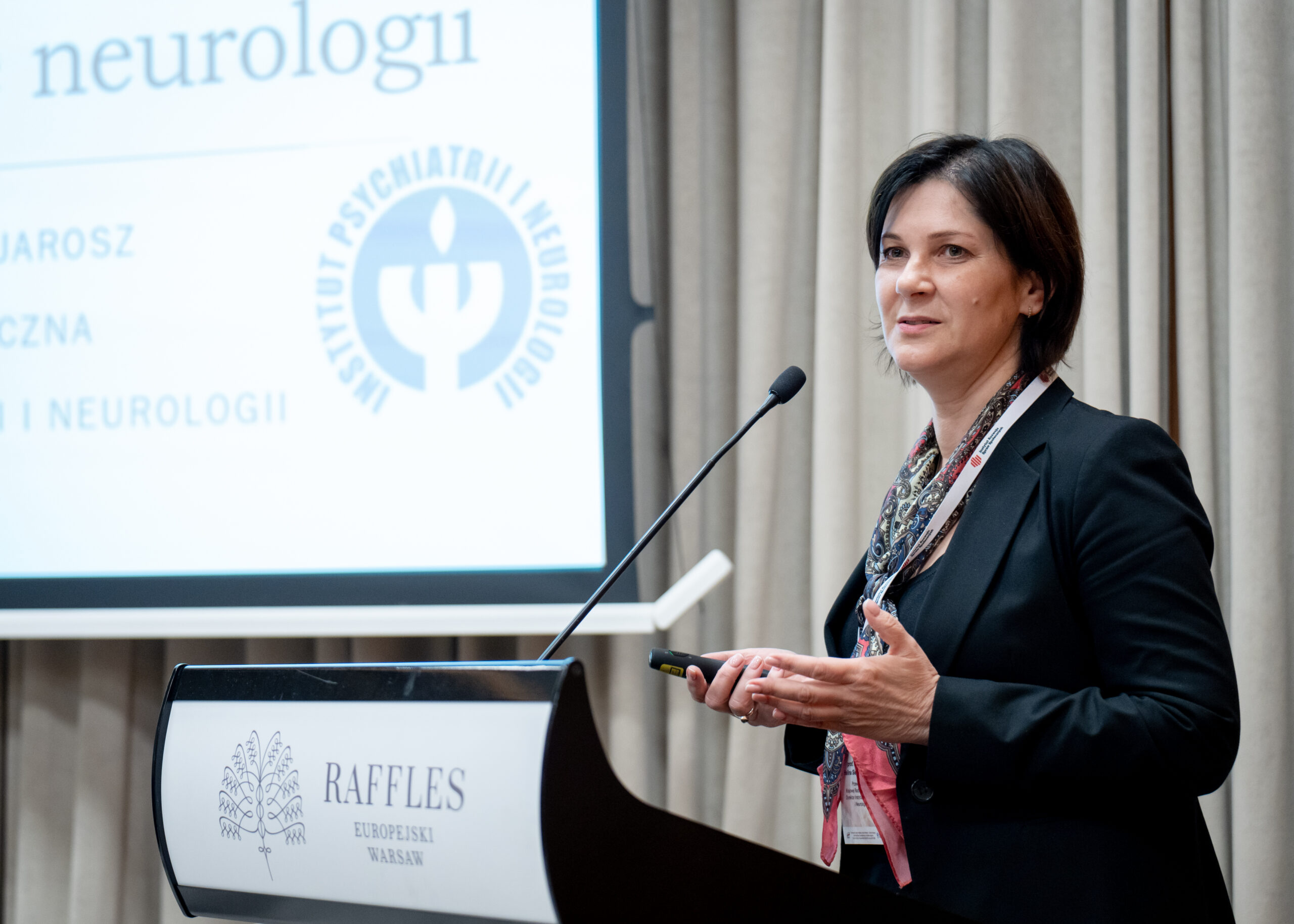
In the part of the meeting dedicated to neurology, the current situation was presented by Prof. Halina Sienkiewicz-Jarosz, Chair of the National Council for Neurology and Director of the Institute of Psychiatry and Neurology. The researcher noted that the number of patients in this field continues to grow.
“Neurological diseases affect one-third of Poles and it will only get worse. For example, over the next 10–20 years, we can expect the number of Alzheimer’s patients to double,” noted Prof. Sienkiewicz-Jarosz. The reason for this trend is the unhealthy lifestyle led by Poles, which includes poor diet, substance use, lack of sleep, and workaholism.
“When it comes to neurology, we most often talk about the treatment of multiple sclerosis—a program worth 500 million annually. Together with the national consultant and other specialists, we have initially established the direction for significant changes in the drug program. We are also addressing migraine treatment. We have two lines of treatment—the first based on botulinum toxin and the second on two monoclonal antibodies. In the case of epilepsy, we currently have two drugs in the registration process,” reported Maciej Miłkowski, Undersecretary of State at the Ministry of Health, on new therapies in the field of neurology.
Referring to the minister’s statement, Chairman of the Parliamentary Health Committee Dr. Tomasz Latos reminded that there is a standing health subcommittee on mental health. “Perhaps in recent times we have devoted too little attention to neurological issues. These topics have occasionally surfaced in the context of rare diseases. That’s why you have inspired me to propose a meeting of this committee dedicated to such topics in the second half of this year,” said MP Latos.
Next, Dr. Radosław Sierpiński, President of the Medical Research Agency, took the floor. “Congratulations to the organizers on the choice of topic; this is another area, following cardiology, that is truly socially significant from the perspective of discussion and shaping the country’s health policy,” he said. He also emphasized that the Agency strives to support efforts aimed at improving treatment for patients with brain diseases. “Last year, we held a competition for clinical research in neurology and psychiatry, with over PLN 100 million going to researchers in Poland,” noted Radosław Sierpiński.
The further debate in the neurology section of the event was dominated by the topic of multiple sclerosis (MS) treatment. In Poland, 50,000 people suffer from the disease, most of them young, with the average age of onset around 30 years. Multiple sclerosis affects women three times more often than men. MS is currently treated in two models.
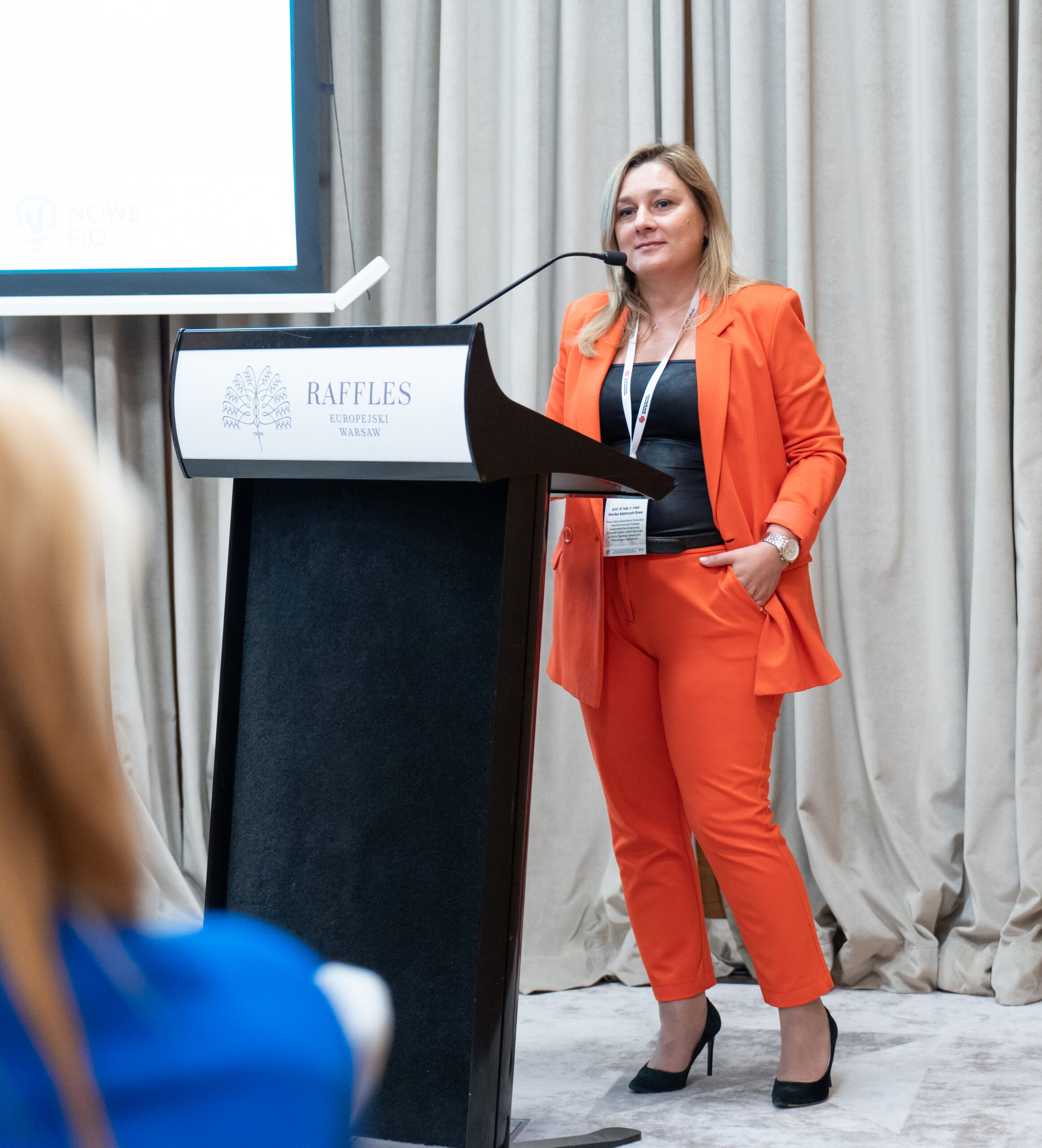
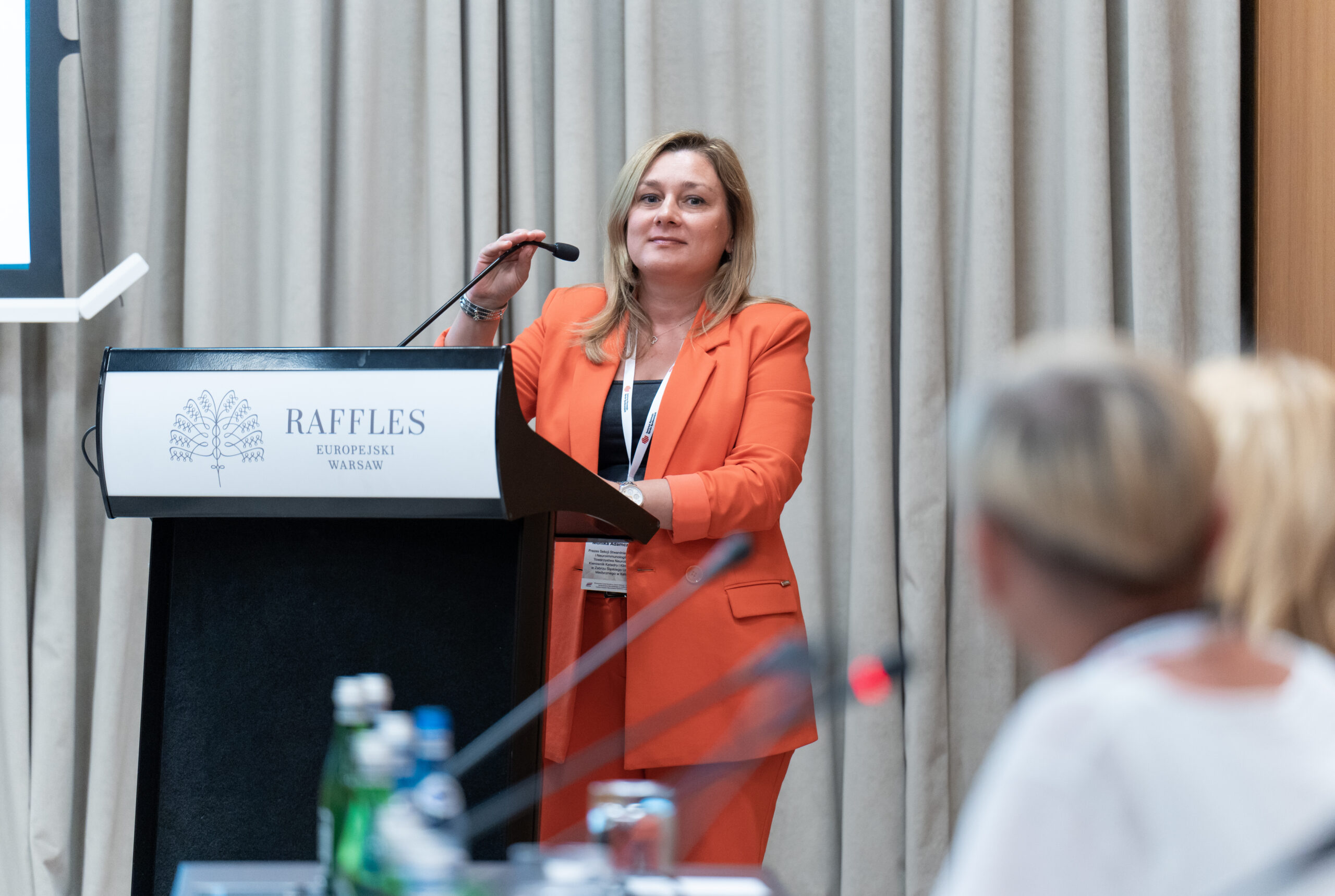
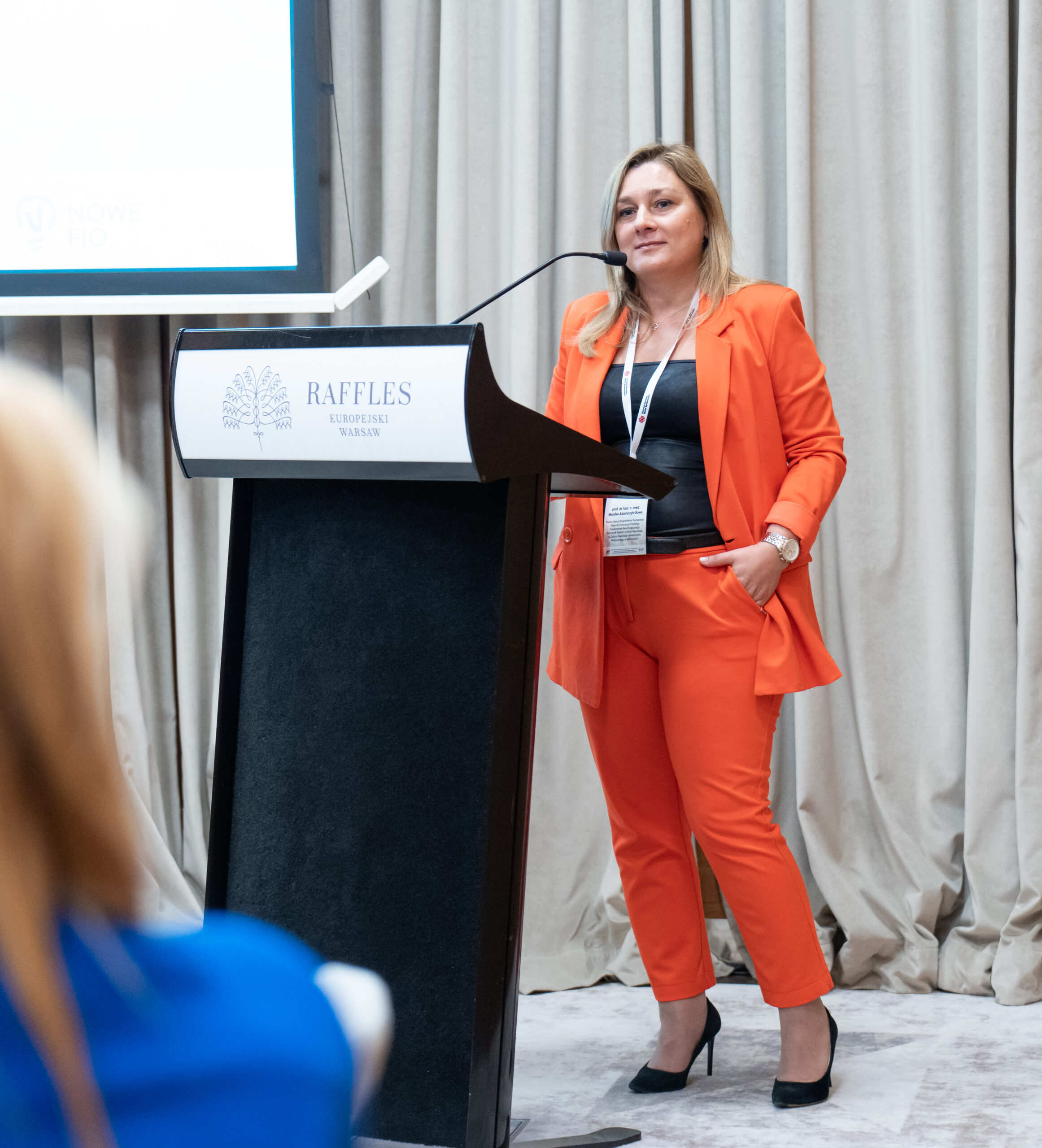
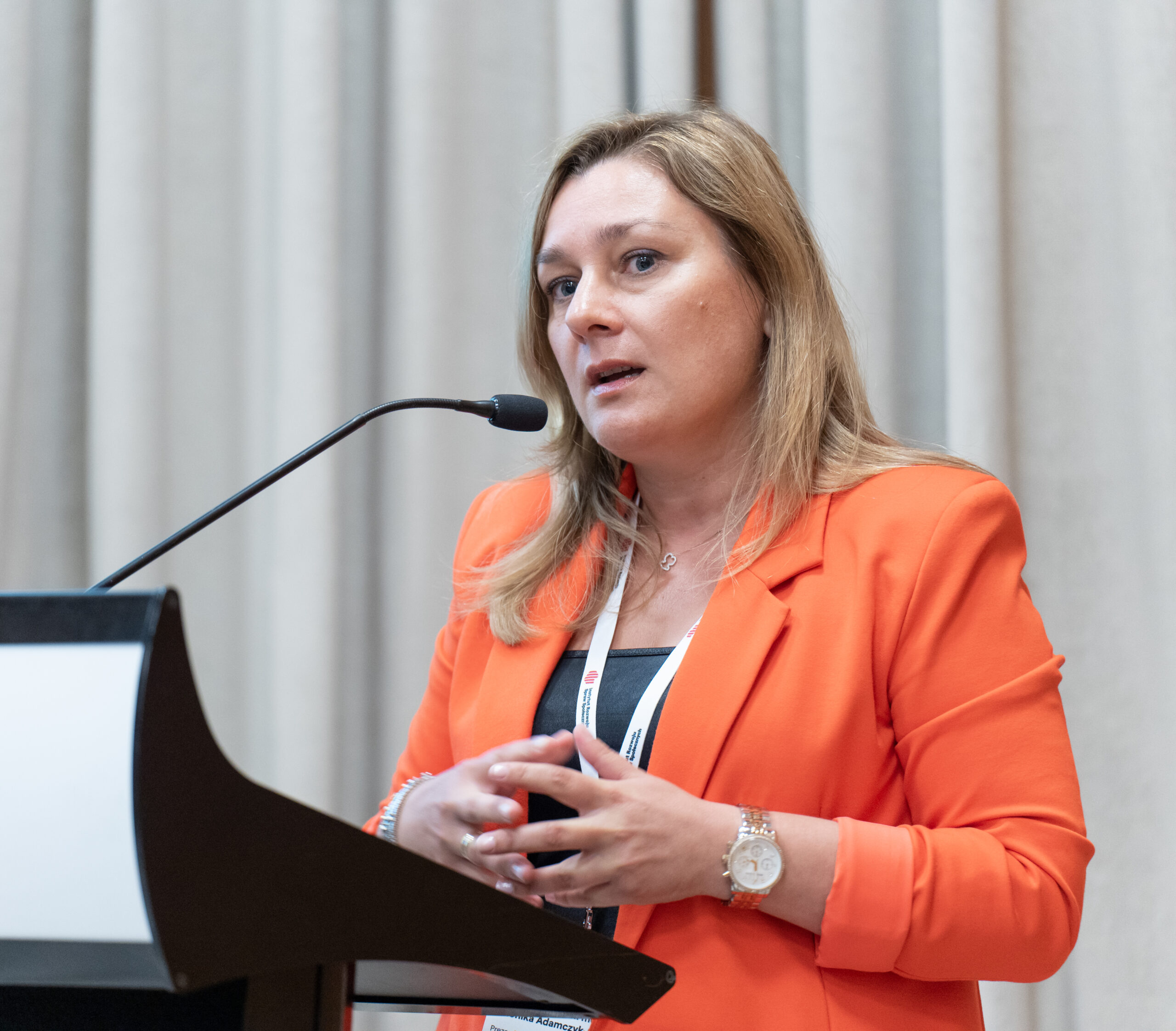
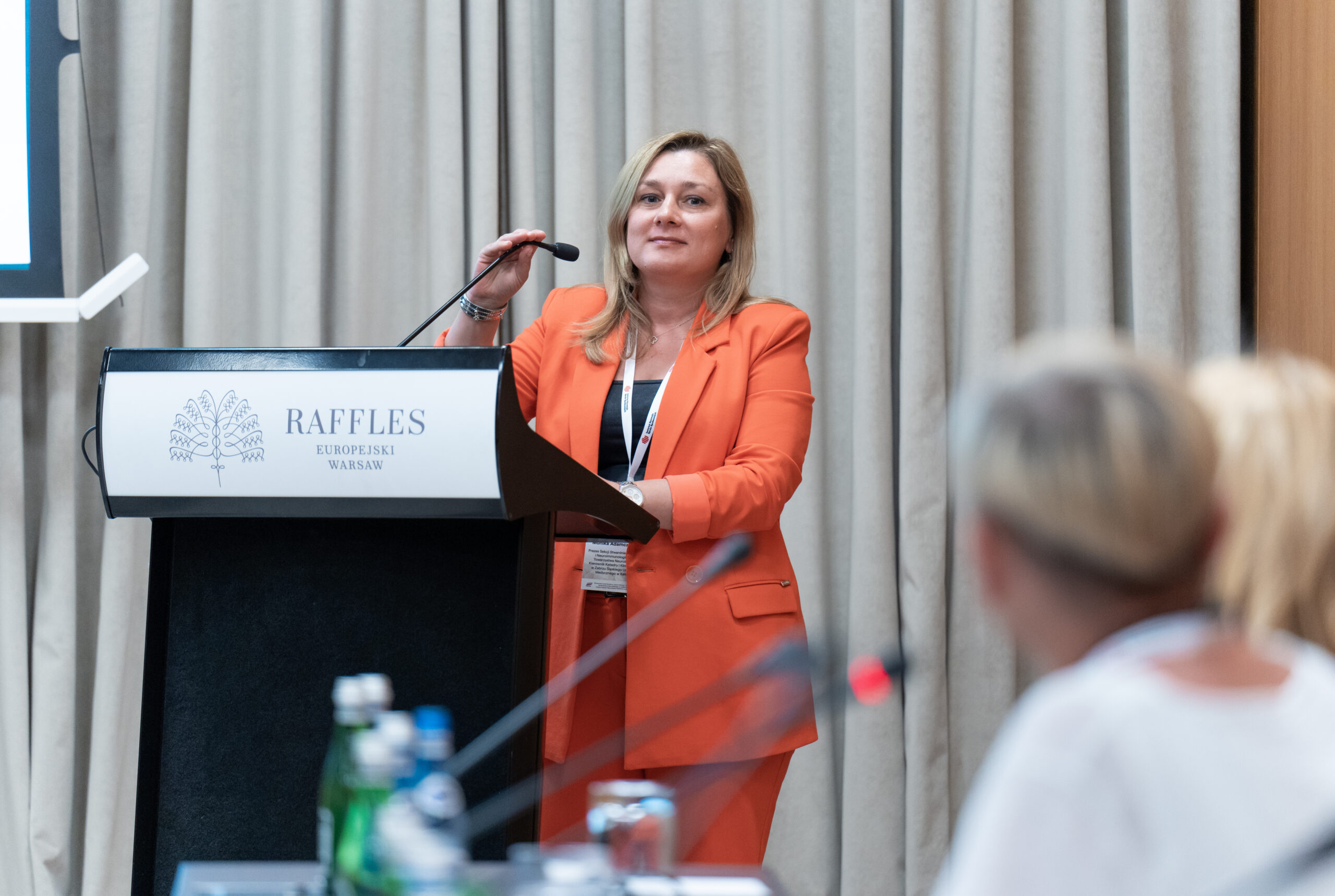
“The first – the so-called escalation model – involves initially using moderately effective drugs, and when they prove ineffective, switching to highly effective treatment. The second model – increasingly used – involves employing highly effective therapies from the very beginning of the disease,” said Prof. Monika Adamczyk-Sowa, head of the Department and Clinic of Neurology in Zabrze at the Medical University of Silesia in Katowice.
In the case of the latter approach, the results can be spectacular. “We observe not only the suppression of disease activity, but sometimes even improvement. This is something new, and we would very much like to see such effects in a greater number of patients,” added Prof. Adamczyk-Sowa.
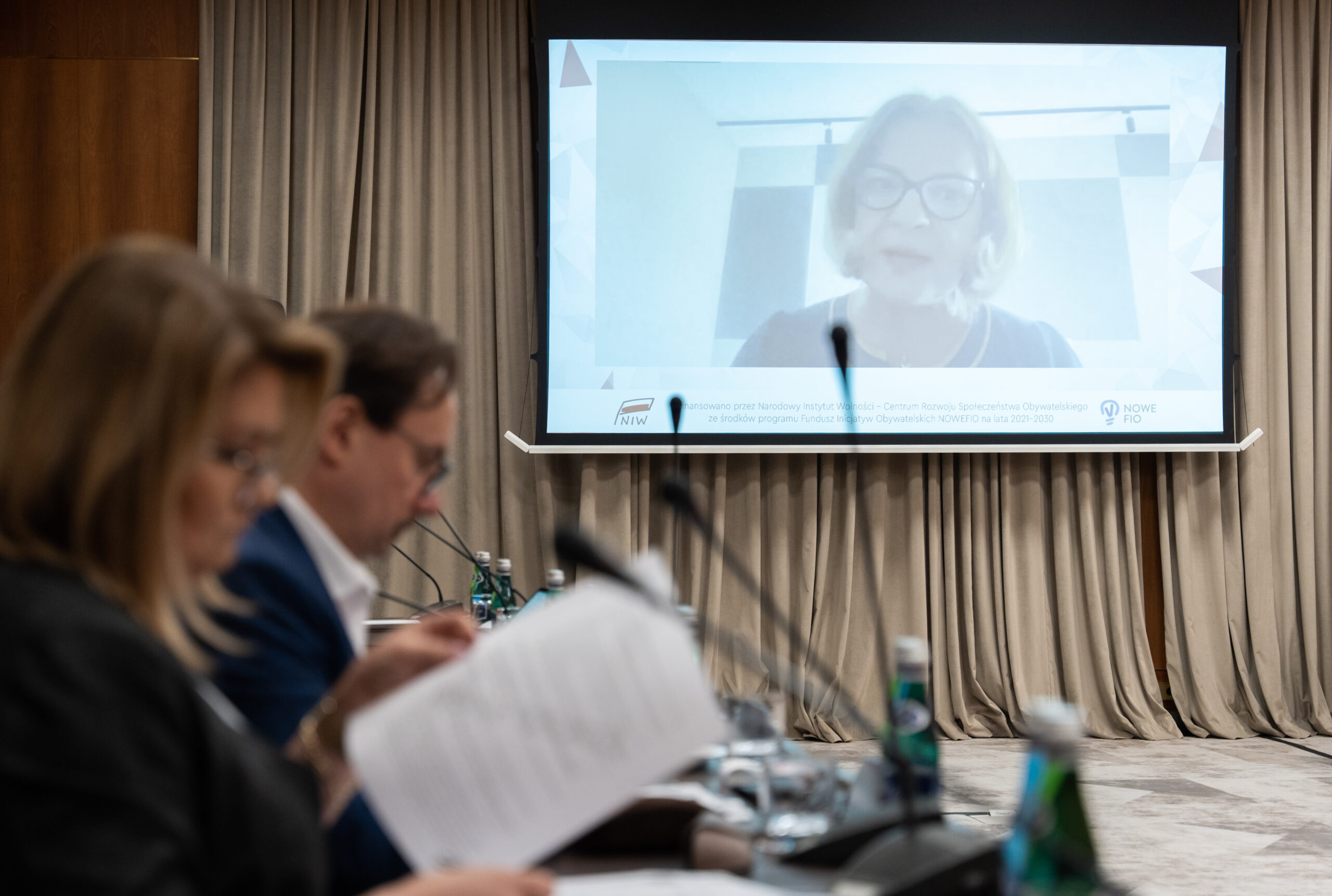
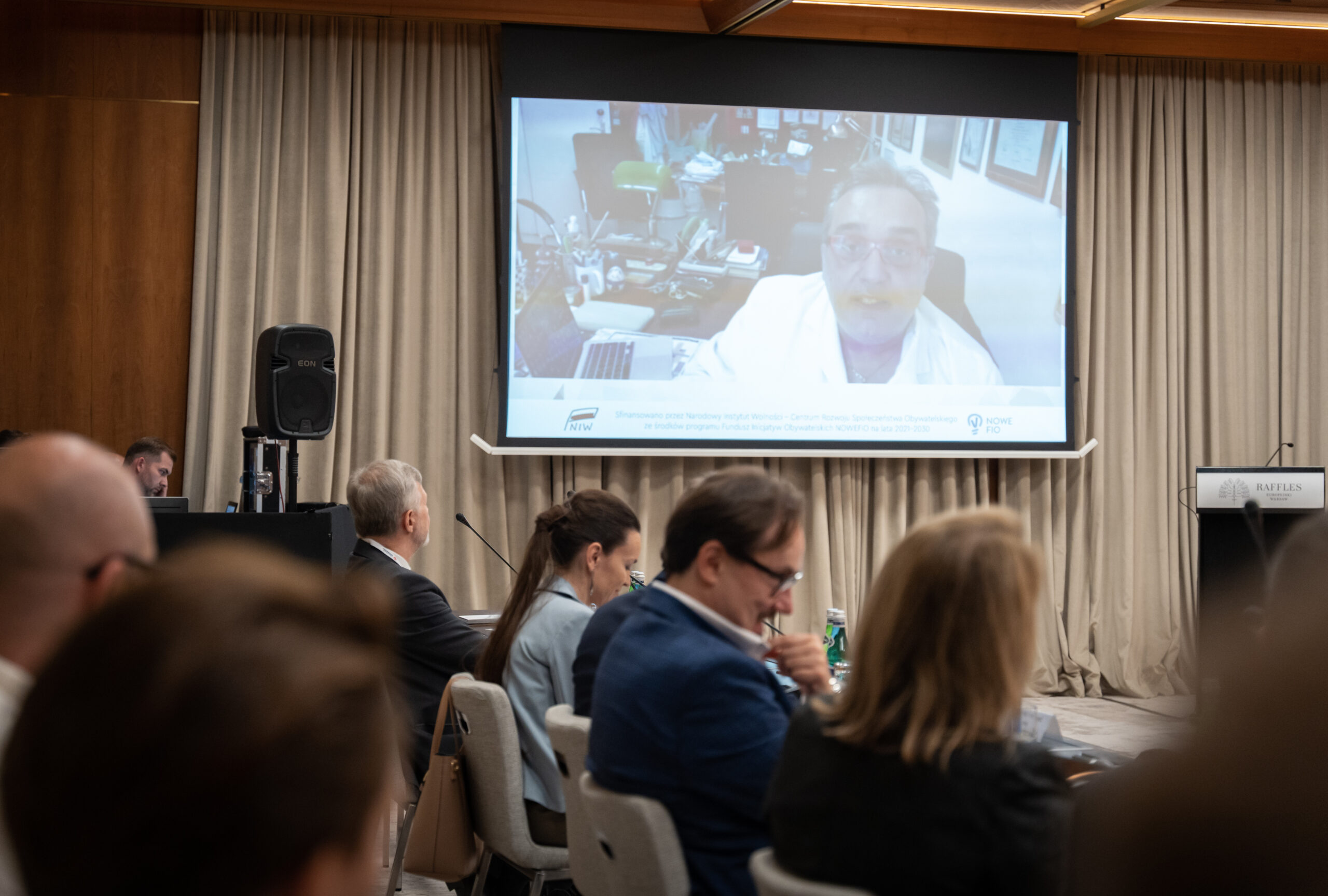
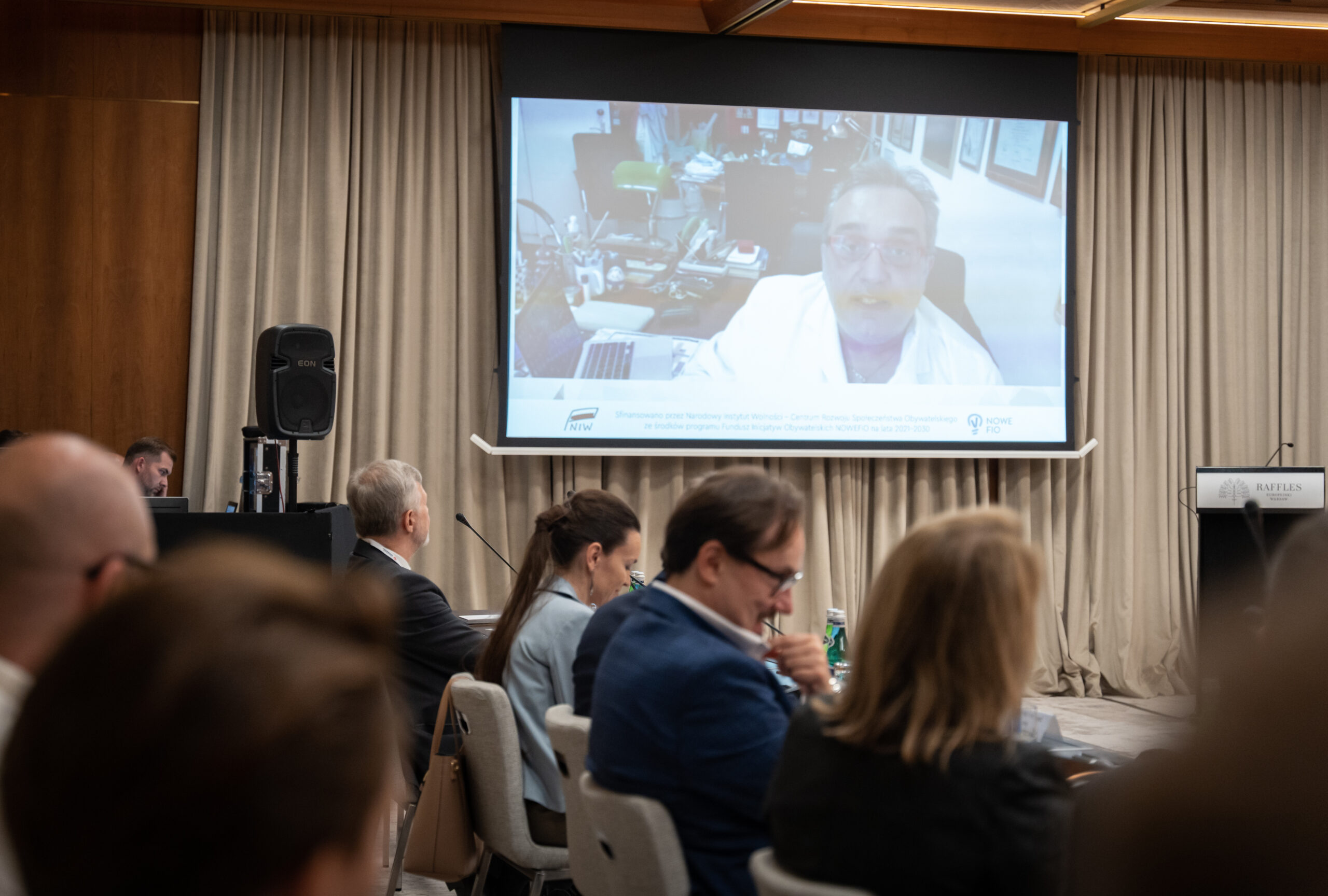
Prof. Nikolaos Grigoriadis, professor of neurology at the Medical Faculty of Aristotle University of Thessaloniki, presented the procedures for treating multiple sclerosis patients in Greece. There, more highly effective therapies are used than, for example, in Poland. The researcher emphasized the importance of MS control for the patient’s health condition.
“If the disease is not very active within 2 to 5 years after diagnosis, then in the longer term we will see very good treatment outcomes in that patient. Therefore, as a doctor, I should use all available drugs, while keeping in mind the patient’s safety and the side effects of the therapies used,” said Prof. Grigoriadis.
The part of the meeting dedicated to psychiatry began with a speech by Piotr Mazurek, Secretary of State in the Chancellery of the Prime Minister and Government Plenipotentiary for Youth Policy. “Last year, we conducted the largest public consultation with the young generation in Poland’s history, with 30,000 participants. Undoubtedly, issues related to youth mental health require very decisive actions. These topics had long been sidelined, but recently, through our consultations, they entered the mainstream as a real social problem,” said Minister Mazurek.
The Covid-19 pandemic exacerbated the pre-existing problems in Polish psychiatry. “What happened after the pandemic exceeded our expectations. We now have twice as many child patients and 60 percent more adolescent patients—both in outpatient and inpatient care,” warned Dr. Aleksandra Lewandowska, national consultant in child and adolescent psychiatry and head of the 24-hour Psychiatric Ward for Children at the Independent Public Health Care Center in Łódź.
The latest data are alarming: in 2021, nearly 1,500 children and teenagers attempted suicide, an increase of 77 percent compared to the previous year. At the same time, the phenomenon is affecting increasingly younger children—even as young as 7 years old.
“When it comes to developmental psychiatry, in most of these disorders, psychological and environmental factors play the most important role. Treatment primarily involves psychotherapy and psychoeducation, environmental therapy—psychiatrists are not involved there,” noted Dr. Lewandowska. However, there are cases when symptoms hinder functioning. “In such situations, or when there are serious mental disorders like schizophrenia or bipolar disorder, pharmacotherapy plays a key role. Although therapeutic support is equally necessary,” she added.
The expert pointed out that using pharmacotherapy in children is difficult in Poland. “To register a drug in a given drug group, the manufacturer must conduct studies in a specific population. The problem is that due to restrictions concerning the developmental age group, there are very few such studies. And the number of drugs registered in our country for use in those under 18 is small. We rely on recommendations from scientific societies and experts, but the responsibility for administering the drug lies with the doctor, and consent must be obtained,” emphasized Dr. Lewandowska.
On the general problems related to psychiatry after the Covid-19 pandemic, Prof. Piotr Gałecki, national consultant in psychiatry and head of the Adult Psychiatry Clinic at the Medical University of Łódź, spoke. According to him, the pandemic and its associated chronic stress drew public attention to the importance of mental health for overall health. “This has translated into a reduction in the stigmatization of people suffering from mental disorders. It has become clear that mental health is important in children’s education, in non-psychiatric psychosomatic illnesses, and also in psychiatry,” said Prof. Gałecki.
The second observed phenomenon has been the rise in mental disorders associated with difficult, crisis situations. “Our adaptive capacities have been strained. On the podium, in first place: addictions, especially alcohol. In second place: anxiety disorders, commonly called ‘nerves.’ In third: depressive disorders. People suffering from these three types of disorders were the most burdened in terms of mental health—not those with serious illnesses such as schizophrenia or bipolar disorder,” noted Prof. Gałecki.
Source: agencja PAP
We invite you to read the panel reports:
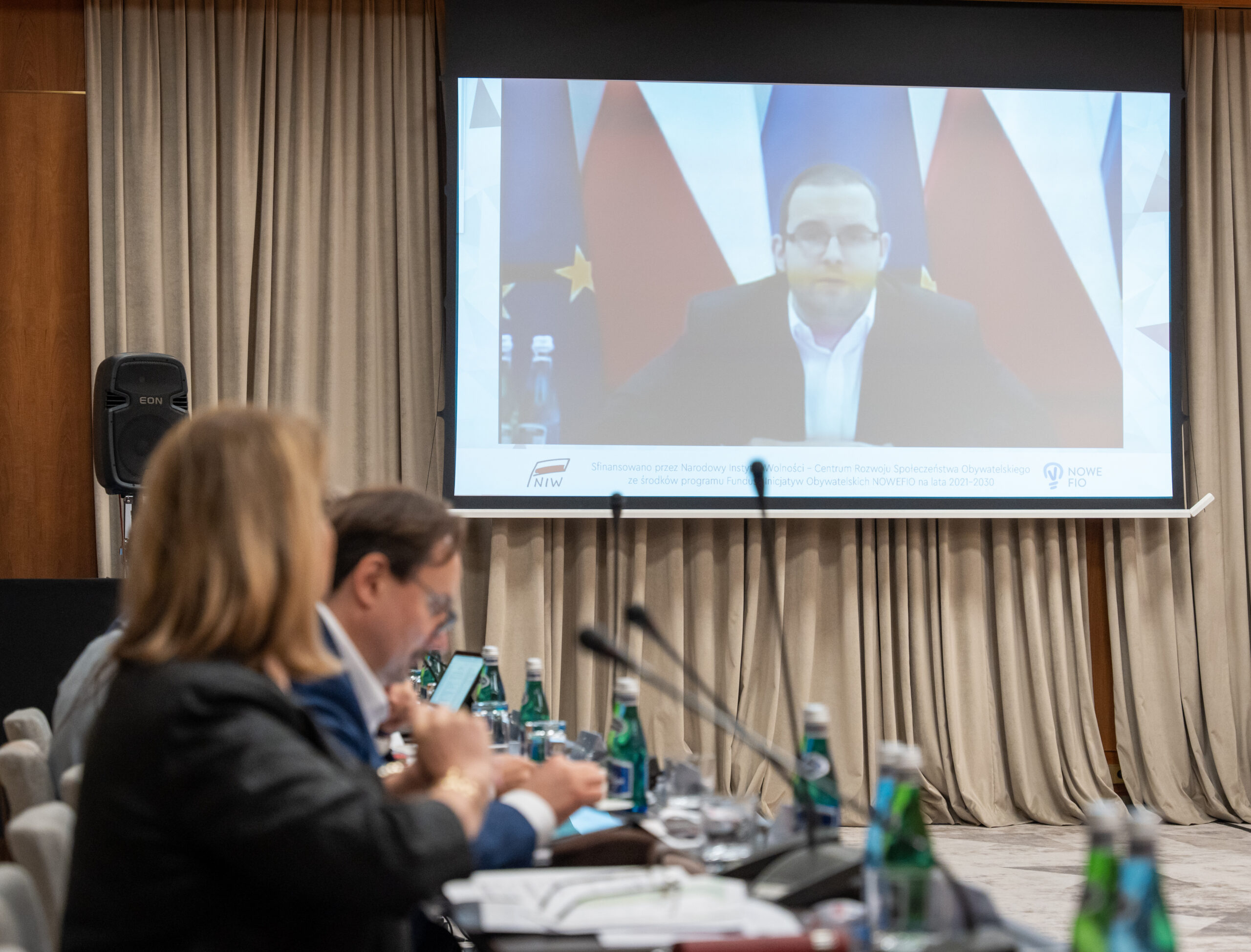
Financed by the National Institute of Freedom – Center for Civil Society Development with funds from the Civic Initiatives Fund Program NOWEFIO for 2021–2030.